
The Science of Growing Garlic: Understanding Its Growth Cycle

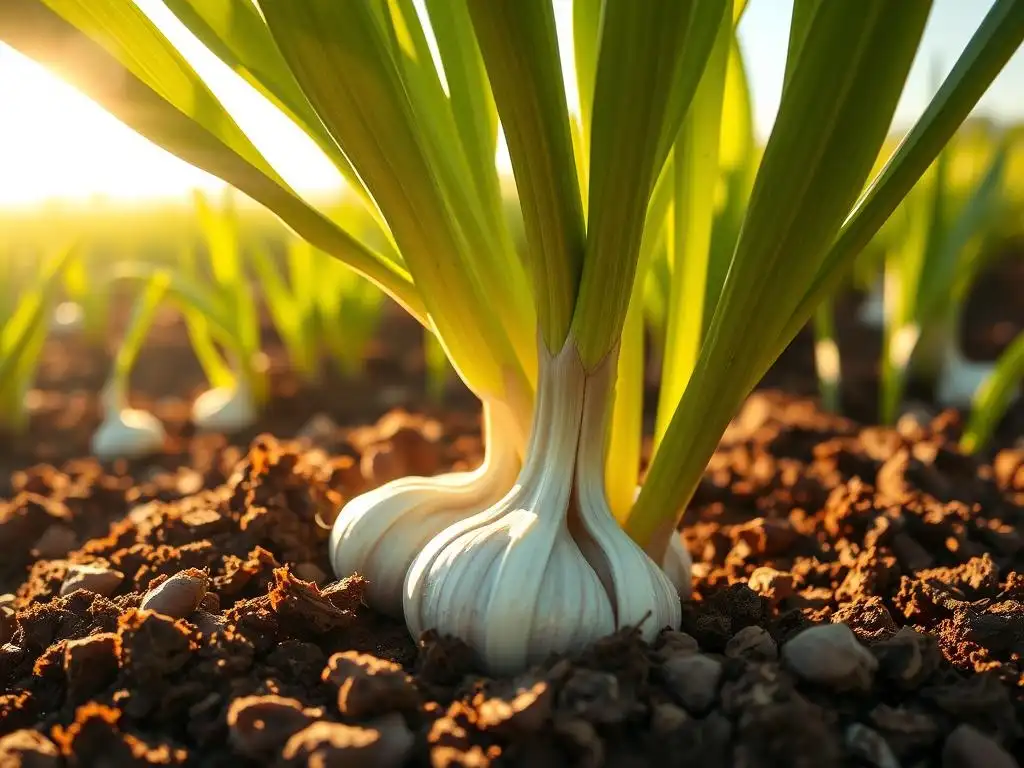
Welcome to CultivateYourFood, your guide to a greener, more flavorful life! Ready to unlock the secrets of homegrown goodness? We're passionate about helping you cultivate thriving fruits, vegetables, and herbs using sustainable methods. Dive into our Specific Plant Focus section and discover the fascinating world of organic garlic growing, starting with our comprehensive guide on understanding its growth cycle – a journey from planting to harvest that will leave you amazed. Let's get your hands dirty!
- Understanding the Garlic Growth Stages: An Organic Garlic Growing Guide
- Optimizing Your Organic Garlic Growing Environment
- Essential Nutrients for Abundant Organic Garlic Production
- Harvesting and Storing Your Homegrown Organic Garlic
- Troubleshooting Common Organic Garlic Growing Problems
- Beyond the Basics: Advanced Organic Garlic Growing Techniques
- Frequently Asked Questions
- Final Reflection: Harvesting the Bounty of Knowledge: Garlic's Enduring Gift
- Unleash Your Inner Gardener: Grow the Biggest Garlic Bulbs Yet!
Understanding the Garlic Growth Stages: An Organic Garlic Growing Guide
Growing organic garlic is a rewarding experience, offering the satisfaction of cultivating your own flavorful, healthy bulbs. This comprehensive guide delves into the science behind garlic growth, providing a detailed understanding of each stage, from planting to harvest. We'll explore the optimal conditions for cultivating robust, disease-resistant plants using sustainable, organic methods, empowering you to achieve a bountiful harvest of your own homegrown garlic.
This organic garlic growing guide will equip you with the knowledge to successfully cultivate this versatile and essential ingredient, ensuring you enjoy the benefits of fresh, organically grown garlic year after year. We will cover timing, soil preparation, nutrient requirements, and pest management – all essential aspects of successfully growing organic garlic. Let's embark on this journey into the fascinating world of garlic cultivation!
Stage 1: Planting Your Organic Garlic Cloves - Timing and Preparation
Planting your garlic cloves at the right time is crucial for a successful harvest. The ideal time for planting varies depending on your climate, but generally falls in the fall, approximately 6-8 weeks before the first hard frost. This allows the cloves sufficient time to establish a strong root system before winter dormancy. Choosing healthy, disease-free cloves is paramount. Select large, plump cloves from organically grown bulbs, avoiding any showing signs of damage or disease.
Before planting, prepare your soil. Garlic thrives in well-drained, loose soil rich in organic matter. Amend heavy clay soils with compost and other organic materials to improve drainage and aeration. Sandy soils may benefit from the addition of organic matter to retain moisture. Consider performing a soil test to determine its pH level; garlic prefers slightly acidic to neutral conditions (pH 6.0-7.0). A soil test can also identify any nutrient deficiencies that need to be addressed before planting.
Detailed Soil Preparation Checklist
- Remove weeds and rocks from the planting area.
- Till the soil to a depth of 12-18 inches.
- Incorporate 2-4 inches of compost or well-rotted manure.
- Mix in a balanced organic fertilizer, following package instructions.
- Ensure the soil is free of pests and diseases.
Stage 2: Sprouting and Early Growth - Soil Conditions for Optimal Development
Once planted, the garlic cloves will begin to sprout, sending down roots and pushing up green shoots. Consistent soil moisture is crucial during this phase. Keep the soil evenly moist, but avoid overwatering, which can lead to root rot. Mulching the planting area with organic materials like straw or shredded leaves helps retain soil moisture, suppress weeds, and regulate soil temperature.
The early growth stage is a critical period for nutrient uptake. Ensure the soil provides adequate nitrogen, phosphorus, and potassium. Avoid using synthetic fertilizers; instead, opt for organic options such as compost tea, fish emulsion, or seaweed extract. Regular monitoring of soil moisture and nutrient levels is essential to ensure optimal growth conditions. Observe the plants carefully for any signs of pests or diseases; early detection is key to preventing significant damage. Remember that healthy soil is the foundation for healthy garlic plants. 🌱
Stage 3: Bulb Formation - Essential Nutrients for a Bountiful Harvest
As spring arrives, the garlic plants enter the bulb formation stage. During this period, the plant focuses its energy on developing the bulb. Adequate sunlight is essential for bulb development. Ensure your planting area receives at least 6-8 hours of direct sunlight per day. Continued monitoring for pests and diseases is vital during this critical phase. Regular watering is still necessary, but avoid overwatering, especially during periods of rain.
Maintaining proper soil nutrient levels is critical for achieving a large, high-quality garlic harvest. Regular applications of compost tea or other organic fertilizers can help replenish essential nutrients. Avoid applying nitrogen-rich fertilizers late in the season, as this can delay bulb maturation and reduce the storage life of the harvested bulbs. Pay close attention to the size and firmness of the developing bulbs. A healthy, well-nourished plant will produce large, firm bulbs ready for harvest. 🧄
Stage 4: Harvesting Your Organic Garlic - Recognizing the Signs of Maturity
Harvesting garlic at the optimal time is crucial for maximizing bulb size and ensuring long-term storage. Knowing when to harvest requires careful observation and understanding of the plant's cues. Don't rush the process; prematurely harvested garlic will result in smaller bulbs and reduced shelf life. Conversely, leaving it in the ground too long can lead to bulb splitting and increased susceptibility to rot.
Several key indicators signal that your organic garlic is ready for harvest. Firstly, the leaves will begin to yellow and brown, starting from the bottom and gradually progressing upwards. This natural senescence is a clear sign that the plant is diverting its energy from leaf growth to bulb development.
Don't be alarmed by this browning; it's a natural part of the garlic's life cycle. However, note that not all leaves will necessarily turn completely brown before harvest; some green might remain, especially in the upper leaves. A good rule of thumb is to observe at least 50-70% of the foliage exhibiting this yellowing and browning.
Secondly, carefully examine the garlic scapes (the flowering stalk). If present, these scapes will typically curl and start to droop, indicating the plant is nearing the end of its vegetative growth phase. The scapes themselves can be harvested earlier for culinary use, but their drooping is a reliable secondary indicator that the bulb below ground is maturing. The timing of scape emergence varies depending on the variety and growing conditions, but their decline offers a valuable cue for the home gardener.
Finally, a gentle tug on the plant can provide a helpful, though not definitive, indicator. If the plant resists removal easily, it likely needs more time. However, if the plant pulls out with relatively little resistance, it suggests the bulb is fully developed. It's crucial to combine this visual observation with the aforementioned leaf and scape indicators for a comprehensive assessment. Avoid forcefully pulling the plant, as this can damage the bulbs and reduce your harvest. Remember, it’s better to err on the side of caution and wait a few extra days than to risk premature harvesting.
Once you've confirmed the maturity of your garlic using these observations, carefully dig up the bulbs, ensuring you don't damage them in the process. Gentle handling is crucial to preserve the bulbs' integrity for optimal storage and future use. After harvesting, allow the bulbs to cure in a well-ventilated, shaded area for several weeks to allow the outer layers to dry and develop a protective skin.
This curing process is essential for extending the shelf life of your organically grown garlic. Proper harvesting and curing contribute significantly to successful organic garlic cultivation, ensuring a bountiful harvest and a long-lasting supply of this flavorful and versatile ingredient.
Optimizing Your Organic Garlic Growing Environment
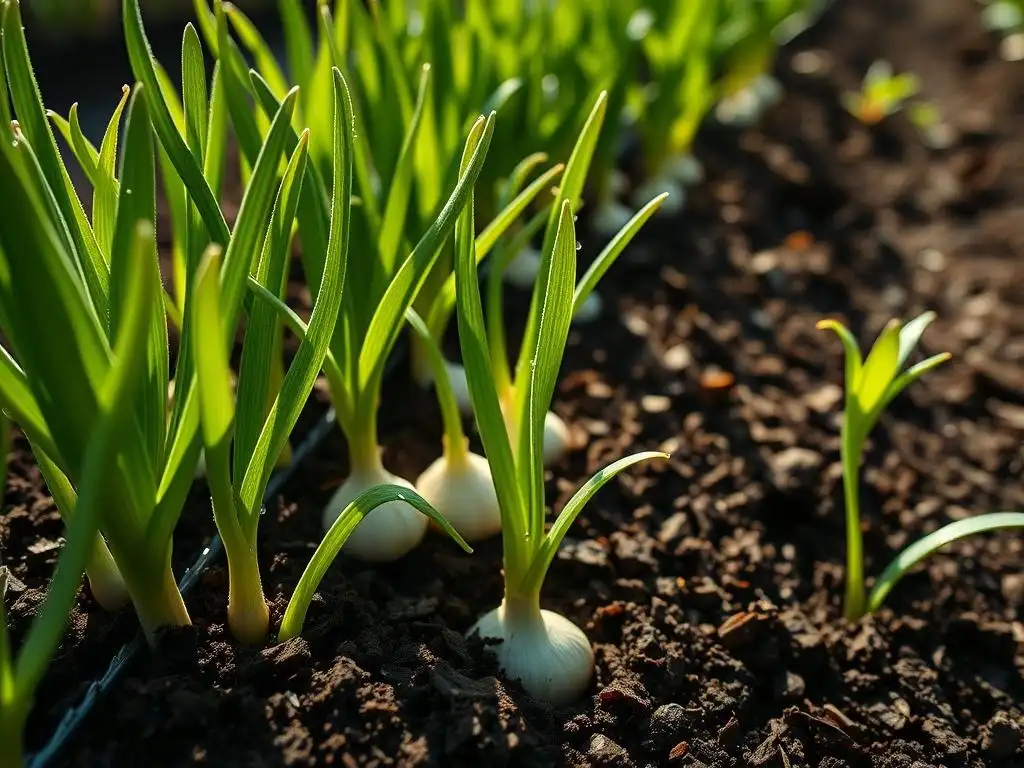
This section delves into the crucial environmental factors that significantly impact the success of your organic garlic growing endeavor. Understanding these elements is key to maximizing your yield and ensuring healthy, robust bulbs. A well-chosen location and properly prepared soil are the cornerstones of a thriving organic garlic patch. This detailed organic garlic growing guide will help you master these vital aspects.
Selecting the Right Location for Organic Garlic Cultivation - Sunlight and Soil Drainage
Sunlight is paramount for optimal garlic growth. Aim for a location that receives at least 6-8 hours of direct sunlight per day. Insufficient sunlight can lead to smaller bulbs and reduced yield. Conversely, excessive shade can result in weak, spindly plants susceptible to disease. Consider the orientation of your garden to maximize sun exposure throughout the day. South-facing locations (in the Northern Hemisphere) generally receive the most sunlight.
Equally crucial is soil drainage. Garlic dislikes sitting in waterlogged soil, which can lead to root rot and other fungal diseases. The ideal soil should be well-drained, allowing excess water to seep away quickly. Conduct a simple drainage test: dig a hole about 12 inches deep and fill it with water.
If the water drains completely within an hour, the drainage is good. If it takes significantly longer, you may need to amend your soil with organic matter to improve drainage. This is a critical step in your organic garlic growing guide. Remember, proper drainage is key to preventing diseases and ensuring healthy root development.
Soil Preparation for Organic Garlic - Improving Soil Structure and Fertility
Preparing the soil is a crucial step in your organic garlic growing journey, laying the foundation for healthy and productive plants. Garlic thrives in loose, well-aerated soil rich in organic matter. Before planting, it's vital to improve soil structure and fertility to optimize growth.
This involves several key steps:
- Testing your soil: A soil test can reveal its pH level and nutrient content, guiding you in amending it appropriately. Ideally, garlic prefers a slightly acidic to neutral pH (6.0-7.0).
- Adding organic matter: Incorporating compost, well-rotted manure, or other organic materials significantly improves soil structure, drainage, and fertility. Aim for at least 2-4 inches of organic matter worked into the top layer of soil. This is a fundamental aspect of any organic garlic growing guide.
- Till or loosen the soil: Loosen the soil to a depth of at least 12 inches to allow for good root penetration. This ensures that the garlic cloves have ample space to develop into large, healthy bulbs. Avoid compacting the soil during this process.
- Addressing specific deficiencies: Based on your soil test results, you may need to add specific amendments to address nutrient deficiencies. For instance, if your soil is low in phosphorus, you might incorporate bone meal or rock phosphate.
Organic Pest and Disease Control for Garlic - Natural Solutions for Healthy Plants
Organic garlic growing emphasizes natural pest and disease control methods, minimizing the use of harmful chemicals. Several strategies can help you maintain healthy garlic plants organically:
- Crop rotation: Rotating garlic with other crops every 3-4 years helps break pest and disease cycles. Avoid planting garlic in the same location repeatedly.
- Companion planting: Certain plants, such as rosemary, thyme, and marigolds, can deter pests. Planting these companions near your garlic can provide natural pest control.
- Handpicking pests: Regularly inspect your garlic plants for pests like aphids or slugs and remove them by hand. This simple method can be very effective in controlling small infestations.
- Beneficial insects: Attract beneficial insects such as ladybugs and lacewings, which prey on common garlic pests. Providing habitats for these insects can significantly reduce pest pressure.
- Natural fungicides: In case of fungal diseases, consider using natural fungicides such as neem oil or copper fungicide. Always follow product instructions carefully.
This organic garlic growing guide highlights the importance of proactive measures to prevent pest and disease problems, fostering a healthy environment for your garlic plants to thrive organically. Remember, a healthy plant is less susceptible to pests and diseases. By combining these strategies, you can cultivate a thriving and bountiful organic garlic harvest. 🧄
Essential Nutrients for Abundant Organic Garlic Production
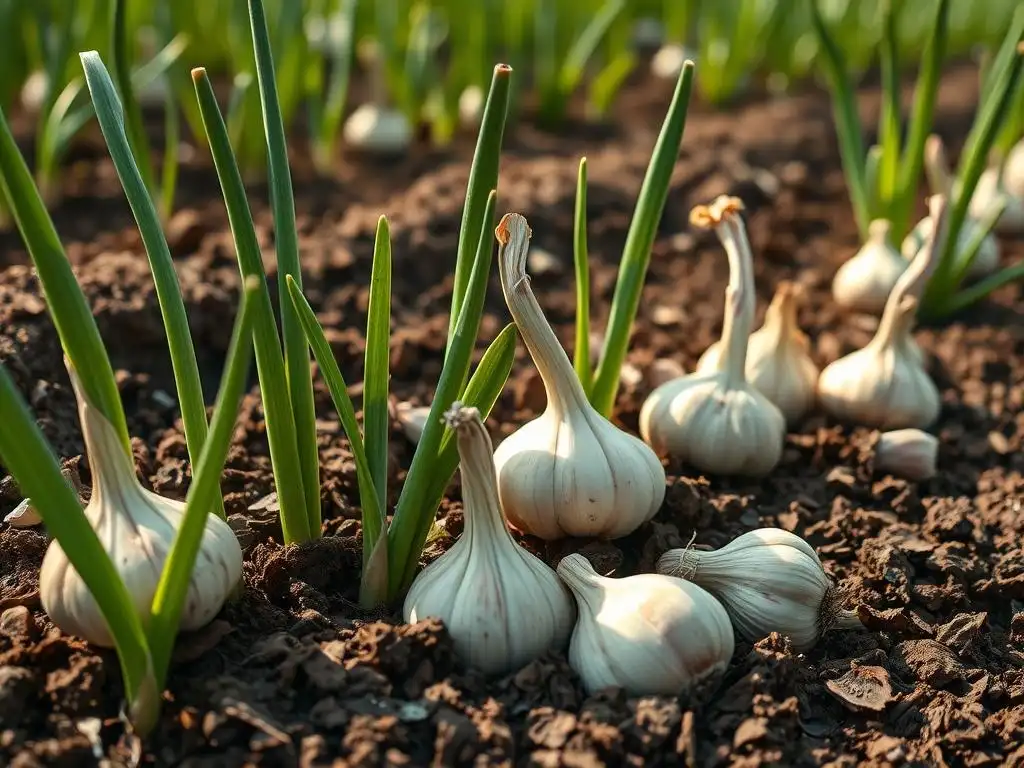
Growing robust, flavorful garlic organically hinges on providing the right nutrients. While avoiding synthetic fertilizers is key to organic gardening, understanding the plant's nutritional needs remains crucial. Garlic, like other plants, requires a balanced diet of both macronutrients and micronutrients to thrive. This section will detail the essential elements for successful organic garlic cultivation, offering a comprehensive organic garlic growing guide.
Macronutrients for Robust Garlic Growth - Nitrogen, Phosphorus, and Potassium
Macronutrients are essential nutrients needed in larger quantities by plants. For garlic, nitrogen (N), phosphorus (P), and potassium (K) are particularly important. Nitrogen promotes vigorous leafy growth, crucial for the initial stages of garlic development. Phosphorus is vital for root development and bulb formation, directly impacting the final garlic bulb size and quality. Potassium plays a crucial role in overall plant health, improving disease resistance and contributing to the development of large, firm cloves.
Insufficient nitrogen can lead to stunted growth and pale, yellow leaves. Conversely, excessive nitrogen can result in lush foliage but smaller bulbs with reduced storage capacity. Phosphorus deficiency manifests as poor root growth and delayed bulb formation. Symptoms of potassium deficiency include weak stems, leaf scorch, and reduced clove size.
Striking the right balance is key. Soil testing can be invaluable in determining the existing nutrient levels and guiding fertilization strategies. This allows for a tailored approach to ensure the plants receive the optimal amount of each macronutrient without excess or deficiency. A well-balanced approach is the cornerstone of an effective organic garlic growing guide.
Micronutrients for Healthy Garlic Development - Boron, Manganese, and Zinc
While needed in smaller quantities than macronutrients, micronutrients are equally vital for healthy garlic development. Boron plays a crucial role in cell wall formation and sugar transport, impacting bulb size and quality. Manganese is essential for chlorophyll synthesis and enzyme activation, contributing to healthy leaf growth and overall plant vigor. Zinc is involved in various enzymatic processes, affecting growth hormones and nutrient uptake.
Deficiencies in these micronutrients can lead to various problems. Boron deficiency can cause stunted growth, hollow stems, and cracked cloves. Manganese deficiency often manifests as chlorotic spots on leaves, while zinc deficiency can result in interveinal chlorosis (yellowing between leaf veins) and reduced growth. Organic sources of these micronutrients can be incorporated through the use of well-rotted compost, which contains a wide array of micronutrients in naturally balanced proportions. This holistic approach is a hallmark of a successful organic garlic growing guide.
Organic Fertilization Techniques for Garlic - Compost, Manure, and Cover Crops
Organic fertilization methods are paramount for sustainable garlic cultivation. Compost, a treasure trove of nutrients and beneficial microorganisms, is an excellent organic amendment. It improves soil structure, water retention, and nutrient availability. Well-rotted manure, particularly from herbivores, provides a slow-release source of nitrogen, phosphorus, and potassium, enriching the soil and promoting healthy garlic growth. Remember to use composted manure to avoid burning the plants.
Cover crops, such as legumes (peas, beans) or rye, can be incorporated into the rotation. Legumes fix nitrogen in the soil, naturally increasing nitrogen levels. Rye, on the other hand, improves soil structure and suppresses weeds. These techniques contribute to a healthy, fertile soil environment, reducing the need for external inputs and enhancing the overall sustainability of your garlic production.
Integrating these methods represents a critical aspect of any comprehensive organic garlic growing guide. The careful selection and application of these organic materials creates a robust ecosystem that supports thriving garlic plants, leading to a bountiful and flavorful harvest. 🥕🧄🧅
Harvesting and Storing Your Homegrown Organic Garlic
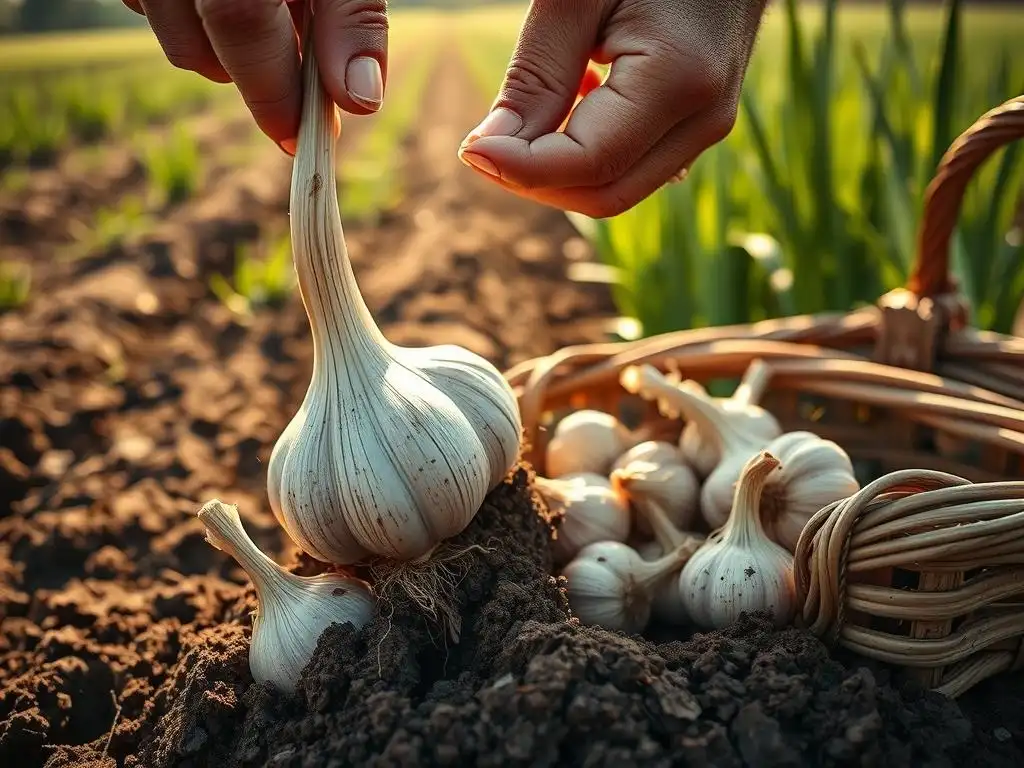
This section delves into the crucial final stages of your organic garlic growing journey: harvesting and storage. Proper techniques at this stage directly impact the quality and longevity of your hard-earned garlic crop. Following these steps will ensure you enjoy the fruits (or rather, bulbs!) of your labor for months to come. This detailed organic garlic growing guide will walk you through each process.
Recognizing the Signs of Mature Garlic - Leaf Color and Bulb Size
Knowing when to harvest your organic garlic is key to maximizing its flavor and storability. Don't rush the process; premature harvesting results in smaller, less flavorful bulbs. Conversely, waiting too long can lead to splitting bulbs and reduced shelf life. Several key indicators signal harvest readiness:
- Leaf Color Change: As the garlic matures, the lower leaves will begin to yellow and brown, eventually drying and falling over. This is a natural process indicating that the plant is diverting its energy to the bulb's development. However, don't wait for all leaves to turn brown. Aim for about 50-70% browning.
- Bulb Size and Firmness: Gently dig up a test bulb or two. The bulb should feel firm and substantial, with cloves that are well-developed and plump. The size will vary depending on the variety, but a mature bulb will generally be significantly larger than it was a few weeks prior.
- Timing: Generally, garlic is ready for harvest around 8-10 months after planting, typically in late summer or early fall. However, this can vary depending on your climate and the specific garlic variety. Consult your seed packet for specific guidance on your chosen variety.
Proper Harvesting Techniques for Organic Garlic - Minimizing Damage and Ensuring Quality
Harvesting your organic garlic requires a gentle touch to avoid damaging the bulbs. Bruising can reduce shelf life and potentially lead to spoilage. Here's a step-by-step guide:
- Prepare the area: Clear any weeds or debris around the garlic plants. Use a garden fork or trowel to loosen the soil around the base of the plants, making it easier to lift the bulbs without breaking them.
- Gentle lifting: Carefully lift the garlic plants from the ground, using a garden fork or your hands to avoid damaging the delicate bulbs. Try to lift the entire plant, including the roots, in one piece.
- Removing the soil: Gently brush off excess soil from the bulbs. Avoid scrubbing, as this can damage the papery outer skin.
- Curing: After harvesting, lay the garlic plants in a well-ventilated, shaded area for 2-4 weeks. This curing process allows the bulbs to dry, strengthening their outer skins and reducing moisture content. A dry, airy shed or garage works well. You can braid or tie the plants together for easier storage during curing.
- Post-cure inspection: Once the leaves are completely dry and brittle, carefully separate the bulbs from the stalks. Discard any damaged or soft bulbs.
Storing Your Harvested Organic Garlic - Techniques for Long-Term Preservation
Proper storage is essential for maximizing the shelf life of your organically grown garlic. Stored correctly, your garlic can last for several months.
- Braiding: Braiding your garlic is a traditional and attractive storage method that also promotes good air circulation.
- Hanging: Hanging garlic bunches in a cool, dark, and well-ventilated area is another effective method.
- Storing in mesh bags: Storing your garlic in mesh bags in a cool, dark, and dry place allows for air circulation, preventing mold and rot.
- Refrigeration: While not ideal for long-term storage, refrigeration can extend the shelf life of your garlic for a few weeks.
- Avoid plastic containers: Plastic containers trap moisture, increasing the risk of rot and spoilage.
| Storage Method | Advantages | Disadvantages | Expected Shelf Life |
|---|---|---|---|
| Braiding | Aesthetically pleasing, good air circulation | Requires some skill | 6-8 months |
| Hanging | Good air circulation | Requires space | 6-8 months |
| Mesh Bags | Good air circulation | Less aesthetically pleasing | 4-6 months |
| Refrigeration | Extends shelf life briefly | Not ideal for long-term | 2-4 weeks |
Remember, maintaining a cool, dry, and well-ventilated environment is crucial for long-term storage of your organic garlic. Enjoy the delicious reward of your hard work throughout the year! 🧄
Troubleshooting Common Organic Garlic Growing Problems
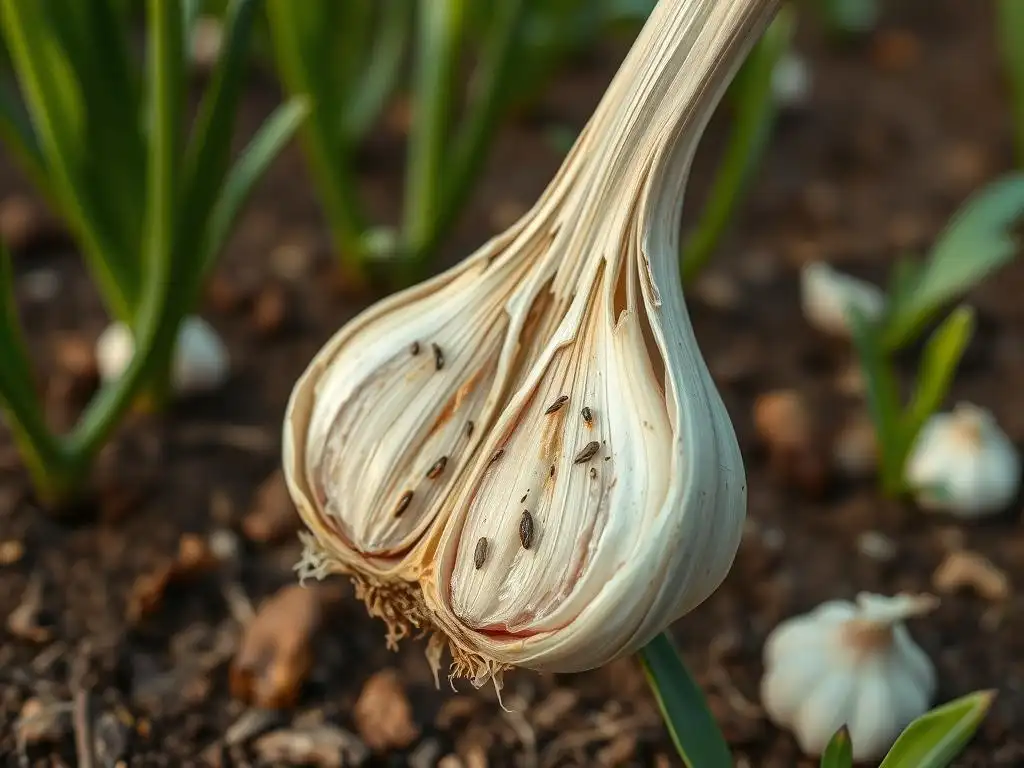
This section delves into the most frequently encountered challenges when cultivating organic garlic and offers practical, sustainable solutions. Successfully growing organic garlic requires attentiveness and proactive problem-solving. Remember, prevention is key, but understanding how to address issues when they arise is crucial for a bountiful harvest. This organic garlic growing guide focuses on natural methods, minimizing the environmental impact and ensuring the health of your plants and soil.
Dealing with Pests and Diseases in Organic Garlic Production - Natural Remedies
Organic garlic cultivation prioritizes natural pest and disease control. Chemical pesticides are avoided, opting instead for environmentally friendly methods. Several common threats to garlic include:
- Garlic mites: These microscopic pests can damage garlic bulbs, causing discoloration and reduced yield. Early detection is crucial. Regular inspection and the removal of affected plants are vital. Introducing beneficial nematodes to the soil can help control mite populations.
- White rot: This fungal disease attacks the roots and bulbs, leading to plant wilting and decay. Crop rotation is paramount; avoid planting garlic in the same location for consecutive years. Ensuring proper soil drainage minimizes the risk of white rot.
- Downy mildew: This fungal disease manifests as purple-gray spots on leaves. Good air circulation around plants prevents the spread of this disease. Removing infected leaves promptly can also help contain its spread.
Natural remedies:
| Pest/Disease | Natural Remedy | Effectiveness | Notes |
|---|---|---|---|
| Garlic mites | Beneficial nematodes, improved soil drainage | Moderate-High | Requires timely intervention and consistent monitoring |
| White rot | Crop rotation, well-drained soil | High | Essential for long-term organic garlic production |
| Downy mildew | Improved air circulation, removal of infected leaves | Moderate | Proactive measures are essential |
Using companion planting can also deter pests. Marigolds, for example, are known to repel some common garlic pests. Regularly inspecting your garlic plants for any signs of pests or diseases is crucial for early intervention and successful organic garlic growing.
Addressing Nutrient Deficiencies in Organic Garlic - Identifying and Correcting Issues
Organic garlic, like any plant, requires specific nutrients for optimal growth. Deficiencies can manifest in various ways, affecting yield and quality. Recognizing these signs early is crucial for timely intervention.
Nutrient deficiencies often appear as discoloration in the leaves.
- Nitrogen deficiency: Leaves appear pale green or yellow, especially the older ones. Growth is stunted.
- Phosphorus deficiency: Leaves may exhibit a purplish-blue hue, particularly on the lower leaves. Growth is slow, and the plants may be weak.
- Potassium deficiency: Leaves may show browning or yellowing at the edges, with a general weakening of the plant.
Correcting nutrient deficiencies:
Compost tea, rich in readily available nutrients, is an excellent organic solution. Adding well-rotted compost to the soil before planting provides a sustained release of essential nutrients. Using cover crops before planting garlic can also improve soil fertility. Soil testing can help identify specific nutrient deficiencies allowing for targeted amendments. Remember, a healthy soil is the foundation for healthy garlic plants. This organic garlic growing guide emphasizes soil health as a primary factor in successful cultivation.
Managing Water Stress in Organic Garlic Cultivation - Irrigation Techniques
Water management is critical for successful organic garlic cultivation. Both underwatering and overwatering can negatively impact garlic growth and yield. Consistent soil moisture is essential, but avoiding waterlogged conditions is crucial to prevent fungal diseases.
Irrigation techniques:
- Drip irrigation: This method delivers water directly to the roots, minimizing water waste and reducing the risk of fungal diseases. It provides consistent moisture without wetting the leaves, which can encourage disease.
- Soaker hoses: Similar to drip irrigation, soaker hoses provide consistent moisture to the roots, reducing water waste and avoiding leaf wetness.
- Hand watering: While less efficient, hand watering allows for close monitoring of soil moisture. Avoid overhead watering to prevent fungal diseases.
The ideal soil moisture level should be consistently moist but not waterlogged. Regular monitoring of soil moisture, particularly during dry periods, is crucial. Mulching can help retain soil moisture, reducing the frequency of irrigation. This organic garlic growing guide stresses the importance of carefully monitoring and managing water, preventing both drought and waterlogging for optimal yields. Understanding your soil type and its water-holding capacity is crucial for effective water management.
Beyond the Basics: Advanced Organic Garlic Growing Techniques
This section delves into advanced techniques for cultivating organic garlic, building upon fundamental knowledge. We'll explore cultivar selection tailored to your climate, optimize planting density for increased yield, and harness the power of companion planting for enhanced growth and natural pest control. This detailed guide will help you elevate your organic garlic growing game, resulting in a bountiful harvest of flavorful, healthy bulbs.
Exploring Different Garlic Varieties - Choosing the Right Cultivar for Your Climate
Choosing the right garlic variety is crucial for successful organic garlic growing. Different cultivars possess varying characteristics, including hardiness, maturity time, and flavor profiles. Understanding these nuances allows you to select the perfect cultivar for your specific climate and growing conditions. For instance, some varieties, like 'Chesnok Red', thrive in colder climates and exhibit exceptional cold hardiness, while others, such as 'Italian Late', prefer warmer temperatures and longer growing seasons.
Consider these factors when selecting your garlic cultivar:
- Hardiness: Choose a variety known for its ability to withstand the temperatures in your region. Consult seed catalogs or local gardening resources for hardiness ratings specific to your area.
- Maturity Time: This dictates when you should plant and harvest your garlic. Early-maturing varieties are ideal for shorter growing seasons, while late-maturing varieties yield larger bulbs but require a longer growing period.
- Flavor Profile: Garlic cultivars vary significantly in their flavor intensity and pungency. Experiment with different varieties to find your preferred taste. Some varieties offer a milder, sweeter flavor, while others are known for their sharp, pungent bite.
- Disease Resistance: Some varieties exhibit greater resistance to common garlic diseases, such as white rot or downy mildew. Selecting a disease-resistant cultivar can significantly reduce the need for chemical interventions, staying true to organic growing principles.
A well-informed choice of garlic cultivar significantly impacts your organic garlic growing success, guaranteeing a higher yield and superior quality. Careful consideration of these factors will lead to a more rewarding and productive harvest.
Techniques for Increasing Garlic Yield - Optimizing Planting Density and Spacing
Optimizing planting density and spacing is a key factor in maximizing your organic garlic yield. While it might seem counterintuitive, overcrowding can hinder growth, leading to smaller bulbs and increased susceptibility to diseases. Conversely, excessively wide spacing can result in underutilized space and reduced overall yield.
Finding the sweet spot involves understanding the specific needs of your chosen garlic variety. Generally, a spacing of 4-6 inches between cloves is recommended, with rows spaced 12-18 inches apart. However, larger varieties may require slightly more space, while smaller varieties can be planted more closely.
Here's a table illustrating the impact of planting density on yield:
| Planting Density (inches between cloves) | Average Bulb Size (diameter) | Estimated Yield per square foot | Notes |
|---|---|---|---|
| 2 | Small | Low | Increased risk of disease and competition |
| 4 | Medium | Medium | Optimal balance for many varieties |
| 6 | Large | High | May require more space between rows |
| 8 | Large | Medium-High | Less efficient use of space |
Experimentation is key. Keep detailed records of your planting density and the resulting yield to fine-tune your approach for future harvests. Remember that proper soil preparation and consistent watering also contribute significantly to achieving optimal yields.
Utilizing Companion Planting for Organic Garlic - Enhancing Growth and Pest Control
Companion planting leverages the synergistic relationships between different plants to enhance growth and deter pests, a cornerstone of organic gardening. Garlic, with its strong scent and allelopathic properties, makes an excellent companion plant for many vegetables and herbs.
Strategically placing specific companion plants near your garlic can improve soil health, attract beneficial insects, and repel harmful pests. For example:
- Roses: Garlic is known to repel aphids and other pests that can harm roses. Planting garlic near roses can provide natural pest control and promote healthier rose growth.
- Tomatoes: The strong scent of garlic can deter tomato hornworms and other common tomato pests.
- Carrots: Garlic helps to repel carrot root flies, a significant pest for carrot crops.
- Strawberries: Garlic is thought to deter certain fungal diseases and pests that can affect strawberries.
However, it's crucial to avoid planting garlic near legumes (peas, beans) as garlic may inhibit their nitrogen-fixing capabilities. Careful planning and observation are essential to optimize the benefits of companion planting in your organic garlic garden. Remember to rotate your companion plants yearly to avoid depleting the soil of specific nutrients and to maintain the effectiveness of the companion planting strategy. This holistic approach helps create a thriving, resilient, and productive organic garlic patch.
Frequently Asked Questions
What is the optimal time to plant garlic for a successful harvest?
The best time to plant garlic is in the fall, typically 6-8 weeks before the first hard frost. This allows the cloves to establish roots before winter. Planting in the fall ensures a larger, more robust bulb the following summer.
How much sunlight does garlic need to thrive?
Garlic requires at least 6-8 hours of sunlight per day to grow properly. Choose a sunny location in your garden for optimal growth and bulb development. Partial shade may result in smaller bulbs.
What type of soil is best for growing organic garlic?
Garlic prefers well-drained, loose soil that is rich in organic matter. Amend heavy clay soils with compost to improve drainage and aeration. Avoid soils that are too wet or compacted.
What are some common pests or diseases that affect garlic, and how can I prevent them?
Common issues include garlic mites, downy mildew, and white rot. Practicing crop rotation, ensuring good air circulation, and using organic pest control methods can help prevent these problems.
When is the best time to harvest my garlic?
The ideal harvest time is when the leaves turn yellow and begin to die back, usually in late summer or early fall. Allow the bulbs to dry completely before storing for optimal shelf life. Proper curing is essential.
Final Reflection: Harvesting the Bounty of Knowledge: Garlic's Enduring Gift
Understanding the science behind garlic cultivation isn't just about bigger bulbs; it's about fostering a deeper connection with the land and the food we consume. The principles of organic garlic growing, explored throughout this guide, are more relevant than ever in a world increasingly concerned with sustainable practices and food security. This knowledge empowers us to take control of our food sources, reducing our reliance on potentially unsustainable industrial agriculture.
The journey of growing garlic, from planting the clove to harvesting the mature bulb, is a microcosm of the larger cycle of life itself. It's a testament to the power of patience, observation, and respect for the natural world. The glory of gardening: hands in the dirt, head in the sun, heart with nature. To nurture a garden is to feed not just the body, but the soul.
This quote perfectly encapsulates the profound satisfaction derived from cultivating one's own food, a satisfaction that extends beyond the simple act of eating. The process fosters a deeper appreciation for the intricate processes that bring food to our tables, and the importance of nurturing the soil that sustains us.
Now, consider your own garden, or even a single pot on your windowsill. What seeds of knowledge from this guide will you plant? Will you experiment with different varieties, meticulously track your progress, or simply savor the unique flavor of a homegrown garlic clove? The choice is yours, but remember the power you hold to cultivate not only garlic, but also a greater understanding of the natural world and your place within it. Embrace the journey, and let the harvest be a testament to your dedication and the enduring magic of growing your own food.
Unleash Your Inner Gardener: Grow the Biggest Garlic Bulbs Yet!
Thanks for exploring the world of garlic cultivation! You've discovered the secrets to a thriving garlic patch. Ready to put your knowledge into action?
- Plant your garlic now! This crucial step will get those cloves in the ground and growing.
- Share your garlic-growing journey! Connect with fellow gardeners on our CultivateYourFood community forum and share tips, tricks, and photos of your progress. We'd love to see how your plants are thriving!
- Consider experimenting with different garlic varieties next season to determine which performs best in your climate.
Ready to experience the joy of harvesting your own homegrown garlic? Which variety are you most excited to plant this year?