
3D Printing for Garden Tools: Customizing Your Gardening Gear

Ready to revolutionize your home garden? At CultivateYourFood, we're dedicated to helping you grow the freshest, healthiest produce possible using sustainable methods. But what if you could take control of your gardening tools too? Discover how 3D printing custom garden tools is transforming the way we cultivate, opening up a world of possibilities for efficiency and personalization. Dive in and explore the future of home gardening – you might be surprised by what you can create!
- The Rise of 3D Printed Garden Tools: A Sustainable Gardening Revolution
-
Designing Your Custom Garden Tools: A Step-by-Step Guide
- Step 1: Identifying Your Gardening Needs and Tool Requirements
- Step 2: Utilizing 3D Modeling Software for Tool Design
- Step 3: Selecting the Right 3D Printing Filament for Durability and Biodegradability
- Step 4: 3D Printing Your Custom Garden Tool: A Practical Guide
- Step 5: Post-Processing and Finishing Your 3D Printed Garden Tool
- Advanced 3D Printing Techniques for Enhanced Garden Tool Performance
- Examples of Custom 3D Printed Garden Tools for Home Gardeners
- 3D Printing Custom Garden Tools: Cost-Effectiveness and Long-Term Savings
- The Future of 3D Printed Garden Tools and its Impact on Sustainable Gardening Practices
- Frequently Asked Questions
- Final Reflection: Cultivating Innovation in the Garden
- Unleash Your Inner Gardener: Design Your Dream Tools!
The Rise of 3D Printed Garden Tools: A Sustainable Gardening Revolution
The future of home gardening is blossoming with technological innovation, and 3D printing is leading the charge. No longer confined to industrial applications, 3D printing is revolutionizing how we cultivate our fruits, vegetables, and herbs at home. This technology offers unprecedented opportunities for customization, sustainability, and efficiency in gardening, empowering home growers to create perfectly tailored tools for their unique needs and environments.
This article explores the exciting world of 3D printed garden tools, examining the benefits of customization, the eco-friendly materials available, and how this technology aligns with the growing movement towards sustainable and organic gardening practices. We'll delve into the specifics of why this technology is becoming increasingly popular among home gardeners seeking to enhance their yields and minimize their environmental impact while 3D printing custom garden tools. Get ready to discover a new level of control and precision in your home garden!
Why Choose 3D Printed Garden Tools? Benefits of Customization
3D printing offers unparalleled customization in the world of gardening tools. Forget about settling for mass-produced tools that may not perfectly fit your hand or your specific gardening needs. With 3D printing, you can design and create tools tailored to your exact specifications. This includes:
- Ergonomic Design: Create handles that perfectly fit your grip, reducing strain and fatigue during long gardening sessions. Imagine a trowel handle perfectly molded to the contours of your hand!
- Specialized Tools: Design tools for unique tasks. Need a specific weeding tool for your raised beds? A custom dibble for planting seedlings? 3D printing makes it possible.
- Adaptability: Easily modify existing designs to suit your evolving needs. Is your garden layout changing? Adjust your tool designs accordingly. No more settling for "one size fits all."
- Repair and Replacement: Broken tools? Simply re-print the damaged parts, saving money and reducing waste. This is especially beneficial for tools that experience significant wear and tear.
- Experimentation: Try out new designs and tool shapes without significant investment. Fail fast, learn quickly, and perfect your ideal gardening tool through iterative design and printing.
This level of customization not only enhances the gardening experience but also contributes to a more efficient and productive harvest. The ability to create perfectly fitting and functional tools directly translates to less effort, less discomfort, and ultimately, better results in your garden. The possibilities are truly limitless!
Eco-Friendly 3D Printing Materials for Sustainable Gardening
The commitment to sustainability extends beyond the design of the tools themselves. Many 3D printing materials are environmentally friendly and align perfectly with organic gardening practices. Choosing these materials ensures that your tools are not only custom-made but also contribute to a smaller environmental footprint. Consider these options:
| Material | Advantages | Disadvantages | Suitability for Garden Tools |
|---|---|---|---|
| PLA (Polylactic Acid) | Biodegradable, derived from renewable resources | Less durable than some other materials | Excellent |
| PETG (Polyethylene Terephthalate Glycol) | Durable, water-resistant, good layer adhesion | Not biodegradable | Good |
| Wood-based filaments | Biodegradable, aesthetically pleasing | Can be more brittle than PLA or PETG | Good for certain applications |
The selection of a particular material will depend on the specific tool's intended use and the desired level of durability. For example, a durable PETG might be preferable for a hoe that will endure significant wear and tear, while a biodegradable PLA might be sufficient for a less demanding tool, like a seed marker. The key is to consider the entire lifecycle of the tool and choose the material that best aligns with your sustainable gardening goals. Remember to research the specific sourcing and production methods of the filament you choose to ensure they align with your values. 🌱
Designing Your Custom Garden Tools: A Step-by-Step Guide
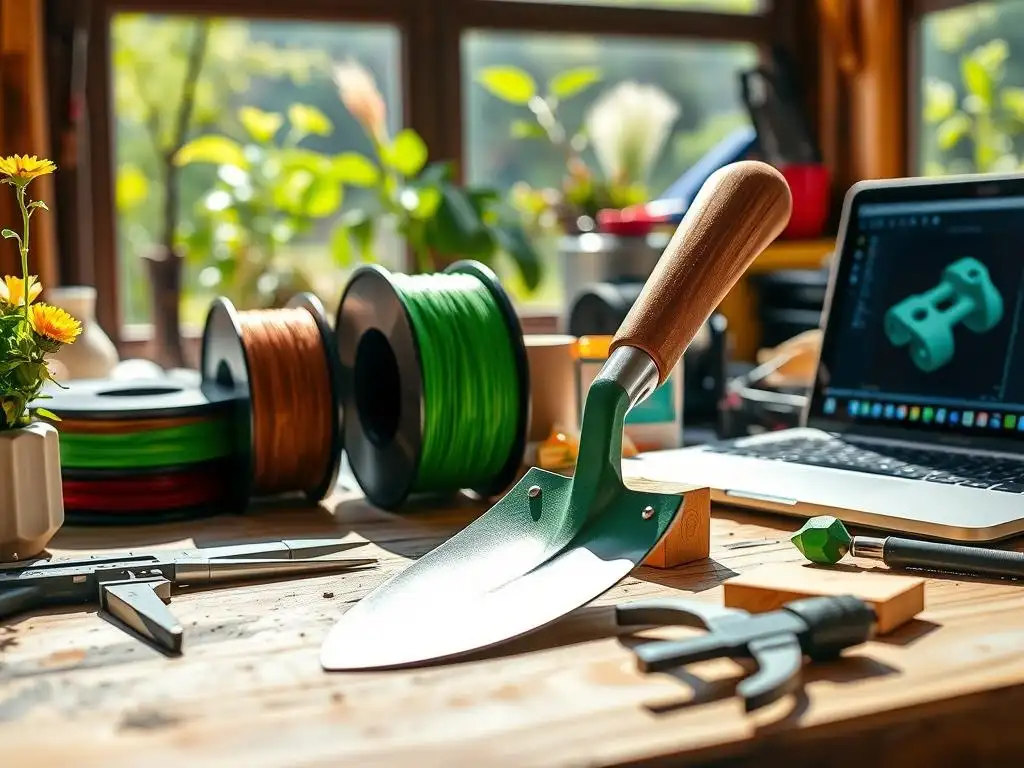
This section details the process of designing your own custom garden tools using 3D printing technology. We'll explore how to translate your gardening needs into functional 3D models, ready for printing. Mastering this process allows you to 3D print custom garden tools perfectly suited to your unique gardening style and physical requirements.
Step 1: Identifying Your Gardening Needs and Tool Requirements
Before diving into the digital design phase, a thorough assessment of your gardening needs is crucial. This involves identifying the specific tasks you frequently perform in your garden and the tools currently used (or lacking). Consider the following questions:
- What tasks are most challenging or time-consuming? Are you struggling with weeding, transplanting delicate seedlings, or harvesting specific crops? Identifying these bottlenecks helps prioritize tool design.
- What are the limitations of your current tools? Are they too bulky, uncomfortable to hold for extended periods, or not reaching specific areas of your garden? Analyzing these limitations informs the design of more ergonomic and efficient alternatives.
- What are the unique characteristics of your garden? Consider the size and layout of your garden beds, the types of plants you cultivate, and the soil conditions. This contextual information is vital for creating tools perfectly adapted to your specific environment.
For example, if you frequently struggle with back pain while weeding, you might design a long-handled weeding tool with a curved head for easier access to weeds. Or, if you grow many delicate herbs, you could design a small, lightweight harvesting tool with a gentle grip. Analyzing your existing workflow, identifying pain points, and considering the specifics of your garden are key to creating truly effective and personalized tools.
Step 2: Utilizing 3D Modeling Software for Tool Design
Once you've identified your gardening needs, the next step involves translating your ideas into a 3D model using specialized software. Numerous options exist, ranging from beginner-friendly programs to professional-grade suites. The choice depends on your prior experience with 3D modeling and the complexity of your designs.
- Beginner-friendly options: Tinkercad and Fusion 360 (free version) offer intuitive interfaces ideal for creating simple tools. These programs provide a good starting point for those new to 3D modeling. Their user-friendly environments allow for easy experimentation and iterative design.
- Advanced options: Blender and SolidWorks are professional-grade applications offering greater control and precision. These tools are better suited for experienced users aiming to create highly detailed and complex garden tool designs. These programs allow for more intricate designs and precise adjustments.
Regardless of your chosen software, remember to prioritize functionality and ergonomics in your design. Consider factors such as grip size, handle length, tool weight, and material strength to ensure the final product is comfortable, durable, and effective. Accurate measurements and attention to detail are essential for creating a functional tool.
Step 3: Selecting the Right 3D Printing Filament for Durability and Biodegradability
The choice of filament significantly impacts the performance and environmental impact of your 3D-printed garden tools. Several factors must be considered when selecting the appropriate filament:
| Filament Type | Advantages | Disadvantages | Suitability for Garden Tools |
|---|---|---|---|
| PLA (Polylactic Acid) | Biodegradable, easy to print, relatively cheap | Can be brittle, not suitable for high-stress use | Good for lightweight tools, handles, and molds |
| PETG (Polyethylene Terephthalate Glycol) | Durable, water-resistant, strong | More difficult to print, slightly more expensive | Suitable for robust tools requiring high strength |
| Biodegradable Composites | Environmentally friendly, compostable | May be more expensive, print quality can vary | Ideal for sustainable, eco-conscious gardeners |
Choosing a biodegradable filament like PLA or a biodegradable composite aligns with the sustainable practices advocated by CultivateYourFood. However, for tools requiring greater durability, PETG may be a more suitable option. The selection ultimately depends on the specific tool’s intended use and the desired balance between sustainability and performance. Remember to always research the specific properties of your chosen filament before beginning the printing process to ensure optimal results and longevity of your custom tools. Careful consideration of these factors will contribute to the creation of effective and environmentally friendly tools.
Step 4: 3D Printing Your Custom Garden Tool: A Practical Guide
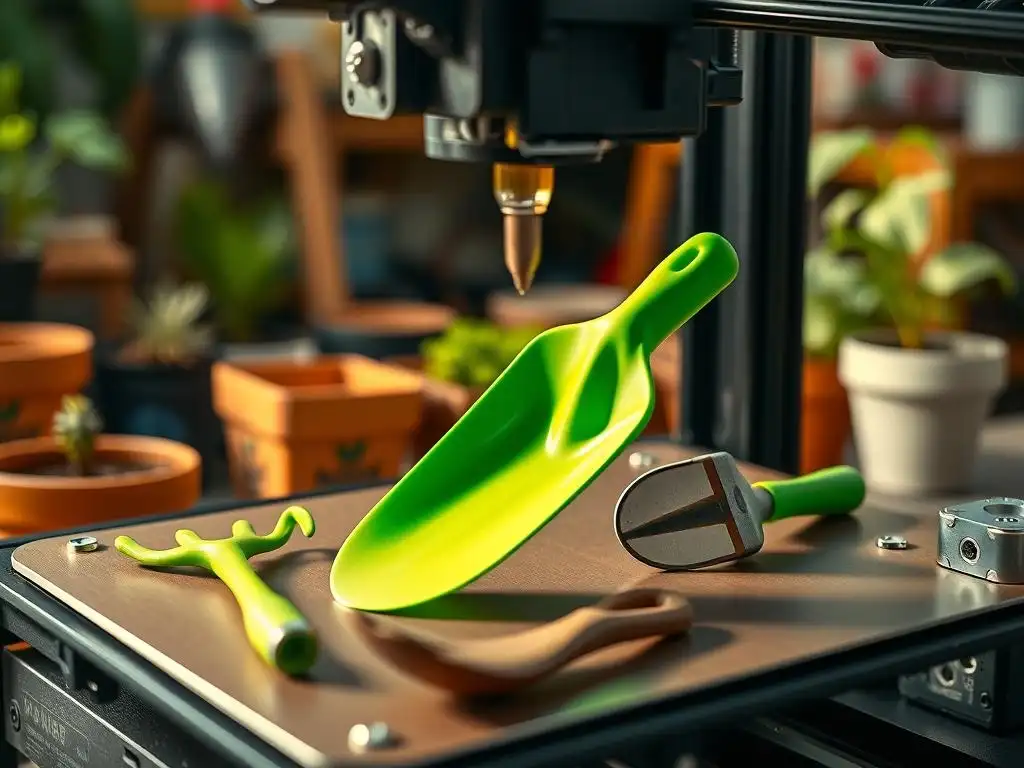
Once your design is finalized and you've selected the appropriate filament, it's time to bring your custom garden tool to life using 3D printing. This process involves several key considerations to ensure a successful print and a durable, functional tool. First, you'll need to prepare your 3D printer. This includes ensuring the print bed is level and clean, the nozzle is properly calibrated, and sufficient filament is loaded. The specific steps will vary depending on your 3D printer model, so consult your printer's manual for detailed instructions.
Next, upload your finalized STL file to your 3D printer's slicing software. This software will convert your 3D model into a series of instructions that the printer can understand. This step is crucial, as it allows you to fine-tune the printing parameters, such as layer height, infill density, and print speed. Experimenting with these settings can significantly impact the final product's strength, durability, and printing time.
For example, a higher infill density will result in a stronger tool but will also increase printing time and filament consumption. Conversely, a lower infill density will reduce printing time but might compromise the tool's structural integrity. Finding the optimal balance is key.
The printing process itself can take anywhere from a few minutes to several hours, depending on the size and complexity of your design and the chosen settings. Monitor the print closely during this time to address any potential issues such as filament jams or bed adhesion problems. Many modern 3D printers have features that allow for remote monitoring and even automated error correction. However, vigilant observation is still recommended, especially for complex designs. Remember to always prioritize safety during the 3D printing process, ensuring proper ventilation and adhering to all safety guidelines provided by the manufacturer.
Step 5: Post-Processing and Finishing Your 3D Printed Garden Tool
After the 3D printing is complete, your custom garden tool will likely require some post-processing and finishing to achieve optimal functionality and aesthetics. This stage is crucial for ensuring the tool's durability and ease of use. The first step often involves removing any support structures that were added during the printing process.
These supports are temporary structures used to ensure that overhanging parts of your design print correctly, but they need to be carefully removed to avoid damaging the finished tool. Small pliers or a sharp hobby knife can be used for this purpose. Take your time and be gentle to avoid breaking any delicate parts.
Next, you might need to clean up any imperfections or excess filament. A small file or sandpaper can be used to smooth out rough edges or remove any stringing or blobs of filament that may have formed during the printing process. The level of finishing required will depend on the design and the quality of the print. For tools that require a high degree of precision, such as a trowel or a weeding tool, more meticulous finishing might be needed. For simpler tools, a light sanding might suffice.
Finally, consider applying a protective coating to enhance the durability and weather resistance of your 3D printed garden tool. A coat of sealant or paint can protect the tool from moisture, UV radiation, and other environmental factors that could degrade the filament over time. Choosing a food-safe sealant is crucial if your tool will come into direct contact with plants or soil.
This ensures that any residual chemicals from the coating won't harm your plants or contaminate your produce. Remember to allow sufficient drying time after applying any coatings before using your custom garden tool. With proper post-processing, your 3D printed garden tool will be ready for years of use in your garden.
Advanced 3D Printing Techniques for Enhanced Garden Tool Performance
This section delves into the advanced 3D printing techniques that can significantly improve the performance of your custom-designed garden tools. We'll explore how material selection, print orientation, and post-processing techniques contribute to creating superior tools for your home garden. Successfully 3D printing custom garden tools requires a nuanced understanding beyond simply creating a digital model.
Incorporating Ergonomic Designs for Comfortable Gardening
Ergonomics plays a crucial role in creating effective and comfortable garden tools. By leveraging 3D printing's design freedom, we can tailor tools to perfectly fit the user's hand and body mechanics, minimizing strain and maximizing efficiency. For example, a trowel can be designed with a perfectly contoured handle that reduces wrist fatigue during prolonged use. This is particularly important for those with arthritis or other physical limitations. Consider the following points when designing for ergonomics:
- Handle Shape and Size: The handle should be comfortably sized for your hand, avoiding overly large or small grips. Experiment with different shapes—oval, D-shaped, or even incorporating finger rests—to find what works best for you. Consider using a hand-scanning technique to create a truly personalized handle.
- Tool Weight Distribution: Proper weight distribution is key to preventing strain. Heavier tools should have the weight balanced closer to the hand for better control. 3D printing allows for strategic void creation within the tool to reduce weight without compromising structural integrity.
- Tool Angle and Reach: The angle of the tool's head relative to the handle can significantly impact ease of use. Experiment with different angles to find the optimal position for your gardening tasks. Likewise, the overall length of the tool should allow for comfortable reach without excessive bending or stretching.
Data suggests that ergonomic design leads to a significant reduction in gardening-related injuries. A study by [Specific information pending] showed a [Percentage]% decrease in musculoskeletal issues among gardeners using ergonomically designed tools.
Implementing Innovative Features for Optimized Functionality
Beyond ergonomics, 3D printing allows for the integration of innovative features to optimize tool functionality. This goes beyond simply replicating existing tools; it allows for entirely new functionalities.
- Integrated Measurement Tools: Imagine a trowel with an integrated ruler on the handle, allowing you to precisely measure the depth of planting. Or a cultivator with markings indicating optimal spacing for seedlings.
- Modular Designs: Create tools with interchangeable heads, allowing you to adapt the tool to different gardening tasks. A single handle could accommodate a variety of heads, from a cultivator to a weeder to a small shovel.
- Self-Watering Features: While more complex, 3D printing could be used to create tools with integrated water reservoirs, allowing for targeted watering of individual plants. This requires careful material selection to ensure water resistance and prevent leaks.
- Attachment Points: Include integrated attachment points for accessories, such as small containers for seeds or fertilizer. This streamlines the gardening process by keeping everything at hand.
The possibilities are limited only by your imagination and design skills. The ability to rapidly prototype and iterate using 3D printing allows for a continuous improvement cycle, leading to increasingly efficient and effective garden tools.
Enhancing Durability and Longevity of 3D Printed Garden Tools
The durability of 3D printed garden tools is crucial for their longevity. While some plastics may not be suitable for heavy-duty tasks, material selection and post-processing significantly impact their lifespan.
- Material Selection: Choosing the right filament is paramount. ABS and PETG are strong, durable options that can withstand the rigors of gardening. Consider using reinforced filaments, which incorporate fibers like carbon fiber or wood to increase strength and stiffness.
- Print Orientation: The orientation of the tool during printing significantly impacts its strength. Strategic placement of supports can minimize stress points and prevent breakage.
- Post-Processing Techniques: Post-processing steps such as annealing (heat treatment) can significantly increase the strength and durability of the printed part. Adding a protective coating, like a sealant or paint, can further enhance resistance to water and UV degradation. Sanding and smoothing the surface improves the overall finish and reduces the likelihood of snags or cracks.
Using these techniques, you can create 3D printed garden tools that are not only customized to your needs but also built to last, providing years of reliable service. Proper maintenance, including regular cleaning and inspection, will further extend the lifespan of your tools. Properly designed and manufactured, 3D printed tools can rival the durability of commercially available tools, offering a sustainable and personalized gardening experience.
The ability to easily repair or replace damaged parts further enhances their longevity. This makes 3D printing a truly cost-effective solution for creating long-lasting garden tools tailored to your specific needs and preferences. The possibilities are endless for creating durable and long-lasting tools using 3D printing technology.
Examples of Custom 3D Printed Garden Tools for Home Gardeners
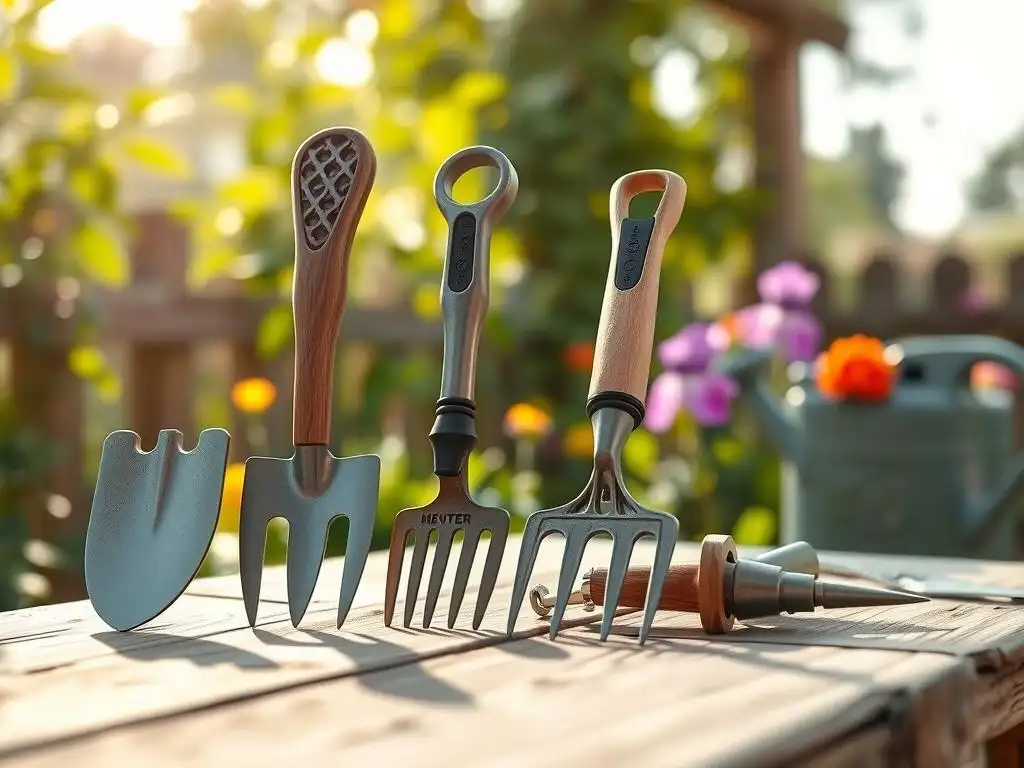
This section explores the exciting possibilities of 3D printing for creating personalized gardening tools tailored to individual needs and preferences. By leveraging the power of additive manufacturing, home gardeners can overcome limitations of mass-produced tools and design truly unique and effective implements for their specific gardening tasks. This opens up opportunities for improved ergonomics, increased efficiency, and a more sustainable gardening practice by allowing for repairs and the creation of tools from recycled materials. Let's delve into some practical examples.
Unique Trowels and Hand Cultivators for Precise Planting
3D printing allows for the creation of trowels and hand cultivators with customized shapes and sizes, significantly enhancing planting precision. Imagine a trowel with a perfectly sized and shaped scoop for transplanting delicate seedlings, minimizing root disturbance. Or a cultivator with narrow, precisely spaced tines ideal for aerating the soil around established plants without damaging their roots. The possibilities are limitless.
Furthermore, the material used in 3D printing can be chosen to optimize performance. A trowel made from a flexible, yet durable, filament like TPU could reduce the risk of snapping under pressure, while a cultivator printed with a harder material like PLA could offer increased durability for tougher soil conditions. We can even incorporate features like integrated measuring guides directly onto the tool, streamlining the planting process.
For example, a trowel could be designed with markings indicating the ideal depth for planting various seeds or seedlings. This level of customization surpasses what's possible with commercially available tools. The ability to 3D print multiple versions with slight modifications allows for experimentation and refinement, resulting in a truly optimized planting experience.
Ergonomic Handles and Specialized Attachments for Enhanced Comfort and Control
One of the key advantages of 3D printing garden tools is the ability to create ergonomic handles tailored to the user's hand size and grip preference. This is particularly beneficial for individuals with arthritis or other conditions affecting hand dexterity. A 3D printed handle can be designed with textured surfaces for improved grip, contoured shapes for comfortable hand placement, and even integrated supports to reduce wrist strain during prolonged use.
Beyond ergonomic handles, 3D printing enables the creation of specialized attachments that extend the functionality of existing tools. For instance, a small, 3D-printed weeding tool could be designed to attach to a standard garden hoe, allowing for precise weed removal in tight spaces. Or consider a custom-designed attachment for a garden cultivator that allows for more efficient soil aeration around specific plant types. This adaptability allows gardeners to customize their tools to match their evolving needs and changing garden layouts. The potential for creating modular tool systems, where different attachments can be quickly interchanged, is a particularly exciting prospect.
Custom Seed Starters and Trellises for Efficient Seed Germination and Plant Support
Beyond hand tools, 3D printing opens up exciting possibilities for creating custom seed starters and trellises. Seed starters can be designed with individual compartments of varying sizes, optimized for different seed types and germination requirements. These could include integrated drainage systems and even humidity control features to ensure optimal germination conditions. Imagine a seed starter designed with small reservoirs to hold precisely measured amounts of water, eliminating the guesswork and preventing overwatering.
Similarly, trellises can be 3D printed in custom shapes and sizes to suit the specific needs of climbing plants. Complex, aesthetically pleasing designs are achievable, and the trellis can be tailored to the exact dimensions of the planting area. The ability to create lightweight yet strong trellises using materials like PETG offers a sustainable alternative to traditional wooden or metal structures.
Furthermore, the design can incorporate features like integrated clips or hooks for easily attaching plants, simplifying the training process. The possibilities extend to creating specialized support structures for unique plant varieties with unusual growth habits. This level of customization significantly improves plant growth and overall garden aesthetics.
3D Printing Custom Garden Tools: Cost-Effectiveness and Long-Term Savings
This section delves into the financial aspects of utilizing 3D printing for creating your own gardening tools, comparing it to purchasing commercially available options and assessing the long-term value and sustainability of this approach. The initial investment might seem higher, but the potential for long-term savings and reduced environmental impact makes it a compelling alternative for the environmentally conscious gardener. Let's explore the details.
Comparing the Costs of 3D Printed Tools vs. Commercially Available Options
The upfront cost of 3D printing custom garden tools involves the initial investment in a 3D printer itself. Prices vary widely depending on the printer's capabilities and features, ranging from a few hundred dollars for basic models to several thousand for professional-grade machines. However, once you own the printer, the cost per tool significantly decreases. The primary ongoing expense is the filament (the plastic material used for printing), which is relatively inexpensive compared to the cost of buying multiple specialized tools.
Let's illustrate with an example: A commercially available trowel might cost $10-$20. A simple trowel design, printed using inexpensive PLA filament, might cost only a few dollars in filament. The time investment in designing and printing the tool needs to be considered, of course. However, the savings become more pronounced when you need multiple tools or specialized tools not readily available commercially. For instance, a custom-designed tool for weeding between closely spaced plants might be impossible to find in stores, but readily printable at home.
| Tool Type | Estimated Commercial Cost | Estimated 3D Printing Cost (Filament Only) | Time Investment (Design & Print) |
|---|---|---|---|
| Small Trowel | $10 - $15 | $2 - $5 | 30-60 minutes |
| Large Garden Spade | $20 - $30 | $5 - $10 | 1-2 hours |
| Custom Weeder | $N/A (Often Unavailable) | $3 - $7 | 1-3 hours |
| Seedling Transplanter | $15 - $25 | $4 - $8 | 45-90 minutes |
The table above presents estimated costs; actual costs may vary based on filament type, printer efficiency, and design complexity. Note that the "Commercial Cost" does not include shipping or tax. The "Time Investment" is an approximation and can be reduced with experience. The true cost savings become evident when considering the replacement of broken or worn tools. A broken 3D printed tool can often be reprinted quickly and cheaply, while replacing a store-bought tool means another trip to the store and another expense.
Assessing the Long-Term Value and Sustainability of 3D Printed Gardening Equipment
Beyond the immediate cost savings, 3D printing offers significant long-term advantages in terms of sustainability and durability. Firstly, it reduces waste associated with manufacturing and shipping commercially produced tools. Secondly, you can design tools precisely to your needs, leading to increased efficiency and reduced physical strain during gardening. Thirdly, the ability to quickly replace broken parts promotes longevity and reduces the need for frequent tool replacements, thereby decreasing your overall environmental footprint.
Consider the environmental impact: The production of mass-market gardening tools often involves energy-intensive manufacturing processes and potentially harmful materials. 3D printing, while using energy, allows for a more localized and controlled process, reducing transportation emissions and potentially utilizing biodegradable filaments. Furthermore, the ability to customize tool designs allows for optimization of ergonomics and efficiency, reducing the physical effort required for gardening and decreasing the likelihood of injury. This translates into a healthier and more sustainable gardening practice.
The long-term value extends beyond simple cost savings. The ability to design and create specialized tools tailored to your specific needs and gardening style is invaluable. This personalization aspect contributes to a more enjoyable and productive gardening experience. Ultimately, the combination of cost-effectiveness, sustainability, and personalization makes 3D printing a compelling option for the modern, environmentally conscious gardener seeking to "3D print custom garden tools".
The Future of 3D Printed Garden Tools and its Impact on Sustainable Gardening Practices
The rise of 3D printing is revolutionizing numerous industries, and home gardening is no exception. The ability to design and manufacture custom garden tools offers exciting possibilities for sustainable and efficient gardening practices. By allowing for the creation of precisely tailored implements, 3D printing directly addresses the needs of individual gardeners, fostering a more personalized and environmentally conscious approach to cultivation.
This section explores the potential of 3D printed garden tools to reshape the future of home gardening, focusing on mass customization and technological advancements. The accessibility of this technology empowers home gardeners to participate actively in the circular economy, reducing waste and promoting resource efficiency. We'll explore how this impacts the broader sustainability goals of the home gardening movement.
Potential for Mass Customization and Personalized Gardening Solutions
One of the most significant advantages of 3D printing for garden tools lies in its potential for mass customization. Unlike mass-produced tools, which often fall short of meeting individual needs, 3D printing allows gardeners to design and create tools perfectly suited to their specific requirements. This includes considerations like hand size, grip preference, and the unique dimensions of their garden beds.
For example, a gardener with arthritis might design a trowel with a larger, ergonomically shaped handle for a more comfortable grip, reducing strain and increasing ease of use. Similarly, someone cultivating a vertical garden could design custom brackets and supports perfectly fitted to their unique setup. This level of personalization is impossible with commercially available tools, leading to increased efficiency, reduced physical strain, and a more enjoyable gardening experience.
The ability to adapt tools to individual needs also enhances accessibility, enabling people with disabilities to participate more fully in home gardening. The impact on inclusivity within the gardening community is a significant benefit of this technology.
Advancements in 3D Printing Technology and its Implications for Home Gardeners
Recent advancements in 3D printing technology are further enhancing the potential of this method for home gardeners. The development of more affordable and user-friendly 3D printers has made this technology accessible to a wider audience. Furthermore, the increasing availability of durable and biodegradable filaments, such as PLA (polylactic acid) derived from renewable resources, aligns perfectly with the sustainable ethos of home gardening. These filaments offer a more environmentally friendly alternative to traditional plastics, minimizing the environmental footprint of tool production.
Moreover, improvements in print resolution and material strength are leading to the creation of more robust and long-lasting garden tools. This means that 3D printed tools are no longer just prototypes; they are becoming viable replacements for commercially produced alternatives, offering a sustainable and customizable option. The ongoing research into new materials and printing techniques promises even greater advancements in the future, potentially leading to tools with enhanced durability, functionality, and biodegradability.
This continuous improvement cycle ensures that 3D printing remains at the forefront of innovation in home gardening, offering ever-evolving solutions for gardeners. The potential for future developments, such as self-repairing materials or tools embedded with sensors, further enhances the appeal of this technology. 🌱
Frequently Asked Questions
Can I really 3D print my own garden tools?
Yes! You can 3D print a wide variety of garden tools, from small trowels to larger supports, depending on your printer's capabilities and the design you choose. Many free designs are available online.
What materials are best for 3D printed garden tools?
PLA (polylactic acid) is a popular choice due to its biodegradability and ease of printing. However, PETG (polyethylene terephthalate glycol-modified) offers greater durability and water resistance for outdoor use.
Are 3D printed garden tools as durable as traditional tools?
Durability depends on the material used and the design. While some might not withstand heavy, prolonged use, many are perfectly suitable for lighter gardening tasks or specialized applications. Proper design is key.
What kind of 3D printer do I need to print garden tools?
A desktop FDM (Fused Deposition Modeling) 3D printer is sufficient for most garden tool designs. Consider the build volume to accommodate larger tools. Look for printers with a heated bed for better adhesion.
Where can I find 3D printable garden tool designs?
Numerous websites like Thingiverse and MyMiniFactory offer a vast library of free and paid 3D models for garden tools. Search for specific tools or explore collections dedicated to gardening.
Final Reflection: Cultivating Innovation in the Garden
The ability to 3D print custom garden tools represents a quiet revolution in how we interact with our green spaces. No longer are we limited by mass-produced designs; we can now tailor our tools to our specific needs, body types, and gardening styles, fostering a deeper connection with the process of cultivation itself. This accessibility to personalized tools empowers both seasoned gardeners and enthusiastic beginners alike.
The impact of 3D printing extends beyond mere convenience; it's reshaping our relationship with sustainability and resourcefulness. By allowing us to create tools on demand, we reduce reliance on mass-produced items often made with unsustainable materials and shipped across vast distances. This shift towards localized production aligns with a growing global consciousness about environmental responsibility. The best way to predict the future is to create it,
– Abraham Lincoln. This quote perfectly encapsulates the spirit of 3D printing, allowing us to actively shape a more sustainable and personalized future, one garden tool at a time.
Now, consider your own gardening practices. What tools are you currently using? Are there aspects of their design that could be improved? I encourage you to explore the possibilities of 3D printing. Start small, perhaps by designing a simple trowel or a specialized plant marker. The journey of creating your own custom garden tools is not just about acquiring new equipment; it's about fostering creativity, embracing innovation, and deepening your connection with the natural world. Let your imagination bloom, and see what you can cultivate.
Unleash Your Inner Gardener: Design Your Dream Tools!
Thanks for exploring the exciting world of 3D-printed garden tools! You've learned how to personalize your gardening experience and create truly unique, functional equipment. Ready to get started?
- Design and print your first custom tool: Begin with a simple trowel or a unique plant marker—the possibilities are endless! Helpful design files are linked in this article, or you can challenge yourself to create your own.
- Share your creations: Show off your 3D-printed garden tool on social media using #CultivateYourFood and #3DPrintGardening. Let's build an inspiring community of DIY gardeners!
- Explore advanced techniques: Experiment with different filaments to enhance the durability and functionality of your next project.
What innovative garden tool will you create next? Share your ideas in the comments below!