
Disease Detection Tech: Early Warning Systems for Plant Health

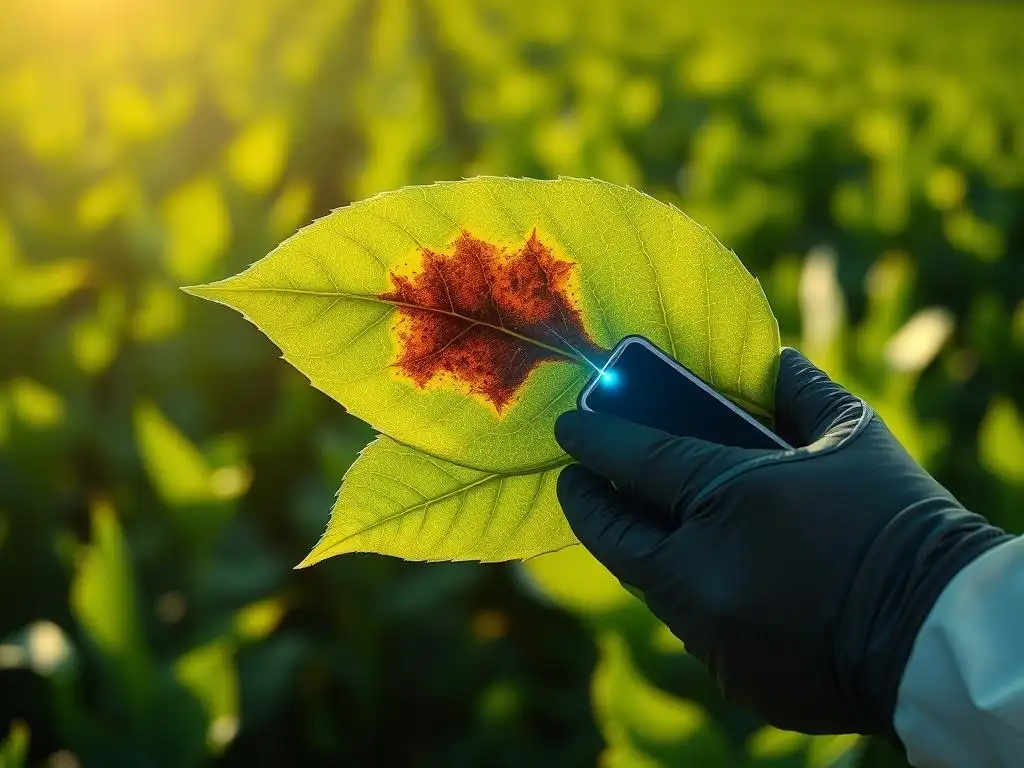
Welcome to CultivateYourFood, your guide to a thriving, sustainable garden! Are you ready to revolutionize your homegrown harvest? We're diving into the future of home gardening with Plant disease detection technology, offering early warning systems that can safeguard your precious fruits, vegetables, and herbs. Discover how this innovative approach can help you achieve bountiful yields while keeping your plants healthy and strong. Let's explore the exciting possibilities together!
- The Growing Need for Plant Disease Detection Technology in Home Gardens
- Types of Plant Disease Detection Technology
- Implementing Plant Disease Detection Technology in Your Home Garden
- The Future of Plant Disease Detection Technology
- Frequently Asked Questions
- Final Reflection: The Future of Farming Rests on Early Detection
- Unlock Your Garden's Potential: Take Action for Healthier Plants
The Growing Need for Plant Disease Detection Technology in Home Gardens
Home gardening, a practice experiencing a significant resurgence globally, faces numerous challenges. Maintaining healthy plants, free from disease and pests, is paramount for successful harvests and the overall enjoyment of the hobby. Traditional methods of plant disease identification often rely on visual inspection and experience, which can be subjective, time-consuming, and prone to misdiagnosis, potentially leading to significant crop losses.
The increasing popularity of sustainable and organic gardening practices further complicates matters, as chemical pesticides are often avoided, necessitating more precise and timely interventions. This article explores the rise of plant disease detection technology as a crucial tool for modern home gardeners, offering early warning systems and enabling proactive disease management for healthier, more productive gardens. We will examine the challenges of traditional methods, the importance of early detection, and the broader economic and environmental implications of plant diseases in the home garden setting.
The adoption of these advanced technologies is no longer a luxury but a necessity for ensuring the long-term health and sustainability of homegrown produce. This is particularly relevant for the growing number of urban and suburban gardeners who may lack extensive horticultural expertise. The use of technology allows for informed decisions, leading to increased yields and reduced environmental impact.
Challenges of Traditional Plant Disease Identification
Traditional methods of identifying plant diseases often rely heavily on the gardener's experience and visual inspection. This approach presents several key challenges:
- Subjectivity: Visual symptoms can be subtle or easily confused with other issues like nutrient deficiencies or environmental stress. A novice gardener might misinterpret symptoms, leading to delayed or incorrect treatment.
- Time Consumption: Accurately identifying a disease often requires extensive research, comparing symptoms to reference materials, and potentially consulting experts. This process can be time-consuming, especially when dealing with multiple plants or a large garden.
- Inaccuracy: Similar symptoms can manifest in various diseases, making visual identification prone to errors. An incorrect diagnosis can lead to ineffective treatment, allowing the disease to spread and potentially cause irreversible damage.
- Lack of Accessibility: Expert advice is not always readily available or affordable, particularly for home gardeners. This limits the ability to obtain accurate diagnoses and effective treatment strategies.
The limitations of traditional methods highlight a critical need for more accurate and accessible diagnostic tools. Plant disease detection technology offers a solution, providing faster, more reliable diagnoses and facilitating timely interventions.
Early Detection: Key to Preventing Widespread Plant Disease
Early detection is crucial in preventing the widespread outbreak of plant diseases. The earlier a disease is identified, the more effective treatment can be, minimizing crop losses and preventing the spread to other plants. Traditional methods often fail to provide early warnings, as symptoms may not be visible until the disease is already well-established. Plant disease detection technology, however, offers several advantages in this regard:
- Faster Detection: Some technologies can detect pathogens even before visible symptoms appear, allowing for immediate action.
- Increased Accuracy: Advanced technologies offer higher diagnostic accuracy compared to visual inspection, ensuring that the correct treatment is applied.
- Proactive Management: Early detection enables proactive disease management, minimizing the need for extensive interventions later.
- Reduced Crop Losses: Early intervention significantly reduces the risk of substantial crop losses due to disease.
The ability to detect diseases early is a game-changer for home gardeners, allowing them to protect their investment and enjoy the fruits (and vegetables!) of their labor.
The Economic and Environmental Impact of Plant Diseases on Home Gardens
Plant diseases can have a significant economic and environmental impact on home gardens. Crop losses translate directly to financial losses for the gardener, impacting the yield and value of the harvest. Furthermore, the use of chemical pesticides to combat diseases can have detrimental environmental consequences, harming beneficial insects and potentially contaminating soil and water.
- Economic Losses: Disease outbreaks can lead to significant reductions in crop yields, resulting in substantial financial losses for the home gardener.
- Environmental Impact: The overuse of chemical pesticides can harm beneficial insects, disrupt the ecosystem balance, and pollute the environment.
- Reduced Food Security: Disease-related crop losses can contribute to reduced food security, especially for those who rely on homegrown produce.
- Increased Water Consumption: Treating diseased plants may require increased water consumption, adding to water waste.
Plant disease detection technology offers a sustainable alternative, allowing for early intervention and reducing the reliance on chemical pesticides, promoting environmentally friendly gardening practices. The long-term economic and environmental benefits of implementing these technologies are undeniable. By minimizing crop losses and reducing the need for chemical interventions, these technologies contribute to a healthier and more sustainable approach to home gardening.
Types of Plant Disease Detection Technology
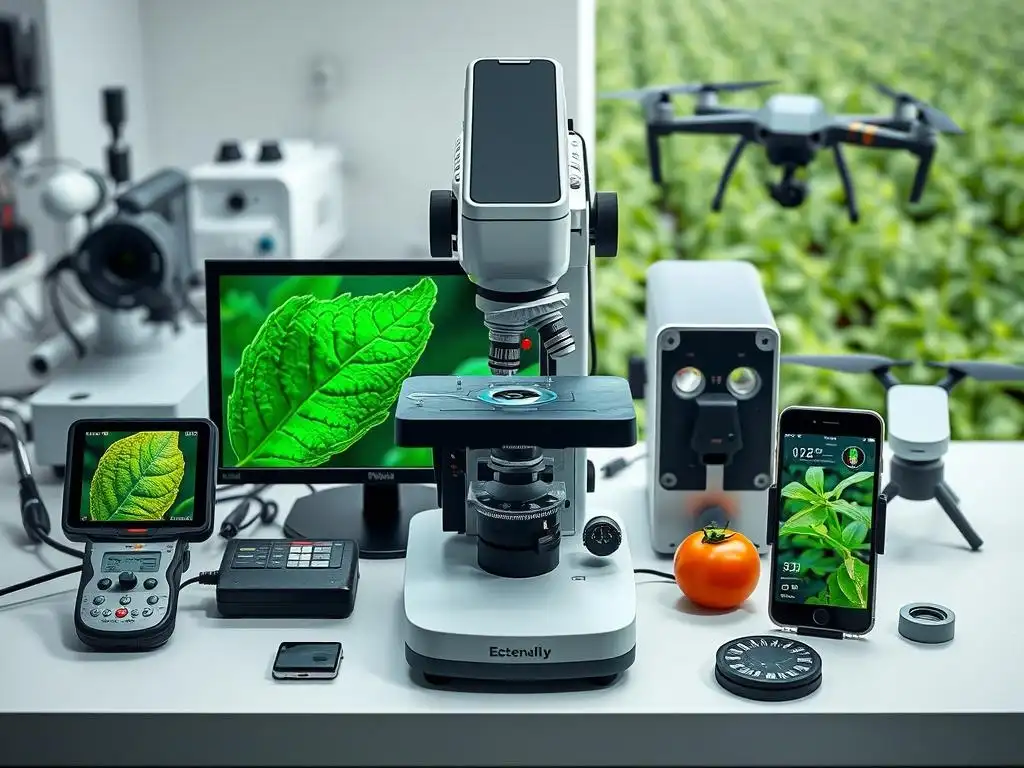
This section delves into the diverse range of plant disease detection technology currently available, focusing on the practical applications and benefits for home gardeners seeking to cultivate healthy, thriving plants. Understanding these technologies empowers you to make informed decisions about protecting your crops and maximizing yield, aligning with our commitment to sustainable and organic gardening practices. We'll explore the different approaches to early disease detection, highlighting the advantages and limitations of each method. Effective plant disease detection is crucial for successful organic gardening, minimizing the need for harsh chemical interventions.
Visual Inspection Tools and Smartphone Apps for Plant Disease Diagnosis
Visual inspection remains a cornerstone of plant disease detection. However, the accuracy and efficiency of this method have been significantly enhanced by the development of specialized tools and user-friendly smartphone applications. These apps leverage image recognition technology to analyze pictures of plants, comparing them to a vast database of known diseases. Early detection is key, and these tools can help accelerate the identification process.
Several apps offer detailed guides on diagnosing common plant diseases based on visual symptoms. For example, a user might photograph a leaf exhibiting yellowing and discoloration. The app could then suggest potential causes, such as nutrient deficiencies or fungal infections, and provide information on appropriate organic remedies. This empowers home gardeners to take timely action, preventing minor problems from escalating into significant crop losses.
The accuracy of these apps varies depending on factors such as image quality, the clarity of symptoms, and the comprehensiveness of the app's database. However, they represent a significant advancement in accessible plant disease detection technology for the average home gardener. It's crucial, however, to always corroborate the app's diagnosis with additional information from reliable sources.
Some apps also incorporate features such as symptom tracking and personalized recommendations tailored to the specific plants in your garden. This personalized approach further enhances the practical utility of these tools, making them an invaluable asset for both novice and experienced gardeners. The ease of use and accessibility of these smartphone applications make them particularly relevant for the growing number of home gardeners embracing technology to improve their gardening practices. These apps contribute to the broader goal of efficient and effective plant disease management within sustainable home gardening.
AI-Powered Image Recognition for Plant Disease Detection
Artificial intelligence (AI) is revolutionizing plant disease detection, offering significant improvements in accuracy and speed compared to traditional methods. AI-powered image recognition systems analyze plant images with a level of sophistication far exceeding human capabilities, identifying subtle variations in color, texture, and shape that might indicate the presence of a disease. These systems are trained on massive datasets of plant images, enabling them to recognize a wide range of diseases with high accuracy. The AI algorithms continuously learn and improve their diagnostic capabilities as more data is added, resulting in increasingly accurate and reliable disease detection.
The use of AI in plant disease detection offers several advantages. Firstly, it significantly reduces the time and effort required for diagnosis. Secondly, the objective nature of AI-based analysis minimizes the risk of human error. Thirdly, AI systems can analyze images from various sources, including drone imagery and satellite data, providing a broader perspective on plant health across larger areas.
For home gardeners, the accessibility of AI-powered diagnostic tools through smartphone apps or online platforms is increasingly enhancing disease detection capabilities. These tools translate complex scientific analysis into user-friendly interfaces, enabling even inexperienced gardeners to quickly identify potential problems. The integration of AI into plant disease detection represents a significant leap forward in the field, offering a powerful tool for sustainable and efficient home gardening.
Sensor-Based Systems for Monitoring Plant Health and Detecting Disease
Beyond visual inspection and AI-powered image analysis, sensor-based systems offer another approach to plant disease detection. These systems utilize various sensors to monitor key plant parameters, such as soil moisture, temperature, and nutrient levels. Variations from optimal ranges can indicate stress, which may be a precursor to disease. While not directly identifying specific diseases, these systems provide early warnings of potential problems, allowing for timely interventions.
Several types of sensors are used in these systems. Soil moisture sensors measure the water content of the soil, helping to prevent both overwatering and underwatering, both of which can weaken plants and make them more susceptible to disease. Temperature sensors monitor environmental conditions, alerting gardeners to extreme temperatures that might stress plants. Nutrient sensors measure the levels of essential nutrients in the soil, identifying potential deficiencies that can compromise plant health and increase susceptibility to disease. These sensors can be integrated into automated irrigation and fertilization systems, providing a comprehensive approach to plant health management.
The data collected by these sensors can be analyzed using sophisticated algorithms to detect subtle changes in plant physiology that might indicate the onset of disease. This approach allows for early intervention, potentially preventing significant crop losses. The integration of sensor data with AI-powered image recognition systems can further enhance the accuracy and effectiveness of plant disease detection.
While the initial investment in sensor-based systems might be higher than for other methods, the long-term benefits in terms of improved plant health and reduced crop losses can be substantial, particularly for serious home gardeners. The combination of sensors and AI represents a powerful approach to proactive plant health management within the realm of sustainable home gardening.
Spectroscopic Techniques for Early Disease Detection in Plants
Spectroscopic techniques offer a non-destructive and rapid method for early plant disease detection. These methods analyze the interaction of electromagnetic radiation with plant tissues to identify subtle changes indicative of disease before visible symptoms appear. Different wavelengths of light interact differently with healthy and diseased tissues, revealing spectral signatures unique to specific pathogens or stress conditions. This allows for early intervention, potentially preventing significant yield losses and reducing the need for chemical treatments.
One prominent spectroscopic technique is hyperspectral imaging (HSI). HSI captures images across a wide range of wavelengths, far beyond what the human eye can perceive. By analyzing the spectral reflectance or transmittance of plant leaves, HSI can identify subtle changes in leaf pigments, water content, and other biochemical components associated with disease.
For example, a slight decrease in chlorophyll content, often an early sign of infection, can be readily detected by HSI, even before visual symptoms like discoloration become apparent. The high dimensionality of HSI data requires sophisticated data processing and analysis techniques, often employing machine learning algorithms to classify healthy and diseased plants effectively.
This allows for the creation of comprehensive spectral libraries for different plant species and pathogens, improving the accuracy and reliability of disease detection. Researchers are actively exploring the use of HSI in detecting various plant diseases, including early blight in tomatoes and downy mildew in grapes, demonstrating its potential for widespread application in precision agriculture and home gardening.
Another valuable spectroscopic technique is near-infrared (NIR) spectroscopy. NIR spectroscopy is a simpler and more cost-effective method compared to HSI, making it potentially more accessible for home gardeners. NIR spectroscopy uses light in the near-infrared region of the electromagnetic spectrum to analyze the chemical composition of plant tissues.
Similar to HSI, changes in the spectral signature of plant leaves can indicate the presence of disease. While NIR spectroscopy may not provide the same level of detailed information as HSI, its speed and affordability make it a valuable tool for rapid screening of large numbers of plants. Portable NIR spectrometers are becoming increasingly available, further enhancing the practicality of this technology for home growers who want to monitor the health of their crops.
The development of user-friendly software and readily available spectral libraries also contributes to the ease of use of NIR spectroscopy for non-experts. However, the accuracy of NIR spectroscopy can be affected by factors such as environmental conditions and plant maturity, highlighting the need for careful calibration and data interpretation.
The application of spectroscopic techniques in plant disease detection is constantly evolving. Researchers are actively working on improving the sensitivity and specificity of these methods, developing more robust algorithms for data analysis, and creating user-friendly interfaces for easier implementation in various settings.
The integration of spectroscopic techniques with other technologies, such as drones and mobile apps, promises to further enhance the accessibility and effectiveness of plant disease detection in home gardens and beyond, paving the way for more sustainable and efficient agricultural practices. The future likely holds even more sophisticated and easily accessible spectroscopic tools for the everyday gardener, empowering them to proactively manage plant health and maximize yields.
Implementing Plant Disease Detection Technology in Your Home Garden
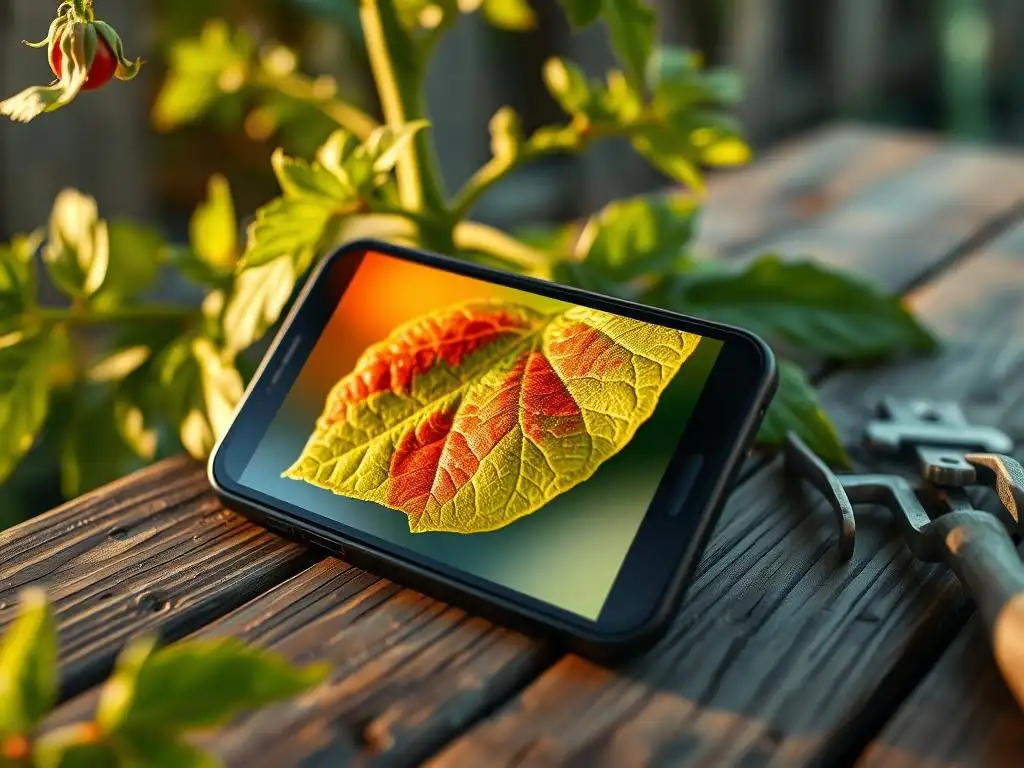
This section delves into the practical application of plant disease detection technology within the context of your home garden. We'll explore how to select appropriate technology based on your specific needs and budget, how to set up and use these systems effectively, and finally, how to interpret the results and take appropriate action to protect your plants.
Effective utilization of these technologies can significantly improve your gardening success and reduce reliance on potentially harmful chemical treatments, aligning with our commitment to sustainable and organic practices. The adoption of plant disease detection technology represents a significant step towards precision agriculture, even on a small scale.
Choosing the Right Technology for Your Needs and Budget
The market offers a variety of plant disease detection technologies, each with its own strengths and weaknesses. The best choice for you will depend on factors such as the size of your garden, the types of plants you grow, your technical expertise, and, of course, your budget.
Some options include:
- Smartphone Apps with Image Recognition: Many readily available apps utilize image recognition AI to identify potential diseases based on photos of your plants. These are generally inexpensive (often free), easy to use, and require minimal setup. However, their accuracy can vary, and they might not identify all diseases. They are best suited for smaller gardens and beginners.
- Specialized Sensors: More advanced systems use sensors to monitor various plant parameters, such as soil moisture, temperature, and light levels. Changes in these parameters can be indicative of stress, which may precede disease onset. These sensors often require a higher initial investment but provide a more proactive approach to plant health management. Data can be analyzed to predict potential problems before visible symptoms appear.
- Advanced Imaging Systems: High-resolution cameras and spectral imaging techniques offer the most precise disease detection. These systems can identify subtle changes in plant tissues that are invisible to the naked eye, allowing for early intervention. However, this level of technology is typically expensive and requires specialized knowledge to operate and interpret the results. This is best suited for larger gardens or commercial operations.
| Technology Type | Cost | Accuracy | Ease of Use | Ideal for |
|---|---|---|---|---|
| Smartphone Apps | Low | Moderate | High | Beginners, small gardens |
| Specialized Sensors | Medium | High | Medium | Intermediate users, medium gardens |
| Advanced Imaging Systems | High | Very High | Low | Experts, large gardens |
Choosing the right technology involves carefully weighing these factors. Start by assessing your gardening goals and resources to determine the most appropriate level of technology for your needs.
Setting up and Using Plant Disease Detection Systems
Once you've chosen a system, proper setup and usage are crucial for accurate results. Let's examine the process for two common types: smartphone apps and specialized sensors.
Smartphone Apps: Using a smartphone app is straightforward. Simply download the app, take clear photos of your plants (ensuring good lighting and focusing on affected areas), and upload them to the app. Follow the app's instructions for providing additional information, such as plant type and location.
Specialized Sensors: Setting up sensors typically involves installing them in your garden according to the manufacturer's instructions. This might involve placing soil moisture sensors in the soil near your plants, attaching leaf temperature sensors to leaves, or installing light sensors at various locations. Many systems require connecting the sensors to a central hub or computer for data collection and analysis. Regular calibration is crucial for accurate readings. Data logging and analysis will often require specialized software. Understanding the nuances of each sensor type and how to interpret the data is key.
Interpreting Results and Taking Action
The interpretation of results varies depending on the technology used.
Smartphone Apps: These apps usually provide a diagnosis based on image analysis, suggesting potential diseases and recommended treatments. It's important to remember that these are only suggestions, and you should always verify the diagnosis with other sources before taking action.
Specialized Sensors: Sensor data provides a more holistic view of plant health. Unusual patterns in temperature, moisture, or light levels can indicate stress or disease, even before visible symptoms appear. This allows for timely intervention, preventing further damage. Analyzing trends in the data is essential for understanding the broader context of plant health.
Regardless of the technology used, taking appropriate action is crucial. This may involve:
- Adjusting watering practices
- Improving soil drainage
- Applying organic treatments
- Removing infected plant parts
- Implementing preventative measures
- Consulting with a gardening expert if necessary
Remember, plant disease detection technology is a tool to assist you, not replace your judgment and observation skills. Combine technology with your own horticultural knowledge for the best results in maintaining a healthy and thriving garden. 🌱
Integrating Technology with Sustainable Gardening Practices
Integrating plant disease detection technology into your home garden doesn't have to conflict with sustainable practices. In fact, early detection can reduce the need for harsh chemical interventions. By identifying diseases early, you can implement less invasive solutions, such as targeted pruning or the introduction of beneficial insects, significantly minimizing the environmental impact. This approach aligns perfectly with organic gardening principles, focusing on prevention and natural remediation rather than reactive chemical applications.
For example, imagine detecting early signs of powdery mildew on your zucchini plants. A traditional approach might involve spraying a broad-spectrum fungicide, potentially harming beneficial insects and contaminating the soil. However, with early detection technology, you could promptly remove affected leaves, improving air circulation to prevent further spread, and potentially introducing beneficial microbes to the soil to strengthen plant immunity. This targeted approach reduces the need for potentially harmful chemicals and promotes a healthier garden ecosystem.
Furthermore, some plant disease detection technologies are designed to minimize resource consumption. For instance, many smartphone apps using image recognition require minimal energy and data to operate, reducing your carbon footprint compared to more energy-intensive methods. The overall goal is to leverage technology to enhance efficiency and minimize the environmental impact of disease management.
This synergistic approach allows you to maintain a healthy and productive garden while adhering to your sustainable gardening ethos. The long-term benefits of preventing widespread disease outbreaks far outweigh the minimal energy used by these technologies. Choosing technologies that use minimal resources and require less intervention is crucial for aligning technological advancements with sustainable practices.
The Future of Plant Disease Detection Technology
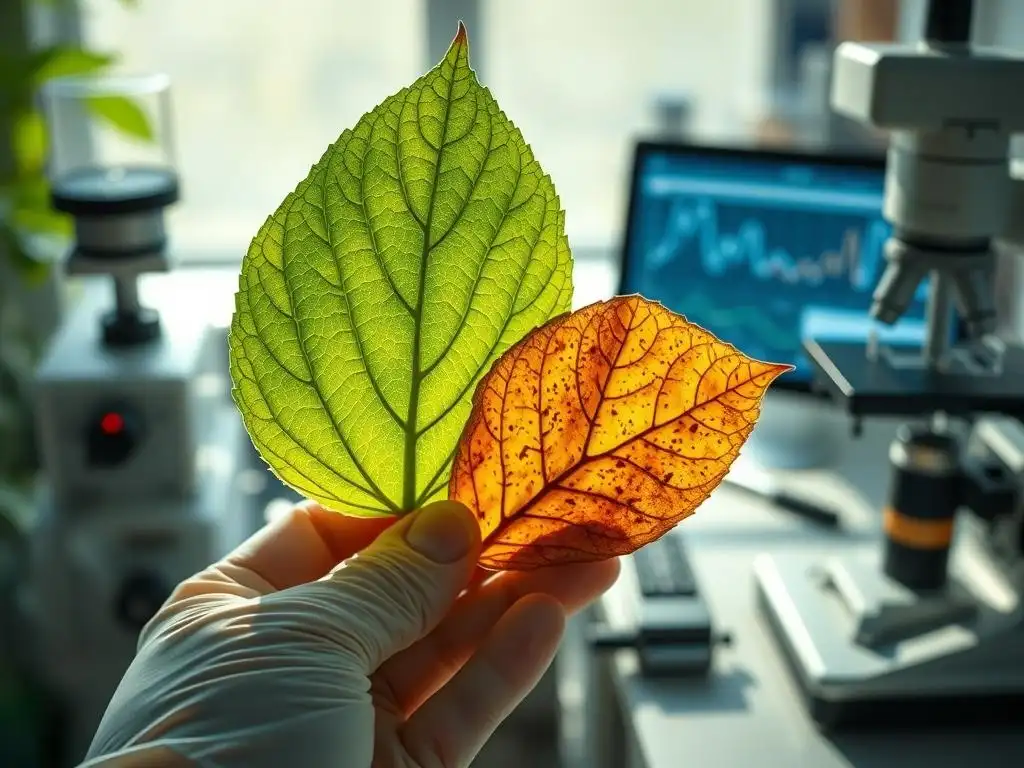
This section explores the exciting advancements shaping the future of plant disease detection technology, focusing on how these innovations are making home gardening more efficient and sustainable. We'll examine the key roles of artificial intelligence, affordability, and data analysis in revolutionizing plant health monitoring and management. The effective use of plant disease detection technology is crucial for maximizing yields and minimizing losses for home gardeners, ensuring healthier and more productive harvests.
Advancements in AI and Machine Learning for Plant Health Monitoring
Artificial intelligence (AI) and machine learning (ML) are rapidly transforming plant disease detection. Early detection is paramount, allowing for timely intervention and preventing widespread outbreaks. AI-powered systems analyze images and data from various sensors to identify subtle signs of disease, often before they become visible to the naked eye. This early warning system is a game-changer for home gardeners.
For example, consider a system that uses image recognition to analyze leaf photos. The algorithm is trained on a vast dataset of healthy and diseased plants, learning to identify patterns indicative of specific diseases. Even minute variations in color, texture, or shape can trigger an alert. This allows for swift action, minimizing the damage and preventing the spread of the disease.
Furthermore, some advanced systems can even differentiate between various disease strains, offering more precise treatment recommendations. The accuracy of these AI-driven systems is constantly improving, with ongoing research focused on improving their ability to handle diverse environmental conditions and plant varieties. This increased precision and speed greatly benefit home gardeners, who can act quickly and effectively to protect their crops.
Development of More Affordable and Accessible Technologies
While sophisticated AI-powered solutions offer unparalleled precision, their high cost can be a barrier for many home gardeners. However, significant advancements are being made to develop more affordable and accessible plant disease detection technologies. The focus is on creating user-friendly devices and software that are cost-effective without compromising accuracy.
One promising avenue is the development of smartphone-based applications. These apps utilize the camera and processing power of smartphones to analyze plant images, providing disease diagnoses and treatment suggestions. This approach leverages existing technology, making it significantly cheaper than dedicated hardware solutions.
Additionally, these apps can incorporate community features, allowing gardeners to share observations and experiences, creating a collaborative network for disease monitoring and management. The democratization of plant disease detection technology through affordable, accessible applications is a vital step towards ensuring sustainable and productive home gardens for everyone. This increased accessibility empowers more people to engage in home gardening and improve their crop yields.
The Role of Big Data and Predictive Analytics in Plant Disease Management
Big data and predictive analytics are playing an increasingly important role in plant disease management. By collecting and analyzing vast amounts of data from various sources — including weather patterns, soil conditions, and historical disease outbreaks — these systems can predict the likelihood of future outbreaks. This proactive approach allows for preventative measures to be taken, minimizing the impact of diseases.
For instance, a predictive analytics system might analyze historical disease data alongside weather forecasts to identify areas and times with a high risk of a particular disease. This information empowers gardeners to implement preventative strategies, such as adjusting irrigation schedules or applying preventative treatments. The system may also incorporate data from sensors monitoring soil conditions and plant health, allowing for a more comprehensive and accurate risk assessment.
This data-driven approach is crucial for effective disease management and contributes to the overall sustainability of home gardening practices. The use of big data and predictive analytics represents a significant advancement in proactive plant disease management, ensuring healthier and more resilient crops. This shifts the focus from reactive treatment to proactive prevention, maximizing the success of home gardening efforts.
Connecting Home Gardeners with Expert Advice Through Technology
The rise of plant disease detection technology isn't just about sophisticated sensors and algorithms; it's also about democratizing access to expert knowledge. Many home gardeners lack the extensive botanical knowledge needed to accurately identify and treat plant diseases. Traditional methods often involve time-consuming research, potentially leading to delayed treatment and irreversible damage. However, new technologies are bridging this gap by connecting home gardeners directly with experts, offering real-time advice and personalized solutions.
One example is the development of user-friendly mobile applications that utilize image recognition technology. These apps allow gardeners to upload photos of their affected plants, and advanced algorithms compare the images to a vast database of plant diseases, providing a preliminary diagnosis. This initial assessment is crucial, as it narrows down the possibilities and allows for more targeted advice.
Furthermore, many apps feature a direct connection to horticultural experts or online communities, where users can further discuss their concerns and receive tailored guidance based on their specific situation. This immediate access to a network of knowledgeable individuals significantly reduces the risk of misdiagnosis and ensures timely intervention.
The integration of artificial intelligence (AI) is another significant development. AI-powered chatbots are becoming increasingly sophisticated, capable of answering complex questions about plant health and providing detailed instructions on treatment. These chatbots can process information from multiple sources, including images, descriptions of symptoms, and environmental conditions, offering a holistic assessment of the plant's health. Moreover, the AI learns and improves over time, accumulating a vast knowledge base and refining its ability to provide accurate and relevant information.
This constant improvement ensures that home gardeners always receive the most up-to-date and effective advice. The overall goal is to empower home gardeners with the knowledge and tools they need to effectively manage plant diseases, fostering healthier gardens and reducing crop losses. This shift towards accessible expertise is a vital component of the future of sustainable and organic home gardening.
Frequently Asked Questions
What is plant disease detection technology?
Plant disease detection technology uses various methods, including computer vision and machine learning, to identify plant diseases at early stages. This allows for timely intervention, preventing widespread damage and crop loss.
How accurate is this technology?
Accuracy varies depending on the specific technology and the type of disease. However, many systems boast high accuracy rates, significantly improving upon traditional visual inspection.
What are the benefits of using plant disease detection technology?
Using this technology leads to reduced crop losses, lower pesticide use, and increased yields. It also enables earlier and more targeted treatments, improving overall efficiency.
Can I use this technology at home?
Some mobile apps utilize this technology, offering basic plant disease identification. More sophisticated systems are typically used by commercial growers and agricultural researchers.
What are the future prospects of plant disease detection technology?
Future advancements include more accurate and accessible technologies. We can expect integration with other smart farming tools, leading to more comprehensive and preventative plant health management.
Final Reflection: The Future of Farming Rests on Early Detection
The rapid advancement of plant disease detection technology is no longer a futuristic concept; it's a critical necessity for ensuring global food security. The interconnectedness of our food systems means that a localized plant disease outbreak can have devastating ripple effects across international markets and communities. Ignoring this reality is simply not an option.
The impact of early detection technologies extends far beyond simply increasing crop yields; it's about safeguarding livelihoods, protecting biodiversity, and fostering sustainable agricultural practices. The shift from reactive to proactive disease management is a paradigm shift with profound implications. The greatest threat to our planet is the belief that someone else will save it.
– Robert Swan. This quote underscores the individual and collective responsibility we all share in embracing and supporting the development and implementation of these crucial technologies. We must move beyond simply acknowledging the problem and actively participate in its solution.
Consider the potential: imagine a world where farmers are alerted to impending disease outbreaks before they even manifest visibly, allowing for targeted interventions that minimize crop loss and reduce the reliance on harmful pesticides. This is not science fiction; it's the promise of plant disease detection technology. You, the reader, have a role to play in this future. Learn more, share this information, and support initiatives that promote the development and accessibility of these life-saving technologies. The health of our planet, and the future of food production, depends on it.
Unlock Your Garden's Potential: Take Action for Healthier Plants
Thanks for exploring plant disease detection technology! You've gained valuable knowledge to protect your crops. Ready to put this new understanding into practice?
- Implement early detection: Begin regularly monitoring your plants using the techniques described in the article. A simple visual inspection can significantly improve plant health.
- Share your insights: Discuss your experiences with plant health and disease detection with other gardeners in our CultivateYourFood community forum! Let's learn from each other.
- Explore further: Research disease detection apps or tools specific to your region and the types of plants you grow. This proactive approach can significantly improve your gardening success.
Ready to cultivate even healthier plants? What's the first step you'll take to improve early disease detection in your garden?