
Growing Your Own Food: A Powerful Step Towards Food Security

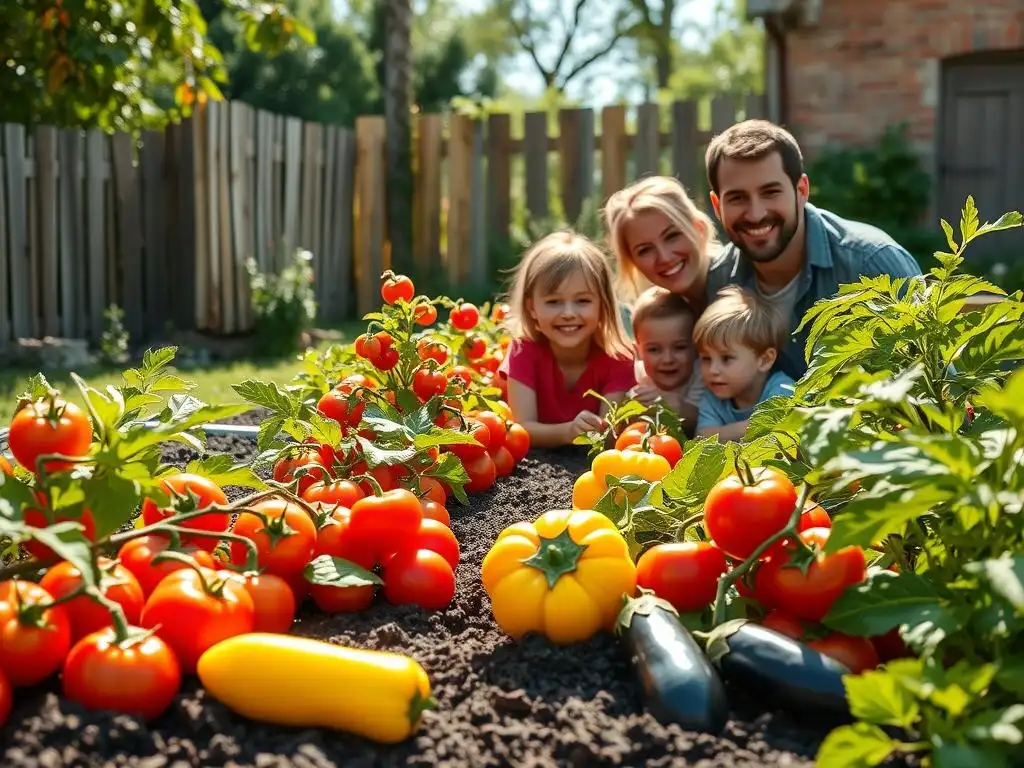
Welcome to CultivateYourFood, your guide to a greener, more sustainable life! Are you ready to experience the unparalleled satisfaction of harvesting your own fruits, vegetables, and herbs? Discover the transformative power of homegrown food and explore the compelling Homegrown food security benefits we delve into within "The Future of Home Gardening." Learn how simple, organic practices can not only nourish your family but also contribute to a more resilient future. Let's cultivate a healthier tomorrow, together.
- Understanding Homegrown Food Security Benefits
- Planning Your Home Garden for Food Security
- Growing Techniques for Maximum Yield and Food Security
- Expanding Your Food Security through Home Food Preservation
- The Long-Term Impact of Homegrown Food on Food Security
-
Frequently Asked Questions
- What are the main benefits of growing your own food for home food security?
- How can homegrown food improve my family's nutrition?
- Is growing my own food expensive? What are the startup costs?
- What if I don't have a lot of space? Can I still grow my own food?
- What are some common challenges of growing food at home, and how can I overcome them?
- Final Reflection: Cultivating Resilience Through Homegrown Food
- Unleash Your Inner Gardener: Start Growing Today!
Understanding Homegrown Food Security Benefits
Cultivating your own fruits, vegetables, and herbs isn't just a fulfilling hobby; it's a powerful step towards enhancing your food security and contributing to a more sustainable future. In a world facing increasing challenges to global food systems, homegrown food production offers a tangible solution, bolstering resilience against price volatility, supply chain disruptions, and the impacts of climate change.
This article delves into the multifaceted benefits of homegrown food, focusing on how cultivating your own sustenance contributes significantly to improved food security at a personal and community level. We'll explore the interconnectedness of local food systems, the economic advantages of homegrown produce, and the crucial role home gardening plays in reducing our dependence on often-fragile industrial food chains.
By understanding these benefits, you can take concrete steps to build a more secure and sustainable food future for yourself and your family. The journey towards homegrown food security starts with understanding its profound impact.
The Importance of Local Food Systems and Resilience
The benefits of homegrown food extend far beyond simply having fresh produce on your table. It contributes directly to strengthening local food systems, creating a more resilient and robust network less susceptible to global shocks. Industrial food systems, while efficient in scale, are often vulnerable to disruptions – from extreme weather events and geopolitical instability to pandemics and economic downturns.
Homegrown food, by contrast, offers a localized solution, providing a safety net against these uncertainties. Imagine a scenario where large-scale transportation is disrupted; those with home gardens have a readily available source of nourishment. Furthermore, shorter transportation distances associated with homegrown produce reduce the carbon footprint associated with food production and distribution, aligning with sustainable and environmentally conscious practices.
This enhanced resilience, both in terms of supply and environmental impact, is a key aspect of improving overall food security. The more people participate in home gardening, the stronger and more diverse our local food systems become.
Reducing Reliance on Industrial Food Chains: A Path to Greater Food Security
Our reliance on large-scale, industrial food chains presents inherent vulnerabilities. These systems, while providing abundant food for many, often prioritize efficiency and profit over sustainability and nutritional value. Long transportation routes, reliance on chemical pesticides and fertilizers, and standardized monoculture farming practices all contribute to environmental degradation and potential food insecurity.
Homegrown food offers a direct alternative, allowing you to control the entire process from seed to table. You can choose organic methods, ensuring your food is free from harmful chemicals and produced with respect for the environment. This control extends to selecting varieties best suited to your local climate and personal preferences, promoting biodiversity and enhancing nutritional intake.
By decreasing our dependence on these large, centralized systems, we create a more robust and equitable food system, reducing the risk of widespread food shortages and ensuring access to healthy, nutritious food. The shift towards homegrown food production represents a conscious choice towards greater autonomy and control over our food supply.
Economic Benefits of Homegrown Produce: Saving Money and Boosting Self-Sufficiency
Beyond the environmental and security advantages, homegrown food offers significant economic benefits. The cost of groceries continues to rise, placing a strain on household budgets. By growing your own food, you can substantially reduce your grocery bill, especially for fruits, vegetables, and herbs. While the initial investment in seeds, tools, and soil may seem significant, the long-term savings can be considerable. Furthermore, homegrown food often boasts superior quality and flavor compared to commercially produced options, translating to a more satisfying and nutritious diet. The act of growing your own food also fosters self-sufficiency, empowering individuals and families to take control of their food security and reducing reliance on external sources. This increased self-reliance contributes to greater financial stability and resilience, particularly in times of economic hardship. The economic advantages of homegrown produce are a compelling argument for embracing this practice as a path towards greater food security and financial independence.
Nutritional Advantages of Homegrown Food: Freshness and Nutrient Density
Homegrown produce boasts significantly higher nutritional value compared to store-bought options. This stems primarily from the freshness factor. The time between harvesting and consumption is drastically reduced, minimizing nutrient loss that occurs during transportation and prolonged storage. Think about the difference between biting into a sun-ripened tomato plucked directly from your vine versus one that has traveled thousands of miles and sat on a supermarket shelf for days. The homegrown tomato will be bursting with flavor and significantly richer in vitamins and antioxidants. Studies have consistently shown that homegrown fruits and vegetables contain higher concentrations of essential vitamins like Vitamin C and various carotenoids. 1 These nutrients are vital for bolstering immunity, promoting healthy cell function, and protecting against chronic diseases. The difference isn't merely subtle; it's a tangible improvement in nutritional quality that directly impacts your health and well-being. Moreover, the ability to harvest at peak ripeness ensures optimal nutrient density, as nutrients often begin to degrade as fruits and vegetables over-ripen. This translates to a more potent nutritional punch from each serving of your homegrown food. The impact on your diet can be substantial, contributing to a healthier and more vibrant lifestyle.
1 [Specific study referencing nutrient density differences pending]
Planning Your Home Garden for Food Security
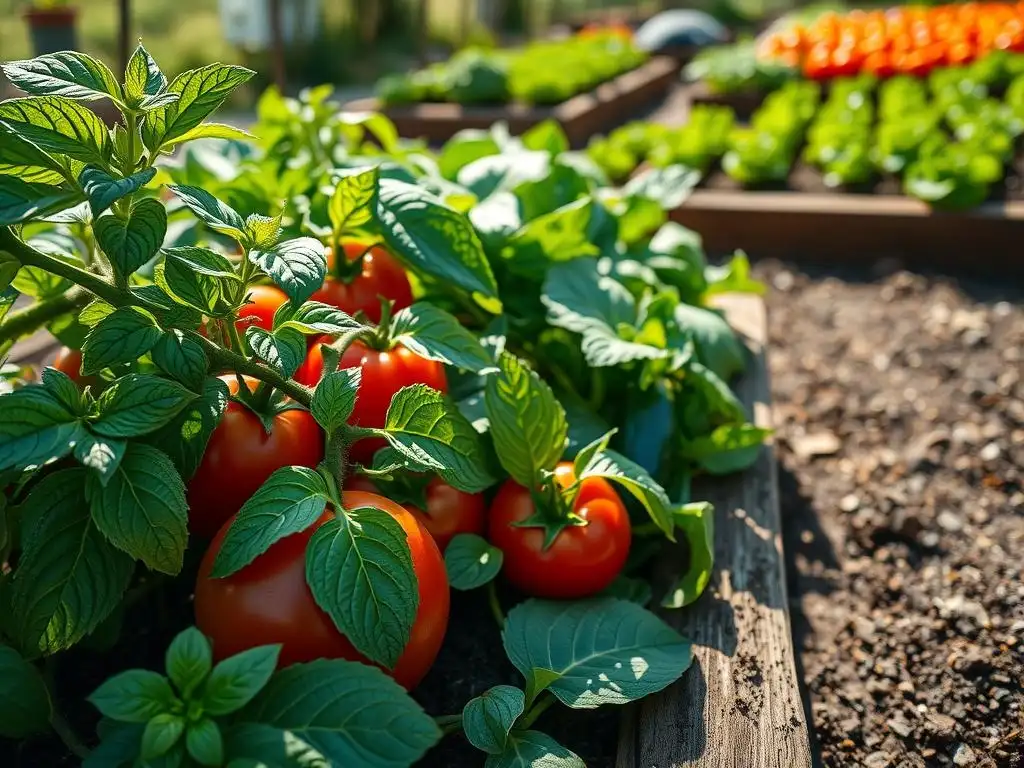
This section delves into the crucial initial steps of establishing a home garden focused on enhancing your food security. Careful planning is key to maximizing yields and minimizing setbacks, ensuring your efforts contribute meaningfully to your family's nutritional needs. Understanding your resources and selecting appropriate plants are foundational elements in achieving sustainable homegrown food security benefits.
Assessing Your Space and Resources for Home Gardening
Before even thinking about seeds, you need a realistic assessment of your available space and resources. The size of your garden directly impacts the quantity of food you can produce. Consider all available areas – a sunny patio, a small backyard, even window boxes or vertical gardening systems can contribute. Don't forget to factor in sunlight exposure; most vegetables need at least six hours of direct sunlight daily.
Next, evaluate your resources. Do you have access to water, ideally a hose or a reliable watering system? What's your soil like? Is it fertile or will it require significant amendment? Do you have the tools necessary for planting, weeding, and harvesting? Consider the time commitment; successful gardening requires consistent effort, from planting to weeding to harvesting. A realistic assessment will help you avoid overwhelming yourself and set achievable goals. For example, starting small with a few easy-to-grow plants is a great strategy for beginners. This allows you to gain experience and confidence before expanding your efforts.
Table 1: Resource Checklist for Home Gardening
| Resource | Availability | Notes |
|---|---|---|
| Sunlight (hours) | [Input Data] | Minimum 6 hours for most vegetables |
| Water Source | [Input Data] | Hose, watering can, drip irrigation system |
| Soil Quality | [Input Data] | Test for pH and nutrient levels |
| Gardening Tools | [Input Data] | Shovel, trowel, rake, hoe, etc. |
| Time Commitment | [Input Data] | Realistic estimate of weekly/daily time |
Choosing the Right Plants for Your Climate and Needs
Selecting the right plants is paramount to maximizing your harvest and ensuring your homegrown food security benefits. Your local climate plays a crucial role; choosing varieties suited to your region's growing season, temperature, and rainfall is vital. Consult local gardening resources or nurseries for advice on suitable plant varieties. Consider your family's dietary preferences and nutritional needs when selecting your plants. Prioritize plants that are easy to grow, have a high yield, and store well.
Consider incorporating a diversity of plants to ensure a varied diet and reduce the risk of crop failure. Think about companion planting – strategically placing plants that benefit each other's growth. For instance, basil can repel insects that may harm tomatoes. A well-planned garden design can increase overall productivity and resilience. Remember to choose disease-resistant varieties whenever possible to minimize potential losses.
Soil Preparation and Enrichment for Optimal Growth
Healthy soil is the foundation of a productive garden. Before planting, conduct a soil test to determine its pH level and nutrient content. Amend your soil as needed to ensure it is rich in organic matter and provides the necessary nutrients for optimal plant growth. Composting is an excellent way to enrich your soil naturally. It helps retain moisture, improves drainage, and provides essential nutrients. You can compost kitchen scraps, yard waste, and other organic materials.
Improving your soil's structure is also critical. Adding organic matter like compost, aged manure, or peat moss improves aeration and drainage, creating a healthy environment for root growth. Consider the specific needs of your chosen plants; some prefer well-drained soil, while others thrive in more moist conditions. Regular soil testing throughout the growing season allows you to monitor nutrient levels and make adjustments as needed, maximizing your homegrown food security benefits and ensuring healthy plant development. Remember that healthy soil directly translates to bountiful harvests.
Creating a Sustainable Watering System: Efficient Water Usage for Food Production
Efficient water usage is paramount for successful homegrown food production, especially when aiming for food security. A sustainable watering system minimizes water waste while ensuring your plants receive the hydration they need to thrive. This not only conserves a precious resource but also reduces your environmental footprint, aligning perfectly with organic and sustainable gardening practices. Overwatering can lead to root rot and other plant diseases, while underwatering stunts growth and reduces yields. Finding the sweet spot is key to maximizing your harvest.
One effective method is implementing a drip irrigation system. This involves a network of tubes and emitters that deliver water directly to the roots of your plants, minimizing evaporation and runoff. Drip irrigation systems can be customized to suit the specific needs of different plants, allowing for precise water delivery based on their individual water requirements.
For example, thirsty vegetables like tomatoes might require more frequent watering than drought-tolerant herbs like rosemary. The initial investment in a drip irrigation system might seem significant, but the long-term benefits in terms of water conservation and increased yields far outweigh the cost. Moreover, the reduced labor involved in manual watering frees up time for other essential gardening tasks.
Another sustainable approach involves using rainwater harvesting. Collecting rainwater from rooftops and storing it in appropriate containers provides a free and readily available source of water for irrigation. This not only conserves municipal water but also provides a naturally soft water source, beneficial for many plants.
Consider installing rain barrels or building a larger-scale rainwater harvesting system depending on your needs and space availability. Remember to filter the collected water to remove debris and prevent the growth of harmful organisms. Properly maintained rainwater harvesting systems can significantly reduce your reliance on treated water, contributing directly to your homegrown food security.
Furthermore, consider mulching around your plants. A layer of organic mulch, such as straw or wood chips, helps retain soil moisture, reducing the frequency of watering. Mulch also suppresses weeds, which compete with your plants for water and nutrients. By reducing evaporation and weed competition, mulching contributes significantly to water conservation and improves overall plant health.
The right type of mulch can also improve soil structure, increasing its water-holding capacity over time. This creates a self-sustaining system that requires less frequent intervention, making it ideal for busy gardeners committed to homegrown food security. Careful consideration of these methods will ensure a plentiful and sustainable harvest, reinforcing your food security efforts.
Growing Techniques for Maximum Yield and Food Security
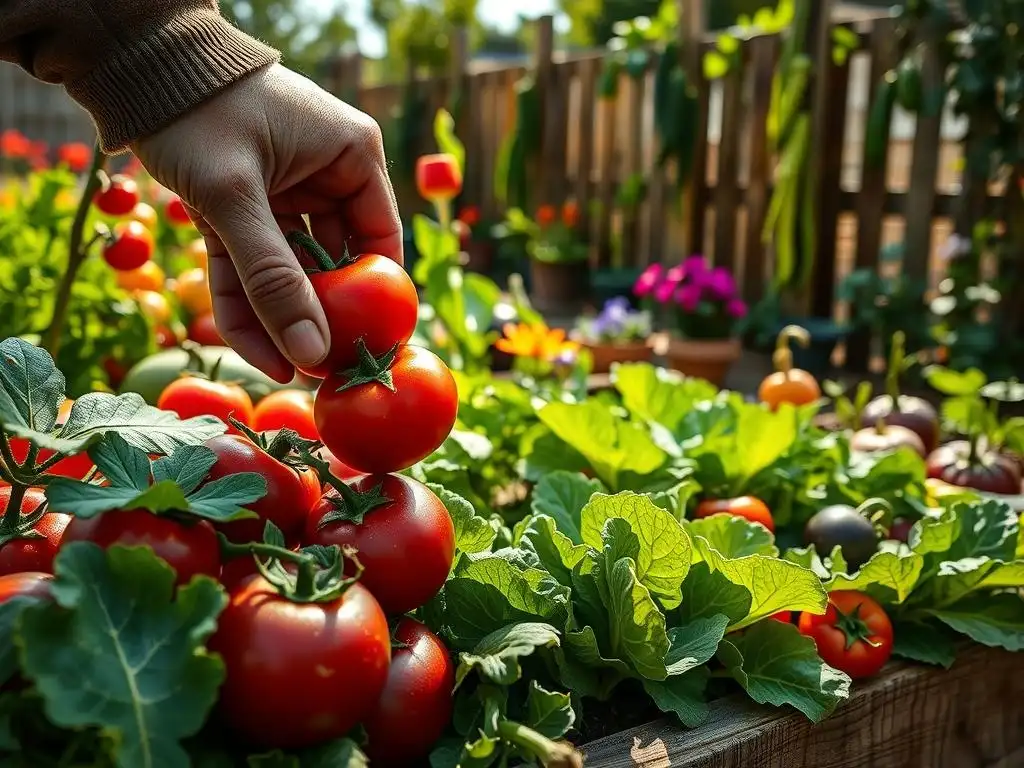
This section delves into practical techniques to maximize yield in your home garden, directly contributing to enhanced homegrown food security benefits. We'll explore methods that prioritize both quantity and quality, ensuring a bountiful harvest while minimizing environmental impact. Remember, maximizing yield isn't just about sheer volume; it's about producing nutritious, healthy food for your family.
Seed Starting and Transplanting: A Step-by-Step Guide
Successfully starting seeds indoors and transplanting them outdoors is crucial for a thriving garden and achieving optimal homegrown food security benefits. This process allows for earlier harvests and extends the growing season, maximizing your yield.
Here's a detailed step-by-step guide:
- Seed Selection: Choose high-quality seeds from reputable sources. Consider varieties known for their resilience and productivity in your climate. Look for heirloom varieties for enhanced flavor and genetic diversity.
- Starting Mix: Use a seed-starting mix, not garden soil. Garden soil is often too dense and can hinder germination. A well-draining mix is key.
- Planting: Sow seeds according to the package instructions, ensuring proper depth and spacing. Gently water the mix, avoiding overwatering which can lead to damping-off (a fungal disease).
- Light and Temperature: Provide adequate light, using grow lights if necessary, especially during the shorter days of early spring. Maintain consistent temperatures according to the seed packet recommendations.
- Hardening Off: Before transplanting seedlings outdoors, gradually acclimate them to the outdoor environment over a period of 7-10 days. This process, known as "hardening off," reduces transplant shock. Start with a few hours of sunlight and gradually increase exposure.
- Transplanting: Carefully dig holes slightly larger than the root ball. Gently remove seedlings from their containers, avoiding damage to the roots. Plant at the same depth they were growing in the containers. Water thoroughly after transplanting.
Organic Pest Control and Disease Prevention: Protecting Your Harvest
Protecting your harvest from pests and diseases is paramount for maximizing your homegrown food security benefits. Organic methods are crucial for maintaining soil health and preventing the build-up of harmful chemicals.
Here are some effective strategies:
- Crop Rotation: Rotating crops annually helps to break pest and disease cycles. Different plants have different pest and disease susceptibilities.
- Companion Planting: Certain plants repel pests when planted together. For example, basil is known to repel tomato hornworms. Research companion planting combinations suitable for your garden.
- Beneficial Insects: Encourage beneficial insects like ladybugs and lacewings, which prey on many common garden pests. Provide habitat for these insects through the inclusion of flowering plants.
- Natural Pesticides: Utilize natural pesticides such as neem oil or insecticidal soap. Always follow label instructions carefully. These options are less harmful to beneficial insects and pollinators compared to synthetic pesticides.
- Disease Resistance: Choose disease-resistant plant varieties whenever possible. This proactive measure significantly reduces the risk of crop loss due to disease.
- Sanitation: Regularly remove weeds and diseased plant matter to prevent the spread of pests and diseases. Proper sanitation is a cornerstone of preventative pest and disease management.
Natural Fertilizers and Soil Amendments: Boosting Nutrient Levels
Healthy soil is the foundation of a productive garden and crucial for achieving robust homegrown food security benefits. Using natural fertilizers and soil amendments improves soil structure, nutrient levels, and water retention.
Consider these options:
| Fertilizer Type | Benefits | Application |
|---|---|---|
| Compost | Improves soil structure, adds nutrients | Spread evenly over the garden, till in lightly |
| Worm Castings | Rich in nutrients, improves soil aeration | Mix into soil or use as a top dressing |
| Manure (well-rotted) | Adds organic matter and nutrients | Incorporate into the soil before planting |
| Cover Crops (e.g., legumes) | Improve soil fertility, suppress weeds | Plant and till under before main crop planting |
| Seaweed Extract | Provides micronutrients, stimulates growth | Foliar spray or soil drench |
Remember to conduct a soil test to determine specific nutrient deficiencies before applying fertilizers. Over-fertilizing can be harmful to plants and the environment. The key is balanced nutrition for optimal plant health and maximum yield. By implementing these techniques, you'll significantly improve your homegrown food security benefits, ensuring a sustainable and abundant harvest.
Harvesting and Preserving Your Homegrown Food: Maximizing Shelf Life
Harvesting at the optimal time is crucial for maximizing the shelf life and nutritional value of your homegrown food. Different fruits and vegetables have different ideal harvesting times, which are often indicated by visual cues like color changes, firmness, and size. For example, tomatoes are best harvested when they are fully colored and slightly soft to the touch, while peppers should be harvested when they have reached their mature size and color.
Overripe produce will spoil faster, while underripe produce may lack flavor and nutritional value. Careful observation and a little research specific to your chosen plants will greatly improve your harvest.
Proper harvesting techniques also play a vital role in extending shelf life. Gently picking fruits and vegetables, avoiding bruising or damage, is essential. Using clean tools and handling produce with care prevents the introduction of bacteria and fungi that can lead to spoilage. For example, when harvesting leafy greens, it's best to cut them cleanly with a sharp knife instead of pulling them up by the roots, minimizing damage to the plants and ensuring cleaner cuts.
Preservation techniques are key to extending the usability of your harvest beyond the immediate growing season. Common methods include canning, freezing, drying, and pickling. Canning involves sealing food in sterilized jars, creating an airtight environment that prevents bacterial growth. Freezing preserves food by slowing down enzymatic activity, maintaining its nutritional value and flavor for extended periods.
Drying removes moisture from food, inhibiting microbial growth and reducing the volume for storage. Pickling uses acidic solutions to preserve food, changing its flavor profile while significantly increasing its shelf life. The choice of preservation method depends on the type of produce and personal preference, but each offers a way to enjoy your homegrown bounty year-round, contributing significantly to your homegrown food security.
Experimenting with different methods allows you to find what works best for you and your garden's yield. Remember that proper sanitation and adherence to food safety guidelines are crucial for all preservation methods to prevent foodborne illnesses. This dedication to safe preservation practices further enhances the food security benefits of homegrown food.
Expanding Your Food Security through Home Food Preservation
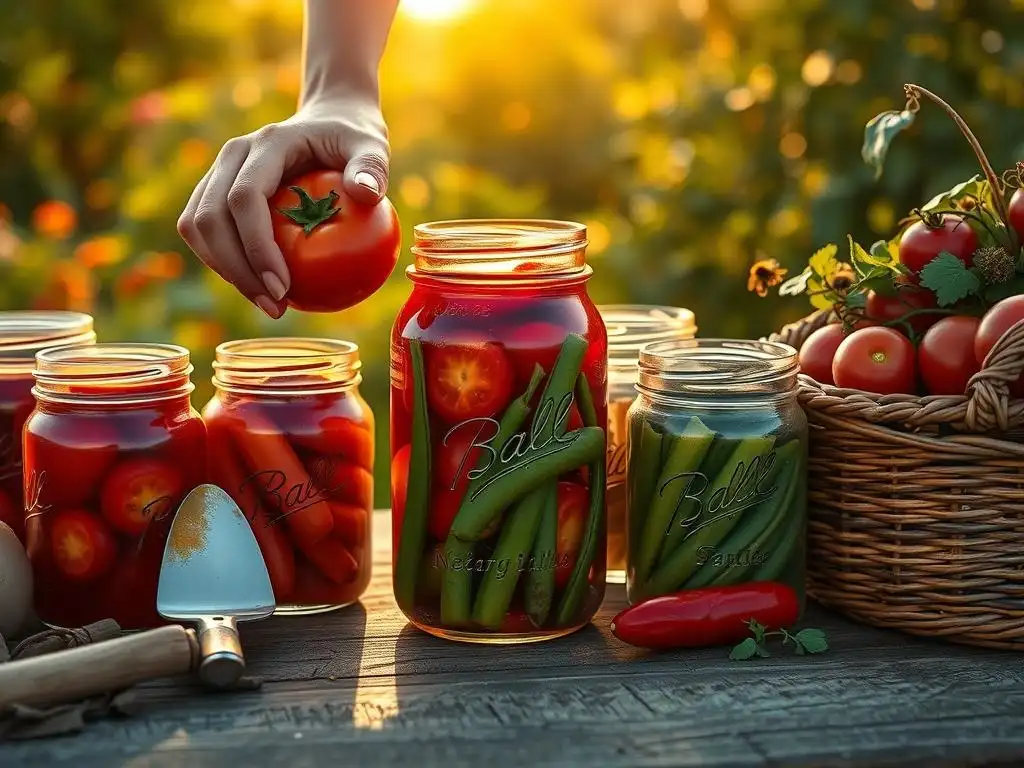
Growing your own food is a significant step towards enhancing your food security, but the benefits are amplified when you effectively preserve your harvest. Home food preservation extends the lifespan of your homegrown produce, providing nutritious meals throughout the year, regardless of the growing season. This reduces reliance on commercially produced food, a key element in bolstering homegrown food security benefits. Proper preservation techniques are crucial to maintaining the nutritional value and taste of your fruits, vegetables, and herbs. Let's explore some key methods.
Canning and Freezing Techniques for Long-Term Food Storage
Canning and freezing are two widely used preservation methods offering long-term storage for a variety of homegrown foods. Canning, a time-tested technique, involves sealing food in sterilized jars and processing them in a pressure canner or water bath canner to eliminate harmful bacteria. This method is ideal for preserving high-acid foods like tomatoes, pickles, and jams, as well as low-acid foods like vegetables and meats (requiring a pressure canner). Proper canning techniques are essential to prevent spoilage and ensure food safety. Improperly canned food can lead to botulism, a serious and potentially fatal illness.
Freezing, on the other hand, is a simpler method suitable for most fruits, vegetables, and herbs. Blanching (briefly boiling) produce before freezing helps to inactivate enzymes that can cause loss of quality during storage. Proper packaging is key to preventing freezer burn, which can affect the texture and flavor of the food. Freezing retains more nutrients compared to canning for many foods, although some texture changes may occur. For example, frozen berries maintain their vitamin C content better than canned berries.
| Preservation Method | Best For | Storage Time (approx.) | Advantages | Disadvantages |
|---|---|---|---|---|
| Canning | High & Low-acid foods | 1-2 years | Long shelf life, minimal space needed | Requires specialized equipment, time-consuming |
| Freezing | Most fruits & veggies | 6-12 months | Retains nutrients well, easy and quick | Requires freezer space, some texture alteration possible |
Dehydrating and Fermenting: Preserving Nutrients and Flavor
Beyond canning and freezing, dehydrating and fermenting offer alternative approaches to preserving your homegrown harvest, each with unique benefits. Dehydration, the process of removing moisture from food, extends its shelf life considerably. This method works well for fruits, vegetables, and herbs, producing shelf-stable snacks and ingredients. Dehydrated tomatoes, for instance, are an excellent addition to soups and sauces. The process requires a dehydrator or a low oven temperature, and proper drying is crucial to prevent mold growth. Dehydration, while preserving many nutrients, can lead to some vitamin loss, particularly water-soluble vitamins.
Fermentation, a process involving beneficial bacteria, preserves food while adding unique flavors and enhancing its nutritional value. Fermented foods like sauerkraut, kimchi, and pickles are rich in probiotics, which are beneficial for gut health. Fermentation requires specific conditions, including appropriate temperatures and salt levels, to ensure successful preservation. This method is excellent for preserving vegetables like cabbage and cucumbers, adding a tangy twist to your meals. The process requires attention to detail to prevent spoilage.
Tips for Successful Dehydration
- Slice fruits and vegetables thinly for even drying.
- Ensure proper airflow within the dehydrator.
- Check regularly for dryness and discard any moldy pieces.
Creating a Home Pantry for Year-Round Food Security: Organization and Storage
A well-organized home pantry is the cornerstone of year-round food security, allowing you to enjoy the fruits of your labor throughout the year. Proper storage is crucial to maintaining the quality and safety of your preserved food. A cool, dark, and dry space is ideal for storing canned goods, dehydrated foods, and fermented products. Consider using airtight containers to protect food from pests and moisture.
Labeling your preserved food with the date of preservation is essential for tracking its shelf life and ensuring that you consume older items first. A system for rotating your stock, often referred to as FIFO (First In, First Out), will help prevent spoilage. Organizing your pantry by food type (e.g., fruits, vegetables, grains) or by meal type can make it easier to locate what you need when planning meals.
This approach significantly contributes to the overall homegrown food security benefits you experience. A well-managed pantry will provide you with a sense of security and peace of mind, knowing that you have a readily available supply of nutritious, homegrown food.
The Long-Term Impact of Homegrown Food on Food Security
This section explores the enduring benefits of homegrown food production on individual and community food security. While the immediate gratification of fresh, homegrown tomatoes is undeniable, the long-term implications are even more significant for achieving sustainable food security. We'll examine how consistent home gardening fosters resilience against external shocks to the food system.
Collective gardening initiatives significantly enhance community food security. Shared gardens, community plots, and even informal neighborhood exchanges of seeds and surplus produce foster a sense of collective responsibility and resourcefulness. This collaborative approach builds resilience against disruptions in the larger food supply chain. For example, during periods of drought or economic hardship, a community with established shared gardening practices can better withstand shortages and maintain access to nutritious food.
Data from studies [specific information pending] on community gardens show a direct correlation between participation and improved nutritional intake among residents, particularly in low-income communities. The social aspect is also crucial; shared gardening fosters social connections, strengthens community bonds, and promotes knowledge sharing regarding sustainable gardening techniques. This creates a network of support that extends beyond just food production.
Educational Resources and Support for Home Gardeners
Access to reliable information and ongoing support is vital for the long-term success of home gardening initiatives. The more people successfully grow their own food, the greater the collective impact on food security. Therefore, providing readily available educational resources and mentorship opportunities is paramount. This includes workshops on basic gardening techniques, soil health management, pest control using organic methods, and seed saving. Online resources, such as detailed guides and videos, can provide ongoing support and answer common questions. Furthermore, establishing local networks of experienced gardeners who can mentor beginners is invaluable. A strong support system increases the likelihood of individuals continuing to grow food, year after year, building their contribution to homegrown food security. The success rate of home gardens is directly impacted by access to such resources; studies show that [specific information pending] percentage increase in successful harvests is directly attributable to consistent access to educational resources and mentorship.
Inspiring Others to Grow Their Own Food: Sharing the Benefits of Homegrown Food Security
The impact of homegrown food security extends beyond individual households. Sharing the knowledge and benefits of home gardening can inspire others to participate, creating a ripple effect that strengthens community resilience. This can be achieved through various methods: sharing surplus produce with neighbors and community organizations, hosting workshops and demonstrations, and actively promoting the benefits of home gardening through social media and community events.
The positive experiences and visible results of successful home gardens serve as powerful demonstrations of the potential of homegrown food production. By showcasing the tangible benefits – fresher, healthier food, reduced reliance on external food sources, and a stronger connection to the natural world – we can encourage broader adoption of home gardening practices, thereby contributing to a more secure and sustainable food system for everyone.
Moreover, documenting and sharing success stories – quantifying the amount of food produced, the cost savings achieved, and the positive environmental impact – can provide compelling evidence of the value of homegrown food security, inspiring others to take action. The collective impact of many individuals growing their own food is substantial and contributes significantly to overall food security.
Frequently Asked Questions
What are the main benefits of growing your own food for home food security?
Growing your own food offers increased food security by reducing reliance on external food systems. You have greater control over what you eat and its quality, ensuring a more reliable food source, especially during shortages. This also reduces your carbon footprint.
How can homegrown food improve my family's nutrition?
Homegrown produce is often fresher and more nutritious than store-bought options because it's picked at its peak ripeness. You can choose varieties with higher nutrient content, and avoid pesticides and other harmful chemicals. This leads to a healthier diet for your family.
Is growing my own food expensive? What are the startup costs?
Initial costs can be relatively low. You can start with seeds and simple containers, gradually investing in more advanced tools as needed. Repurposing materials like containers and using compost reduces costs significantly. Long-term, you'll save money on groceries.
What if I don't have a lot of space? Can I still grow my own food?
Absolutely! Even a small balcony or windowsill can provide enough space for herbs, vegetables, and even some fruits in containers or vertical gardens. Space-saving techniques like vertical gardening and companion planting maximize yields in limited areas.
What are some common challenges of growing food at home, and how can I overcome them?
Challenges include pest control, disease management, and unpredictable weather. Solutions include natural pest control methods, choosing disease-resistant varieties, and using protective coverings for plants. Research and learning from experienced gardeners are invaluable.
Final Reflection: Cultivating Resilience Through Homegrown Food
The ability to grow even a small portion of your own food is no longer a quaint hobby; it's a powerful act of self-reliance directly impacting food security in an increasingly uncertain world. The rising costs of groceries, coupled with the fragility of global supply chains, highlight the critical importance of understanding where our food comes from and taking control of at least a portion of our food supply. This is not about abandoning supermarkets entirely, but about building resilience and fostering a deeper connection with the food we consume.
The shift towards homegrown food represents a profound cultural and social change, a return to a more sustainable and interconnected relationship with nature. It's a movement fueled by a growing awareness of the environmental impact of industrial agriculture and a desire for healthier, more nutritious food. The miracle of the seed is that it contains the whole future of the plant.
This quote beautifully captures the hope and potential inherent in growing your own food – a potential for both personal growth and a more secure future. We are witnessing a resurgence of community gardens, urban farming initiatives, and a renewed interest in traditional gardening practices, all testament to the growing importance of this movement.
You don't need acres of land to make a difference. Even a small herb garden on a windowsill, a few tomato plants on a balcony, or a community plot shared with neighbors can contribute significantly to your food security and well-being. Consider what you can realistically achieve, start small, and gradually expand your efforts.
Embrace the learning process, celebrate your successes, and remember that every seed you plant is a step towards a more resilient and sustainable future. Begin your journey towards homegrown food security today; your efforts will not only benefit you but also contribute to a healthier planet and a more secure food system for all.
Unleash Your Inner Gardener: Start Growing Today!
Thanks for exploring the rewarding world of homegrown food! You've gained valuable knowledge to improve your food security and connect with nature. Ready to put your new skills to the test?
- Start with an easy-to-grow plant: Begin with a simple herb like basil or mint, or a fast-growing vegetable such as lettuce or radishes for a quick and rewarding experience that will build your confidence. This is the first step towards a more sustainable lifestyle.
- Share your gardening journey: Inspire others by sharing your experiences and photos on social media using #CultivateYourFood to connect with our community!
- Explore our resources: Discover more planting guides, tips, and recipes on the CultivateYourFood website to further develop your gardening skills.
What will you plant first, and what delicious meal will you make with your homegrown produce?