
Home Gardening: A Grassroots Approach to Tackling Food Insecurity

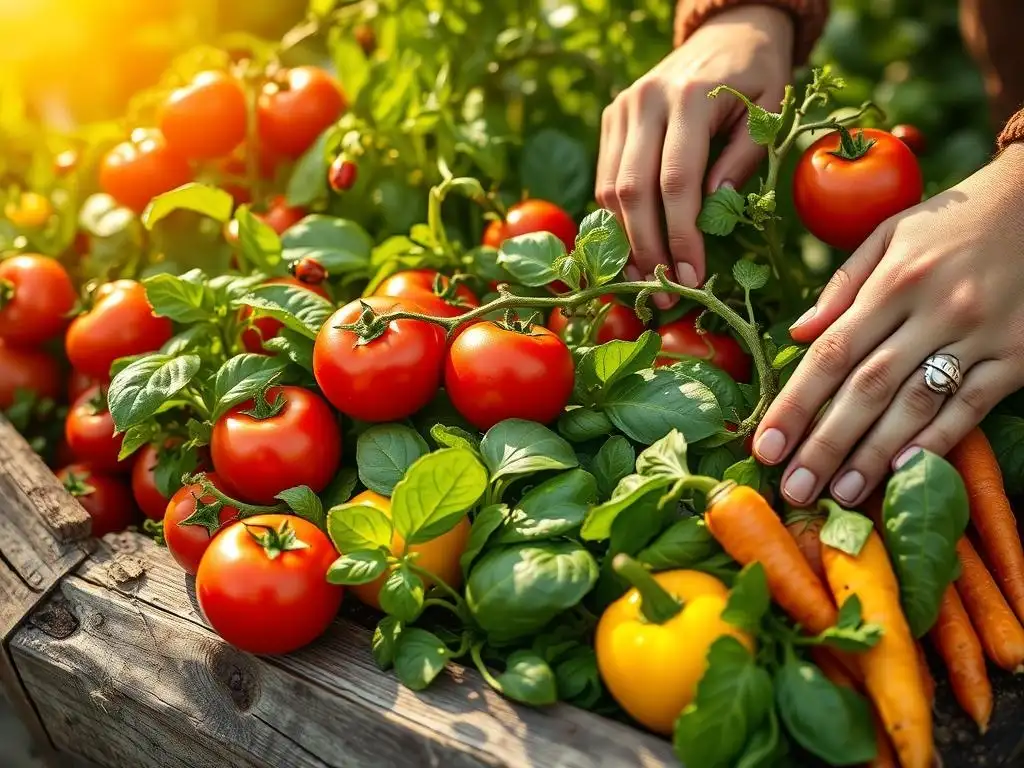
Welcome to CultivateYourFood, your guide to a greener, more sustainable future, one harvest at a time. Are you ready to transform your backyard (or even your balcony!) into a thriving ecosystem? We'll equip you with the knowledge and confidence to cultivate your own fruits, vegetables, and herbs, organically and sustainably. Dive into our comprehensive organic home gardening guide and discover how to nurture your own food supply – a powerful step towards food security and a healthier lifestyle. Let's get started!
- The Growing Importance of Organic Home Gardening Guide
- Planning Your Organic Home Garden for Maximum Yield
- Implementing Sustainable Organic Gardening Practices
- Harvesting and Preserving Your Homegrown Organic Produce
- Sharing Your Harvest and Building Community
- Expanding Your Organic Home Gardening Guide: Advanced Techniques
- Frequently Asked Questions
- Final Reflection: Cultivating Resilience, One Seed at a Time
- Unleash Your Inner Gardener: Grow Your Food, Grow Your Community
The Growing Importance of Organic Home Gardening Guide
The global food system faces unprecedented challenges, from climate change and resource depletion to socioeconomic inequalities. Food insecurity, the state of being without reliable access to a sufficient quantity of affordable, nutritious food, affects millions worldwide and is increasingly prevalent even in developed nations. This alarming trend highlights the urgent need for innovative and sustainable solutions.
This article explores the powerful role of organic home gardening as a grassroots approach to combatting food insecurity, empowering individuals and communities to cultivate their own food sources. We'll delve into understanding the scope of food insecurity in local communities, examine the significant contribution of homegrown produce to food security initiatives, and provide practical steps and resources to help you begin your own organic gardening journey, effectively transforming your backyard into a vital source of nutritious, sustainably-grown food.
This comprehensive guide provides a pathway towards greater food independence and resilience, offering a practical and effective solution to a growing global concern. Learning how to cultivate your own organic food is not just a hobby; it's a powerful act of self-sufficiency and community empowerment, directly impacting food security on a personal and potentially larger scale.
Understanding Food Insecurity in Your Community
Food insecurity manifests differently across various communities. Some areas may experience periods of food scarcity due to seasonal limitations or economic hardship, while others might face consistent challenges in accessing nutritious food options. Understanding the specific needs and vulnerabilities within your own community is crucial in developing effective solutions. For example, [Data on local food insecurity rates pending], which can be used as a baseline to assess the impact of home gardening initiatives. This data could include statistics on:
- The percentage of households experiencing food insecurity.
- The prevalence of food deserts (areas with limited access to grocery stores).
- The nutritional deficiencies prevalent in the population.
By gaining a clear understanding of these local realities, you can tailor your home gardening efforts to address the most pressing needs, maximizing their impact on food security. Consider conducting a needs assessment within your neighborhood or collaborating with local food banks or community organizations to identify the most critical areas requiring support. This localized approach ensures that your home gardening efforts directly benefit those who need it most.
The Role of Homegrown Produce in Food Security Initiatives
Homegrown produce, particularly when cultivated organically, plays a vital role in enhancing food security at both individual and community levels. Growing your own fruits, vegetables, and herbs provides a reliable source of fresh, nutritious food, reducing reliance on commercial food systems that can be vulnerable to disruptions. The benefits extend beyond mere sustenance:
- Improved Nutrition: Homegrown produce is often richer in nutrients compared to commercially grown counterparts, due to the absence of synthetic pesticides and fertilizers.
- Reduced Food Costs: By cultivating your own food, you can significantly reduce your grocery bill, freeing up resources for other essential needs. This is especially important for low-income households.
- Community Building: Community gardens and collaborative gardening projects foster social connections and shared responsibility, strengthening community bonds and resilience.
- Environmental Benefits: Organic gardening practices promote biodiversity, soil health, and reduced environmental impact, contributing to a more sustainable food system.
The cumulative effect of these benefits is a more secure and resilient food system, where individuals and communities are better equipped to withstand economic shocks, climate change impacts, and other external pressures. The impact of even a small home garden can be substantial, particularly when multiplied across many households.
Accessing Resources for Starting Your Organic Garden
Embarking on your organic home gardening journey requires planning and access to appropriate resources. Fortunately, numerous resources are available to support beginners:
| Resource Type | Description | Accessibility |
|---|---|---|
| Local Agricultural Extension Offices | Offer expert advice, workshops, and educational materials on organic gardening. | Varies by location; check your local government website |
| Online Resources | Numerous websites and online communities provide comprehensive guides and tutorials. | Widely accessible; requires internet connection |
| Seed Banks and Suppliers | Offer a wide variety of organic seeds and seedlings. | Varies; online and local options available |
| Community Gardens | Provide shared space and resources for gardening, fostering collaboration and learning. | Varies by location; check local listings |
The initial investment may seem daunting, but the long-term benefits of a thriving organic home garden far outweigh the initial costs. Start small, focusing on a manageable area and a few easy-to-grow crops. Gradually expand your garden as you gain experience and confidence. Remember, the journey of cultivating your own food is as rewarding as the harvest itself. 🌱 With dedication and the right resources, you can transform your backyard into a vital contributor to your family's food security and overall well-being.
Planning Your Organic Home Garden for Maximum Yield
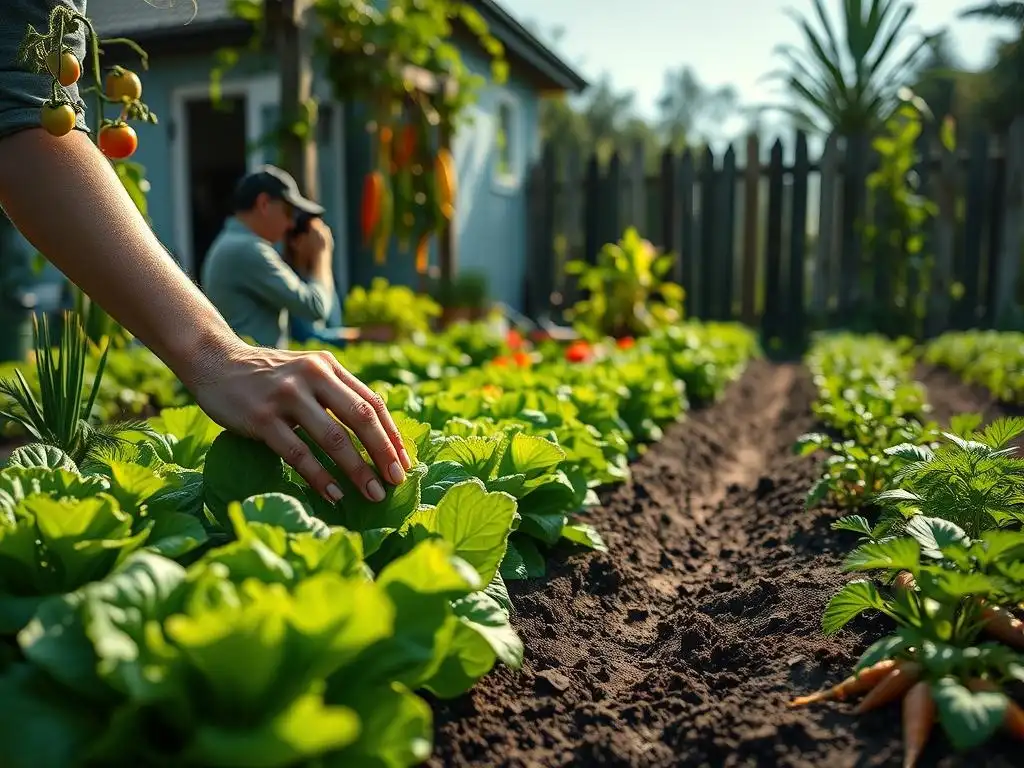
This section delves into the strategic planning crucial for a successful and bountiful organic home garden. We'll explore key aspects to maximize your yield while adhering to sustainable practices. Remember, a well-planned garden is the foundation of a thriving, productive organic home gardening experience. This organic home gardening guide will equip you with the knowledge to achieve just that.
Selecting the Right Organic Seeds and Seedlings for Your Climate
Choosing the right seeds and seedlings is paramount to success in organic home gardening. Your local climate dictates which varieties will thrive. Ignoring this crucial step can lead to disappointing yields or even complete crop failure. Consider these factors:
- Hardiness Zones: Determine your USDA Plant Hardiness Zone. This zone indicates the average minimum winter temperature in your area, helping you select plants that can survive your local winters. Many seed packets and plant tags will list the appropriate hardiness zones.
- Sunlight Exposure: Different plants require different amounts of sunlight. Choose varieties that suit the amount of sunlight your garden receives. For example, tomatoes need at least six hours of direct sunlight daily, while lettuce tolerates partial shade.
- Growing Season Length: Your growing season length (the number of frost-free days) determines how much time your plants have to mature. Select varieties with appropriate maturation times. Short-season varieties are ideal for shorter growing seasons.
- Soil Type: While we'll discuss soil improvement later, understanding your existing soil type (clay, sandy, loamy) helps you choose plants that are best suited to it. For instance, sandy soil requires more frequent watering than clay soil.
- Pest and Disease Resistance: Selecting disease-resistant varieties can significantly reduce the need for pesticides, a key component of organic gardening. Look for varieties labeled as resistant to common pests and diseases in your region.
Let's illustrate with an example. If you live in a zone 7 with a short growing season and sandy soil, you might choose early-maturing, disease-resistant tomato varieties that thrive in sunny, well-drained conditions. Conversely, a zone 9 gardener with rich, loamy soil could select a wider range of options, including longer-season varieties. Careful consideration of these factors is essential for a successful organic home gardening experience.
Designing Your Garden Layout for Optimal Sunlight and Space Utilization
Efficient garden design is crucial for maximizing yield and minimizing wasted space. Consider these aspects when planning your organic home garden layout:
- Sunlight Orientation: Position your garden to maximize sunlight exposure. Most vegetables need at least six hours of direct sunlight daily. Observe your garden throughout the day to determine the sunniest areas.
- Plant Spacing: Proper spacing prevents overcrowding, which can lead to reduced yields and increased disease susceptibility. Follow the spacing recommendations on seed packets or plant tags. This ensures each plant receives adequate sunlight, water, and nutrients.
- Crop Rotation: Rotate your crops annually to prevent the buildup of soilborne diseases and pests. Different plant families have different nutrient requirements and pest susceptibilities. Rotating crops helps maintain soil health and reduces pest and disease problems. A sample rotation plan might involve planting legumes (nitrogen-fixing) one year, followed by heavy feeders (like tomatoes) the next year.
- Companion Planting: Certain plants benefit from being grown together. For example, basil planted near tomatoes can repel pests and improve tomato flavor. Research companion planting combinations to enhance your garden's productivity and pest control.
Effective space utilization also means considering vertical gardening techniques (trellises, hanging baskets) for space-saving solutions, particularly beneficial for vining plants like cucumbers and beans. A well-designed layout is a vital element of any successful organic home gardening guide.
Creating Nutrient-Rich Soil with Organic Composting Techniques
Healthy soil is the cornerstone of any successful organic garden. Composting is a key technique for building nutrient-rich soil naturally. This process involves decomposing organic matter to create a dark, crumbly material rich in nutrients. Here’s how to create your own compost:
- Compost Ingredients: Gather organic materials such as kitchen scraps (vegetable peels, coffee grounds), yard waste (grass clippings, leaves), and shredded paper. Avoid meat, dairy, and oily foods as they attract pests.
- Compost Ratio: Maintain a balanced ratio of "greens" (nitrogen-rich materials like grass clippings) and "browns" (carbon-rich materials like leaves and shredded paper). A general guideline is a 2:1 ratio of browns to greens.
- Compost Method: You can use various composting methods, including a compost bin, a compost pile, or even a worm composting system (vermicomposting). Each method has advantages and disadvantages depending on your space and resources.
- Maintaining Moisture and Aeration: Regularly turn your compost pile or bin to ensure proper aeration, which facilitates decomposition. Keep the compost moist but not soggy.
- Finished Compost: Finished compost is dark brown or black, crumbly, and has an earthy smell. It's ready to be incorporated into your garden soil.
Incorporating compost into your garden soil improves soil structure, drainage, and water retention. It also provides essential nutrients for plant growth, reducing the need for synthetic fertilizers. This method is a cornerstone of any effective organic home gardening guide, contributing significantly to sustainable and productive gardening. The benefits of using compost extend beyond just improved yields; it enhances soil biodiversity and reduces environmental impact, aligning perfectly with the principles of sustainable organic home gardening.
Implementing Sustainable Organic Gardening Practices
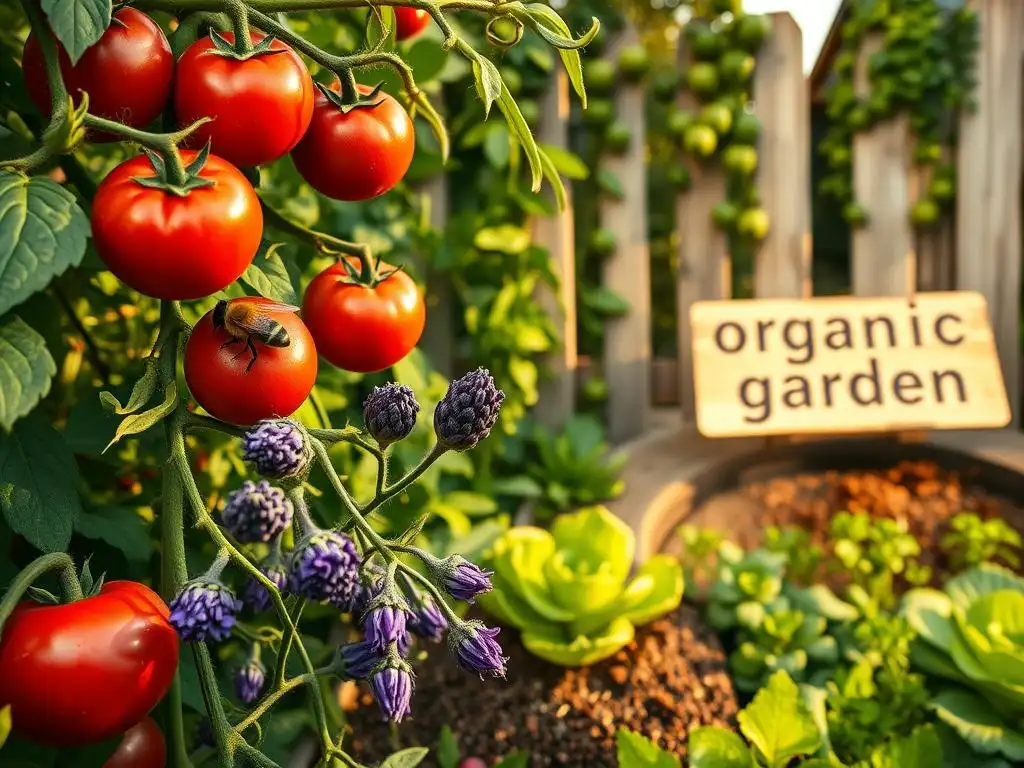
This section delves into the practical application of sustainable and organic methods within your home garden, crucial for achieving abundant harvests while minimizing environmental impact. Adopting these practices is key to creating a truly thriving and productive organic home gardening environment. This organic home gardening guide will walk you through the essential steps.
Natural Pest Control Methods for a Healthy Organic Garden
Maintaining a healthy organic garden requires a proactive approach to pest management. Reliance on synthetic pesticides is antithetical to organic principles and can harm beneficial insects and the environment. Instead, focus on preventative measures and natural pest control solutions.
Several strategies can significantly reduce pest problems. Rotating crops annually disrupts pest life cycles, preventing infestations. Interplanting – strategically placing plants that repel pests amongst your crops – is another effective tactic. For example, planting marigolds amongst tomatoes helps deter tomato hornworms.
Beneficial insects, like ladybugs and lacewings, are natural predators of many common garden pests. Providing habitat for these insects, such as leaving some areas unkempt or planting flowering plants that attract them, encourages their presence.
Finally, handpicking pests, particularly in the early stages of an infestation, is a simple and effective method. Using traps, such as pheromone traps for specific pests, can also help monitor and control populations without resorting to harmful chemicals. Remember, early detection and intervention are key to preventing widespread damage. A consistent monitoring schedule is crucial for a successful organic home gardening experience.
Water Conservation Strategies for Your Homegrown Vegetables
Water conservation is paramount in sustainable gardening, especially during periods of drought. Efficient watering techniques can save water and improve plant health. The key is to water deeply and less frequently, encouraging deep root growth which makes plants more drought-tolerant.
Consider using a soaker hose or drip irrigation system instead of overhead sprinklers. These methods deliver water directly to the roots, minimizing evaporation and runoff. Mulching around plants helps retain soil moisture, reducing the need for frequent watering. Organic materials like straw, wood chips, or shredded leaves make excellent mulch.
Monitoring soil moisture is crucial. Before watering, check the soil's moisture level a few inches below the surface. Only water when the soil is dry to the touch. Avoid overwatering, which can lead to root rot and other problems. Regularly inspect your plants for signs of stress, such as wilting leaves, which can indicate a need for watering. Careful attention to these details will contribute to a healthy, flourishing organic home garden.
Organic Fertilizer and Soil Amendment Options for Abundant Harvests
Healthy soil is the foundation of any successful organic garden. Organic fertilizers and soil amendments provide the essential nutrients plants need to thrive without the use of synthetic chemicals. Composting is a cornerstone of organic gardening. By composting kitchen scraps and yard waste, you create a rich, nutrient-rich soil amendment that improves soil structure, water retention, and nutrient availability.
Other excellent organic fertilizer options include:
- Aged manure: Provides a slow-release source of nutrients.
- Compost tea: A liquid fertilizer made by steeping compost in water.
- Seaweed extract: A natural source of micronutrients.
- Bone meal: A good source of phosphorus.
Regular soil testing is vital to understand your soil's nutrient levels and adjust your fertilization strategy accordingly. This allows you to tailor your approach to the specific needs of your plants and soil type, fostering optimal growth and maximizing yields. Remember, building healthy soil is an ongoing process, and consistent attention to soil health will result in a more productive and resilient organic home garden, fulfilling your organic home gardening guide needs.
Harvesting and Preserving Your Homegrown Organic Produce
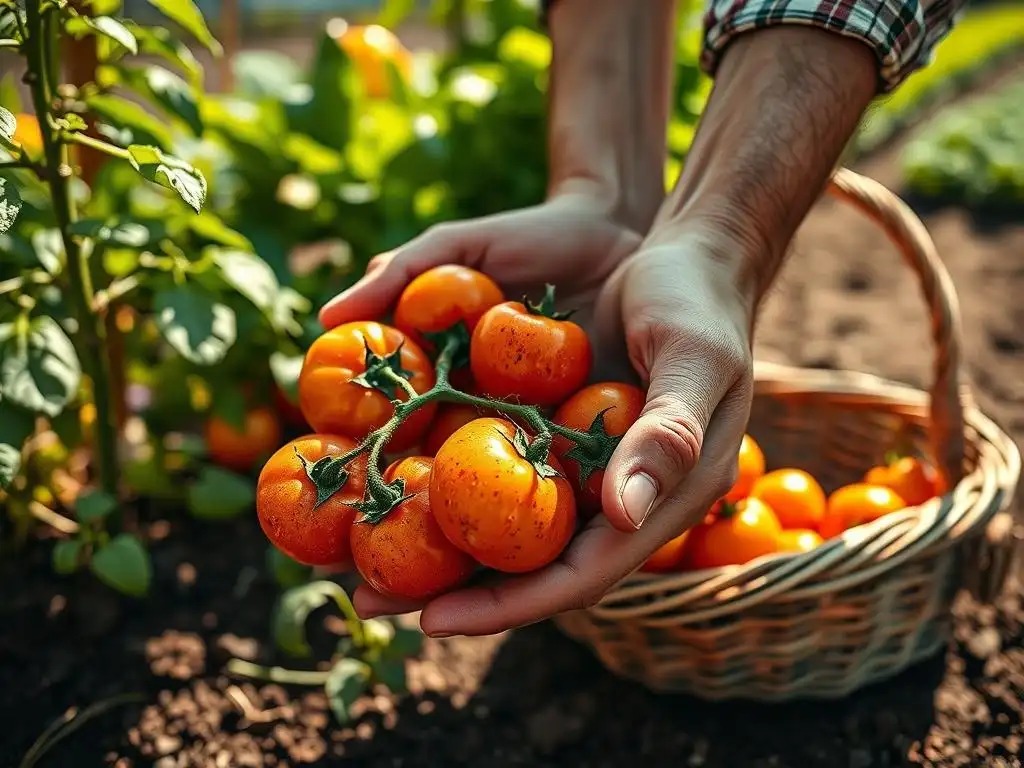
This section delves into the crucial aspects of harvesting and preserving your organically grown fruits, vegetables, and herbs, maximizing their flavor and nutritional value while minimizing waste. A comprehensive organic home gardening guide must cover these essential post-harvest steps. Successfully navigating these stages transforms your homegrown bounty from a fleeting pleasure into a year-round resource.
Timing Your Harvest for Optimal Flavor and Nutritional Value
The timing of your harvest significantly impacts the taste and nutritional content of your produce. Harvesting too early results in bland, underdeveloped flavors, while harvesting too late can lead to tough textures and reduced nutritional value. Understanding the optimal harvest window for each plant is key to maximizing your yield.
For example, tomatoes should be harvested when they exhibit a deep red color and yield slightly to gentle pressure. Picking them too early results in a tart, acidic taste, while waiting too long can lead to splitting and spoilage. Similarly, herbs should be harvested just before flowering for the most intense flavor. Basil, for instance, is best harvested in the morning after the dew has dried, ensuring optimal essential oil content.
Here's a simplified table illustrating optimal harvest times for some common homegrown produce:
| Produce | Optimal Harvest Time | Signs of Readiness |
|---|---|---|
| Tomatoes | When fully red and slightly soft to the touch | Deep red color, yields slightly to gentle pressure |
| Peppers | When fully colored and firm | Vibrant color, firm texture |
| Basil | Before flowering, in the morning after dew dries | Abundant leaves, no flowers |
| Lettuce | When leaves are mature and firm | Dark green leaves, crisp texture |
| Strawberries | When fully red and slightly fragrant | Deep red color, sweet aroma |
| Green Beans | When pods are plump and tender | Bright green color, easily snaps when bent |
Remember, regular harvesting encourages continued production in many plants, leading to a more abundant harvest throughout the growing season. This is especially true for leafy greens and herbs. Regular harvesting prevents plants from bolting (going to seed), prolonging their productive life.
Methods for Preserving Your Harvest: Canning, Freezing, and Drying
Preserving your harvest extends its shelf life, allowing you to enjoy the fruits (and vegetables!) of your labor long after the growing season ends. Several methods offer different advantages and suit various produce types. An effective organic home gardening guide must cover these methods to ensure that the harvest is not wasted.
- Canning: Canning involves sealing food in airtight jars and processing them in a boiling water bath or pressure canner to destroy harmful bacteria. This method is ideal for fruits, tomatoes, and some vegetables, extending their shelf life for up to a year or more. Proper canning techniques are crucial to prevent spoilage and ensure food safety.
- Freezing: Freezing is a simple and effective method for preserving many fruits, vegetables, and herbs. Blanching (briefly boiling) vegetables before freezing helps retain their color, texture, and nutritional value. Proper packaging is essential to prevent freezer burn.
- Drying: Drying removes moisture from food, inhibiting microbial growth and extending its shelf life. This method is suitable for herbs, fruits, and some vegetables. Air drying, sun drying, and using a food dehydrator are common drying techniques. Proper drying prevents mold growth and maintains the quality of the preserved food.
Choosing the right preservation method depends on the type of produce, your available resources, and your storage space. Each method offers unique benefits, and a combination of techniques can further maximize the utilization of your harvest.
Extending the Growing Season with Cold Frames and other Techniques
Extending the growing season allows you to enjoy fresh, homegrown produce for a longer period, enhancing food security and maximizing the benefits of your organic home gardening efforts. Several techniques can help achieve this:
- Cold Frames: Cold frames are simple structures that provide protection from frost and harsh weather, extending the growing season into spring and fall. They trap solar heat during the day and provide insulation at night, creating a microclimate conducive to plant growth.
- Row Covers: Row covers are lightweight fabrics that protect plants from frost, wind, and pests. They are easy to install and remove, making them a flexible option for extending the growing season.
- High Tunnels/Polytunnels: These structures provide more significant protection than cold frames, allowing you to grow certain crops year-round in milder climates. They create a controlled environment that protects plants from extreme temperatures and weather conditions.
By employing these techniques, you can significantly extend the productivity of your garden, reaping the rewards of your organic home gardening efforts for a more extended period. This contributes to greater self-sufficiency and resilience in the face of potential food shortages. Remember, a well-planned organic home gardening guide should encompass all stages of cultivation, from seed to preservation, ensuring a plentiful and sustainable harvest.
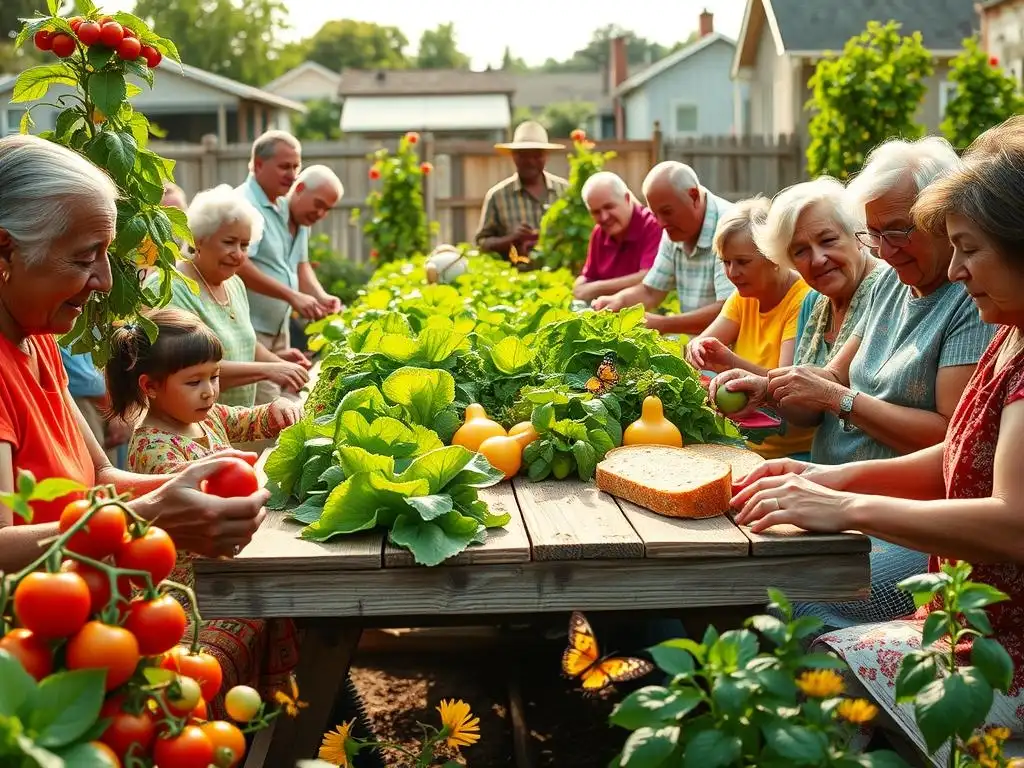
Growing your own organic food is incredibly rewarding, but the benefits extend beyond your own kitchen table. Sharing your harvest fosters community, strengthens local food systems, and contributes to a more sustainable and equitable future. This section explores practical ways to share your abundance and build a network of fellow food enthusiasts. An organic home gardening guide wouldn't be complete without this crucial element.
Connecting with Local Food Banks and Community Gardens
Many local food banks and community gardens are eager to receive fresh, organic produce. Donating your excess fruits, vegetables, and herbs can make a significant impact on food-insecure individuals and families. This is a powerful way to directly address food insecurity in your community. Consider the following:
- Contacting local organizations: Begin by researching food banks and community gardens in your area. Their websites or social media pages often provide contact information and donation guidelines. Some may even have specific needs, such as a preference for certain types of produce at certain times of the year.
- Understanding donation requirements: Most organizations have specific requirements for donated food, including cleanliness, proper packaging, and absence of pesticides. Adhering to these guidelines is crucial to ensuring the safety and quality of the food received. Always prioritize hygiene and proper handling techniques.
- Regularity of donations: Establishing a regular donation schedule, even if it's just once a month, can significantly contribute to consistent food supply for those in need. This predictable flow of fresh produce is invaluable to food banks.
- Volunteering your time: In addition to donating produce, consider volunteering your time at a local food bank or community garden. This hands-on experience provides a deeper understanding of the challenges and rewards of food security initiatives.
Trading or Sharing Excess Produce with Neighbors and Friends
Building relationships with neighbors and friends can create a vibrant network of food exchange. Sharing your harvest isn't just about giving; it's about building community and fostering connections. Imagine the joy of trading your extra zucchini for your neighbor's homegrown tomatoes! This simple act strengthens community bonds and promotes a sense of mutual support.
Think about these strategies:
- Neighborhood produce swaps: Organize informal produce swaps with neighbors. This can be as simple as leaving a basket of extra produce on your porch with a sign inviting others to take what they need and leave something in return.
- Community potlucks: Incorporate your homegrown produce into community potlucks. This is a great way to share your harvest while enjoying delicious meals with your neighbors.
- Direct sharing with friends and family: Don't underestimate the simple act of sharing extra produce with friends and family. A small gesture can go a long way in building relationships and promoting a sense of community.
This approach promotes a feeling of abundance and strengthens local ties, creating a more resilient and supportive community. It's a tangible example of how an organic home gardening guide can extend its reach beyond the individual gardener.
Educating Others about the Benefits of Organic Home Gardening
Sharing your knowledge and passion for organic home gardening is a powerful way to inspire others to adopt sustainable practices. By educating others, you contribute to a wider movement towards food security and environmental responsibility. Consider these avenues:
- Workshops and classes: Offer workshops or classes in your community on the basics of organic home gardening. Share your expertise and experience, empowering others to grow their own food.
- Sharing your knowledge online: Write blog posts, create videos, or share your experiences on social media platforms to reach a wider audience. This is an effective way to disseminate information and inspire others.
- Mentoring beginners: Offer guidance and support to beginner gardeners. Your experience can help them avoid common mistakes and achieve success in their gardening endeavors. A simple act of sharing your expertise can make a huge difference.
- Demonstrating the benefits: The best way to inspire others is to demonstrate the benefits of organic home gardening firsthand. Invite your friends and neighbors to see your garden and taste your homegrown produce. This tangible experience speaks volumes.
By sharing your knowledge and passion, you become a valuable resource within your community, promoting sustainable practices and inspiring others to adopt organic home gardening. This contributes to a broader movement towards food self-sufficiency and a healthier planet – all crucial aspects of a comprehensive organic home gardening guide.
Expanding Your Organic Home Gardening Guide: Advanced Techniques
This section delves into advanced techniques to elevate your organic home gardening practices, maximizing yields and sustainability within the constraints of your space and time. We'll explore strategies that move beyond the basics, providing you with a comprehensive organic home gardening guide to enhance your food security efforts.
Vertical Gardening and Space-Saving Techniques for Small Gardens
Even with limited space, you can significantly increase your harvest using vertical gardening techniques. This is particularly crucial for urban dwellers or those with smaller plots. Vertical gardening maximizes vertical space, allowing you to grow more plants in a smaller footprint. Think of it as creating a three-dimensional garden instead of a two-dimensional one.
Several methods are available:
- Trellises: These are simple structures that provide support for climbing plants like tomatoes, cucumbers, and beans. A simple trellis can be constructed from bamboo poles, or you can purchase ready-made trellises in various sizes and materials. Consider the weight of the mature plants when choosing a trellis.
- Vertical Planters: These can range from simple DIY projects using repurposed materials like pallets or plastic bottles, to commercially available wall-mounted or hanging planters. These are ideal for herbs, strawberries, and leafy greens. Ensure proper drainage to prevent root rot.
- Stackable Planters: These utilize multiple levels to create a vertical garden. They are commercially available and come in different sizes and materials. This system maximizes space utilization, especially for plants with shallower root systems.
The benefits of vertical gardening are numerous:
- Increased Yield: More plants can be grown in the same area.
- Improved Air Circulation: Reduces the risk of fungal diseases.
- Space Optimization: Ideal for small gardens, balconies, or patios.
- Aesthetic Appeal: Creates a visually interesting and productive garden.
Consider these factors when planning your vertical garden:
| Factor | Consideration |
|---|---|
| Plant Selection | Choose climbing or vining plants suitable for vertical support. |
| Sunlight | Ensure adequate sunlight reaches all plants; consider plant height and shading. |
| Support System | Choose a strong and stable support system that can withstand the plant's weight. |
| Watering | Implement an efficient watering system to prevent waterlogging or drying out. |
Remember, successful vertical gardening requires careful planning and attention to detail. But the rewards—a bountiful harvest in a limited space—are well worth the effort. This is a key element in your personalized organic home gardening guide.
Year-Round Gardening Strategies Using Greenhouses or Indoor Growing Systems
Extending your growing season beyond the typical outdoor limitations is achievable through the strategic use of greenhouses or indoor growing systems. This allows you to cultivate a wider variety of plants and enjoy fresh produce year-round, enhancing your food security and providing a consistent supply of organic vegetables and herbs.
Greenhouses provide a controlled environment that protects plants from harsh weather conditions and extends the growing season. They offer temperature regulation, increased sunlight exposure, and protection from pests and diseases. Proper ventilation is crucial to prevent overheating and humidity issues.
Indoor growing systems offer even more control, allowing you to grow plants regardless of external weather conditions. These systems can range from simple setups using grow lights and containers to sophisticated hydroponic or aeroponic systems. These systems require careful monitoring of environmental factors like temperature, humidity, and nutrient levels.
Implementing these strategies contributes significantly to your organic home gardening guide, ensuring a continuous supply of fresh produce regardless of the season:
- Greenhouse Selection: Consider size, materials, and features when choosing a greenhouse.
- Indoor Setup: Plan lighting, temperature control, and ventilation for indoor systems.
- Plant Selection: Choose varieties suitable for greenhouse or indoor cultivation.
- Soil or Growing Medium: Select appropriate soil or hydroponic nutrient solutions.
- Pest and Disease Control: Implement preventative measures to avoid problems.
By utilizing these methods, you can significantly increase the duration and yield of your organic home gardening efforts, building resilience and self-sufficiency in your food production. This is an essential aspect of a comprehensive organic home gardening guide.
Exploring Advanced Organic Pest and Disease Management Strategies
Organic pest and disease management focuses on preventative measures and environmentally friendly solutions to protect your crops. This approach minimizes the use of synthetic pesticides and herbicides, ensuring the safety and integrity of your organically grown produce.
Effective organic pest control involves a multi-pronged approach:
- Crop Rotation: Rotating crops annually helps to disrupt pest and disease cycles, reducing their impact on your plants.
- Companion Planting: Certain plants repel pests or attract beneficial insects that prey on harmful pests. For example, basil repels many insects that attack tomatoes.
- Beneficial Insects: Introducing beneficial insects like ladybugs or praying mantises can help control pest populations naturally.
- Natural Pesticides: Employing natural pesticides like neem oil or insecticidal soap can effectively target specific pests without harming beneficial insects or pollinators.
- Disease Resistance: Choosing disease-resistant plant varieties can significantly reduce the risk of disease outbreaks.
- Hygiene: Maintaining a clean garden space, removing diseased plants promptly, and practicing good sanitation practices are essential for preventing disease spread.
Understanding the specific pests and diseases common in your region is critical for effective management. Regular monitoring of your plants allows for early detection of problems, enabling prompt intervention before significant damage occurs. A detailed organic home gardening guide should include a section on identifying common pests and diseases and implementing appropriate control measures. This proactive approach ensures the health and productivity of your garden while upholding the principles of organic gardening. This is a cornerstone of any successful organic home gardening guide.
Frequently Asked Questions
What are the benefits of organic home gardening?
Organic home gardening offers numerous benefits, including healthier food free from harmful pesticides, reduced environmental impact, and the satisfaction of growing your own produce. It also contributes to food security and reduces reliance on industrial agriculture.
How do I start an organic home garden with limited space?
Even small spaces can support a thriving garden! Consider vertical gardening techniques, container gardening, or focusing on compact plant varieties. Careful planning and efficient space utilization are key.
What are some essential organic pest control methods?
Effective organic pest control relies on preventative measures, such as companion planting and crop rotation. Beneficial insects and natural pesticides (like neem oil) can also help manage pests without harming beneficial organisms.
What is the best time of year to start an organic home garden?
The ideal time depends on your climate and specific plants. Generally, starting seeds indoors 6-8 weeks before the last expected frost allows for optimal growth, but many vegetables can be directly sown outdoors after the last frost. Check your local frost dates.
Where can I find more information on organic gardening techniques?
Our website, CultivateYourFood, offers a comprehensive organic home gardening guide covering various aspects, from planting and harvesting to composting and pest control. We also provide resources for sustainable practices and organic certifications.
Final Reflection: Cultivating Resilience, One Seed at a Time
The resurgence of home gardening isn't just a trend; it's a vital response to escalating food insecurity and a growing awareness of the fragility of our global food systems. From community gardens blossoming in urban landscapes to individual plots flourishing in suburban backyards, the act of cultivating our own food represents a powerful act of self-reliance and a tangible step towards a more sustainable future. This shift towards localized food production is more than just a hobby; it's a movement.
The profound impact of connecting with the earth through gardening extends far beyond the harvest itself. It fosters a deeper understanding of where our food comes from, the effort involved in its production, and the inherent interconnectedness of our environment. The glory of gardening: hands in the dirt, head in the sun, heart with nature. To nurture a garden is to feed not just the body, but the soul.
This quote perfectly encapsulates the transformative power of home gardening, enriching not only our plates but also our lives with a sense of purpose and connection.
Now, consider your own space, your own potential. What seeds of change can you plant? Perhaps it's a single herb pot on a windowsill, a small vegetable patch in your backyard, or joining a local community garden. No matter the scale, the act of nurturing life, of cultivating your own food, is a powerful step towards building a more resilient and sustainable future for yourself and your community. Embrace the opportunity to grow, both literally and figuratively, and discover the rewarding journey of home gardening.
Unleash Your Inner Gardener: Grow Your Food, Grow Your Community
Thanks for joining us on this journey into the rewarding world of home gardening! We hope you've gained a deeper understanding of how growing your own food can contribute to personal and community food security. Now it's time to put that knowledge into practice.
- Start small, but start now! Choose one easy-to-grow vegetable or herb and dedicate a small space in your yard, or even a container on your balcony, to nurturing it. Learn from any setbacks and celebrate your successes!
- Share your gardening journey! Post a picture of your progress on social media using #CultivateYourFood and inspire others to join the movement.
- Consider joining, or even starting, a local community garden. This is a fantastic way to learn from experienced gardeners and connect with like-minded individuals.
What simple step will you take today to begin your home gardening journey?