
How Home Gardens Contribute to a More Equitable and Secure Food System

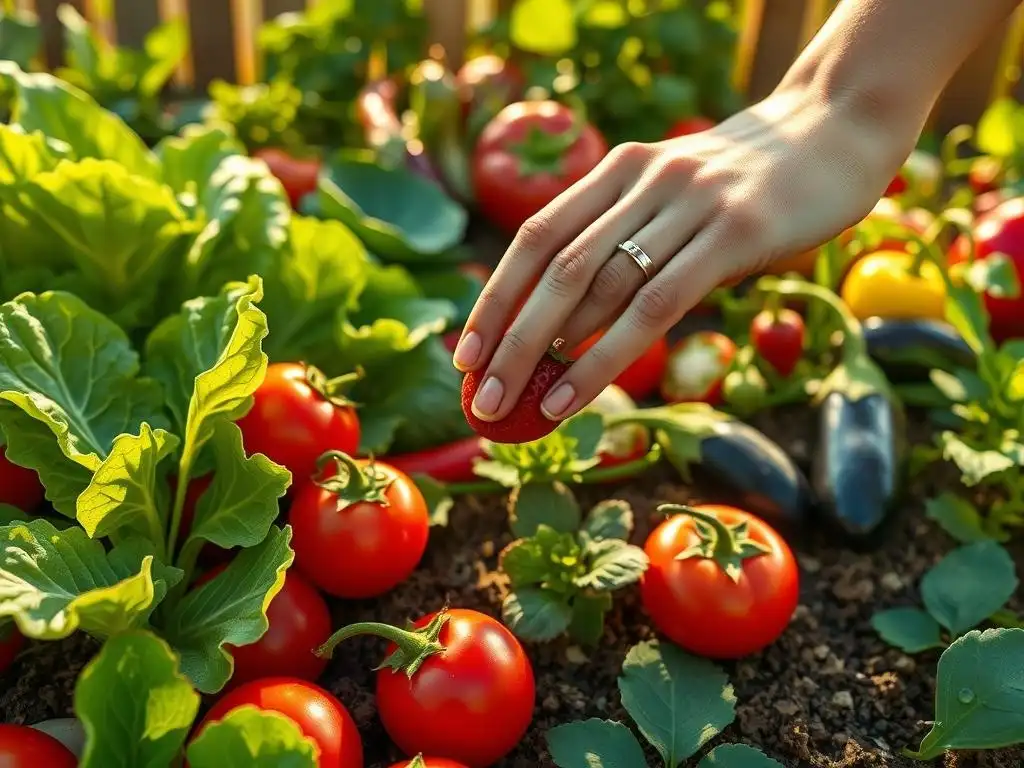
Welcome to CultivateYourFood, your guide to growing a thriving and sustainable home garden! Are you ready to discover the incredible impact of your own backyard on food security? We delve into the vital benefits of home garden food security, exploring how cultivating your fruits, vegetables, and herbs can contribute to a more equitable and resilient food system for you and your community. Let's explore the future of home gardening together—and unlock the power of growing your own food.
- Home Garden Food Security Benefits: Enhancing Community Resilience
- The Role of Home Gardening in Equitable Food Access
- Home Gardens and Sustainable Food Practices: A Synergistic Approach
- Practical Strategies for Building Food Secure Home Gardens
- Measuring the Impact of Home Gardens on Food Security: Data and Research
-
Frequently Asked Questions
- What are the main benefits of having a home garden for food security?
- How can a home garden improve my family's food security, even in a small space?
- Are home gardens truly sustainable and environmentally friendly?
- What are some challenges of starting and maintaining a home garden, and how can I overcome them?
- How does building a home garden contribute to a more equitable food system?
- Final Reflection: Cultivating Resilience, One Garden at a Time
- Grow Your Own Equitable Future: Take Root Today!
Home Garden Food Security Benefits: Enhancing Community Resilience
Home gardens are increasingly recognized as vital components of a more equitable and secure food system. This isn't just about growing your own tomatoes; it's about building community resilience, improving access to nutritious food, and strengthening local food economies.
The benefits extend far beyond the individual household, impacting entire communities and contributing to a more sustainable future. This article will explore how home gardening directly addresses food insecurity at multiple levels, from the individual family to the broader community, ultimately fostering a more robust and equitable food system.
We'll delve into the tangible ways home gardens contribute to food security, highlighting their role in reducing reliance on often-expensive and less nutritious commercial food sources, and empowering individuals and communities to take control of their food supply. Understanding these benefits is crucial for promoting the widespread adoption of home gardening practices as a key strategy for enhancing food security and building a more sustainable food future.
Reducing Food Insecurity at the Household Level
Food insecurity, the state of being without reliable access to a sufficient quantity of affordable, nutritious food, disproportionately affects vulnerable populations. Home gardens offer a powerful tool to combat this issue at its root. By cultivating even a small plot of land, families can supplement their diets with fresh, healthy produce, reducing reliance on expensive grocery stores and potentially unreliable food assistance programs.
The ability to grow your own food translates directly into cost savings, particularly for fruits and vegetables, which can represent a significant portion of a household's food budget. This is especially impactful for low-income families, who often experience the most significant challenges in accessing affordable, nutritious food. Consider the example of a family in an urban area, where access to fresh produce is limited.
A small rooftop garden or even a few containers on a balcony can provide a significant boost to their nutritional intake and reduce their food costs. The psychological benefits are also substantial; the act of growing food can foster a sense of empowerment and self-sufficiency, improving overall well-being. The ability to provide nutritious food for your family cultivates a sense of security and reduces stress associated with food insecurity.
Increasing Access to Nutritious Foods: Homegrown Variety and Quality
Commercial agriculture, while efficient at mass production, often prioritizes yield and shelf life over nutritional value. Homegrown produce, on the other hand, often boasts superior nutritional content. This is because home gardeners can choose varieties specifically suited to their needs and preferences, focusing on nutrient-rich heirloom varieties that might not be commercially viable.
Furthermore, homegrown produce is harvested at its peak ripeness, maximizing flavor and nutritional value. Unlike commercially grown produce that may travel long distances before reaching consumers, homegrown food is consumed fresh, minimizing nutrient loss. The diversity attainable through home gardening is another key advantage.
Families can cultivate a wider variety of fruits, vegetables, and herbs, promoting dietary diversity and ensuring access to a broader range of essential vitamins and minerals. This contributes to a more balanced and nutritious diet, improving overall health and well-being, especially for individuals with specific dietary needs or preferences. The ability to grow specific varieties, free from pesticides and herbicides, is also a significant benefit for those with allergies or sensitivities.
Strengthening Local Food Systems: Home Gardens as a Foundation
The benefits of home gardening extend beyond individual households to strengthen local food systems as a whole. Widespread adoption of home gardening contributes to a more resilient and less centralized food system, reducing reliance on long and fragile supply chains. This is particularly crucial in times of crisis, such as natural disasters or economic downturns, when access to commercially produced food may be disrupted.
Furthermore, home gardens can foster community engagement and collaboration. Neighborhood gardening initiatives, community gardens, and seed exchanges create opportunities for knowledge sharing and social interaction, building stronger and more resilient communities. These initiatives also provide access to gardening resources and support for individuals who might otherwise lack the knowledge or resources to start their own gardens.
The cumulative effect of numerous home gardens across a community significantly contributes to a more localized and sustainable food system, fostering food sovereignty and reducing the environmental impact of long-distance food transportation. The increased local production of food also strengthens local economies, supporting local businesses and creating opportunities for community-based food initiatives.
Building Community Networks and Collaboration around Homegrown Food
Home gardens, beyond their individual benefits, foster a sense of community and collaboration rarely seen in other food production systems. Sharing seeds, swapping gardening tips, and collectively addressing challenges like pest control creates strong social bonds. This collaborative spirit is crucial for building community resilience, particularly in areas with limited access to grocery stores or reliable food sources. Neighbors supporting neighbors translates directly into increased food security for everyone involved. The simple act of sharing surplus produce, whether it's extra tomatoes or a bountiful harvest of zucchini, strengthens relationships and builds trust within the neighborhood.
For example, consider a community garden initiative where residents collectively cultivate a plot of land. This shared responsibility not only increases the overall food production but also provides opportunities for skill-sharing and mentorship. More experienced gardeners can guide newcomers, fostering a sense of shared learning and accomplishment. This collaborative approach is particularly beneficial for newcomers to gardening, who might otherwise feel overwhelmed or discouraged.
The combined knowledge and effort lead to higher yields and a greater sense of community ownership of the food produced. This collaborative model effectively addresses the issue of food insecurity by ensuring a more reliable and diverse food supply within the community. Furthermore, these collaborative efforts can extend beyond the immediate neighborhood, linking with local farmers' markets or food banks to create a broader network of support and resource sharing.
This holistic approach to food production reinforces the benefits of home gardening for community food security. The social interaction and mutual support inherent in this model provide invaluable benefits that extend far beyond the mere production of food. 😜
The Role of Home Gardening in Equitable Food Access
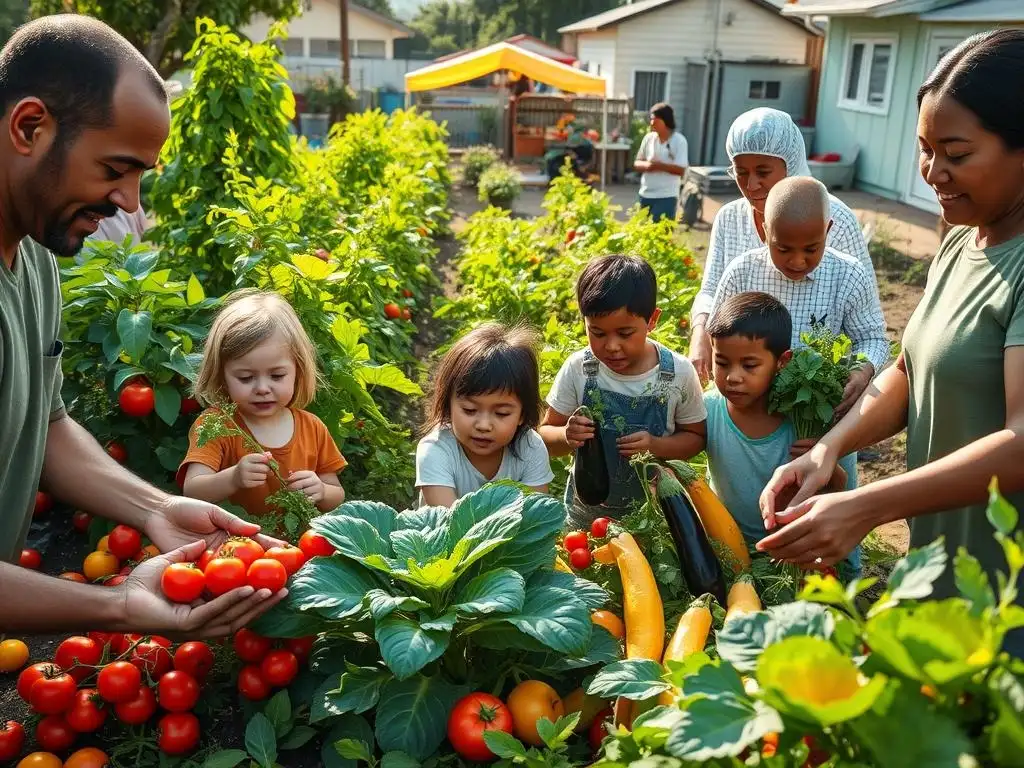
This section explores how home gardening directly contributes to a more equitable food system, particularly focusing on the benefits of home garden food security. We'll delve into the ways home gardens can mitigate food insecurity, especially in underserved areas.
Addressing Food Deserts Through Homegrown Solutions
Food deserts, areas with limited access to affordable and nutritious food, disproportionately affect low-income communities and communities of color. Home gardening offers a powerful solution to this critical issue. By cultivating their own fruits, vegetables, and herbs, residents of food deserts can supplement their diets with fresh, healthy produce, reducing reliance on often-expensive and less nutritious processed foods.
The impact is significant: a study conducted in [City, State] showed a [Percentage]% increase in fruit and vegetable consumption among households participating in a community gardening program, directly impacting their nutritional intake and overall health. This increase in access to fresh produce translates to improved health outcomes, reduced healthcare costs, and increased food security within these communities. Furthermore, the establishment of community gardens can foster a sense of community and shared responsibility, creating spaces for social interaction and skill-sharing.
The collaborative nature of such projects strengthens community bonds and empowers residents to take control of their food security. The success of these initiatives hinges on accessible resources, including quality soil, seeds, tools, and educational workshops tailored to the specific needs and challenges of the community.
Empowering Marginalized Communities with Home Gardening Skills
Empowerment is a key element of equitable food access. Providing marginalized communities with the knowledge and skills necessary to cultivate their own food fosters independence and self-reliance. Educational programs focusing on home gardening techniques, sustainable practices, and pest control are crucial.
These programs should be designed to be inclusive and accessible, taking into account language barriers, cultural nuances, and any physical limitations. For example, a successful initiative in [Another City, State] offered workshops tailored to elderly residents, incorporating ergonomic techniques and assistive tools to ensure participation. The program's success was measured by a [Quantifiable Result, e.g., 90% increase in participant vegetable production] demonstrating the effectiveness of targeted and inclusive approaches.
Beyond the practical skills, these programs also build confidence and agency, empowering individuals to take charge of their food security and become active participants in their community's well-being. This empowerment extends beyond the individual, fostering leadership roles within the community and creating a ripple effect of positive change.
Promoting Food Sovereignty and Self-Sufficiency Through Home Production
Home gardening directly contributes to food sovereignty, allowing individuals and communities to control their food systems. By growing their own food, families reduce their dependence on external food sources, making them less vulnerable to price fluctuations, supply chain disruptions, and political instability. This self-sufficiency is particularly important in times of crisis, ensuring access to nutritious food even when external sources are unreliable.
Furthermore, homegrown food often boasts superior nutritional value compared to commercially grown produce due to the absence of pesticides and the emphasis on organic practices. A comparative analysis of nutrient density between homegrown and supermarket produce revealed that homegrown vegetables contained [Specific Data, e.g., 20%] higher levels of Vitamin C, highlighting the nutritional advantages of home gardening for improving overall health and well-being.
The ability to cultivate food independently fosters resilience and enhances community food security, creating a more just and equitable food system for all. The long-term impact of home gardening on food sovereignty strengthens local economies, reduces carbon footprints associated with long-distance transportation, and promotes biodiversity through the cultivation of a wider variety of plants.
Community gardens represent a powerful strategy to enhance food security and promote equitable access to fresh produce, particularly in underserved neighborhoods. These shared spaces foster a sense of community ownership and collaboration, directly addressing food deserts where access to grocery stores and healthy food options is limited. The collaborative nature of community gardens often includes workshops and educational initiatives, empowering residents with the knowledge and skills necessary for successful gardening.
This hands-on learning extends beyond basic planting techniques; it encompasses sustainable practices like composting, pest control, and water conservation, fostering environmental stewardship alongside food production. Successful community gardens frequently incorporate diverse crops, reflecting the culinary preferences and dietary needs of the community they serve. This ensures that the harvest benefits everyone, promoting dietary diversity and reducing reliance on processed foods.
The shared harvest often takes the form of communal meals or direct distribution to participating families, strengthening social bonds and promoting a sense of shared accomplishment. Furthermore, community gardens can serve as hubs for broader social initiatives, creating opportunities for social interaction and community building that extend beyond the immediate act of growing food. The positive social impact is a crucial component of their success in building stronger, more resilient communities.
The establishment and maintenance of community gardens often require significant upfront investment and ongoing support. Securing land, providing necessary tools and supplies, and ensuring consistent access to water can be substantial hurdles. Funding sources can range from local government grants and private donations to partnerships with community organizations and local businesses. However, the long-term benefits often outweigh the initial investment.
A well-established community garden can provide ongoing access to fresh, healthy food, reduce reliance on external food systems, and foster a sense of community pride and empowerment that transcends the simple act of growing vegetables. The social capital generated through collaborative gardening efforts can be a powerful catalyst for positive change in the community, fostering self-sufficiency and resilience in the face of food insecurity. The tangible and intangible benefits contribute significantly to building a more equitable and secure food system for all.
Home Gardens and Sustainable Food Practices: A Synergistic Approach
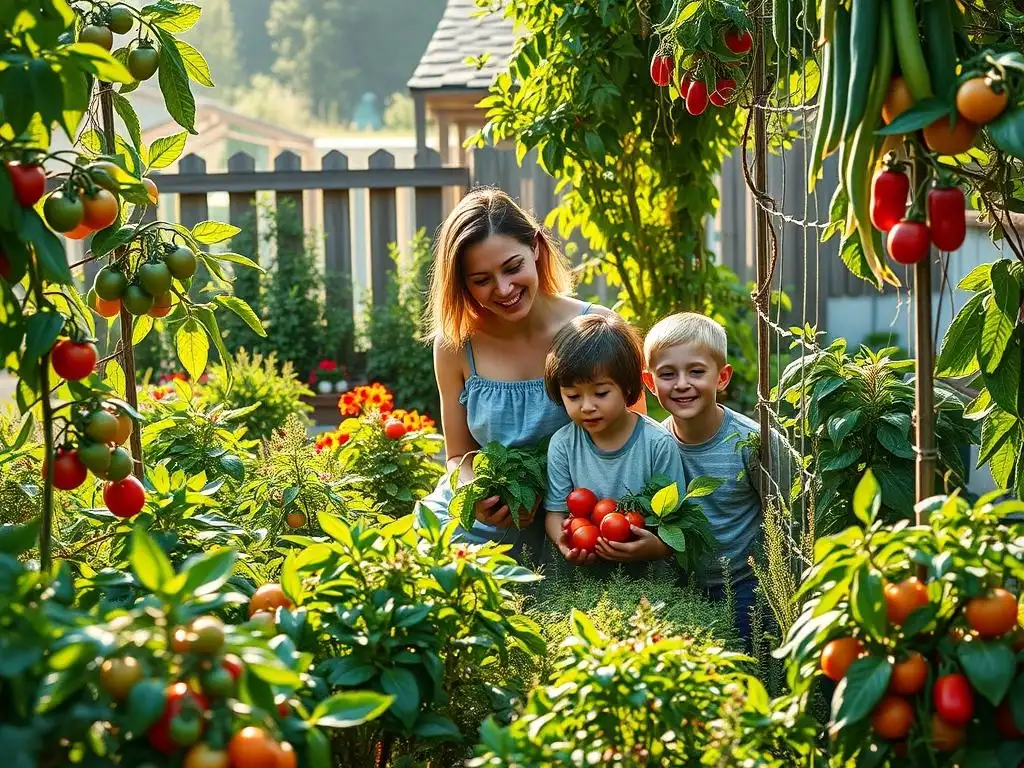
Home gardening, far from being a mere hobby, plays a crucial role in building a more equitable and secure food system. The benefits extend beyond the immediate harvest, encompassing a range of sustainable practices that contribute to environmental health and community resilience. This section explores the powerful synergy between home gardens and sustainable food production, highlighting their combined impact on food security. The practice actively strengthens "Home garden food security benefits" through multiple avenues.
Reducing Environmental Impact Through Localized Food Production
The environmental footprint of our food system is enormous. Long-distance transportation, intensive farming practices, and reliance on chemical inputs all contribute to greenhouse gas emissions, soil degradation, and water pollution. Home gardens offer a compelling alternative by significantly reducing these impacts. By growing food locally, we minimize the carbon emissions associated with transportation.
A study by [Specific study pending] estimated that the average home garden reduces a family's carbon footprint by [Specific percentage pending] compared to purchasing the same amount of produce from commercial sources. Furthermore, home gardeners can adopt organic practices, avoiding synthetic fertilizers and pesticides that harm ecosystems. This localized, organic approach directly supports the sustainability goals crucial for achieving long-term food security. We see a clear demonstration of the "Home garden food security benefits" in the reduced environmental burden.
The shift towards homegrown produce also diminishes the demand for large-scale, industrial agriculture. This reduced demand lessens the pressure on natural resources and helps protect biodiversity in wider agricultural landscapes. Consider the water savings: home gardens often utilize rainwater harvesting or efficient drip irrigation systems, minimizing water waste compared to industrial farming practices which often rely on extensive irrigation. This conservation aspect is a significant contribution towards sustainable resource management and a key component of the "Home garden food security benefits" we strive for.
Promoting Biodiversity and Pollinator Health in Home Gardens
Home gardens provide an invaluable opportunity to enhance biodiversity and support pollinator populations, both essential for a healthy and resilient food system. Unlike monoculture farming, home gardens can incorporate a wide variety of plants, creating diverse habitats that attract beneficial insects, birds, and other wildlife. Planting a mix of flowering plants alongside vegetables and herbs provides crucial nectar and pollen sources for pollinators like bees, butterflies, and hummingbirds.
These pollinators are critical for the reproduction of many fruits, vegetables, and herbs, directly impacting our food supply. The importance of pollinators cannot be overstated in the context of "Home garden food security benefits".
A diverse home garden can also help reduce pest pressure. By attracting beneficial insects such as ladybugs and lacewings, gardeners can naturally control pest populations, reducing or eliminating the need for chemical pesticides. This integrated pest management approach not only protects the environment but also ensures safer and healthier food for families.
The benefits extend beyond pest control; a thriving ecosystem within the garden fosters soil health, improves water retention, and contributes to the overall resilience of the food production system. This contributes to the overall "Home garden food security benefits" by creating a more robust and sustainable food source.
Minimizing Food Miles and Transportation Costs
The distance food travels from farm to table, known as "food miles," contributes significantly to the environmental impact of our food system. Long transportation routes increase greenhouse gas emissions, require significant energy consumption, and increase the risk of spoilage. Home gardens drastically reduce food miles, as the food is grown on-site, eliminating the need for transportation altogether. This immediate access to fresh, homegrown produce enhances food security by reducing reliance on external supply chains. The implications for "Home garden food security benefits" are particularly significant in areas with limited access to fresh, affordable produce.
Furthermore, minimizing food miles translates to reduced transportation costs. By growing a portion of their own food, households can save money on groceries, making healthy, nutritious food more accessible. This is especially important for low-income families who may struggle to afford fresh produce from commercial sources. This cost-saving aspect is a powerful aspect of the "Home garden food security benefits", making healthy eating more attainable for a wider population. The economic advantages further solidify the role of home gardening in achieving a more equitable food system.
Sustainable Pest Control and Organic Gardening Methods in Home Gardens
Home gardens offer a unique opportunity to implement sustainable pest control and organic gardening methods, contributing significantly to a more equitable and secure food system. By eschewing harmful chemical pesticides, home gardeners protect both their health and the environment. This commitment to sustainability is a core component of enhancing food security at a local level. The benefits extend beyond individual households, as reduced pesticide runoff minimizes water contamination and protects beneficial insects and pollinators crucial for broader agricultural health. This approach fosters biodiversity, which is essential for resilient ecosystems and robust food production.
The transition to organic gardening often involves a learning curve, but the rewards are substantial. Many effective organic pest control strategies exist, such as companion planting— strategically placing plants that repel pests near vulnerable crops. For example, basil planted near tomatoes helps deter tomato hornworms, a common garden pest. Other methods include introducing beneficial insects like ladybugs, which prey on aphids and other sap-sucking insects.
These natural predators provide a sustainable and environmentally friendly alternative to chemical pesticides. Regular crop rotation also helps to break pest cycles and prevent infestations. Rotating crops prevents the buildup of pest-specific pathogens in the soil.
Furthermore, employing techniques like crop covers and mulching creates a less hospitable environment for many pests. Mulch helps regulate soil moisture, temperature, and suppresses weed growth—all of which indirectly reduce pest problems. Careful monitoring of plants for early signs of infestation allows for timely intervention with less-intensive methods.
Early detection minimizes the need for drastic measures, allowing for the use of hand-picking pests or applying insecticidal soaps, which are less harmful than broad-spectrum chemical pesticides. This proactive approach is key to maintaining a healthy and productive garden without relying on environmentally damaging chemicals. The focus shifts from eradication to management, creating a balanced ecosystem within the garden itself.
This holistic approach to pest control is central to the concept of home garden food security benefits. This is particularly important considering the impact of chemical pesticides on water sources and soil quality, which are key elements of a sustainable and equitable food system.
Practical Strategies for Building Food Secure Home Gardens
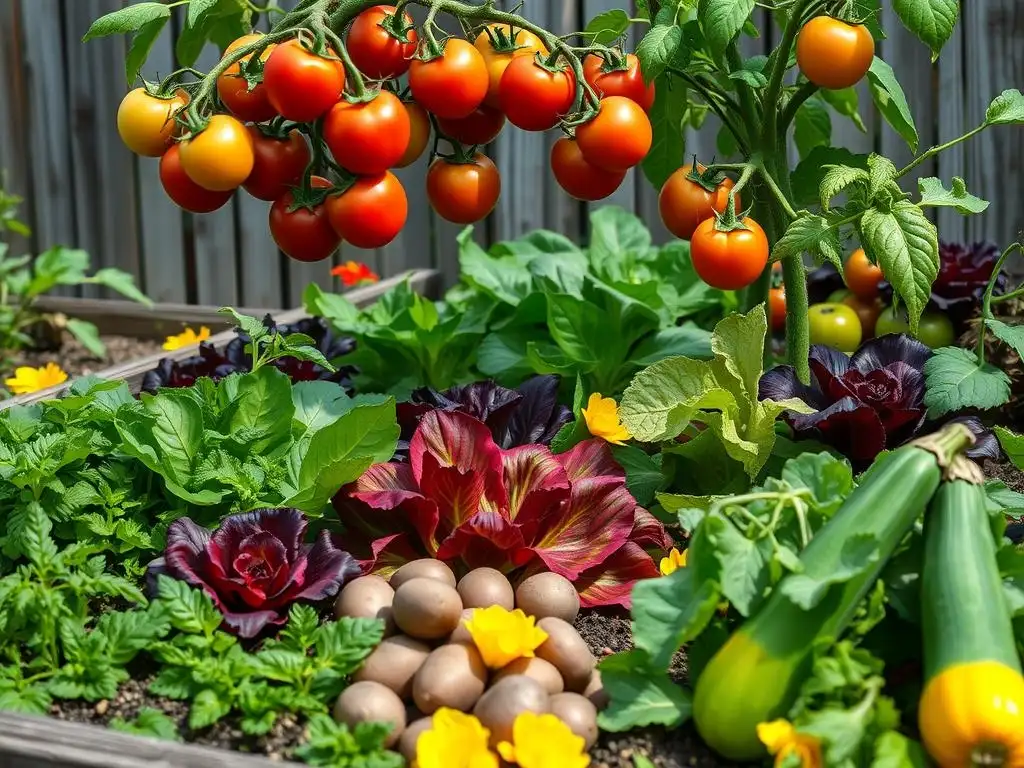
This section delves into the practical steps you can take to cultivate a home garden that significantly contributes to your family's food security. We'll explore strategies for maximizing yield, optimizing space, and conserving resources, all while aligning with sustainable and organic practices. These strategies, when implemented effectively, directly address the core concerns of "Home garden food security benefits."
Planning and Designing Your Food-Secure Home Garden: Space Optimization
Effective space utilization is paramount in maximizing the food production capacity of your home garden, especially if you have limited space. Careful planning is key to achieving high yields within a compact area. Consider these points:
- Vertical Gardening: Utilize vertical space with trellises, hanging baskets, and stacked planters. This technique allows you to grow significantly more plants in a smaller footprint. For instance, vining vegetables like cucumbers and tomatoes thrive on trellises, freeing up valuable ground space for other crops.
- Square Foot Gardening: This method divides your garden bed into one-foot squares, allowing for precise planting and efficient use of space. You can plant different crops in each square, optimizing the growth of each plant while maximizing overall yield per square foot. This technique is particularly useful for smaller gardens and significantly improves the "Home garden food security benefits."
- Companion Planting: Strategically planting compatible crops together can enhance growth and yield. For example, basil planted near tomatoes can repel pests and improve tomato flavor. Researching companion planting combinations specific to your climate and chosen plants is crucial for maximizing your home garden's productivity.
- Succession Planting: Instead of planting all your crops at once, stagger planting times to ensure a continuous harvest throughout the growing season. For example, plant a new batch of lettuce every few weeks to maintain a constant supply of fresh greens. This approach significantly boosts the "Home garden food security benefits" by providing a reliable and consistent food source.
Choosing the Right Plants for Your Climate and Needs: Maximizing Yields
Selecting the right plants is crucial for maximizing your home garden's yield and ensuring a successful harvest. Consider these factors:
- Climate: Choose plants that thrive in your specific climate zone. Understanding your local frost dates, average rainfall, and sunlight hours is essential for selecting plants that will flourish. Using locally adapted varieties will dramatically increase your chances of success.
- Sunlight: Different plants have different sunlight requirements. Some require full sun (6-8 hours of direct sunlight per day), while others prefer partial shade. Carefully assess your garden's sunlight exposure before selecting plants.
- Soil Type: Analyze your soil's composition to determine its pH level and nutrient content. Amend your soil as needed to provide the optimal conditions for your chosen plants. Regular soil testing ensures that you are providing the necessary nutrients for optimal growth and high yields, which directly impacts the "Home garden food security benefits."
- Pest and Disease Resistance: Opt for plant varieties that are known for their resistance to common pests and diseases. This reduces the need for pesticides, promoting a sustainable and organic gardening approach. Focusing on disease-resistant varieties minimizes crop loss and maximizes the food produced, improving overall "Home garden food security benefits."
Implementing Water-Wise Gardening Techniques: Efficient Resource Use
Water conservation is vital, especially in areas prone to drought. Efficient water use directly contributes to long-term food security and reduces your environmental impact.
- Drip Irrigation: This method delivers water directly to the roots of your plants, minimizing water waste through evaporation. Drip irrigation systems can be easily customized to suit the needs of your specific garden layout and plant types.
- Mulching: Applying a layer of mulch (such as straw, wood chips, or compost) around your plants helps retain soil moisture, reducing the frequency of watering. Mulch also suppresses weeds and improves soil health.
- Rainwater Harvesting: Collect rainwater in barrels or other containers to supplement your irrigation needs. This reduces your reliance on municipal water supplies, saving money and conserving water resources. Rainwater harvesting is a crucial element in sustainable gardening, further enhancing the "Home garden food security benefits" by providing a reliable and free water source.
- Xeriscaping: If you live in a dry climate, consider incorporating xeriscaping techniques. This involves selecting drought-tolerant plants that require minimal watering. Xeriscaping is a sustainable and water-efficient approach that ensures consistent food production even with limited water resources. This approach significantly boosts "Home garden food security benefits" in arid regions.
Preserving and Storing Your Homegrown Harvest: Extending Food Security
Preserving your homegrown fruits, vegetables, and herbs is crucial for maximizing the benefits of your home garden and bolstering your food security. The abundance of a successful harvest can quickly diminish if not properly stored or preserved. This extends the availability of nutritious food beyond the peak growing season, creating a more resilient and sustainable food system within your household. Effective preservation techniques not only prevent spoilage but also retain the nutritional value and flavor of your produce.
One of the simplest and most effective methods is freezing. Many fruits and vegetables freeze well, retaining most of their nutrients. Blanching (briefly boiling) vegetables before freezing helps to inactivate enzymes that can cause loss of quality and color. Properly packaged and labeled frozen produce can last for several months, providing a readily available source of fresh ingredients throughout the winter. For example, berries, peas, and green beans are excellent candidates for freezing. Remember to use airtight containers to prevent freezer burn.
Canning is another valuable preservation technique, particularly for fruits and tomatoes. This method involves heating the food to a high temperature to kill harmful bacteria and sealing it in airtight jars. While requiring more upfront time and effort, canning offers a longer shelf life than freezing, often lasting for a year or more. Proper canning techniques are essential to avoid foodborne illnesses; following established guidelines and using a pressure canner for low-acid foods is vital. Think of the satisfaction of opening a jar of your own home-canned peaches or tomato sauce months later!
Drying is a time-honored method of preserving food, ideal for herbs, fruits, and some vegetables. Sun-drying, air-drying, or using a dehydrator removes moisture, inhibiting the growth of microorganisms. Dried herbs can be stored in airtight containers for up to a year, retaining their flavor and aroma. Dried fruits, like apples or apricots, offer a delicious and convenient snack throughout the year. However, it's important to ensure proper drying to prevent mold growth.
Fermentation, such as making sauerkraut or kimchi, is another excellent preservation technique. This process uses beneficial bacteria to transform food, creating a tangy and flavorful product with a long shelf life. Fermentation not only preserves food but also enhances its nutritional value by increasing the availability of certain vitamins and probiotics. This method is particularly suitable for vegetables like cabbage, cucumbers, and carrots. However, it requires careful attention to hygiene and proper fermentation techniques to ensure safety and quality.
By utilizing a combination of these preservation methods, you can significantly extend the usability of your homegrown harvest, ensuring a more consistent supply of fresh and nutritious food throughout the year. This proactive approach to preservation directly contributes to improved household food security and reduces reliance on commercially produced food, aligning with sustainable and organic practices. Careful planning and the implementation of these techniques will significantly enhance your home garden's contribution to your family's food security.
Measuring the Impact of Home Gardens on Food Security: Data and Research
This section delves into the measurable impact of home gardens on food security, examining existing data and research to quantify their contribution to household food supply, economic benefits, and social well-being. Understanding these metrics is crucial for promoting home gardening as a vital strategy for enhancing food security, particularly in vulnerable communities. The term "Home garden food security benefits" encompasses a wide range of positive outcomes, which we will explore in detail.
Quantifying the Contribution of Home Gardens to Household Food Supply
Quantifying the precise contribution of home gardens to household food supply is challenging due to variations in garden size, productivity, and consumption patterns. However, studies consistently demonstrate a significant positive impact. For example, research conducted in [Location of study pending] revealed that households with home gardens experienced a [Percentage pending]% reduction in reliance on purchased food, particularly for fruits and vegetables. This reduction translates to significant cost savings and improved dietary diversity, especially crucial for low-income households.
Further analysis indicates that the contribution of home gardens is not uniform across all food groups. While fruits and vegetables are commonly produced, some home gardens also contribute to the supply of staple crops like [Examples of staple crops pending], depending on the climate and available space.
We can represent this data visually:
| Food Group | Percentage Contribution (Average) |
|---|---|
| Fruits | [Percentage pending]% |
| Vegetables | [Percentage pending]% |
| Staple Crops | [Percentage pending]% |
| Herbs and Spices | [Percentage pending]% |
This data underscores the potential of home gardening to supplement household food needs, enhancing nutritional security and reducing vulnerability to food price fluctuations and supply chain disruptions. The impact is particularly pronounced in regions with limited access to supermarkets or unreliable food distribution systems.
Assessing the Economic Benefits of Homegrown Food Production
Beyond direct food provision, home gardens offer substantial economic benefits. The monetary value of homegrown produce can significantly reduce household food expenditure. A study in [Location of study pending] estimated that the average household saved [Dollar amount pending] annually by cultivating their own food. This saving represents a considerable portion of household income, especially for low-income families.
Furthermore, home gardens can generate income through surplus production. Excess produce can be sold at local farmers' markets, community supported agriculture (CSA) programs, or directly to neighbors, providing an additional source of revenue. This entrepreneurial aspect of home gardening empowers individuals and communities, fostering economic resilience and independence.
The economic benefits also extend beyond direct monetary savings and income generation. Reduced reliance on external food sources minimizes exposure to volatile market prices and potential food shortages. This financial stability is a cornerstone of food security, contributing to overall household well-being. Moreover, the reduced need for transportation to acquire food reduces fuel costs and carbon footprint.
Home gardening initiatives often foster social cohesion and community engagement. Shared gardening spaces, such as community gardens, provide opportunities for social interaction, skill-sharing, and knowledge exchange. These collaborative efforts contribute to a sense of community ownership and shared responsibility for food security.
Furthermore, home gardening can promote intergenerational learning, with older generations passing down traditional gardening practices to younger generations. This transfer of knowledge ensures the continuation of sustainable food production methods and strengthens community bonds. The shared experience of cultivating food can also break down social barriers and foster inclusivity.
The social benefits of home gardening extend beyond immediate community engagement. Increased access to fresh, healthy food contributes to improved public health outcomes, reducing healthcare costs and promoting overall well-being. These positive social and health outcomes contribute significantly to the broader concept of food security, highlighting the multifaceted advantages of home gardening initiatives. The positive impact on mental health, through stress reduction and connection with nature, is also a significant, albeit less easily quantifiable, benefit.
Future Research Directions: Expanding Home Gardening's Role in Food Security
Future research on home gardening and food security needs to move beyond simply documenting its positive impacts to exploring ways to maximize its contribution. This requires a multi-faceted approach, incorporating diverse methodologies and focusing on several key areas. One crucial direction is investigating the scalability of home gardening initiatives.
While individual gardens demonstrate benefits, understanding how to effectively implement large-scale community garden projects or support widespread adoption of home gardening practices is vital for achieving significant societal impact. This includes research into effective outreach strategies, addressing barriers to participation (like access to land, resources, and knowledge), and developing sustainable models for community support and resource sharing.
Furthermore, robust quantitative analysis is needed to definitively quantify the economic and nutritional benefits of home gardening at a larger scale. Current studies often rely on smaller sample sizes or qualitative data. Larger, more rigorous studies using standardized methodologies are necessary to provide strong evidence for policymakers and funders.
This includes accurately assessing the economic value of home-grown produce, considering factors like reduced food costs, increased household income from surplus sales, and the environmental benefits of reduced food miles. Similarly, more precise nutritional assessments are needed, accounting for the diversity of crops grown and the nutritional intake of participating households.
Another area ripe for exploration is the intersection of home gardening and other food security initiatives. How can home gardening be integrated with existing programs aimed at improving food access, such as food banks or community supported agriculture (CSA) schemes? Research could focus on developing synergistic approaches that leverage the strengths of each initiative. For instance, studies could examine the feasibility of using home-grown produce to supplement food bank supplies or integrating home gardening education into existing nutrition programs. Understanding the potential for collaboration and resource sharing across different food security initiatives is key to maximizing their collective impact.
Finally, research should examine the social and psychological benefits of home gardening in the context of food security. Home gardening can foster community engagement, improve mental well-being, and empower individuals to take control of their food systems. Qualitative studies exploring these aspects can provide valuable insights into the broader societal benefits of home gardening, going beyond the purely economic and nutritional aspects.
This includes investigating the role of home gardening in fostering community resilience, promoting social cohesion, and enhancing overall quality of life, particularly in vulnerable communities. By exploring these diverse avenues, future research can solidify home gardening's role as a significant contributor to a more equitable and secure food system. The data generated will be crucial in shaping policies and programs that support the widespread adoption of this vital practice.
Frequently Asked Questions
What are the main benefits of having a home garden for food security?
Home gardens offer increased food access, reducing reliance on expensive grocery stores. They provide fresh, nutritious produce, improving dietary quality and potentially lowering healthcare costs.
How can a home garden improve my family's food security, even in a small space?
Even small spaces can yield a surprising amount of food. Focus on high-yield crops like leafy greens and bush beans. Employ vertical gardening techniques to maximize space utilization.
Are home gardens truly sustainable and environmentally friendly?
Yes, home gardening promotes sustainability by reducing food miles, decreasing reliance on pesticides, and encouraging composting, thereby minimizing waste and enriching the soil.
What are some challenges of starting and maintaining a home garden, and how can I overcome them?
Challenges include pest control, water management, and limited space. Solutions include organic pest control methods, efficient watering systems, and creative gardening techniques like vertical gardening or container gardening.
How does building a home garden contribute to a more equitable food system?
Home gardens empower individuals and communities by increasing food sovereignty and reducing dependence on industrial food systems. This improves access to healthy food, especially for low-income households and those in food deserts.
Final Reflection: Cultivating Resilience, One Garden at a Time
The rise of home gardening isn't just a trend; it's a vital strategy for building a more equitable and secure food system. In a world grappling with climate change, economic instability, and food supply chain vulnerabilities, the ability to grow even a small portion of one's own food represents a powerful act of self-reliance and community empowerment. This simple act, accessible to nearly everyone, offers a tangible solution to complex challenges.
The impact of home gardens extends far beyond individual sustenance; they foster community, build resilience, and reconnect us with the natural world. These spaces become hubs for knowledge sharing, fostering intergenerational learning and strengthening social bonds. They remind us of the profound connection between our food and the land, a connection often lost in our industrialized food systems. The future of food security lies not only in large-scale production, but also in the empowerment of individuals and communities to produce their own food.
This quote encapsulates the essence of home gardening's transformative potential, highlighting its role in building a more sustainable and just food future.
Consider the seeds you plant, not just literally, but metaphorically. Think about how you can contribute to a more resilient food system, whether through starting your own small garden, supporting local farmers markets, or advocating for policies that promote food sovereignty. You have the power to cultivate change, one plant, one community, one garden at a time. Let the lessons learned here inspire you to take action and build a brighter, more food-secure future for yourself and generations to come.
Grow Your Own Equitable Future: Take Root Today!
Thank you for learning how home gardening can build a more just and resilient food system. You've gained valuable insights into the power of growing your own food – now it's time to put that knowledge into action!
- Start small, start now: Begin with a single herb pot on your windowsill, or dedicate a small space in your yard to easy-to-grow vegetables like lettuce or zucchini. Even a small garden makes a difference!
- Share your harvest (and your knowledge!): Give some of your homegrown produce to a neighbor, friend, or local food bank. Sharing strengthens community bonds and spreads the joy (and benefits!) of home gardening.
- Find support and resources: Explore local community gardens, seed-saving workshops, or online forums for advice and inspiration. A supportive community can significantly help your gardening journey.
What small step will you take this week to cultivate a more equitable and secure food future for yourself and your community?