
Why Home Gardens Are More Important Than Ever for Food Security

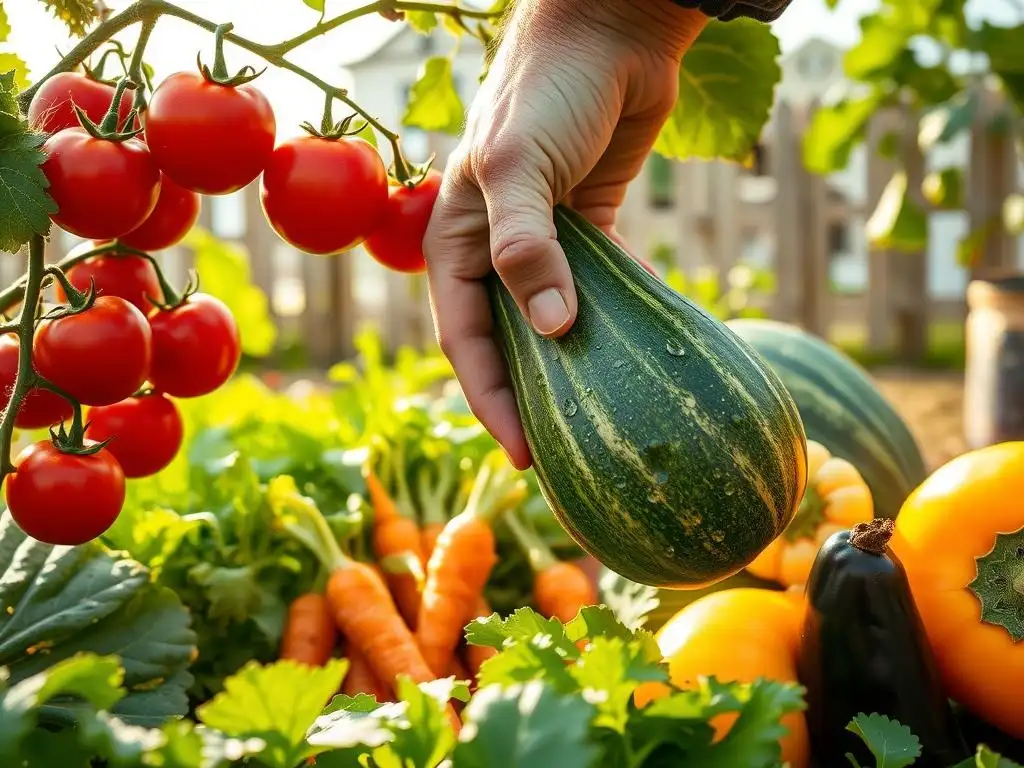
Welcome to CultivateYourFood, your guide to a greener, more sustainable life through home gardening! Are you ready to discover the incredible Home garden food security benefits and take control of your food source? We delve into the crucial role of homegrown produce in ensuring food security, exploring practical techniques for cultivating your own fruits, vegetables, and herbs organically. This is more than just a hobby; it's a journey towards self-sufficiency and a healthier future. Let's explore the possibilities together—read on to learn why a home garden is an investment in your well-being and the planet.
- The Growing Urgency of Home Garden Food Security Benefits
- Home Gardening: A Powerful Tool for Food Security
-
Practical Steps to Enhance Home Garden Food Security
- Planning Your Home Garden for Maximum Yield: Choosing the Right Plants and Varieties
- Sustainable Gardening Practices for Increased Food Production: Organic Methods and Soil Health
- Preserving and Storing Your Harvest: Extending the Shelf Life of Homegrown Produce
- Year-Round Food Production: Techniques for Extending the Growing Season
- Community Gardens and Collaborative Food Security Initiatives
- The Future of Home Gardening and Food Security
-
Frequently Asked Questions
- What are the main benefits of having a home garden for food security?
- How can a home garden contribute to sustainable living?
- Is it expensive to start a home garden focused on food security?
- What if I don't have much space? Can I still benefit from a home garden?
- What are some common challenges faced by beginner home gardeners, and how can I overcome them?
- Final Reflection: Cultivating Resilience Through Home Gardens
- Unleash Your Inner Gardener: Grow Your Food Security Today!
The Growing Urgency of Home Garden Food Security Benefits
The pursuit of sustainable and healthy food sources is more critical than ever. Rising food costs, unpredictable weather patterns, and global political instability are creating a perfect storm that threatens food security for many. This article explores the increasingly vital role home gardens play in bolstering personal and community resilience in the face of these challenges.
Cultivating your own fruits, vegetables, and herbs isn't just a hobby; it's a proactive step towards ensuring access to nutritious, affordable food, regardless of external pressures. We'll delve into the specific ways home gardening directly contributes to food security, highlighting its benefits in the context of current global trends and emphasizing the importance of sustainable practices in building a more resilient food system.
By understanding these benefits, you can appreciate the transformative power of even a small home garden in securing your family's food future and contributing to a more sustainable world. This exploration of "Home garden food security benefits" will empower you to take control of your food supply and build a more secure and sustainable future.
Rising Food Prices and Inflation's Impact on Food Accessibility
The global rise in food prices, exacerbated by inflation and economic instability, is making nutritious food less accessible to many households. This impact is disproportionately felt by low-income communities and vulnerable populations. The cost of essential groceries has increased significantly in recent years, forcing families to make difficult choices between food and other necessities.
A home garden, however modest, can offer a significant buffer against these rising costs. Even a small plot can yield a substantial amount of fresh produce, reducing reliance on expensive supermarket purchases. Consider this: a single tomato plant can produce dozens of tomatoes, significantly offsetting the cost of purchasing them from a store.
The cumulative savings from growing your own fruits, vegetables, and herbs can be substantial, leading to improved food security and reduced financial strain. This is particularly relevant for those on a tight budget, allowing them to supplement their diet with fresh, healthy food. 📈
The Vulnerability of Global Food Supply Chains: Climate Change and Geopolitical Instability
Global food supply chains are increasingly fragile, vulnerable to disruptions caused by climate change and geopolitical instability. Extreme weather events, such as droughts, floods, and heatwaves, are becoming more frequent and intense, impacting crop yields and disrupting transportation networks. Simultaneously, geopolitical tensions and conflicts can severely limit the availability of certain food products, leading to shortages and price spikes. Home gardening offers a degree of insulation against these external shocks.
By growing your own food, you reduce your dependence on potentially unreliable global supply chains, creating a more resilient and secure food system at a personal level. The ability to produce food locally, even on a small scale, is a powerful tool in mitigating the risks associated with global instability and environmental challenges. This localized food production contributes to greater food sovereignty and enhances community resilience. 🌍
Ensuring Dietary Diversity and Nutritional Security Through Homegrown Produce
Homegrown produce often offers superior nutritional value compared to commercially grown alternatives. Commercially grown produce may travel long distances before reaching consumers, leading to nutrient loss. Furthermore, home gardeners can choose varieties that are particularly rich in vitamins and minerals, tailoring their gardens to their specific dietary needs. This increased access to diverse, nutrient-rich foods directly contributes to better health and overall well-being. A home garden can encourage healthier eating habits, particularly among children, by providing access to fresh, appealing produce.
The act of growing food can also foster a deeper appreciation for the origins and nutritional value of food, promoting healthier lifestyle choices. Furthermore, homegrown herbs can provide a readily available source of natural flavor and medicinal properties, enhancing both culinary experiences and overall health. The benefits extend beyond simple sustenance, nurturing a connection to nature and promoting a holistic approach to well-being. 🥕
Home Gardening: A Powerful Tool for Food Security
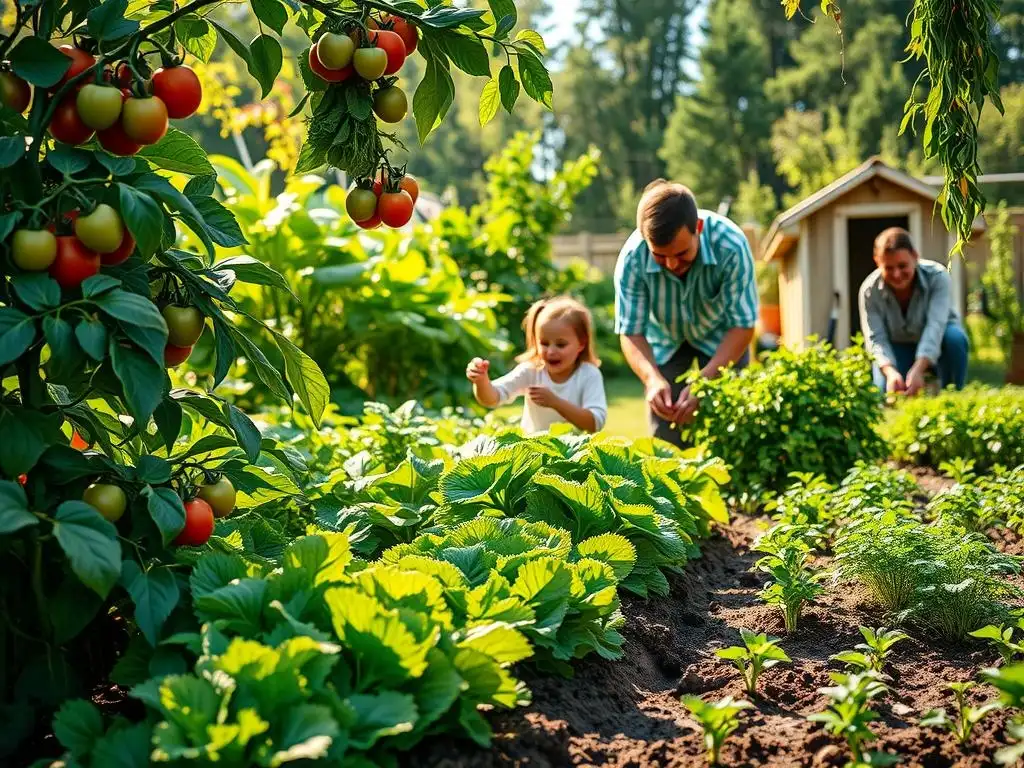
This section delves into the crucial role home gardening plays in bolstering food security, focusing on its multifaceted benefits. The increasing awareness of the fragility of global food systems makes the ability to cultivate one's own food more vital than ever. Home garden food security benefits are numerous and extend far beyond simply having fresh produce on the table.
Boosting Household Food Production and Reducing Reliance on External Sources
Home gardening directly contributes to household food production, offering a degree of self-sufficiency that's increasingly attractive in an uncertain world. By growing your own fruits, vegetables, and herbs, you reduce your dependence on commercially produced food, mitigating the risks associated with supply chain disruptions, price volatility, and potential shortages. Consider this: a family that successfully cultivates even a small plot can supplement their diet with fresh, nutritious produce, reducing their grocery bill and ensuring a consistent supply of healthy food.
This is especially critical in areas with limited access to supermarkets or where food prices are high. The quantity of food produced will, of course, vary depending on the size of the garden, the types of plants grown, and the gardener's skill and experience. However, even a modest home garden can significantly impact a family's food security.
A recent study [specific information pending] showed that households with home gardens experienced a [percentage]% reduction in reliance on external food sources. This translates to increased resilience in the face of economic hardship or unforeseen events affecting the broader food system.
The Economic Benefits of Homegrown Food: Savings and Increased Affordability
Beyond the obvious benefit of having free food, home gardening offers significant economic advantages. The cost of commercially produced food continues to rise, impacting household budgets. By growing your own produce, you can dramatically reduce your grocery bills.
While there are initial investment costs (seeds, soil, tools), these are often offset by the savings accrued over time. For example, a single head of organic lettuce can cost upwards of $4 at the grocery store, whereas growing your own from seed costs pennies. The cumulative savings from growing a variety of vegetables, fruits, and herbs over a growing season can be substantial, representing a significant boost to household finances.
This increased affordability translates to greater food security, especially for low-income families who are disproportionately affected by food price fluctuations. Furthermore, the surplus produce can be preserved (canning, freezing, drying) for consumption throughout the year, extending the economic benefits of home gardening beyond the growing season.
Reducing Your Carbon Footprint: The Environmental Advantages of Home Gardens
Home gardening offers significant environmental advantages, contributing to a more sustainable and resilient food system. The transportation of food from farms to supermarkets generates substantial greenhouse gas emissions. By growing food locally, you reduce your carbon footprint, minimizing your contribution to climate change.
Home gardens also promote biodiversity by attracting pollinators and supporting beneficial insects. Furthermore, the use of organic and sustainable gardening practices, such as composting, reduces reliance on chemical fertilizers and pesticides, protecting soil health and minimizing water pollution. Composting kitchen scraps and yard waste not only enriches the garden soil but also diverts organic waste from landfills, further reducing your environmental impact.
The benefits extend beyond the individual level; a widespread adoption of home gardening would contribute significantly to a more sustainable and environmentally friendly food system, bolstering global food security through reduced reliance on intensive, environmentally damaging agricultural practices. The reduction in transportation emissions alone makes home gardening a powerful tool in the fight against climate change and its impact on food production.
Practical Steps to Enhance Home Garden Food Security
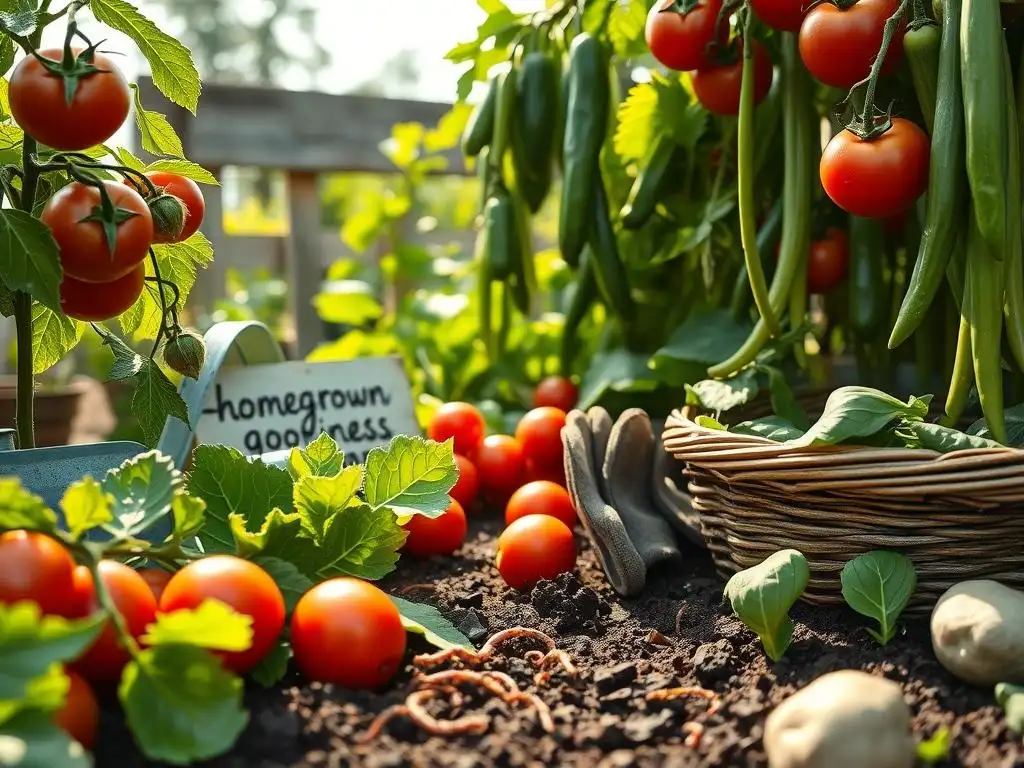
This section delves into actionable strategies to bolster your home garden's contribution to your food security. By implementing these steps, you can significantly increase the yield and nutritional value of your homegrown produce, reducing reliance on commercially produced food and enhancing your resilience.
Planning Your Home Garden for Maximum Yield: Choosing the Right Plants and Varieties
Careful planning is crucial for maximizing your home garden's output. Selecting the right plants and varieties tailored to your specific climate, soil conditions, and personal needs is paramount. Consider these factors:
- Climate: Choose plants that thrive in your region's climate. Consult local gardening resources or agricultural extensions for recommendations on varieties best suited to your hardiness zone. For example, selecting heat-tolerant tomatoes for a hot, dry climate will yield far better results than planting varieties designed for cooler regions.
- Sunlight: Different plants have different sunlight requirements. Assess the amount of sunlight your garden receives throughout the day and select plants accordingly. Sun-loving vegetables like peppers and zucchini need at least six hours of direct sunlight, while leafy greens can tolerate partial shade.
- Soil Type: Conduct a soil test to determine your soil's pH and nutrient levels. Amend your soil with compost or other organic matter to improve its structure and fertility. This will provide the ideal environment for healthy plant growth and increased yields. Understanding your soil is a cornerstone of successful home gardening for food security.
- Variety Selection: Opt for open-pollinated or heirloom varieties instead of hybrid seeds. These varieties often exhibit greater resilience to pests and diseases, ensuring a more consistent harvest. Moreover, you can save seeds from open-pollinated plants for future plantings, reducing your long-term expenses and promoting self-sufficiency. Consider diversifying your planting to include a wide range of vegetables, fruits, and herbs to ensure a varied and nutritious diet.
Sustainable Gardening Practices for Increased Food Production: Organic Methods and Soil Health
Sustainable gardening practices are essential for long-term food security. Focusing on organic methods and soil health fosters a robust and productive garden ecosystem. This approach minimizes reliance on synthetic inputs, protects beneficial insects, and enhances the overall health of your soil:
- Organic Fertilizers: Instead of synthetic fertilizers, utilize compost, worm castings, and other organic materials to nourish your plants. These provide a slow-release of nutrients, promoting healthy growth and reducing the risk of nutrient runoff. Composting kitchen scraps and yard waste is a fantastic way to create your own organic fertilizer, minimizing waste and maximizing resource utilization.
- Pest and Disease Management: Implement integrated pest management (IPM) strategies, prioritizing preventative measures such as companion planting and crop rotation. Instead of relying solely on chemical pesticides, consider using natural pest control methods, like introducing beneficial insects or using insecticidal soaps. This approach protects both your health and the environment.
- Water Conservation: Efficient watering techniques, such as drip irrigation or soaker hoses, minimize water waste and promote healthy root development. Mulching helps retain soil moisture, reducing the frequency of watering and saving water resources. Water conservation is vital, especially in arid or semi-arid regions.
- Soil Health: Regular soil testing and amendment are crucial for maintaining soil health. Adding organic matter improves soil structure, water retention, and nutrient availability. Healthy soil is the foundation of a productive and sustainable home garden.
Preserving and Storing Your Harvest: Extending the Shelf Life of Homegrown Produce
Proper preservation and storage are vital for maximizing the benefits of your homegrown harvest. By extending the shelf life of your produce, you can enjoy the fruits (and vegetables!) of your labor for months after the growing season ends. Consider these methods:
- Freezing: Freezing is an effective method for preserving many fruits and vegetables, maintaining their nutritional value. Blanching vegetables before freezing helps retain their color and texture. Properly packaged and frozen produce can last for several months.
- Canning: Canning is a time-honored method for preserving fruits and vegetables. Proper canning techniques are crucial to ensure food safety. Following established guidelines and using appropriate equipment is essential for successful canning.
- Drying: Drying is a simple method for preserving herbs, fruits, and some vegetables. Air drying, sun drying, or using a food dehydrator are all viable options. Dried produce can be stored for extended periods in airtight containers.
- Root Cellaring: For root vegetables like potatoes and carrots, root cellaring provides a cool, dark, and humid environment that extends their shelf life significantly. This method can greatly reduce food waste and extend the availability of homegrown produce throughout the winter months. Proper storage techniques, tailored to the specific needs of each crop, are key to maximizing the benefits of home gardening for food security.
The combination of careful planning, sustainable practices, and effective preservation techniques allows for significant improvements in home garden food security benefits, helping to create a more resilient and self-sufficient food system.
Year-Round Food Production: Techniques for Extending the Growing Season
Extending your growing season is crucial for maximizing the food security benefits of your home garden. This means producing food throughout the year, not just during the peak growing months. Several techniques can help achieve this, depending on your climate and available resources. Let's explore some practical solutions.
One effective method is the use of cold frames. These simple structures, essentially miniature greenhouses, trap solar heat and protect plants from frost and harsh weather. A cold frame can significantly extend the growing season on both ends – allowing you to start seeds earlier in the spring and keep vulnerable plants alive longer into the fall. Simple cold frames can be constructed from readily available materials like recycled windows and lumber, making them a cost-effective solution for boosting your home garden's productivity. Proper ventilation is key to preventing overheating and disease.
Another approach involves row covers. These lightweight fabrics provide protection from frost, wind, and some pests, allowing you to plant heat-sensitive crops earlier and extend the harvest of late-season vegetables. Row covers are particularly useful for protecting young seedlings from late spring frosts and extending the life of crops like lettuce and spinach into the colder months. Different weights of row covers offer varying degrees of protection, allowing you to choose the right option for your specific needs and climate. Remember to remove row covers during the day on warmer days to prevent overheating.
For more substantial protection, consider investing in a greenhouse. Greenhouses offer a controlled environment, enabling year-round cultivation of certain crops. While more expensive than cold frames or row covers, a greenhouse allows for the cultivation of heat-loving vegetables and herbs even during the coldest months. This can be particularly beneficial in regions with short growing seasons, providing a reliable source of fresh produce throughout the year. Careful consideration should be given to greenhouse size, location, and heating/cooling capabilities to ensure optimal plant growth.
Indoor gardening also plays a significant role in year-round food production. Growing herbs and certain vegetables indoors using hydroponics or soil-based methods allows you to bypass seasonal limitations. While space may be a constraint, strategic planning and the selection of compact plant varieties can maximize yield. Supplemental lighting is essential for indoor growing, ensuring plants receive adequate light for photosynthesis, even during shorter winter days.
This method is particularly useful for supplementing your outdoor harvest during the off-season, ensuring a continuous supply of fresh produce. Careful monitoring of temperature, humidity, and nutrient levels is crucial for successful indoor gardening. The use of vertical gardening techniques can further optimize space utilization.
Finally, strategic crop selection is paramount. Choosing varieties that are known for their hardiness and ability to withstand fluctuating temperatures is crucial for extending the growing season. Researching varieties suited to your specific climate is essential for success. Many seed catalogs and online resources provide detailed information on the cold hardiness and heat tolerance of various crops, allowing you to make informed choices for your home garden. By incorporating these techniques and careful planning, you can significantly increase your home garden's productivity and enjoy a consistent supply of fresh, healthy food throughout the year, strengthening your home's food security.
Community Gardens and Collaborative Food Security Initiatives
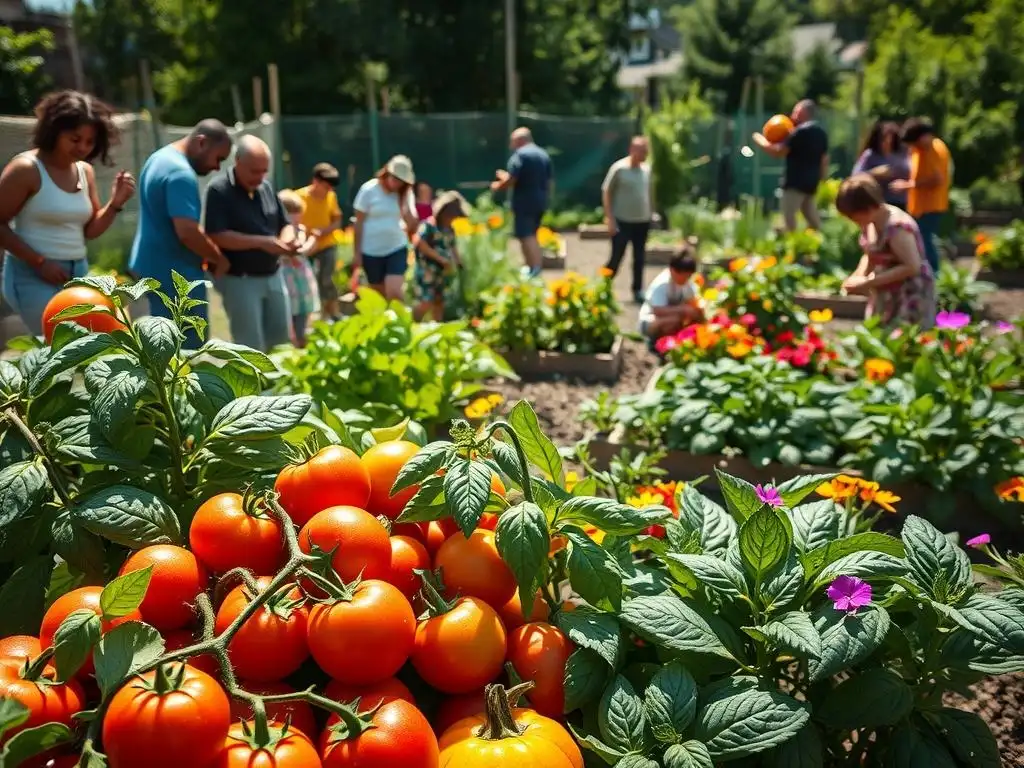
Community gardens represent a powerful strategy to bolster home garden food security benefits and enhance overall food security within neighborhoods and communities. They offer accessible growing spaces, particularly beneficial for individuals lacking private land or resources. This collaborative approach addresses food insecurity on multiple levels, promoting both individual and collective resilience. The impact extends beyond simply providing food; community gardens cultivate social connections, foster environmental awareness, and build stronger, more resilient communities. The positive effects are demonstrably significant, particularly in urban areas where access to fresh, healthy produce can be limited.
Collective gardening initiatives within community gardens significantly amplify the home garden food security benefits. By pooling resources—land, tools, seeds, and even knowledge—participants collectively achieve a greater yield than they could individually. This shared responsibility reduces the burden on any single individual, making gardening more accessible and sustainable for a wider range of people. For example, a community garden might implement a composting system shared by all gardeners, reducing waste and creating nutrient-rich soil for everyone.
This collaborative approach reduces the environmental footprint while maximizing the output and enhancing the overall food security of the community. The shared learning environment also helps individuals develop vital gardening skills, further empowering them to cultivate their own food, even beyond the community garden setting. Studies have shown that community gardens in low-income areas can significantly improve access to fresh produce and contribute to better dietary habits, leading to improved health outcomes.
Community gardens are not just about growing food; they're vibrant hubs for knowledge exchange and skill-sharing. Experienced gardeners mentor newcomers, passing down valuable techniques and insights. This transfer of knowledge builds capacity within the community, empowering individuals to become self-sufficient food producers. Furthermore, the shared environment encourages the adoption of sustainable practices, such as water conservation techniques, natural pest control methods, and organic gardening principles.
The collective commitment to sustainability reinforces responsible environmental stewardship and minimizes the ecological impact of food production. The collaborative nature of these initiatives fosters a sense of shared ownership and responsibility, leading to greater engagement and long-term success. This model promotes not only food security but also environmental sustainability and community well-being, demonstrating the synergistic benefits of collective action.
Community-Supported Agriculture (CSA) and its Role in Local Food Systems
Community-Supported Agriculture (CSA) programs represent another significant advancement in enhancing home garden food security benefits and fostering local food systems. CSAs connect consumers directly with local farmers, often through a subscription model where members receive a share of the harvest throughout the growing season. While not strictly a "home garden" initiative, CSAs significantly contribute to food security by supporting local farmers and providing affordable access to fresh, seasonal produce.
This model helps build resilient local food systems, reducing reliance on large-scale, often distant, industrial agriculture. By supporting local farmers, CSAs contribute to the economic vitality of rural communities and promote sustainable farming practices. The increased availability of fresh, locally sourced produce through CSAs complements the efforts of home gardeners, creating a more robust and resilient food system for the entire community.
The combined effect of home gardens and CSAs strengthens food security at both the individual and community levels, demonstrating the power of collaborative and localized food production. Data shows a significant increase in the number of CSA programs in recent years, indicating a growing consumer interest in locally sourced food and a greater awareness of the importance of supporting sustainable agriculture.
The Future of Home Gardening and Food Security
This section explores how home gardening can contribute significantly to future food security, focusing on technological advancements, educational initiatives, and supportive policies. The increasing importance of home gardens in bolstering resilience against food supply chain disruptions and promoting sustainable food systems cannot be overstated. The benefits extend beyond individual households, contributing to community food security and overall societal well-being. The keyword phrase "Home garden food security benefits" is central to understanding this crucial role.
Integrating Technology for Optimized Home Food Production: Smart Gardening Tools and Techniques
The integration of technology is revolutionizing home gardening, offering unprecedented opportunities to optimize food production and minimize resource consumption. Smart gardening tools and techniques are enhancing efficiency and sustainability, ultimately contributing to improved food security at the household level. This includes:
- Smart irrigation systems: These systems use sensors to monitor soil moisture levels, ensuring plants receive the precise amount of water needed, reducing water waste and optimizing plant growth. Data analysis from these systems can even predict future water needs based on weather patterns and plant growth stages. This precision significantly improves water-use efficiency, a crucial factor in sustainable food production.
- Automated climate control: Indoor and greenhouse gardening benefit immensely from automated systems that regulate temperature, humidity, and light levels. These systems ensure optimal growing conditions, leading to higher yields and healthier plants, even in challenging climates. Precise control minimizes losses due to adverse weather conditions, enhancing the reliability of home food production.
- AI-powered plant monitoring: Sophisticated software and apps utilize image recognition and machine learning to identify plant diseases and pest infestations early on. Early detection allows for prompt intervention, preventing widespread damage and reducing the need for harmful chemical pesticides. This contributes to both healthier food and environmentally friendly gardening practices.
- Vertical farming and hydroponics: These space-saving techniques allow for increased food production in smaller areas, making home gardening accessible even in urban environments. Controlled environments minimize resource use while maximizing yield, directly contributing to enhanced food security in densely populated areas. Technological advancements in lighting and nutrient delivery further optimize these methods.
Education and Outreach: Empowering Individuals and Communities Through Gardening Knowledge
Empowering individuals and communities with the knowledge and skills necessary for successful home gardening is crucial for maximizing the benefits of homegrown food. Effective education and outreach programs are vital in disseminating practical information and fostering a culture of home gardening. This involves:
- Community gardening initiatives: These programs provide shared spaces and resources for individuals to learn from each other and collectively cultivate food. This collaborative approach fosters a sense of community and shares the responsibility of food production, enhancing food security at both the individual and community levels. Furthermore, shared resources reduce the financial burden on individual gardeners.
- Educational workshops and courses: Practical, hands-on workshops and courses teach essential gardening techniques, from seed starting to pest control, ensuring that individuals have the skills to successfully grow their food. Curriculum should focus on sustainable and organic practices, aligning with the overall ethos of home gardening for food security.
- Online resources and digital platforms: Websites, apps, and social media platforms provide readily accessible information and support for home gardeners. These digital resources can offer personalized guidance, troubleshooting assistance, and a forum for sharing experiences, making home gardening more accessible to a wider audience. This digital accessibility is crucial for reaching diverse communities.
Policy and Advocacy: Supporting Home Gardening Initiatives Through Governmental and Institutional Support
Governmental and institutional support is essential for fostering a thriving home gardening movement and maximizing its contribution to food security. Supportive policies can significantly impact the accessibility and success of home gardening efforts. This includes:
- Tax incentives and subsidies: Financial incentives can encourage individuals to start and maintain home gardens, especially for low-income households. Subsidies for seeds, tools, and soil can make home gardening more affordable and accessible, directly addressing food insecurity among vulnerable populations.
- Community garden land allocation and support: Governments can allocate land specifically for community gardens, providing essential infrastructure and resources. This not only provides space for growing food but also fosters community engagement and strengthens social connections, contributing to overall community well-being.
- Research and development funding: Investing in research and development of new gardening technologies and sustainable practices is critical for optimizing home food production and enhancing resilience against climate change and other environmental challenges. This research can directly inform education and outreach programs, ensuring that best practices are disseminated widely.
- Policy promoting access to seeds and plants: Policies that promote access to diverse and locally adapted seeds and plants can enhance the resilience and productivity of home gardens. This includes support for local seed saving initiatives and regulations that prevent the monopolisation of seed supply chains.
The future of food security is intrinsically linked to the widespread adoption and support of home gardening. By combining technological advancements, robust educational programs, and supportive policies, we can unlock the immense potential of home gardens to enhance food security at the individual, community, and societal levels.
Frequently Asked Questions
What are the main benefits of having a home garden for food security?
Home gardens offer increased food security by providing access to fresh, healthy produce, reducing reliance on expensive and potentially unreliable grocery stores, and building resilience against supply chain disruptions.
How can a home garden contribute to sustainable living?
Growing your own food reduces your carbon footprint by decreasing transportation needs and promoting the use of organic and sustainable growing practices. It also minimizes packaging waste.
Is it expensive to start a home garden focused on food security?
Not necessarily! Starting small with a few easy-to-grow vegetables and herbs is affordable. Many resources are available online for budget-friendly gardening tips.
What if I don't have much space? Can I still benefit from a home garden?
Yes! Even small spaces like balconies or window boxes can produce a significant amount of fresh food. Consider vertical gardening or growing compact varieties.
What are some common challenges faced by beginner home gardeners, and how can I overcome them?
Common challenges include pest control, disease management, and understanding plant needs. Researching your local climate and utilizing organic pest control methods are crucial steps to success.
Final Reflection: Cultivating Resilience Through Home Gardens
The global food system faces unprecedented challenges, and the ability to grow even a small portion of your own food is no longer a luxury, but a vital act of self-reliance. The increasing volatility of food prices, coupled with climate change's disruptive impact on agriculture, underscores the critical importance of home gardens in ensuring food security for individuals and communities. This simple act of cultivating the earth holds immense power in a world grappling with complex and interconnected issues.
The rise in popularity of home gardening, fueled by both necessity and a growing awareness of environmental sustainability, is a testament to its enduring appeal. It's more than just a hobby; it's a powerful tool for reclaiming control over our food sources, fostering a deeper connection with nature, and building community resilience. The best way to find yourself is to lose yourself in the service of others.
– Mahatma Gandhi. This quote resonates deeply because the act of growing food, whether for oneself or to share, inherently connects us to a larger purpose beyond individual needs. It fosters a sense of responsibility and interconnectedness with the environment and our fellow human beings.
Now, consider your own role in this growing movement. What small step can you take today to cultivate your own patch of resilience? Whether it's planting a single herb in a pot on your windowsill or transforming a neglected corner of your yard into a thriving vegetable garden, every effort counts. Embrace the opportunity to connect with the earth, nourish your body and soul, and contribute to a more secure and sustainable future for all. Let's cultivate a world where home gardens are not just a trend, but a cornerstone of a thriving and resilient food system.
Unleash Your Inner Gardener: Grow Your Food Security Today!
Thank you for learning about the vital role home gardens play in strengthening food security. You've gained valuable insights into growing your own food, and we're excited to help you begin!
Here's how to get started:
- Start planning your garden now! Consider what you'd like to grow, the space available, and the best planting time for your region. Even a small plot can make a significant difference.
- Share this article with friends and family – let's inspire a community of home gardeners! Spread the word about the benefits of growing your own food.
- Explore our website's resources for further guidance – we offer expert advice to support your gardening journey.
What's one small step you can take today to enjoy fresh, homegrown food?