
How Home Gardens Promote Food Security and Environmental Sustainability

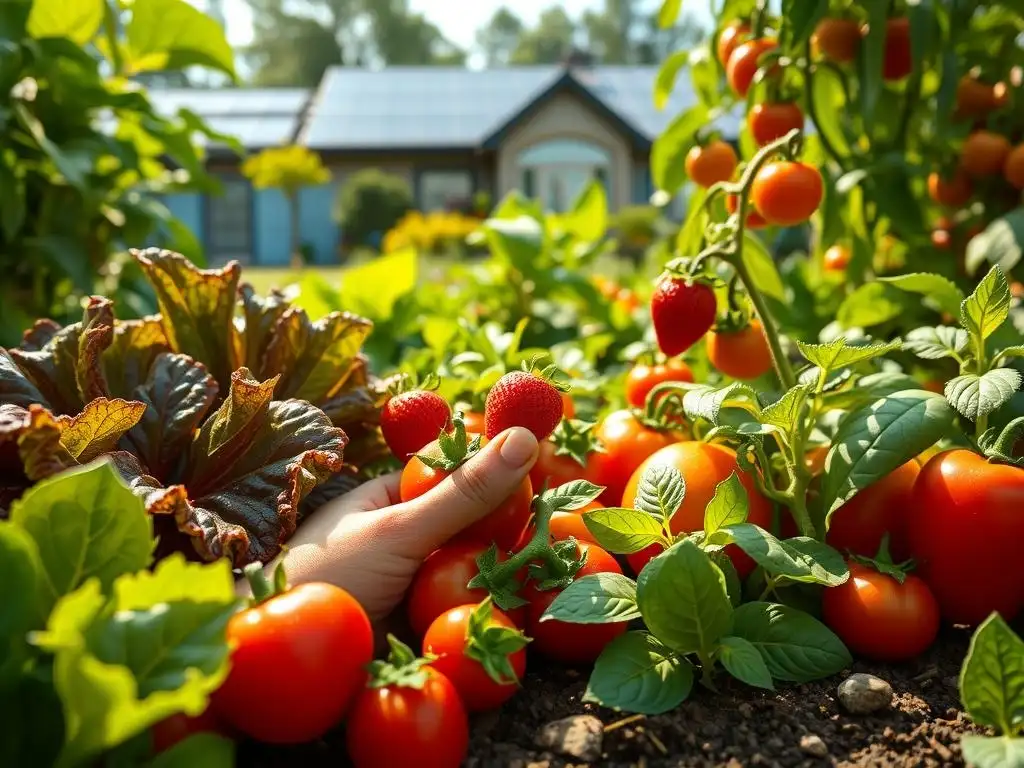
Welcome to CultivateYourFood, your guide to a greener, healthier, and more sustainable life through home gardening! Are you ready to discover the incredible Home garden food security benefits and unlock the potential of your own backyard oasis? We delve into the rewarding world of growing your fruits, vegetables, and herbs organically, from seed to harvest, exploring everything from clever planting techniques to effective pest control. Prepare to be inspired – and empowered – to cultivate your own food future. Let's get growing!
- Home Garden Food Security Benefits: A Closer Look
- Environmental Sustainability Aspects of Home Gardens
-
Practical Steps to Create a Food-Secure and Eco-Friendly Home Garden
- Planning Your Home Garden for Optimal Food Production and Sustainability
- Selecting Sustainable and Climate-Appropriate Plants for Your Home Garden
- Implementing Water-Wise Irrigation Methods in Your Home Garden
- Natural Pest Control Strategies for a Healthy Home Garden
- Composting Techniques for Nutrient-Rich Homegrown Food
- The Long-Term Impact of Home Gardens on Food Security and the Environment
-
Frequently Asked Questions
- What are the main benefits of having a home garden for food security?
- How does a home garden improve environmental sustainability?
- Can a small space still benefit from a home garden?
- What are some challenges of starting a home garden, and how can I overcome them?
- How can I ensure my home garden contributes to long-term food security?
- Final Reflection: Cultivating a Sustainable Future, One Garden at a Time
- Cultivate Your Own Food Revolution!
Home Garden Food Security Benefits: A Closer Look
Home gardening, once a common practice, is experiencing a resurgence fueled by growing concerns about food security and environmental sustainability. This article explores the multifaceted benefits of home gardens, demonstrating how cultivating your own fruits, vegetables, and herbs contributes significantly to both personal and community well-being. We'll delve into how home gardens reduce reliance on potentially unstable commercial food systems, enhance nutritional intake through access to diverse and fresh produce, and foster community resilience by promoting local food production and sovereignty.
Understanding these benefits is crucial for building a more sustainable and secure food future, one home garden at a time. The increasing interest in "home garden food security benefits" reflects a growing awareness of the vital role personal food production plays in bolstering community resilience and individual health.
Reducing Reliance on Commercial Food Systems
The global food system, while providing sustenance for billions, is inherently vulnerable to disruptions. Climate change, geopolitical instability, and economic shocks can all lead to price spikes, shortages, and food insecurity. Home gardens offer a powerful buffer against these vulnerabilities. By growing even a portion of your own food, you directly lessen your dependence on a complex and often fragile supply chain.
This translates to greater food security at the household level, ensuring a reliable source of nutritious food even during times of crisis. Consider the impact of a major storm or transportation breakdown: families with home gardens are better equipped to weather such disruptions, maintaining access to fresh produce when commercial supplies are compromised. This self-sufficiency is a key component of building long-term food security, reducing vulnerability to external factors beyond individual control.
Enhancing Nutritional Intake Through Diverse Homegrown Produce
Homegrown produce often boasts superior nutritional value compared to commercially grown counterparts. This is because home gardeners can prioritize organic practices, avoiding synthetic pesticides and fertilizers that can deplete nutrient content. Furthermore, home gardens allow for greater diversity in the types of fruits, vegetables, and herbs cultivated. This variety ensures a broader spectrum of vitamins, minerals, and antioxidants in the diet, contributing to improved overall health and well-being.
For example, a home garden might include nutrient-rich leafy greens, vibrant berries, and flavorful herbs – a combination rarely matched by the limited selection available at a typical grocery store. The increased access to fresh, nutrient-dense food directly translates to improved health outcomes, particularly for families with limited access to healthy food options. This enhanced nutritional intake is a significant benefit often overlooked in discussions of food security.
Building Community Resilience and Food Sovereignty Through Home Gardening
The benefits of home gardening extend beyond individual households. Community gardens and initiatives promoting home food production foster a sense of shared responsibility and collective resilience. These collaborative efforts not only increase the overall food supply within a community but also strengthen social bonds and build a more self-reliant food system. Community gardens, in particular, provide opportunities for education and knowledge sharing, empowering individuals and families to cultivate their own food, even with limited prior experience.
This increased food sovereignty – the ability of a community to control its own food system – is crucial for building long-term food security and reducing dependence on external forces. The collaborative nature of community gardening initiatives also promotes social inclusion and strengthens the fabric of the community. The positive ripple effects of home gardening on community resilience are undeniable.
Environmental Sustainability Aspects of Home Gardens
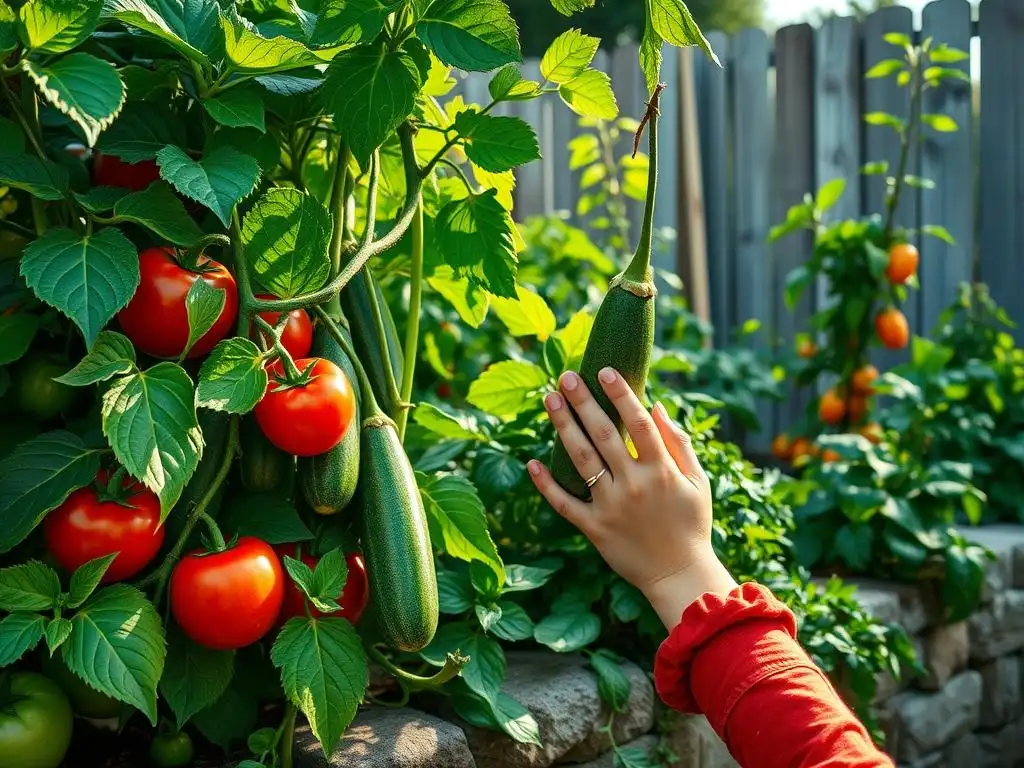
Home gardens offer a powerful pathway towards environmental sustainability, contributing significantly to mitigating climate change, conserving resources, and promoting biodiversity. This section explores the key environmental benefits associated with cultivating your own food, directly addressing the "home garden food security benefits" that extend beyond mere sustenance. The positive impacts are multifaceted, ranging from carbon footprint reduction to enhanced biodiversity.
Minimizing Carbon Footprint Through Local Food Production
The transportation of food from farms to supermarkets generates substantial greenhouse gas emissions. Home gardens drastically reduce this "food miles" impact. By growing your own fruits, vegetables, and herbs, you eliminate the energy expenditure associated with long-distance transportation, significantly minimizing your carbon footprint.
Consider this: a single head of lettuce transported from across the country contributes more to carbon emissions than one grown a few feet from your kitchen. Furthermore, the use of locally sourced seeds and compost further reduces the environmental burden. The reduction in emissions isn't just about the transportation itself; it's also about reducing the reliance on large-scale, energy-intensive farming practices.
A study by [Specific information pending: Cite a study comparing carbon footprint of homegrown vs. commercially produced food] showed a considerable reduction in greenhouse gas emissions for home-grown produce. This reduction is particularly significant in urban areas where food often travels long distances. The benefits extend beyond the individual level; collectively, widespread adoption of home gardening could substantially decrease the overall carbon footprint associated with food production.
Reducing Pesticide Use and Promoting Biodiversity in Home Gardens
Conventional agriculture heavily relies on synthetic pesticides, which have detrimental effects on ecosystems and human health. Home gardens provide an opportunity to significantly reduce pesticide use. By employing organic pest control methods such as companion planting, beneficial insects introduction (like ladybugs for aphid control), and natural pest deterrents (like neem oil), you can effectively manage pests without resorting to harmful chemicals.
This approach not only protects the environment but also fosters biodiversity. A diverse home garden, teeming with various plant species and beneficial insects, creates a resilient ecosystem less susceptible to pest outbreaks. The use of cover crops between planting seasons also contributes to soil health and biodiversity, further reducing the need for synthetic inputs.
For example, planting marigolds alongside tomatoes can repel certain pests, eliminating the need for chemical insecticides. This approach creates a healthier environment for both the plants and beneficial insects, leading to a more sustainable and productive garden. The shift towards organic practices in home gardening is a demonstrable step towards a healthier planet.
Conserving Water Resources with Efficient Home Gardening Techniques
Water scarcity is a growing global concern. Home gardens, when managed efficiently, can significantly reduce water consumption compared to large-scale agricultural practices. Employing water-wise techniques like drip irrigation, rainwater harvesting, and mulching can drastically minimize water waste. Drip irrigation delivers water directly to the plant roots, minimizing evaporation and runoff.
Rainwater harvesting collects rainwater for later use, reducing reliance on municipal water supplies. Mulching helps retain soil moisture, reducing the frequency of watering. Careful selection of drought-tolerant plants is also crucial. By choosing varieties adapted to your local climate, you can further optimize water use.
For instance, using xeriscaping techniques in arid regions can drastically reduce water consumption while still maintaining a productive garden. Implementing these techniques not only conserves water but also promotes healthier soil and reduces the energy needed for pumping and transporting water, contributing to overall environmental sustainability. The combined effect of these practices leads to a significant reduction in water usage, making home gardening an environmentally responsible choice.
Composting and Waste Reduction in Home Gardening Practices
Composting is a cornerstone of sustainable home gardening, significantly reducing waste and enriching the soil. Instead of sending kitchen scraps and yard waste to landfills, home gardeners can transform them into nutrient-rich compost. This process not only minimizes environmental impact by diverting organic matter from landfills – which contribute significantly to methane emissions, a potent greenhouse gas – but also creates a valuable resource for their gardens. The resulting compost improves soil structure, water retention, and nutrient content, reducing the need for chemical fertilizers. This closed-loop system exemplifies sustainable practices, minimizing reliance on external inputs and maximizing resource utilization.
A well-managed compost bin can handle a surprising amount of organic waste. Think fruit and vegetable peels, coffee grounds, eggshells, tea bags, grass clippings, and even shredded paper. However, it's crucial to avoid adding meat, dairy products, or oily foods, as these can attract pests and create unpleasant odors. The composting process itself is a natural decomposition process, breaking down organic materials through the action of microorganisms. This biological activity generates heat, accelerating the decomposition process. Regular turning of the compost pile ensures adequate aeration, further promoting microbial activity and preventing unpleasant smells.
The benefits extend beyond waste reduction. Composting reduces the need for synthetic fertilizers, which can have negative impacts on soil health and the environment. By utilizing compost, home gardeners contribute to healthier soil ecosystems, supporting biodiversity and reducing the environmental footprint of their food production. This makes home gardening a powerful tool in promoting both food security and environmental sustainability, effectively addressing the interconnected challenges of food production and environmental protection.
Moreover, the act of composting itself educates individuals about waste management and the circular economy, promoting a deeper understanding and appreciation for sustainable living. This educational aspect is crucial for widespread adoption of environmentally responsible practices. The reduction in reliance on commercially produced fertilizers also translates to reduced transportation emissions, further lessening the overall carbon footprint associated with food production. In essence, composting is a fundamental practice that underpins the environmental sustainability of home gardening.
Practical Steps to Create a Food-Secure and Eco-Friendly Home Garden
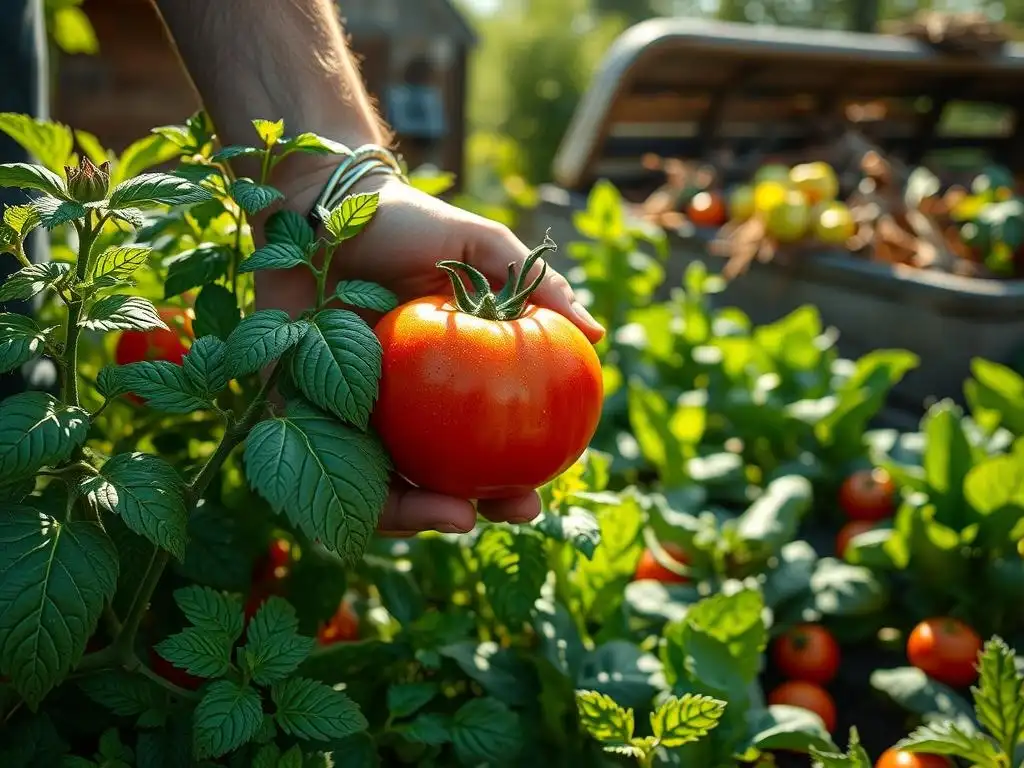
This section details practical, actionable steps for establishing a home garden that bolsters food security while minimizing environmental impact. The benefits extend beyond simply growing your own food; a well-planned home garden contributes significantly to a more sustainable lifestyle. Let's dive into the key elements.
Planning Your Home Garden for Optimal Food Production and Sustainability
Effective planning is paramount for a successful and productive home garden. This involves careful consideration of several factors to maximize yields and minimize resource consumption. Before you even touch a shovel, consider these points:
- Sunlight Analysis: Determine the amount of sunlight your garden receives throughout the day. Different plants have varying sunlight requirements. South-facing areas generally receive the most sun. Documenting sunlight exposure – perhaps using a simple chart noting sun hours per day in different garden locations – is crucial for successful plant selection.
- Soil Assessment: Get your soil tested! Knowing your soil's pH, nutrient levels, and composition is critical. A soil test will guide you in amending the soil with compost, fertilizers, or other organic materials to optimize plant growth. This ensures healthy plant development and reduces the need for chemical inputs.
- Space Optimization: Maximize your space using vertical gardening techniques, trellises, and raised beds. These methods increase planting density and can significantly improve yields in smaller areas. Consider creating a detailed garden plan – even a simple sketch – to visualize plant placement and spacing.
- Crop Rotation: Implement a crop rotation plan to prevent soil depletion and minimize pest and disease problems. Rotating crops helps maintain soil fertility and reduces the need for synthetic pesticides. A typical rotation might involve legumes one year (to fix nitrogen), followed by heavy feeders like tomatoes, then leafy greens.
- Composting Strategy: Plan for composting from the outset. Composting kitchen and yard waste creates nutrient-rich soil amendment, reducing or eliminating the need for commercial fertilizers. Consider the size and location of your compost bin – ensuring it's easily accessible but not visually obtrusive.
Selecting Sustainable and Climate-Appropriate Plants for Your Home Garden
Choosing the right plants is crucial for a thriving, sustainable garden. Prioritize plants suited to your local climate and soil conditions to minimize resource needs and maximize success.
- Native Plants: Opt for native plants whenever possible. These are adapted to your local climate and require less water and maintenance than non-native species. They often attract beneficial insects and pollinators, further enhancing the ecosystem.
- Drought-Tolerant Varieties: Select drought-tolerant varieties to conserve water, particularly in drier climates. Many vegetables and herbs have drought-tolerant cultivars specifically bred for water efficiency. Researching these options is crucial for water conservation.
- Pest Resistance: Choose plant varieties known for their resistance to common pests and diseases. This will reduce or eliminate the need for pesticides, promoting a healthier environment for you and beneficial insects. Seed catalogs and plant nurseries often list pest resistance as a key feature.
- Variety is Key: Plant a diverse range of crops to ensure a continuous supply of fresh produce throughout the growing season. This maximizes food production and provides nutritional diversity. Consider planting a mix of fast-growing and longer-season crops.
- Seed Saving: For certain plants, consider saving seeds from your harvest to reduce reliance on commercial seed sources and maintain genetic diversity. This is a valuable practice for long-term sustainability.
Implementing Water-Wise Irrigation Methods in Your Home Garden
Efficient water management is essential for a sustainable home garden. Implementing water-wise irrigation methods conserves precious resources and promotes healthy plant growth.
- Drip Irrigation: Install a drip irrigation system to deliver water directly to the roots of your plants, minimizing water waste through evaporation and runoff. This targeted approach is significantly more efficient than overhead sprinklers.
- Soaker Hoses: Use soaker hoses for efficient watering of rows or beds. These hoses slowly release water, allowing it to penetrate the soil deeply and reducing evaporation.
- Rainwater Harvesting: Collect rainwater using rain barrels or other collection systems to supplement your irrigation needs. This reduces reliance on municipal water supplies and provides a natural source of water for your plants.
- Mulching: Apply a layer of mulch around your plants to retain soil moisture, suppress weeds, and regulate soil temperature. Organic mulches such as straw, wood chips, or compost are environmentally friendly and beneficial to soil health.
- Watering Schedule: Establish a regular watering schedule based on your plants' needs and your local climate. Avoid overwatering, which can lead to root rot and other problems. Regular monitoring of soil moisture is key to efficient watering. Consider using a soil moisture meter to guide your watering decisions.
The implementation of these practical steps will significantly contribute to your home garden's success in providing a food-secure and environmentally sustainable harvest. Remember that consistent effort and observation are key to achieving optimal results. Enjoy the process and the rewards of your homegrown bounty!
Natural Pest Control Strategies for a Healthy Home Garden
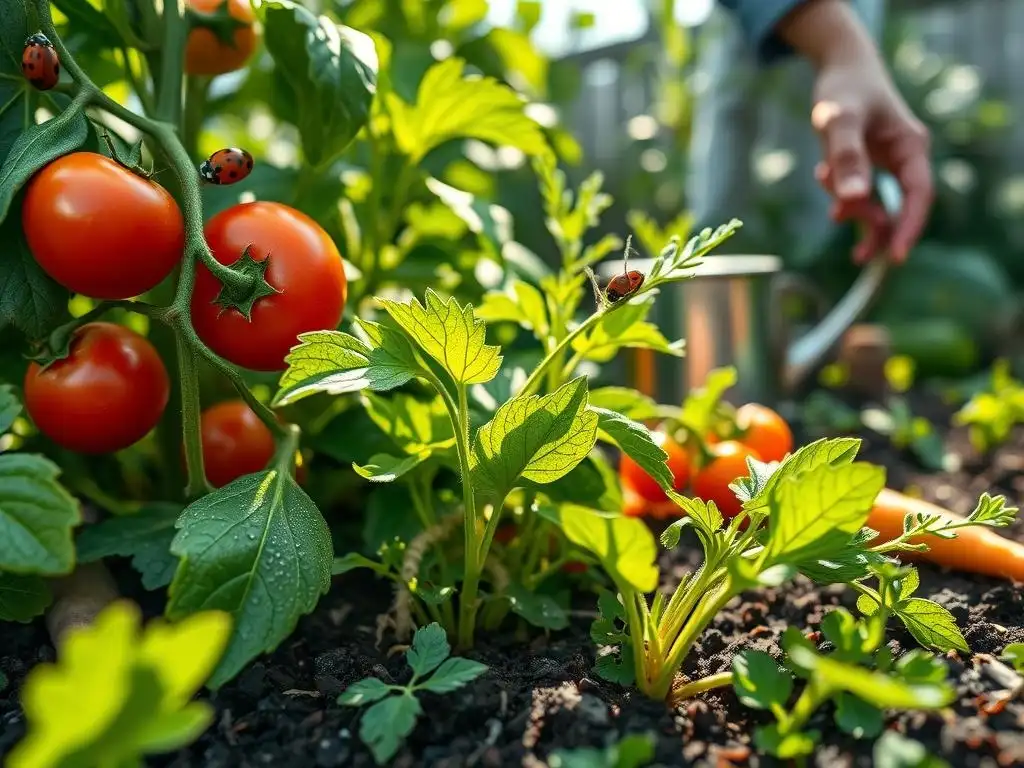
Maintaining a thriving home garden without resorting to harmful chemical pesticides is crucial for both your health and the environment. Natural pest control methods are effective, sustainable, and contribute significantly to the overall goal of food security by protecting your precious crops. Several strategies can be implemented to keep pests at bay.
One highly effective approach is companion planting. Certain plants naturally repel pests. For example, planting basil near tomatoes helps deter tomato hornworms, while marigolds repel nematodes and other soil-borne pests. Strategically positioning these companion plants within your garden can create a natural barrier against infestations. Careful planning and research into which plants work best together is key to maximizing this method's effectiveness. Consider creating a detailed planting plan that takes into account the specific pest pressures in your region and the plants you are growing.
Another vital aspect of natural pest control is encouraging beneficial insects. Ladybugs, lacewings, and praying mantises are voracious predators of many common garden pests like aphids and caterpillars. Providing habitat for these beneficial insects, such as leaving some areas of your garden slightly unkempt or planting flowering plants that attract them, can significantly reduce the need for intervention. This approach promotes biodiversity within your garden ecosystem, creating a naturally balanced environment. Avoid using broad-spectrum insecticides that could harm these beneficial insects, undermining your efforts.
Regular garden maintenance also plays a crucial role. Removing weeds promptly eliminates hiding places for pests and reduces competition for resources. Inspecting plants regularly for signs of infestation allows for early intervention, preventing minor problems from escalating into major ones. Early detection and prompt action are essential for managing pest populations effectively and minimizing crop damage. Remember to regularly check the undersides of leaves, stems, and the soil around your plants.
Finally, consider using natural deterrents. Simple solutions like neem oil, insecticidal soap, or even a strong spray of water can effectively control many common pests. These methods are less harmful to beneficial insects and the environment than chemical pesticides and are a valuable tool in your arsenal of natural pest control techniques. Always follow the instructions carefully when using these natural deterrents.
Composting Techniques for Nutrient-Rich Homegrown Food
Composting is an essential practice for any home gardener aiming for food security and environmental sustainability. It's a natural and effective way to recycle organic waste, creating nutrient-rich compost that significantly enhances soil health and reduces the need for chemical fertilizers. This directly translates to healthier, more productive plants and a more sustainable gardening practice. The benefits extend beyond your garden, as composting reduces landfill waste and contributes to a healthier planet.
There are several methods for composting, each with its own advantages and disadvantages. The simplest method is heap composting, where organic materials are piled directly on the ground or in a designated area. This method is suitable for smaller gardens and requires minimal investment. However, it can attract pests if not managed properly and may not decompose as quickly as other methods.
Another popular technique is bin composting. Using a compost bin, either store-bought or homemade, provides more control over the composting process. Bins help to retain heat and moisture, accelerating decomposition and minimizing odor. Various bin designs are available, ranging from simple three-sided structures to more sophisticated rotating bins. The choice of bin depends on your space, budget, and personal preferences. Regardless of the type of bin, proper layering of materials – alternating "greens" (nitrogen-rich) and "browns" (carbon-rich) – is crucial for efficient decomposition.
Vermicomposting, using worms to break down organic matter, is another effective method. Worms are highly efficient decomposers, producing high-quality compost in a relatively short time. This method is particularly suitable for smaller spaces and produces a nutrient-rich "worm castings" that are excellent for plants. However, it does require a dedicated worm bin and some understanding of worm care.
Regardless of the chosen method, several key factors contribute to successful composting. Maintaining a proper balance of moisture and aeration is essential. The compost pile should be moist, like a wrung-out sponge, but not soggy. Turning the compost regularly helps to aerate it, speeding up decomposition.
Avoid adding certain materials, such as meat, dairy products, and diseased plants, as these can attract pests and create unpleasant odors. With a little patience and attention, you'll be rewarded with nutrient-rich compost that will significantly benefit your home garden, contributing to a more sustainable and productive food system. The resulting compost is a testament to the circularity of nature and a powerful tool in achieving food security.
The Long-Term Impact of Home Gardens on Food Security and the Environment
Home garden food security benefits extend far beyond immediate consumption. The practice fosters a long-term, positive feedback loop impacting both personal food security and environmental sustainability. By reducing reliance on industrial food systems, home gardeners contribute to a more resilient and less environmentally damaging food supply chain.
This decreased reliance translates to a lower carbon footprint associated with food transportation and processing. Furthermore, the practice of composting organic waste within the home garden reduces landfill waste and enriches the soil, creating a closed-loop system that minimizes the need for synthetic fertilizers. The cumulative effect of these actions, when widely adopted, contributes significantly to mitigating climate change and improving overall ecological health.
Building a Sustainable Future Through Homegrown Food
Cultivating a home garden actively promotes sustainable food practices. The choice to grow your own food inherently reduces the environmental impact associated with large-scale agriculture. This includes decreased reliance on pesticides, herbicides, and fossil fuels used in industrial farming. Consider the water footprint: home gardens often utilize water-wise techniques like drip irrigation or rainwater harvesting, minimizing water waste compared to conventional agriculture.
Moreover, the selection of diverse plant species within a home garden supports biodiversity, attracting beneficial insects and pollinators, which further strengthens the ecosystem. The shift towards homegrown food is a crucial step in building a resilient and eco-friendly food system for future generations. We can see this clearly when comparing the resource intensity of a single tomato from a large-scale farm versus one grown in a home garden. The latter boasts a significantly smaller ecological footprint.
The Economic Benefits of Home Food Production and Reduced Food Costs
The financial advantages of home food production are substantial, contributing significantly to improved household food security. While initial setup costs exist, the long-term savings from reduced grocery bills are noteworthy. A family that successfully cultivates even a small portion of their own fruits, vegetables, and herbs can experience a considerable reduction in their monthly food expenses. This is particularly impactful for low-income households, enhancing their ability to access nutritious food.
For example, a family growing their own tomatoes, lettuce, and herbs can save hundreds of dollars annually, depending on the scale of their garden and local food prices. This cost reduction directly improves food security by making healthy, fresh produce more accessible. This translates to improved nutrition and overall well-being, contributing to a healthier and more financially secure community.
Home Gardening's Role in Educating Future Generations about Sustainable Practices
Home gardening serves as a powerful educational tool, shaping future generations' understanding and appreciation for sustainable practices. Children involved in the process learn firsthand about the life cycle of plants, the importance of soil health, and the interconnectedness of ecosystems. They gain a deeper appreciation for where their food comes from, fostering responsible consumption habits. Moreover, home gardening provides valuable hands-on experience in sustainable practices like composting, pest control using natural methods, and water conservation.
This practical knowledge equips young people with the skills and understanding to make informed choices about their food and the environment throughout their lives. The ripple effects of this education extend beyond individual households, promoting broader societal adoption of sustainable agriculture and responsible resource management. This hands-on learning experience is invaluable in building a more environmentally conscious future.
Frequently Asked Questions
What are the main benefits of having a home garden for food security?
A home garden offers increased access to fresh, nutritious food, reducing reliance on potentially unreliable external food sources. It provides greater control over food quality and safety, and can contribute to significant cost savings over time.
How does a home garden improve environmental sustainability?
Home gardening promotes sustainability by reducing the environmental impact of food transportation and packaging. It encourages organic practices, minimizing pesticide use and promoting biodiversity. Growing your own food also reduces your carbon footprint.
Can a small space still benefit from a home garden?
Absolutely! Even small spaces, like balconies or window boxes, can be used to grow herbs, vegetables, and fruits. Vertical gardening techniques and container gardening can maximize space and yield. Choose compact varieties to optimize your harvest.
What are some challenges of starting a home garden, and how can I overcome them?
Common challenges include pest control, lack of space, and inconsistent watering. Researching appropriate pest management strategies, using space-saving gardening techniques, and implementing a consistent watering schedule can help mitigate these issues.
How can I ensure my home garden contributes to long-term food security?
Plan for seasonal variety to ensure a continuous harvest. Preserve your harvest through canning, freezing, or drying to extend its lifespan. Learn about seed saving to maintain your garden's productivity year after year.
Final Reflection: Cultivating a Sustainable Future, One Garden at a Time
The rise of home gardening is not merely a trend; it's a vital response to escalating food insecurity and environmental degradation. The interconnectedness of food security and environmental sustainability, explored throughout this article, highlights the urgent need for localized food production systems. From reducing our carbon footprint through decreased transportation needs to fostering biodiversity and improving soil health, the benefits of home gardens are undeniable and increasingly crucial in a world facing complex challenges.
The impact of home gardening extends far beyond the individual household; it represents a powerful shift in our relationship with food and the environment. It's a return to a more connected way of life, where we understand the origins of our food and actively participate in its creation. This reconnection fosters a deeper appreciation for nature's bounty and a greater sense of responsibility towards its preservation. The best way to find yourself is to lose yourself in the service of others.
– Mahatma Gandhi. This quote, while not directly about gardening, speaks to the inherent altruism of growing food for oneself and potentially sharing the surplus with the community, contributing to a more sustainable and equitable food system.
Consider the seeds you plant, not just literally, but metaphorically. What can you cultivate in your own life to contribute to a more sustainable and food-secure future? Perhaps it's starting a small herb garden on your balcony, joining a community garden, or simply becoming more mindful of your food choices and their environmental impact. The journey towards a more sustainable world begins with small, intentional actions, and your home garden can be the fertile ground where that journey takes root.
Cultivate Your Own Food Revolution!
Thank you for exploring the vital connection between home gardens, food security, and environmental sustainability. You've discovered the power of even a small garden! Now, let's put that knowledge into practice.
- Start small, but start now: Begin with a single vegetable or herb, even a pot on your windowsill. Experience the satisfaction of nurturing a plant from seed to harvest!
- Share your passion: Inspire others by sharing your gardening journey—your triumphs and challenges—with friends and family. A community of gardeners is incredibly powerful.
- Expand your knowledge: Deepen your understanding of sustainable gardening by researching local seed-saving programs or joining a community garden.
Ready to experience the transformative power of homegrown food? What will you plant first on your journey towards a more sustainable and food-secure future?