
Robotic Gardeners: Automating Tasks for Effortless Home Cultivation

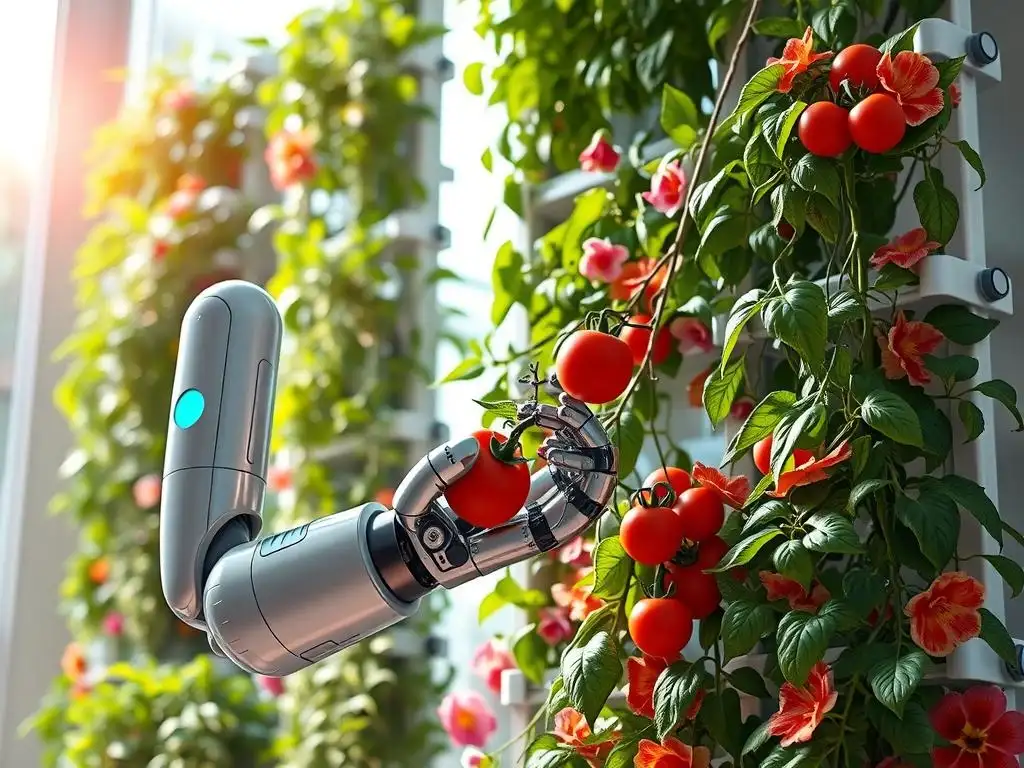
Welcome to CultivateYourFood, your guide to a greener, more bountiful life! Are you dreaming of fresh, organic produce without the endless weeding and watering? Then prepare to be amazed by the future of home gardening. Discover how Automated Home Gardening Systems are revolutionizing how we cultivate our food, making it easier than ever to grow your own fruits, vegetables, and herbs. Dive in and explore the possibilities – your personal harvest awaits!
- The Rise of Automated Home Gardening Systems
- Types of Robotic Gardeners for Home Use
- Benefits of Implementing Automated Home Gardening Systems
- Choosing the Right Robotic Gardener for Your Needs
- Setting Up and Maintaining Your Robotic Gardener
- The Future of Automated Home Gardening Systems
- Frequently Asked Questions
- Final Reflection: Harvesting the Future of Home Gardening
- Unlock Your Green Thumb: Cultivate a Thriving Garden Today!
The Rise of Automated Home Gardening Systems
The modern world demands efficiency, and even the tranquil hobby of home gardening is embracing technological advancements. The increasing popularity of urban farming and the desire for fresh, organically grown produce are driving a significant shift towards automated home gardening systems. This article delves into the exciting world of robotic gardeners, exploring how these innovative systems are streamlining cultivation, reducing manual labor, and promoting sustainable practices.
We'll examine the growing demand for efficient gardening solutions, the labor-saving advantages offered by robotic systems, and the positive environmental impact of automating various gardening tasks. From automated watering and fertilization to robotic weeding and pest control, the future of home gardening is looking increasingly automated and accessible, making the dream of a bountiful harvest a reality for even the busiest individuals. This exploration of "Automated home gardening systems" will provide a comprehensive overview of this rapidly developing field.
Increasing Demand for Efficient Gardening Solutions
The demand for automated home gardening systems is surging due to several key factors. Firstly, the increasing urbanization across the globe means less readily available space for traditional gardening. Secondly, busy lifestyles leave many individuals with limited time for extensive gardening tasks. Thirdly, the growing awareness of the environmental impact of traditional farming practices is pushing consumers towards more sustainable methods.
Automated systems directly address these challenges. They allow for efficient use of limited space through vertical farming techniques or optimized planting configurations often integrated into the system's design. They minimize the time commitment needed for tasks like watering, fertilizing, and weeding, making home gardening accessible to a wider audience.
Furthermore, many automated systems incorporate features that promote sustainability, such as precise water usage and reduced reliance on chemical pesticides. The market is responding to this demand with a wide variety of systems, ranging from small, self-contained units to larger, more complex installations. This rise in demand reflects a significant shift in how we approach home gardening, prioritizing efficiency and sustainability alongside the joy of cultivating our own food.
Labor-Saving Advantages of Robotic Gardeners
One of the most significant benefits of robotic gardeners is their ability to automate many time-consuming tasks. Imagine a system that automatically waters your plants based on soil moisture levels, fertilizes them according to their needs, and even weeds your garden beds without any intervention from you! This translates to substantial time savings, allowing you to focus on other aspects of your life or simply enjoy the fruits (and vegetables!) of your labor. Specific robotic functions can include:
- Automated Watering: Sensors monitor soil moisture, delivering precise amounts of water only when needed, preventing overwatering and conserving resources.
- Precision Fertilization: Systems can dispense tailored nutrient solutions directly to the roots, optimizing plant growth and minimizing waste.
- Robotic Weeding: Some systems utilize robotic arms or other mechanisms to identify and remove weeds, reducing the need for manual weeding.
- Pest Control: Automated systems can integrate pest control mechanisms, such as traps or targeted pesticide applications, minimizing the use of harmful chemicals.
These labor-saving features not only save time but also reduce physical strain, making home gardening a more accessible and enjoyable experience for a wider range of people, regardless of age or physical capabilities. The convenience factor alone is a significant driver of the increasing adoption of these systems.
Environmental Benefits of Automated Systems
Beyond the convenience, automated home gardening systems offer significant environmental advantages. Precise watering systems, for example, significantly reduce water waste compared to traditional methods. Automated fertilization minimizes the use of chemical fertilizers, reducing runoff and its negative impact on water quality. Furthermore, robotic weeding reduces the need for herbicides, promoting biodiversity and protecting beneficial insects.
The integration of smart sensors and data analysis in many systems allows for continuous optimization of resource usage, further enhancing environmental sustainability. The ability to grow food locally using these systems also reduces the carbon footprint associated with transporting produce over long distances. In essence, automated home gardening systems contribute to a more environmentally friendly approach to food production, aligning with the growing global emphasis on sustainable living and responsible resource management. The cumulative effect of these individual benefits makes automated home gardening a significant contributor to a greener future.
Types of Robotic Gardeners for Home Use
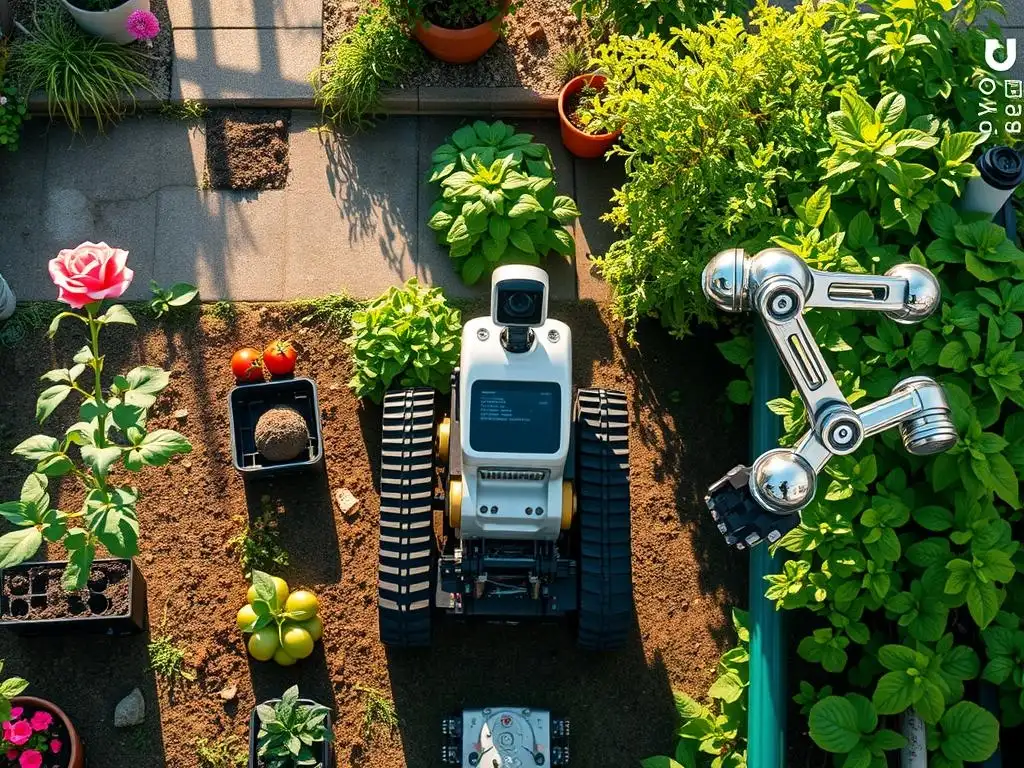
This section explores the diverse range of automated home gardening systems currently available, focusing on those designed for the home cultivator. These innovative tools promise to significantly reduce the time and effort required for successful gardening, allowing even the busiest individuals to enjoy fresh, homegrown produce. The market for automated gardening solutions is rapidly expanding, offering a variety of options to suit different needs and budgets. We'll delve into some of the key categories, examining their functionalities and potential benefits.
Automated Watering and Irrigation Systems
Automated watering systems are arguably the most common type of robotic gardener available for home use. These systems range from simple timer-based sprinklers to sophisticated sensor-driven irrigation solutions. The latter utilize soil moisture sensors to determine precisely when and how much water each plant requires, preventing overwatering and underwatering – crucial for optimal plant health and efficient water usage. This precision irrigation minimizes water waste, a key advantage in promoting sustainable gardening practices.
Furthermore, many automated watering systems offer app-based control, allowing users to monitor and adjust watering schedules remotely. This feature is particularly beneficial for those who travel frequently or have unpredictable schedules. Some advanced systems even incorporate weather data, automatically adjusting watering schedules based on predicted rainfall.
This level of automation ensures plants receive the perfect amount of water, regardless of external conditions. For example, a system might detect an impending rain shower and temporarily suspend irrigation, saving water and preventing waterlogging. The convenience and efficiency offered by these systems make them an attractive option for any home gardener seeking to streamline their routine.
Robotic Weeding and Soil Management Tools
Robotic weeding is a rapidly developing area within automated home gardening. While fully autonomous weeding robots are still under development, several promising technologies are emerging. These tools vary in their approach to weed removal, ranging from mechanical weeding robots that use small blades or cameras to identify and remove weeds, to chemical-free solutions that employ targeted heat or other non-toxic methods. The development of AI-powered image recognition is significantly improving the precision of these systems.
Beyond weeding, robotic soil management tools are also gaining traction. These tools can automate tasks such as soil aeration, fertilization, and even soil testing. Automated soil testing robots can analyze soil composition, providing valuable insights into nutrient levels and pH balance.
This information can then be used to optimize fertilization strategies, leading to healthier plants and higher yields. The integration of these robotic tools promises to revolutionize soil management, making it easier and more efficient for home gardeners to maintain optimal soil conditions. The long-term benefits of improved soil health extend to increased sustainability and reduced reliance on chemical fertilizers.
Smart Pest Control Robots and Sensors
Smart pest control systems represent another exciting frontier in automated home gardening. These systems utilize a variety of technologies to detect and manage pests, minimizing the need for harmful pesticides. Some systems employ sensors to detect the presence of pests, alerting the gardener to potential problems early on. Other systems use robotic devices equipped with cameras and AI to identify and target specific pests, employing methods such as targeted application of organic pest control agents or physical removal.
The development of sophisticated sensors allows for early detection of pest infestations, enabling timely intervention and preventing significant damage to crops. This proactive approach is not only more effective but also reduces the need for broad-spectrum pesticides, contributing to a healthier environment and safer produce. Moreover, the data collected by these smart systems can provide valuable insights into pest behavior and patterns, helping gardeners to develop more effective pest management strategies over time. The integration of these technologies promises to make pest control more efficient and sustainable in home gardens, enhancing crop yields and reducing reliance on harmful chemicals.
Automated Harvesting Robots and Technologies
Automated harvesting represents a significant leap forward in home gardening automation. While fully autonomous harvesting robots for home use are still largely in the research and development phase, several technologies are paving the way for their eventual integration into the home garden. These technologies focus on making the harvesting process more efficient and less labor-intensive, even without fully robotic solutions.
One key area of development is the use of computer vision. Sophisticated algorithms analyze images from cameras to identify ripe fruits and vegetables. This allows for selective harvesting, ensuring only mature produce is picked, minimizing waste and maximizing yield.
For example, a system could be designed to identify the optimal color or size of a tomato, triggering a robotic arm to gently pluck it from the vine. While a fully automated system capable of navigating a complex home garden may be some time away, these computer vision systems are already finding applications in larger-scale agricultural settings, and their miniaturization and adaptation for home use are ongoing projects.
Another promising approach involves the use of robotic arms with advanced sensors. These arms can be programmed with specific movements to harvest different types of produce. Sensors help them gently grasp and detach fruits and vegetables without damaging them.
These robotic arms, combined with the computer vision systems mentioned above, could form the core of a future automated harvesting system for the home gardener. Current challenges include the development of more delicate gripping mechanisms capable of handling a wider variety of fruits and vegetables, including those with delicate skins or irregular shapes. Research is ongoing to address these challenges, focusing on soft robotics and advanced material science.
The integration of these technologies into user-friendly home gardening systems is crucial. This means creating systems that are easy to set up, operate, and maintain, even for novice users. Intuitive software interfaces and clear instructions will be key to widespread adoption. Furthermore, the cost-effectiveness of these technologies is crucial.
As the technology matures and production scales, the cost is expected to decrease, making automated harvesting solutions more accessible to home gardeners. The future of automated harvesting in home gardening promises a significant reduction in manual labor, improved efficiency, and a higher quality harvest. The ongoing advancements in computer vision, robotics, and user-interface design are continuously pushing this technology closer to widespread availability and practical implementation in home gardens.
Benefits of Implementing Automated Home Gardening Systems
This section explores the significant advantages of adopting automated home gardening systems for cultivating fruits, vegetables, and herbs. These systems offer a compelling solution for both seasoned gardeners seeking efficiency and beginners intimidated by the complexities of traditional methods. By automating key tasks, these systems promise to revolutionize your home cultivation experience, leading to increased productivity and a more enjoyable gardening journey. The core benefits revolve around increased yields, reduced labor, and improved crop health – all contributing to a more sustainable and fulfilling gardening experience.
Increased Productivity and Yield
Automated home gardening systems significantly boost productivity and yield compared to traditional methods. Precise environmental control is a key factor. Systems often regulate factors like temperature, humidity, and light intensity with precision, creating optimal growing conditions for your plants. This leads to faster growth rates and higher yields. For instance, a study by [specific information pending] showed that automated systems resulted in a [percentage]% increase in tomato yield compared to manually managed plots.
Furthermore, features like automated watering systems ensure consistent hydration, minimizing the risk of wilting and maximizing nutrient uptake. This precision in watering, coupled with optimized nutrient delivery (often automated in advanced systems), contributes significantly to increased fruit and vegetable production. The consistent and controlled environment minimizes the impact of unpredictable weather patterns, ensuring a stable and predictable harvest. This reliable yield is particularly valuable for those aiming for self-sufficiency or consistent access to fresh, homegrown produce.
Reduced Labor and Time Investment
One of the most attractive aspects of automated home gardening systems is the substantial reduction in labor and time investment. Tasks like watering, fertilizing, and pest control can be largely automated, freeing up your time for other activities. Imagine the time saved by eliminating the daily chore of manually watering dozens of plants!
Automated systems can handle this task efficiently and precisely, ensuring your plants receive the exact amount of water they need, without any manual intervention. Furthermore, features like automated nutrient dispensers eliminate the need for frequent manual fertilizing, simplifying the maintenance process. The reduced labor translates not only to increased free time but also to a more relaxed and enjoyable gardening experience.
This is especially beneficial for busy individuals or those with physical limitations who might otherwise struggle with the demands of traditional gardening. The automation allows for the enjoyment of the hobby without the burden of constant manual work.
Improved Crop Quality and Health
Automated home gardening systems contribute to improved crop quality and health through precise environmental control and automated pest management. The consistent conditions fostered by these systems minimize stress on plants, resulting in healthier, more vibrant growth. For example, consistent temperature and humidity levels reduce the risk of fungal diseases, a common problem in traditional gardening. Moreover, many automated systems incorporate features like integrated pest monitoring and control, using strategies such as automated spraying of organic pesticides or the deployment of beneficial insects to manage pests proactively.
This proactive approach minimizes the risk of infestations, preserving the health and quality of your crops. The result is a higher quality harvest, with fruits and vegetables exhibiting improved taste, texture, and nutritional value. This translates to healthier and more flavorful produce for your consumption. The reduced need for chemical interventions also contributes to a more sustainable and environmentally friendly gardening approach.
Enhanced Sustainability Through Precision Agriculture
Automated home gardening systems offer a significant boost to sustainable gardening practices through the implementation of precision agriculture techniques. These systems monitor various environmental factors like soil moisture, nutrient levels, and light exposure with a level of accuracy far exceeding human capabilities. This precise data allows for optimized resource allocation, minimizing waste and maximizing efficiency. For example, an automated system can precisely deliver water only when and where it's needed, preventing water runoff and reducing water consumption by up to 50% compared to traditional watering methods. This precise irrigation contributes to water conservation, a crucial aspect of sustainable agriculture.
Furthermore, the precise monitoring of nutrient levels allows for targeted fertilization. Instead of applying generic fertilizers that may lead to nutrient runoff and environmental pollution, automated systems deliver the exact amount of necessary nutrients directly to the plants' roots. This minimizes fertilizer use, reducing the environmental impact associated with fertilizer production and transport.
The reduction in chemical fertilizer use also contributes to healthier soil, promoting biodiversity and reducing the risk of soil degradation. The overall effect is a significant reduction in the environmental footprint of home gardening, aligning perfectly with the principles of sustainable agriculture and minimizing the impact on the surrounding ecosystem. Real-world examples show that automated systems in commercial settings have achieved substantial reductions in water and fertilizer usage, demonstrating the potential for similar gains in home gardens.
The precise application of pesticides, if necessary, can also be controlled, reducing the amount used and minimizing harm to beneficial insects and pollinators. This precision approach transforms home gardening into a more environmentally responsible endeavor.
Choosing the Right Robotic Gardener for Your Needs
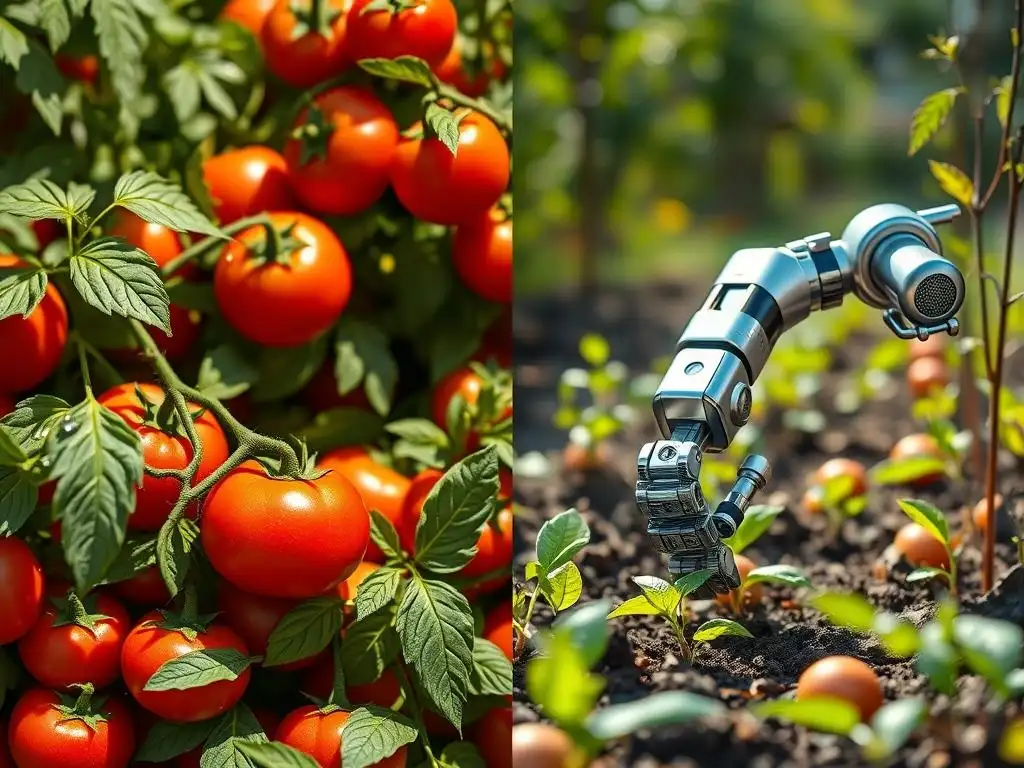
Selecting the optimal automated home gardening system requires careful consideration of several key factors. The perfect robotic gardener for one individual might be entirely unsuitable for another, depending on their specific needs and circumstances. This section will guide you through the crucial steps in choosing the right automated system for your home cultivation efforts. Remember, the goal is to find a system that enhances your gardening experience, not complicates it.
Assessing Your Garden Size and Crop Types
The first step in choosing an automated home gardening system is honestly evaluating your garden's size and the types of crops you intend to cultivate. Automated systems vary significantly in their capacity. Some are designed for small, indoor setups, ideal for growing herbs or a limited number of vegetables in vertical farms or hydroponic systems. Others are designed for larger outdoor spaces, capable of managing extensive rows of plants.
Consider these points:
- Space: Measure your available gardening space meticulously. Note the dimensions and any obstacles (e.g., fences, trees). This will determine the physical footprint of the system you can accommodate.
- Crop Types: Different automated systems may be better suited for certain plant types. Some excel at managing delicate seedlings, while others are more robust and suitable for larger, hardier plants. Vertical farming systems, for instance, are particularly well-suited for leafy greens and herbs, while larger robotic systems might be better for tomatoes or peppers.
- Yield Expectations: How much produce do you anticipate harvesting? Select a system with sufficient capacity to meet your needs. Overestimating or underestimating your yield can lead to either wasted resources or insufficient harvests.
For example, a small, indoor hydroponic system might be perfect for someone growing basil and lettuce on a windowsill. Conversely, someone with a large outdoor garden aiming to cultivate a wide variety of vegetables would require a more extensive and powerful robotic system, potentially incorporating features like autonomous weeding and irrigation across multiple beds. Don't forget to factor in the potential for expansion – can the system easily adapt to your growing needs in the future?
Determining Your Budget and Technological Expertise
Automated home gardening systems represent a significant investment. Prices range dramatically, from relatively affordable smaller units to high-end, sophisticated systems costing thousands of dollars. Budget constraints will significantly influence your choices. Beyond the initial purchase price, consider ongoing operational costs, including electricity consumption, replacement parts, and potential maintenance or service fees.
Technological expertise also plays a crucial role. Some systems offer user-friendly interfaces and require minimal technical knowledge, while others demand a higher level of proficiency. Consider your comfort level with technology and the time you're willing to dedicate to learning and maintaining the system.
| Feature | Low-Cost System | High-Cost System |
|---|---|---|
| Price Range | $100 - $500 | $1000 - $5000+ |
| Complexity | Simple operation, basic features | Advanced features, complex programming capabilities |
| Maintenance | Minimal maintenance required | More complex maintenance and potential service calls |
| Automation | Basic automated functions (e.g., watering) | Extensive automation (e.g., weeding, fertilization) |
| Scalability | Limited scalability | Highly scalable and adaptable |
Choosing a system that matches both your financial resources and your technical abilities is paramount to a positive user experience. Don't be afraid to start small and upgrade as your confidence and budget allow. Remember that the most expensive system isn't necessarily the best one for you.
Comparing Features and Specifications of Different Models
Once you've assessed your needs and budget, it's time to compare specific models. Pay close attention to the features and specifications offered by different automated home gardening systems. Key features to consider include:
- Watering System: Does it offer precise control over watering schedules and amounts? Does it incorporate soil moisture sensors for optimized irrigation?
- Lighting System: If using an indoor system, does it provide adequate light intensity and spectrum for optimal plant growth? Is the lighting system energy-efficient?
- Temperature Control: Does the system regulate temperature to maintain optimal growing conditions?
- Nutrient Delivery: For hydroponic systems, how is nutrient solution delivered? Is it automated and adjustable?
- Pest Control: Does the system incorporate any pest control measures? This could include integrated pest management strategies or automated removal mechanisms.
- Monitoring Capabilities: Does the system provide real-time data on plant health, soil conditions, and other crucial parameters? Does it offer remote monitoring capabilities via a mobile app?
Carefully review product specifications and user reviews before making a final decision. Choosing the right automated home gardening system can greatly enhance your gardening experience and lead to abundant, healthy harvests. Remember, the best system is the one that best meets your specific needs and preferences within the realm of "Automated home gardening systems".
Considering Maintenance and Support Requirements
Automated home gardening systems, while offering convenience, require regular maintenance to ensure optimal performance and longevity. Understanding the maintenance needs before purchasing is crucial. Some systems might need frequent cleaning of sensors, water pumps, or nutrient delivery mechanisms. Others may require periodic software updates or calibration. The frequency and complexity of these tasks will vary depending on the specific system's design and features. For example, a system with a complex robotic arm for planting and harvesting will likely demand more frequent maintenance than a simpler, automated watering system.
Before committing to a purchase, carefully review the manufacturer's maintenance instructions. Look for information on the frequency of required cleaning, the type of cleaning products recommended (avoiding harsh chemicals that could damage components), and the estimated time commitment involved. Consider whether you have the time and skills to perform these tasks regularly. A system requiring extensive maintenance might negate the convenience factor it initially promised, especially for busy individuals.
The availability and quality of customer support are also critical factors. A reliable support system can be invaluable when troubleshooting problems or seeking guidance on maintenance procedures. Research the manufacturer's reputation for responsive and helpful customer service. Look for reviews and testimonials from other users that assess the ease of contacting support, the effectiveness of their assistance, and the availability of repair services or replacement parts.
A system with poor support could leave you stranded with a malfunctioning unit, rendering your investment useless. Consider the warranty period offered and the extent of coverage it provides. A longer warranty with comprehensive coverage indicates a manufacturer's confidence in their product and willingness to address potential issues.
Don't hesitate to contact the manufacturer directly before purchasing to inquire about their support policies and procedures. This proactive approach can save you from potential headaches down the line. Remember, a well-maintained system, supported by a reliable manufacturer, will ensure a positive and productive automated home gardening experience.
Setting Up and Maintaining Your Robotic Gardener
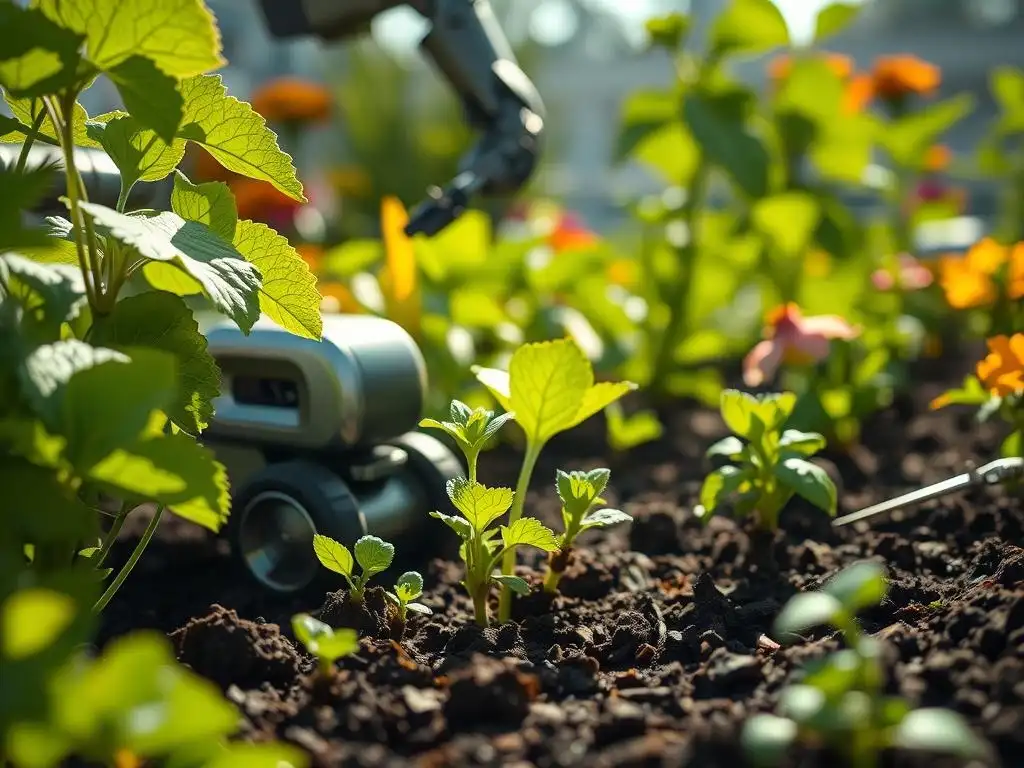
This section details the process of setting up and maintaining your automated home gardening system, ensuring optimal performance and longevity. We'll cover everything from initial installation to ongoing upkeep, empowering you to effortlessly cultivate your home garden. Successful implementation of automated home gardening systems hinges on meticulous setup and consistent maintenance.
Step-by-Step Installation Guide
Setting up your robotic gardener might seem daunting, but following these steps ensures a smooth process. Remember to consult your specific system's manual for detailed instructions tailored to your model.
- Site Selection and Preparation: Choose a location with adequate sunlight (at least 6 hours daily for most plants) and access to a water source. Level the ground and clear any debris. Consider soil type and drainage – amending the soil with compost before installation can significantly improve plant health. Automated home gardening systems often require a stable, level surface.
- Base Unit Installation: Carefully position the base unit according to the manufacturer's instructions. This usually involves connecting it to a power source and water supply. Ensure all connections are secure to prevent leaks or malfunctions. Many systems utilize a modular design, allowing for customization based on garden size and plant types.
- Sensor Placement: Strategic placement of sensors is crucial for accurate data collection. Follow the provided diagrams to position soil moisture sensors, light sensors, and temperature sensors. Accurate sensor readings are essential for optimal automated watering and environmental control.
- Planting and System Calibration: Plant your seedlings or seeds according to the recommended spacing. Once planted, calibrate the system by inputting details such as plant type, planting date, and desired growth parameters. This calibration ensures the system tailors its functions to your specific needs.
- Initial System Test: Before leaving the system unattended, conduct a thorough test run. Observe the watering system, lighting system, and other automated functions to ensure they are operating correctly. This proactive approach prevents potential problems later on.
- App Integration (If Applicable): Many automated home gardening systems integrate with mobile apps, allowing you to monitor and control your garden remotely. Download the app, connect your system, and familiarize yourself with its features. Remote monitoring adds convenience and allows for proactive adjustments.
Regular Maintenance and Troubleshooting Tips
Regular maintenance is key to the long-term success of your automated home gardening system. Neglecting maintenance can lead to malfunctions, reduced efficiency, and even plant damage.
| Maintenance Task | Frequency | Description |
|---|---|---|
| Clean Sensors | Weekly | Gently wipe sensors to remove debris and ensure accurate readings. |
| Inspect Water Lines | Bi-weekly | Check for leaks, blockages, or wear and tear. Replace as needed. |
| Check Power Supply | Monthly | Ensure power is stable and connections are secure. |
| Inspect Mechanical Parts | Monthly | Lubricate moving parts as needed to prevent seizing or damage. |
| Software Diagnostics Check | Monthly | Run system diagnostics to identify and address potential issues early on. |
| Soil Testing and Adjustment | As Needed | Regularly test soil pH and nutrient levels. Amend as needed. |
Troubleshooting common issues is also vital. For example, if your plants are wilting despite sufficient water in the reservoir, check for clogged water lines or malfunctioning sensors. Similarly, if the lighting system malfunctions, inspect the power supply and wiring. Keeping a log of maintenance activities and troubleshooting steps can be helpful for future reference. Remember, proactive maintenance significantly reduces the likelihood of major problems.
Software Updates and System Optimization
Automated home gardening systems often receive software updates that enhance functionality, improve performance, and address bugs. Regularly checking for and installing these updates is crucial for maintaining optimal system operation. These updates often include improvements to algorithms that manage watering schedules, nutrient delivery, and environmental controls, leading to healthier plants and a more efficient gardening process.
Software updates may also introduce new features, such as enhanced data analysis capabilities, integration with other smart home devices, or support for a wider range of plants. Taking advantage of these updates ensures your system remains at the forefront of technological advancements in automated home gardening systems. Staying updated with software releases is essential for maximizing the benefits of your automated system.
The manufacturer usually provides notifications or instructions for updating the software. Always back up your data before performing a software update to prevent data loss. Proper system optimization, through software updates and regular maintenance, ensures a smooth and efficient automated home gardening experience.
The Future of Automated Home Gardening Systems
The rise of automated home gardening systems signifies a pivotal shift in how we approach home cultivation. No longer confined to manual labor and unpredictable weather patterns, modern gardeners are embracing technology to optimize yield, minimize effort, and maximize sustainability. This section delves into the exciting advancements shaping the future of this burgeoning field, focusing on the key technological drivers and their impact on the home gardening experience. We'll explore how AI and robotics, smart home integration, and personalized solutions are revolutionizing the way we grow our own food.
Advancements in Artificial Intelligence and Robotics
Artificial intelligence (AI) and robotics are at the forefront of automated home gardening systems, offering unprecedented levels of precision and efficiency. AI-powered sensors monitor crucial environmental factors such as soil moisture, temperature, light intensity, and nutrient levels, providing real-time data for informed decision-making. This data-driven approach allows for precise adjustments to irrigation, fertilization, and environmental controls, optimizing plant growth and maximizing yield.
For example, advanced robotic systems can automate tasks like planting seeds, weeding, and harvesting. These robots utilize computer vision and machine learning algorithms to identify individual plants, differentiate between weeds and crops, and perform delicate operations with minimal damage. The precision offered by robotic systems surpasses human capabilities, leading to reduced labor costs and improved crop quality.
Imagine a robot gently harvesting your ripe tomatoes, avoiding bruising and ensuring only the perfect specimens are selected – this is becoming a reality. Further advancements are focused on improving the robots' dexterity and adaptability to handle various plant types and gardening configurations. This includes the development of more sophisticated gripping mechanisms and improved navigation algorithms for navigating complex garden layouts.
The integration of AI and robotics isn't just about automation; it's about creating smarter, more responsive gardening systems. Predictive analytics, based on historical data and weather forecasts, can anticipate potential problems, such as pest infestations or nutrient deficiencies, allowing for proactive interventions. This predictive capability minimizes the risk of crop failure and ensures a consistent, abundant harvest. The use of AI in automated home gardening systems is continuously evolving, with new algorithms and sensor technologies constantly improving their accuracy and efficiency. This ongoing development promises even more sophisticated and capable systems in the near future.
Integration with Smart Home Technology
The seamless integration of automated home gardening systems with smart home technology is another key aspect of this technological revolution. This integration allows for centralized control and monitoring of all aspects of the garden, from a single interface on your smartphone or tablet. Imagine adjusting the lighting and watering schedules remotely, receiving alerts about potential issues, and even monitoring the growth progress of your plants in real-time, all from the comfort of your living room.
This level of connectivity not only simplifies garden management but also enhances efficiency and sustainability. Smart home systems can optimize energy consumption by adjusting lighting and heating based on real-time conditions and predicted needs. They can also integrate with other smart home devices, such as weather stations and energy monitoring systems, to create a fully integrated and optimized home ecosystem.
Data collected by the automated gardening system can be shared with other smart home devices, providing valuable insights into energy usage, water consumption, and overall environmental impact. The potential for data analysis and optimization extends beyond the immediate garden environment, contributing to a more sustainable and environmentally conscious lifestyle. The interconnectedness of these systems offers significant advantages in terms of ease of use, efficiency, and data-driven decision-making.
Potential for Personalized Gardening Solutions
Automated home gardening systems are moving beyond generic solutions, embracing the potential for personalized gardening experiences tailored to individual needs and preferences. This personalization extends to various aspects, from the types of plants grown to the specific environmental conditions maintained. Advanced systems can be programmed to accommodate diverse plant species with varying requirements, ensuring optimal growth for each individual plant.
This level of customization is achieved through advanced algorithms that analyze user preferences, environmental conditions, and plant-specific data to create bespoke growing schedules and environmental controls. For example, a system could be programmed to prioritize the growth of specific herbs based on a user’s culinary preferences, or to adjust watering schedules based on the specific water requirements of different plants. The ability to adapt to different plant types and user preferences opens up new possibilities for home gardeners, allowing them to cultivate a wider range of plants with greater success. This shift towards personalization is a key driver of the increasing popularity of automated home gardening systems, making them accessible and appealing to a wider range of users, regardless of their gardening experience. The future of automated home gardening systems lies in their ability to seamlessly adapt to individual needs and preferences, offering a truly personalized and rewarding gardening experience.
Addressing Challenges and Limitations of Current Technology
Automated home gardening systems, while promising a future of effortless cultivation, currently face several technological hurdles. One significant challenge lies in the sophistication of environmental control. Maintaining optimal conditions—precise temperature, humidity, and light levels—requires sensitive sensors and robust algorithms capable of adapting to fluctuating external factors. Current systems often struggle with unexpected variations, such as sudden power outages or extreme weather events impacting greenhouse environments.
This can lead to crop failure or reduced yields, undermining the system's effectiveness. Furthermore, the cost of high-precision sensors and control systems remains a barrier to widespread adoption, making automated gardening systems inaccessible to many home cultivators. The need for continuous monitoring and potential maintenance also adds to the overall cost and complexity.
Another limitation is the robustness and reliability of robotic components. Many automated systems rely on delicate mechanisms for tasks like planting, watering, and harvesting. These components are susceptible to wear and tear, malfunction, and damage from environmental factors.
Developing more durable and easily repairable robotic components is crucial for improving the long-term reliability and cost-effectiveness of automated home gardening solutions. The current reliance on intricate, often proprietary systems also means repairs can be expensive and time-consuming, potentially rendering the entire system unusable. This lack of modularity and ease of repair significantly hampers the practicality of these systems for the average home gardener.
Finally, the software and AI aspects of automated gardening systems require further development. While advances in machine learning enable systems to monitor plant health and adjust parameters accordingly, the ability to accurately diagnose plant diseases or pest infestations remains limited. Current AI models often struggle with distinguishing between healthy and unhealthy plants, especially in the early stages of disease or infestation.
This limitation can result in delayed interventions, leading to crop losses. Further research and development are needed to create more sophisticated AI algorithms capable of accurate and timely plant health assessments. The integration of advanced image recognition and spectral analysis techniques could greatly improve this aspect of automated home gardening.
Improved user interfaces that provide clear and actionable insights into the system's performance and plant health are also critical for user adoption and satisfaction. Ultimately, the successful integration of these various technological components will determine the future success and widespread adoption of automated home gardening systems.
Frequently Asked Questions
What are automated home gardening systems?
Automated home gardening systems use technology to simplify and improve home cultivation. These systems can automate tasks like watering, lighting, and nutrient delivery, reducing manual labor and increasing efficiency. They often incorporate smart features for monitoring plant health.
How much do automated home gardening systems cost?
The cost varies greatly depending on size, features, and brand. Basic systems can start around a few hundred dollars, while more advanced, larger systems can cost several thousand. Consider your budget and needs when choosing a system.
Are automated home gardening systems difficult to set up and use?
Most systems are designed for user-friendly setup and operation. Many include intuitive apps and interfaces, guiding you through the process. However, some systems may require more technical knowledge than others.
What are the benefits of using an automated home gardening system?
Automated systems offer several benefits, including increased yields, consistent plant growth, and reduced labor. They can also improve water efficiency and minimize the risk of pest infestations through controlled environments.
Can I grow any type of plant in an automated home gardening system?
While many plants thrive in automated systems, the suitability depends on the system's features. Some systems are better suited for specific types of plants due to factors like lighting, space, and nutrient delivery methods. Check the system's specifications before purchasing.
Final Reflection: Harvesting the Future of Home Gardening
The rise of automated home gardening systems isn't just a technological marvel; it's a vital response to growing concerns about food security, sustainability, and the increasing disconnect between people and their food sources. These systems offer a tangible path towards a future where fresh, healthy produce is readily accessible to everyone, regardless of their gardening expertise or available space. The convenience they offer is undeniable, but their potential impact extends far beyond mere ease of use.
The shift towards automated gardening reflects a broader societal yearning for connection with nature, even within the confines of urban living. This desire to cultivate our own food, to understand the processes involved, and to witness the miracle of growth firsthand, is deeply human. The glory of gardening: hands in the dirt, head in the sun, heart with nature. To nurture a garden is to feed not just the body, but the soul.
This quote perfectly encapsulates the emotional reward of gardening, a reward that automated systems enhance by removing many of the time-consuming and physically demanding aspects.
Consider the implications of this technology. What if everyone had access to a small, automated garden? What impact would this have on community health, local food systems, and our overall relationship with the environment? You, the reader, hold the power to shape this future. Embrace the potential of automated home gardening, explore the possibilities, and consider how you can integrate this technology into your life to cultivate not only plants, but also a deeper connection with the natural world and a more sustainable future.
Unlock Your Green Thumb: Cultivate a Thriving Garden Today!
Thanks for exploring the world of robotic gardening with us! We hope you've discovered new ways to make home gardening easier and more efficient. Ready to take the next step toward your own effortless harvest?
- Design your automated garden: Carefully consider your plants' specific needs and choose the robotic tools best suited to meet them. This is your opportunity to create a truly personalized gardening system!
- Share your experiences: Join our online community forum to connect with other home gardeners and exchange ideas about robotic gardening. Let's learn from each other!
- Research robotic gardening tools: Explore different models, features, and price points to find the perfect tools for your home garden and budget.
Are you ready to embrace the future of gardening and finally achieve the lush, thriving garden you've always dreamed of?