
Animal Intruders: Keeping Wildlife Out of Your Vegetable Garden

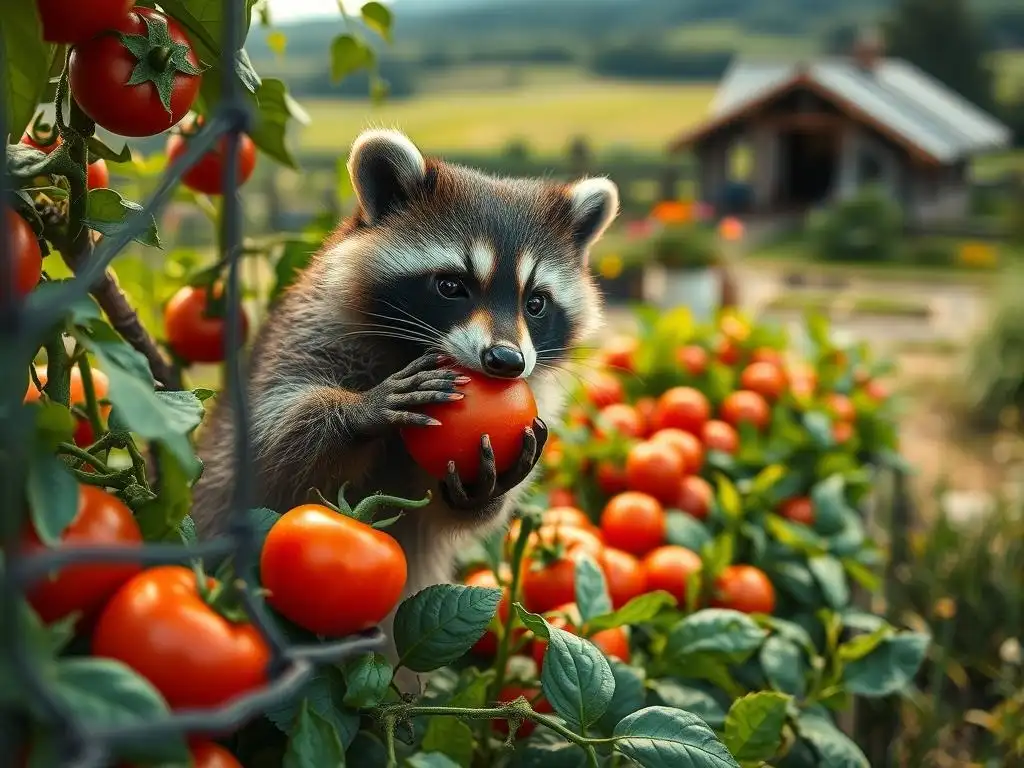
Welcome to CultivateYourFood, your guide to a thriving, sustainable garden! Are you tired of sharing your hard-earned harvest with uninvited guests? This site is dedicated to helping you grow delicious fruits, vegetables, and herbs organically, and our latest article in the Troubleshooting section tackles a common challenge: keeping wildlife out of your vegetable garden. Discover effective, eco-friendly solutions to protect your precious plants and learn how to cultivate a bountiful harvest, free from furry and feathered intruders. Let's get started!
- Understanding Wildlife Threats to Your Vegetable Garden
- Deterrents: Keeping Wildlife Away from Your Vegetables
- Protecting Specific Plants: Targeted Strategies
- Sustainable and Organic Pest Control: Wildlife Management Methods
- When to Call for Professional Help: Dealing with Persistent Problems
- Maintaining a Wildlife-Friendly Environment
- Frequently Asked Questions
- Final Reflection: Harvesting Harmony: Humans and Wildlife in Shared Spaces
- Protect Your Harvest: Simple Steps to a Wildlife-Free Garden
Understanding Wildlife Threats to Your Vegetable Garden
Protecting your lovingly cultivated fruits, vegetables, and herbs from unwelcome animal visitors is a crucial aspect of successful home gardening. This article focuses on practical, sustainable strategies for keeping wildlife out of your vegetable garden, ensuring a bountiful harvest without compromising the well-being of local animals. We'll explore common garden pests, the damage they inflict, their behavioral patterns, and effective, humane methods to deter them, all while maintaining an environmentally conscious approach. Successfully navigating this challenge is key to reaping the rewards of your hard work and enjoying the fruits (and vegetables!)
of your labor. Learning to coexist peacefully with wildlife while protecting your garden is a rewarding aspect of sustainable gardening, and we're here to guide you through the process. Let's delve into the common culprits and develop a plan to safeguard your precious plants.
Identifying Common Garden Pests: Deer, Rabbits, Squirrels, Birds, and More
Many animals find your vegetable garden an irresistible buffet. Identifying the specific culprits is the first step in creating an effective defense strategy. Here are some of the most common garden invaders and the types of damage they cause:
- Deer: These elegant creatures can cause significant damage, often consuming entire plants in a single night. They are particularly fond of leafy greens, tender shoots, and fruits. Look for cleanly clipped foliage and large footprints as telltale signs. 🦌
- Rabbits: Rabbits tend to nibble at lower-lying plants, often leaving behind characteristically ragged edges on leaves and stems. They favor young, succulent plants. 🐰
- Squirrels: These agile rodents are opportunistic eaters, targeting nuts, seeds, fruits, and even bulbs. Look for scattered soil, gnawed nutshells, and damage to underground crops. 🐿️
- Birds: Birds can be a nuisance, pecking at ripening fruits and seeds. Look for small, scattered droppings and signs of pecking on the produce. 🐦
- Other Pests: Depending on your location, you might also encounter raccoons, opossums, groundhogs, or other animals that can wreak havoc on your garden. Observing the damage and identifying the tracks can help with identification.
Assessing the Damage: Recognizing Signs of Animal Intrusion
Before implementing any deterrents, it's vital to accurately assess the extent and nature of the damage. This helps pinpoint the culprits and tailor your approach. Look for:
- Type of Damage: Is the damage concentrated on certain plants or spread throughout the garden? Are plants completely eaten, or just nibbled? Are there burrow holes or signs of digging?
- Patterns: Is the damage consistent, or does it seem random? Are there specific times of day or night when the damage occurs? This can reveal patterns in the animals' behavior.
- Tracks and Droppings: Animal tracks and droppings can provide valuable clues about the species responsible. Consult field guides or online resources to identify the tracks and droppings you find.
Careful observation is key to understanding the scale of the problem and developing a targeted solution. Remember to document the damage with photos or notes to track progress and the effectiveness of your chosen deterrent methods.
Understanding Animal Behavior: Why Wildlife Targets Your Garden
Understanding why animals target your garden is crucial for effective deterrence. Several factors attract wildlife:
- Food Source: Your garden provides a readily available and nutritious food source, especially during lean times.
- Shelter and Cover: Dense vegetation or structures near your garden can provide shelter and hiding places for animals.
- Water Source: A lack of natural water sources might draw animals to your garden in search of hydration.
- Lack of Natural Predators: An absence of natural predators can lead to increased wildlife populations in your area.
By addressing these factors, you can create a less attractive environment for unwanted visitors. This may involve managing vegetation, providing alternative food sources, or improving water access elsewhere. Understanding their motivations is the first step towards a peaceful coexistence.
Deterrents: Keeping Wildlife Away from Your Vegetables
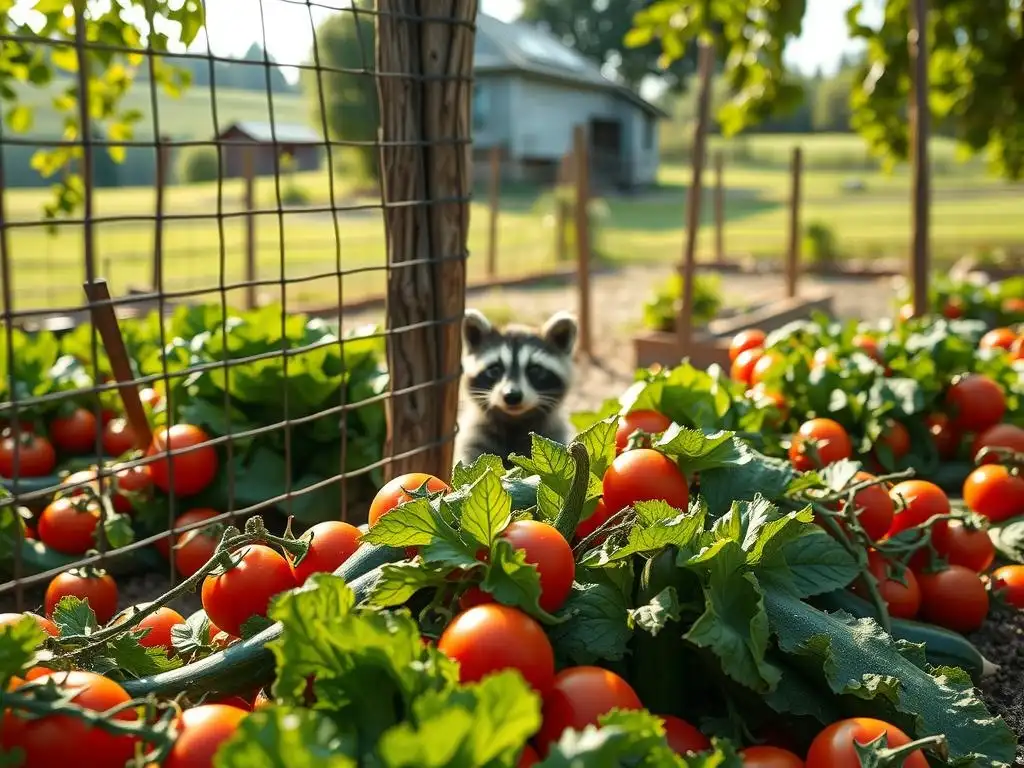
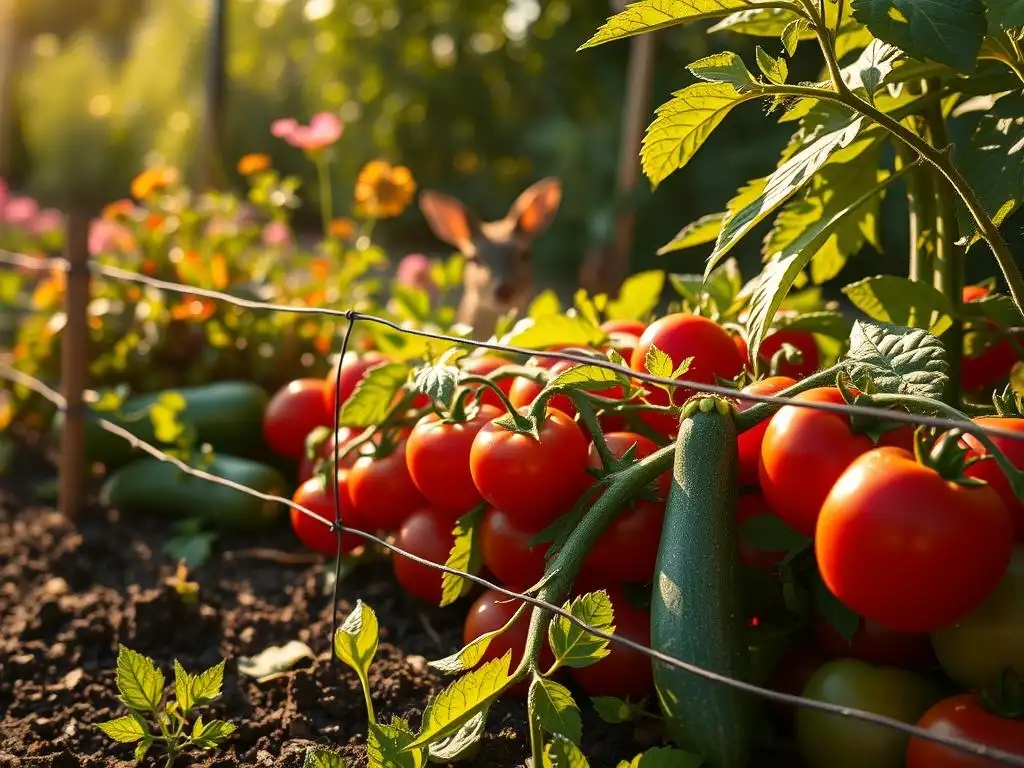
This section focuses on practical strategies to deter animals from damaging your precious vegetable garden, helping you successfully implement a "keep wildlife out vegetable garden" strategy. We'll explore various deterrents, ranging from physical barriers to natural and homemade solutions. Remember, a multi-pronged approach is often the most effective. The goal is to create an environment less appealing to wildlife while maintaining a sustainable and organic garden.
Physical Barriers: Fences, Nets, and Repellents for Animal Control
Physical barriers are your first line of defense against persistent animal intruders. Choosing the right barrier depends on the size and type of animals you're dealing with.
For example, a simple chicken wire fence (around 1.5 meters high) might effectively deter rabbits and groundhogs, while a taller, more robust fence made of sturdy materials like wood or metal might be necessary to keep out deer. Consider burying the bottom of the fence several inches deep to prevent digging.
Nets are particularly useful for protecting individual plants or smaller areas within your garden. Floating row covers can protect seedlings from birds and insects, while bird netting can prevent birds from pecking at ripening fruits and vegetables. Remember to check the netting regularly to ensure it's not causing harm to your plants.
Important Note: Properly securing your physical barriers is crucial. Loose or damaged fences or nets will be ineffective and might even injure animals. Regularly inspect and repair any damage to ensure ongoing protection.
Furthermore, commercial animal repellents can supplement physical barriers. These repellents often utilize scents or tastes animals find unpleasant. However, their effectiveness varies depending on the animal and weather conditions. Some animals may become habituated to the repellent over time, requiring you to rotate or change products.
Natural Repellents: Utilizing Plants and Scents to Deter Animals
Natural repellents offer a more environmentally friendly approach to wildlife control. Certain plants and scents are naturally aversive to various animals.
Planting strong-smelling herbs like rosemary, lavender, peppermint, and chives around the perimeter of your garden can deter many creatures. These plants release aromatic oils that many animals find unpleasant.
Similarly, certain plants themselves act as natural deterrents. For example, daffodils are known to repel rabbits and squirrels. Marigolds are also often planted due to their ability to repel some insects and nematodes.
| Plant | Animal Repelled | Effectiveness | Notes |
|---|---|---|---|
| Rosemary | Rabbits, deer, cats | Moderate | Strong scent, needs regular planting |
| Lavender | Rabbits, cats, fleas | Moderate | Fragrant, attracts bees |
| Peppermint | Ants, mice, rabbits | Moderate | Strong scent, needs careful placement |
| Chives | Rabbits, cats, aphids | Moderate | Edible, can be incorporated into the garden |
| Daffodils | Rabbits, squirrels | High | Toxic to some animals, plant strategically |
| Marigolds | Some insects, nematodes | Moderate | Bright colors, can add visual appeal |
Remember, the effectiveness of natural repellents can vary based on the animal species and environmental factors. A combination of different plants and scents is often more effective than relying on a single repellent.
Homemade Deterrents: Simple and Effective DIY Solutions for Wildlife Control
Creating homemade deterrents can be a cost-effective and environmentally conscious way to keep wildlife out of your vegetable garden.
One simple solution is using a spray made from hot pepper flakes or cayenne pepper mixed with water. The spiciness irritates animals' mouths and discourages them from eating your plants. This method is especially effective against rabbits and deer. Remember to label the spray clearly and keep it out of reach of children and pets.
Another option is using human hair or dog hair scattered around the base of plants. The smell and texture can deter some animals. Similarly, placing broken eggshells around plants can create a physical barrier and deter slugs and snails.
Tip: Regularly rotate your homemade deterrents and combine them with other methods for optimal effectiveness. Animals can adapt, so variety is key to long-term success in your "keep wildlife out vegetable garden" strategy. Experiment to find what works best in your specific garden environment. For instance, you could combine the hot pepper spray with a barrier of chicken wire around particularly vulnerable plants.
Remember, patience and persistence are crucial when dealing with wildlife in your garden. By combining different deterrent strategies, you can significantly reduce the damage caused by animals while maintaining a healthy and thriving vegetable patch. The key is to make your garden less attractive and more challenging for unwanted visitors, ensuring a bountiful harvest.
Commercial Repellents: Choosing Effective and Safe Products
Commercial repellents offer a convenient option for keeping wildlife out of your vegetable garden, but choosing the right product is crucial. Effectiveness varies greatly depending on the animal you're trying to deter and the specific repellent's formulation. Some repellents utilize strong scents—like those based on garlic, peppermint oil, or capsaicin (the active ingredient in chili peppers)—to create an unpleasant experience for animals, discouraging them from entering the area. Others employ visual deterrents such as shiny ribbons or reflective tape to startle animals and make them feel unsafe.
It's essential to carefully read product labels before application. Pay close attention to the target animal(s) the repellent is designed for, as a product effective against deer might be ineffective against rabbits. Check the active ingredients and ensure they are safe for your plants, pets, and your family. Some commercial repellents contain harsh chemicals that could harm beneficial insects or pollute the soil.
Opt for organic and biodegradable options whenever possible to maintain the integrity of your sustainable gardening practices. Remember that many repellents need to be reapplied regularly, especially after rainfall, to maintain their effectiveness. Consistent application is key to achieving satisfactory results and keeping those pesky critters away from your precious vegetables.
Consider factors such as the size of your garden and the severity of the wildlife problem when selecting the quantity of repellent needed. A small garden with a minor infestation might only require a small bottle, whereas a larger garden facing a significant wildlife challenge may necessitate purchasing multiple containers. Furthermore, remember that no repellent is foolproof. A multi-pronged approach, combining commercial repellents with other deterrents, is often the most effective strategy for achieving long-term protection of your vegetable garden. This integrated pest management strategy can help you keep wildlife out of your garden while minimizing environmental impact.
Protecting Specific Plants: Targeted Strategies
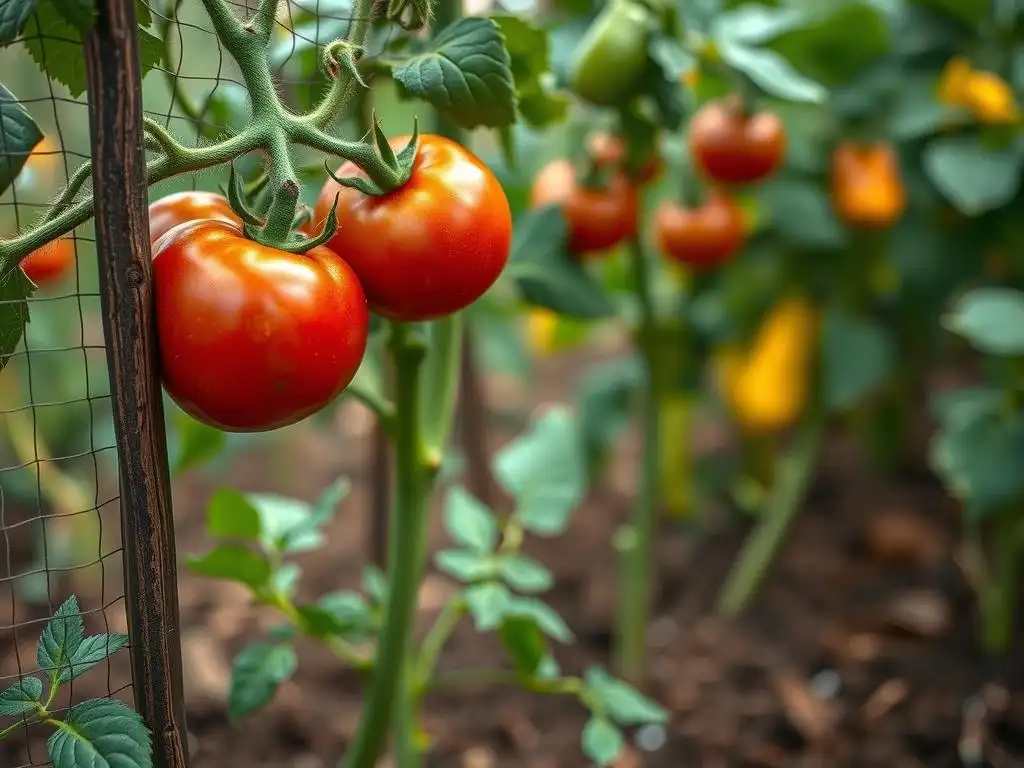
This section focuses on tailored solutions for protecting individual plants or plant types from specific wildlife threats. A blanket approach to wildlife deterrence rarely works effectively; understanding the specific animals targeting your garden and their preferred methods of attack is crucial for successful protection. Remember, the best defense is often a multi-layered approach combining several techniques. Effective "keep wildlife out vegetable garden" strategies require diligent observation and adaptation.
Protecting Tomatoes and Other Low-Growing Plants from Ground Animals
Ground animals like rabbits, squirrels, and voles can decimate low-growing crops like tomatoes, peppers, and leafy greens. Their preferred method of attack is often nibbling at the base of the plant or directly consuming the fruits. Therefore, physical barriers are highly effective.
Several strategies can be employed:
- Hardware Cloth Cylinders: Surround individual plants with cylinders made from hardware cloth, burying the bottom several inches deep to prevent digging. This creates a protective cage around the plant, allowing it to grow while keeping out most small animals. Ensure the mesh size is small enough to deter even the smallest intruders.
- Chicken Wire Fencing: For larger areas, a chicken wire fence buried several inches deep can act as an effective barrier. Consider adding a slightly outward-leaning top to prevent animals from climbing over.
- Repellents: Commercial repellents containing natural ingredients like garlic or pepper oil can be effective, but require frequent reapplication, especially after rain. [Specific repellent efficacy data pending]. Remember to always follow the manufacturer's instructions.
- Raised Beds: Growing susceptible plants in raised beds can make them less accessible to ground-dwelling creatures. The added height presents a physical challenge, and the open space beneath the bed makes it easier to spot and deter pests.
- Companion Planting: Planting strong-smelling herbs like rosemary or mint near vulnerable plants might deter some animals due to their unpleasant scent. However, the effectiveness of this method varies greatly depending on the specific animal and plant.
Keeping Birds Away from Berries and Small Fruits
Birds are notorious for raiding ripening berries, cherries, and other small fruits. Their quick movements and aerial approach require different strategies than those employed against ground animals. Effective "keep wildlife out vegetable garden" strategies against avian intruders often involve visual and auditory deterrents.
- Bird Netting: Covering vulnerable plants with bird netting is a highly effective method. Ensure the netting is fine enough to prevent birds from getting tangled and is securely fastened to prevent escape.
- Shiny Objects: Hanging reflective tape, CDs, or aluminum foil strips can deter birds. The movement and flash of light often frighten them away.
- Scarecrows: While traditional scarecrows are often ineffective in the long run, strategically placed, moving objects can deter birds temporarily. Consider using pinwheels or other rotating devices.
- Auditory Deterrents: Ultrasonic bird repellents are available, but their effectiveness can vary. [Specific data on ultrasonic repellent effectiveness pending]. Consider using a combination of methods for maximum impact.
- Harvesting Frequently: Regular harvesting of ripe fruits minimizes the incentive for birds to raid your garden.
Deer-Proofing Your Vegetable Garden: Strategies for Larger Animals
Deer pose a significant threat to vegetable gardens, consuming large quantities of plants in a short period. Their size and agility necessitate robust deterrents. A successful "keep wildlife out vegetable garden" strategy against deer requires a combination of physical barriers and repellents.
- Tall Fencing: A tall fence (at least 8 feet high) made of sturdy materials like wire mesh or wood is essential. Ensure the fence is buried several inches deep to prevent digging.
- Repellents: Commercial deer repellents are available, but their effectiveness varies and often requires frequent reapplication. [Specific data on commercially available deer repellent efficacy pending]. Consider using a combination of scent-based and taste-based repellents.
- Motion-Activated Sprinklers: These sprinklers activate when movement is detected, startling deer and driving them away. They're particularly effective in combination with other deterrent methods.
- Plants Deer Avoid: Consider incorporating plants that deer naturally avoid into your garden design. [List of deer-resistant plants pending]. This can help create a less appealing environment for deer.
- Physical Barriers: In addition to fencing, consider using thorny bushes or other physical barriers to make access to your garden more difficult.
Remember that consistent monitoring and adaptation of your chosen methods are essential for long-term success in protecting your vegetable garden from animal intruders. The effectiveness of each strategy can vary based on the specific animals in your area and their behavior patterns.
Sustainable and Organic Pest Control: Wildlife Management Methods
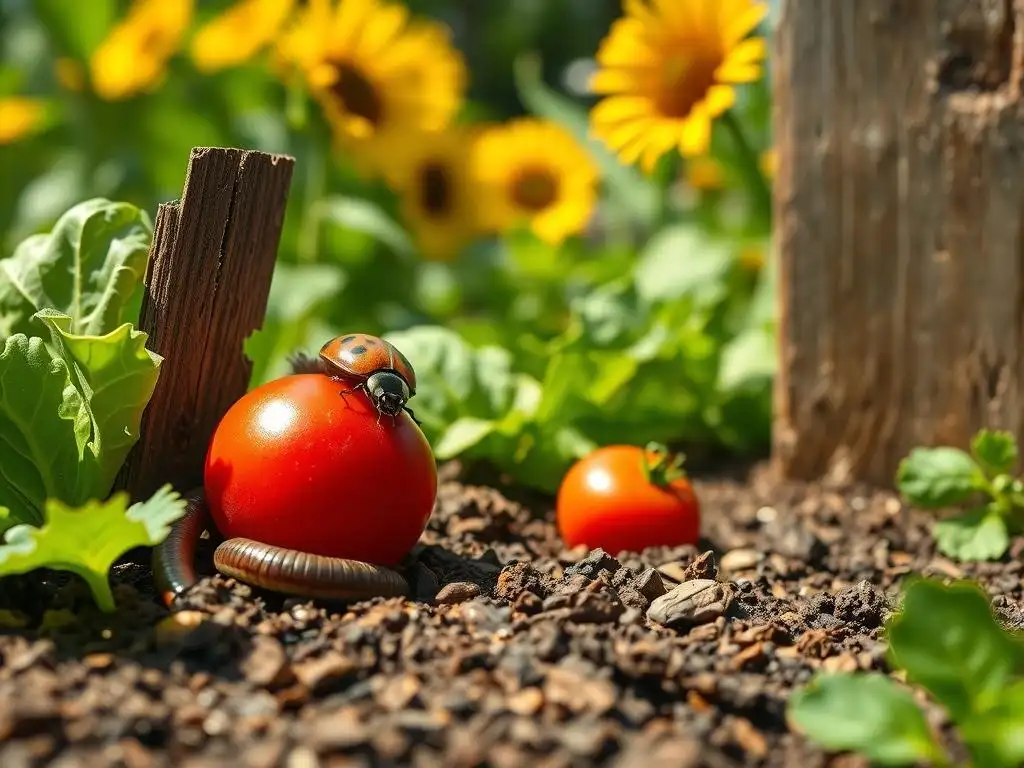
This section focuses on strategies to deter wildlife from your vegetable garden without resorting to harmful chemicals, aligning with the sustainable and organic principles of CultivateYourFood. We'll explore methods that minimize harm to animals while protecting your crops. Remember, a healthy ecosystem benefits both wildlife and your garden. The key is to create a balance that encourages coexistence.
Integrated Pest Management (IPM) for Wildlife: A Holistic Approach
Integrated Pest Management (IPM) isn't just for insects; it's a valuable framework for managing wildlife in your garden. IPM emphasizes prevention and monitoring before resorting to control measures. For wildlife, this involves understanding why animals are entering your garden. Are they seeking food, water, or shelter?
Addressing these root causes is crucial. For instance, if rabbits are attracted to your lettuce, consider installing fencing to prevent access. If birds are feasting on your berries, netting or bird-scaring devices might be necessary. Regular monitoring helps you identify the specific animals causing problems and their preferred access points. This allows for targeted solutions, minimizing unnecessary interventions.
A successful IPM plan considers the entire ecosystem. It's about creating a garden that's less attractive to pests while supporting beneficial insects and other wildlife that naturally control populations. This holistic approach reduces reliance on potentially harmful deterrents. For example, planting strong-smelling herbs like rosemary or lavender can repel some animals, while encouraging beneficial insects like ladybugs can help control aphid populations—a food source for some birds.
Coexistence Strategies: Minimizing Conflict with Wildlife
Effective wildlife management involves finding ways to coexist peacefully. It's about making your garden less appealing to unwanted visitors while still providing a habitat for beneficial species. This often requires a combination of strategies.
- Physical Barriers: Fencing, netting, and other physical barriers are essential for keeping out larger animals like deer, rabbits, and raccoons. The height and material of your fence should be tailored to the specific animals you're trying to deter. For example, chicken wire is effective against rabbits, but deer might easily jump over it. Consider burying the bottom of the fence to prevent digging.
- Repellents: Organic repellents, such as commercially available sprays made from natural ingredients (e.g., garlic, peppermint oil), can deter some animals. However, their effectiveness varies, and repeated applications are often necessary. Always check the product label for safety and usage instructions. Homemade repellents can also be effective, but their efficacy needs to be monitored closely.
- Habitat Modification: Modifying your garden's environment can make it less attractive to wildlife. Keeping the area clean and free of debris removes potential hiding places. Properly storing compost and removing fallen fruit reduces food sources. This can significantly reduce animal intrusions.
- Strategic Planting: Planting less susceptible crops can also help. Some plants are naturally less appealing to certain animals. Researching which plants are less likely to attract the animals prevalent in your area is a proactive measure.
| Animal | Common Problems | Solutions |
|---|---|---|
| Rabbits | Gnawing on plants, digging | Fencing, repellents, protective covers |
| Birds | Eating fruits and seeds | Netting, bird scarers, scarecrows |
| Deer | Browsing on plants, trampling | Fencing, repellents, deer-resistant plants |
| Squirrels | Digging, stealing nuts and seeds | Baffles on bird feeders, protective covers |
| Raccoons | Raiding garbage, damaging plants | Secure garbage cans, fencing |
Attracting Beneficial Predators: Natural Pest Control
Instead of solely focusing on repelling unwanted animals, consider attracting beneficial predators to your garden. These animals can help control populations of smaller pests that might otherwise become a problem. This approach promotes natural pest control within a balanced ecosystem.
For example, encouraging birds into your garden through birdhouses and feeders can help control insect populations. Similarly, providing habitats for hedgehogs or frogs can help manage slugs and snails. Remember to provide water sources and shelter for these beneficial predators to increase their presence in your garden. This is a crucial part of a sustainable and organic approach to pest management. A thriving ecosystem with a diversity of wildlife is far more resilient to pest problems than one that is aggressively and chemically controlled.
This integrated approach to wildlife management ensures you protect your vegetable garden while promoting biodiversity and respecting wildlife. Remember that patience and observation are key to success.
When to Call for Professional Help: Dealing with Persistent Problems
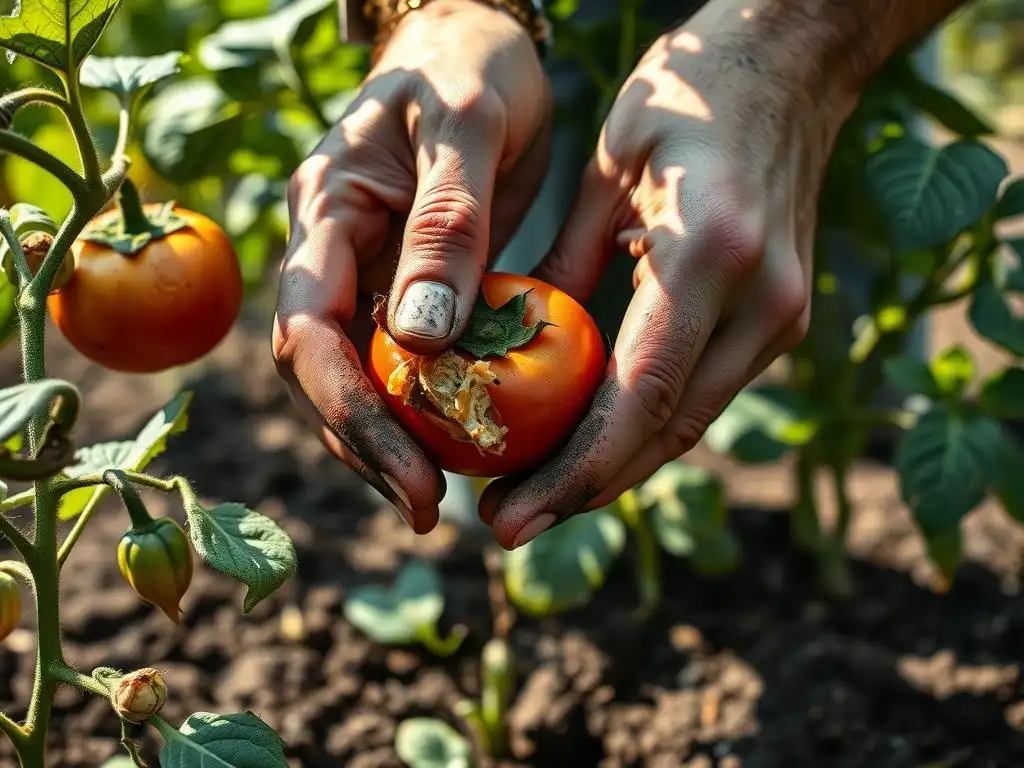
Dealing with wildlife intrusions in your vegetable garden can be frustrating. While many minor issues can be resolved with DIY solutions, persistent problems often require the expertise of wildlife professionals. Knowing when to call for help is crucial to protecting your garden and ensuring the safety of both yourself and the animals. This section will help you determine when your situation warrants professional intervention. Successfully keeping wildlife out of your vegetable garden sometimes means knowing your limitations.
Identifying Situations Requiring Professional Wildlife Removal
Persistent animal damage, despite your best efforts, is a clear sign you might need professional help. This isn't just about a few nibbled leaves; it's about consistent, significant damage that threatens your harvest. For instance, if raccoons repeatedly raid your tomatoes, despite using deterrents like motion-activated sprinklers and repellents, it's time to consider calling a wildlife removal specialist. They possess the knowledge and tools to identify the specific animals causing the problem and implement effective, humane removal strategies. This might involve trapping and relocating the animals to a more suitable habitat, a process best left to trained professionals.
The severity of the damage is key. A few holes in some lettuce leaves are manageable. However, widespread destruction across multiple plants, particularly if it's affecting a significant portion of your harvest, is a serious issue. Consider factors like the scale of the damage, the number of plants affected, and the frequency of the intrusions when making your decision. Documenting the damage with photos and notes over time can be incredibly helpful in presenting your case to a professional.
Another critical factor is the type of animal involved. While you might be able to manage smaller creatures like squirrels or rabbits with simple deterrents, larger or more aggressive animals like skunks, groundhogs, or even coyotes require a different approach. These animals can pose a risk to human safety, and their removal should be handled by experienced professionals equipped to deal with them safely and humanely. Their expertise in animal behavior is essential for preventing future intrusions and ensuring the animals' well-being.
Finally, consider the potential health risks. Animals can carry diseases, and their presence in your garden might contaminate your produce. If you suspect animal feces or urine has contaminated your vegetables, it's crucial to seek professional help. They can assess the situation, recommend appropriate cleanup procedures, and advise on the safety of your harvest. Protecting your health and the health of your family should always be a top priority. Remember, a healthy garden starts with a safe and healthy approach to wildlife management.
Maintaining a Wildlife-Friendly Environment
While keeping wildlife out of your vegetable garden is crucial for protecting your harvest, it's equally important to remember that we share this space with other creatures. A balanced approach involves deterring unwanted guests without harming the environment or the beneficial animals that contribute to a healthy ecosystem. Striking this balance is key to sustainable gardening.
This section explores ways to coexist peacefully with wildlife, minimizing conflicts while safeguarding your crops. We'll focus on strategies that promote biodiversity while protecting your precious vegetables. Understanding the needs of wildlife in your area is the first step towards effective and ethical wildlife management.
Creating a Habitat for Beneficial Insects and Animals Away from Your Garden
Creating a separate habitat for beneficial insects and animals can significantly reduce their interest in your vegetable garden. By providing alternative food and shelter sources, you're essentially diverting their attention. This strategy is particularly effective for creatures like ladybugs, which prey on aphids, and birds, which consume various garden pests.
Consider establishing a "wildlife haven" a short distance from your garden. This could include:
- A wildflower meadow: Plant native wildflowers to attract pollinators like bees and butterflies, and provide food for other beneficial insects. Consider including plants like coneflowers, sunflowers, and goldenrod. This diversifies your local ecosystem and supports pollinators, indirectly benefiting your garden.
- A bird feeder and bird bath: Providing a consistent food and water source for birds will attract them away from your vegetable plants. Choose bird feeders that are less likely to attract unwanted species, and regularly clean the bird bath to prevent the spread of disease.
- A brush pile or log pile: This provides shelter for beneficial insects, hedgehogs, and other small animals, keeping them away from the more cultivated areas of your garden. Remember to place this away from your crops to avoid attracting unwanted wildlife.
- A bug hotel: These structures provide shelter for beneficial insects such as ladybugs and lacewings. Constructing a simple bug hotel can be a fun and rewarding project, using readily available materials like bamboo canes, pine cones, and hollow stems.
The key is to make the alternative habitat more attractive than your garden. This requires consistent effort and observation. Regularly monitor the effectiveness of your wildlife haven and adjust accordingly. For instance, if you notice a particular species still invading your garden, you may need to modify the haven to better suit their needs or employ additional deterrents (discussed in other sections).
Waste Management: Preventing Animals from Accessing Food Sources
Proper waste management is critical to deterring wildlife from your vegetable garden. Animals, especially rodents and raccoons, are attracted to readily available food sources. Leaving fallen fruit, vegetable scraps, or compost exposed sends a clear invitation. This section will discuss efficient and effective waste management strategies to minimize this attraction.
- Regular Harvesting: Promptly harvest ripe fruits and vegetables to prevent them from rotting on the plants and attracting pests and animals. Regular harvesting is a preventative measure that reduces the availability of food sources for unwanted visitors.
- Compost Management: Keep your compost pile contained and secured. This prevents animals from accessing the rich organic matter within. Use a sturdy compost bin with a lid, or consider burying your compost in a designated area. Regularly turning the compost also helps to reduce odors that might attract animals.
- Proper Garbage Disposal: Store garbage securely in sealed containers, preferably in a designated area away from your garden. Ensure that garbage cans are tightly covered to prevent animals from accessing the contents. This is particularly important for areas with high wildlife populations.
- Cleaning Up Spills: Immediately clean up any spilled food or drink, even seemingly insignificant amounts. A small spill can attract animals, leading to larger problems. This diligent approach to cleanliness minimizes the risk of attracting unwanted guests.
- Pet Food Management: Store pet food in sealed containers and clean up any spilled food immediately. Pet food is a particularly attractive food source for many animals, and proper storage is essential.
Implementing these waste management practices not only keeps wildlife out of your vegetable garden but also contributes to a cleaner and more organized growing space. A well-maintained garden is less attractive to animals, reducing the need for more aggressive deterrents. Remember that a proactive approach to waste management is an effective and sustainable way to protect your crops.
Frequently Asked Questions
What are the most common animals that raid vegetable gardens?
Common culprits include rabbits, deer, squirrels, birds, and groundhogs. Their specific preferences depend on your location and what's growing. Prevention strategies should target these likely invaders.
What are some non-harmful ways to deter animals?
Fencing is highly effective, especially for larger animals. Repellents, such as commercial sprays or homemade concoctions (e.g., garlic water), can deter some creatures. Physical barriers, like netting or row covers, protect individual plants.
How can I protect my plants from birds?
Netting is your best bet for keeping birds out of your garden. Shiny, reflective objects can also scare them away, but netting provides the most reliable protection for your vulnerable plants. Consider using bird netting specifically designed for gardening.
Are there any plants that naturally repel animals?
Yes, certain plants act as natural deterrents. Consider planting strong-smelling herbs like lavender, mint, or sage around your garden perimeter. These can help mask the scent of your vegetables and deter some animals.
What should I do if an animal gets into my garden despite my efforts?
Try to identify the culprit to tailor your approach. Repair any damaged fencing or adjust your deterrents. Consider consulting your local agricultural extension office for region-specific advice on wildlife management.
The persistent struggle to protect our vegetable gardens from wildlife is not merely a matter of preserving our produce; it's a reflection of our increasingly intertwined relationship with the natural world. The escalating encroachment of wildlife into human settlements highlights the urgent need for sustainable solutions that benefit both humans and animals. We must find a way to coexist, sharing the land without sacrificing either our crops or the well-being of our wild neighbors.
The impact of human development on wildlife habitats is undeniable, forcing animals to seek food and shelter in closer proximity to human settlements. This creates conflict, but also underscores the importance of understanding and respecting the needs of all living creatures. The land was ours before we were the land's.
This simple truth reminds us that we are guests in this world, and responsible stewardship requires mindful coexistence, not dominance. The strategies outlined in this article – from deterrents to habitat modification – represent a step towards a more harmonious relationship, one that acknowledges the inherent value of both cultivated and wild spaces.
Consider the choices you make in your own garden. Will you choose to employ solely deterrents, or will you explore ways to create a more wildlife-friendly environment around your garden, perhaps by planting native species that attract beneficial insects and provide alternative food sources? The future of our gardens, and indeed our relationship with the natural world, depends on our willingness to learn, adapt, and find creative solutions that benefit all. Let us strive to cultivate not just bountiful harvests, but also a deeper understanding and appreciation for the intricate web of life that surrounds us.
Protect Your Harvest: Simple Steps to a Wildlife-Free Garden
Thanks for learning how to keep wildlife out of your vegetable garden! We hope you feel confident protecting your hard work. Ready to put your knowledge into action?
- Start with a wildlife deterrent. Choose the easiest and most appealing method—a simple visual deterrent or a more involved physical barrier. Even small changes can make a big difference!
- Share your successes! Let us (and other gardeners) know what's working for you in the comments below. A picture of your thriving, pest-free garden would be wonderful!
- Next, experiment with different repellent or barrier techniques to find what works best in your garden.
What creative solution will you try first to protect your delicious vegetables from pests?