
Common Vegetable Garden Myths Debunked

Ready to ditch the gardening guesswork and unlock the secrets to a thriving, organic harvest? CultivateYourFood is your guide to sustainable home gardening. We're diving headfirst into a world of common misconceptions with our article, "Debunking common gardening myths," revealing the truth behind those persistent gardening rumors and empowering you to cultivate your own abundant, healthy food. Let's get growing!
- Debunking Common Gardening Myths: Dispelling Misconceptions for a Thriving Garden
- Addressing Myths Surrounding Soil and Fertilizer
-
Common Vegetable Garden Myths Related to Pest and Disease Control
- Myth 5: Chemical Pesticides are Necessary for a Healthy Harvest
- Myth 5 Reality: Natural Pest Control Methods, Companion Planting, and Integrated Pest Management (IPM)
- Myth 6: All Diseases Require Chemical Intervention: Preventing and Treating Plant Diseases Naturally
- Myth 6: Disease-Resistant Varieties Guarantee a Pest-Free Garden
- Reality: Disease Resistant Varieties, Sanitation Practices, and Organic Disease Control
-
Harvesting and Storage Myths Debunked
- Myth 7: Harvesting at the "Perfect" Time is Critical: Understanding Harvest Windows
- Myth 7 Reality: Optimizing Harvest Timing for Flavor and Shelf Life
- Myth 8: Proper Storage is Unnecessary for Fresh Produce: Preserving Your Harvest
- Myth 8: All vegetables store the same way.
- Reality: Storage Techniques for Different Vegetables, Extending the Harvest Season
-
Frequently Asked Questions
- What is the biggest myth about vegetable gardening that you debunk?
- Is it true that you need lots of space to grow vegetables successfully?
- Is it really necessary to use chemical pesticides to have a successful harvest?
- I've heard that you need full sun for all vegetables. Is that true?
- Can I really compost my kitchen scraps and yard waste successfully at home?
- Final Reflection: Harvesting Truth from Garden Myths
- Unleash Your Inner Gardener: Grow a Bountiful Harvest!
Debunking Common Gardening Myths: Dispelling Misconceptions for a Thriving Garden
Cultivating a successful vegetable garden often involves navigating a sea of advice, some accurate, and some… not so much. This article aims to debunk common gardening myths that can hinder your progress and lead to frustration. We'll explore the science behind successful gardening, separating fact from fiction to help you cultivate a thriving, organic vegetable patch using sustainable practices.
From the impact of the moon's phases to the optimal watering schedule, we'll unravel the mysteries and equip you with the knowledge to make informed decisions, maximizing your yield and minimizing wasted effort. By understanding the realities behind these popular misconceptions, you'll be well on your way to becoming a confident and successful home gardener, ready to harvest an abundance of delicious, homegrown vegetables. Let's get started with some of the most pervasive myths surrounding vegetable gardening.
Myth 1: The Full Moon's Influence on Planting Success
Many believe that planting during a full moon results in significantly larger and healthier plants. This long-held belief suggests that the moon's gravitational pull influences plant growth, leading to enhanced yields. However, this is a misconception that lacks substantial scientific backing.
While the moon's gravity does influence tides, its effect on the relatively small amount of water within plants is negligible and hasn't been proven to significantly impact growth. Numerous studies have failed to demonstrate a statistically significant correlation between planting times and the phases of the moon. The success of a plant depends far more on factors like soil quality, sunlight exposure, proper watering, and the choice of appropriate plant varieties for your climate.
Myth 1 Reality: Scientific Evidence and Optimal Planting Times
The truth is, the optimal planting time is determined by factors far more concrete than lunar cycles. These include:
- Seed germination requirements: Different seeds have different ideal temperatures and soil conditions for germination.
- Frost dates: Knowing your area's last frost date is crucial to avoid planting frost-sensitive vegetables too early.
- Sunlight exposure: Most vegetables need at least six hours of direct sunlight daily.
- Soil temperature: The soil must be warm enough for the roots to develop properly.
Instead of focusing on the moon, concentrate on these practical aspects to optimize your planting schedule. Detailed planting guides specific to your region and chosen vegetables are readily available and provide much more reliable information than lunar calendars. This data-driven approach ensures success, regardless of the moon's phase. Remember, careful planning and observation are key to a bountiful harvest.
Myth 2: Frequent Watering is Always Best for Vegetable Growth
Another pervasive myth is that frequent, shallow watering is the best way to keep vegetables hydrated. This approach, while seemingly caring, actually leads to several problems. Shallow watering encourages shallow root systems, making plants more vulnerable to drought and stress. Furthermore, it increases the risk of fungal diseases, as consistently moist soil creates the ideal environment for pathogens to thrive. The soil becomes waterlogged near the surface, preventing proper oxygenation of the roots.
Frequent, light watering also wastes water, as much of it evaporates before reaching the roots. 💦 This is not only inefficient but also contributes to water waste, contradicting the sustainable principles of home gardening.
Myth 2: Reality: Deep Watering Techniques and Soil Moisture Management
Deep watering is crucial for establishing a healthy root system, a fact often overlooked by novice gardeners. The common misconception is that frequent, shallow watering is beneficial. However, this practice only encourages shallow root growth, making plants more susceptible to drought stress and less resilient overall. Plants watered this way become dependent on consistent surface moisture, failing to develop the deep, extensive root systems necessary for accessing water and nutrients from deeper soil layers. This leads to weaker plants that are more easily affected by environmental changes.
Instead of frequent, shallow watering, aim for infrequent, deep watering. This encourages roots to grow downwards, searching for moisture, leading to a more robust and drought-tolerant plant. The best way to achieve this is to water slowly and deeply, allowing the water to penetrate the soil to a depth of at least 6-8 inches. You can check this by using a soil moisture meter or by digging a small hole to assess the moisture level.
The goal is to thoroughly saturate the soil, not just dampen the surface. The frequency of deep watering will depend on factors such as weather conditions, soil type, and plant type. Clay soils, for example, retain moisture longer than sandy soils, requiring less frequent watering. Observing your plants for signs of wilting is also a good indicator of when they need a deep watering.
A slightly wilted plant indicates the need for water, while severely wilted plants may already be suffering from water stress. Remember, preventing water stress is far more effective than trying to revive a severely dehydrated plant. Consistent deep watering, tailored to the specific needs of your plants and soil, is key to fostering a thriving and resilient vegetable garden, debunking the myth of frequent shallow watering. This approach is vital for sustainable gardening practices, ensuring the long-term health and productivity of your plants, and contributes to the overall success of your home garden.
Addressing Myths Surrounding Soil and Fertilizer
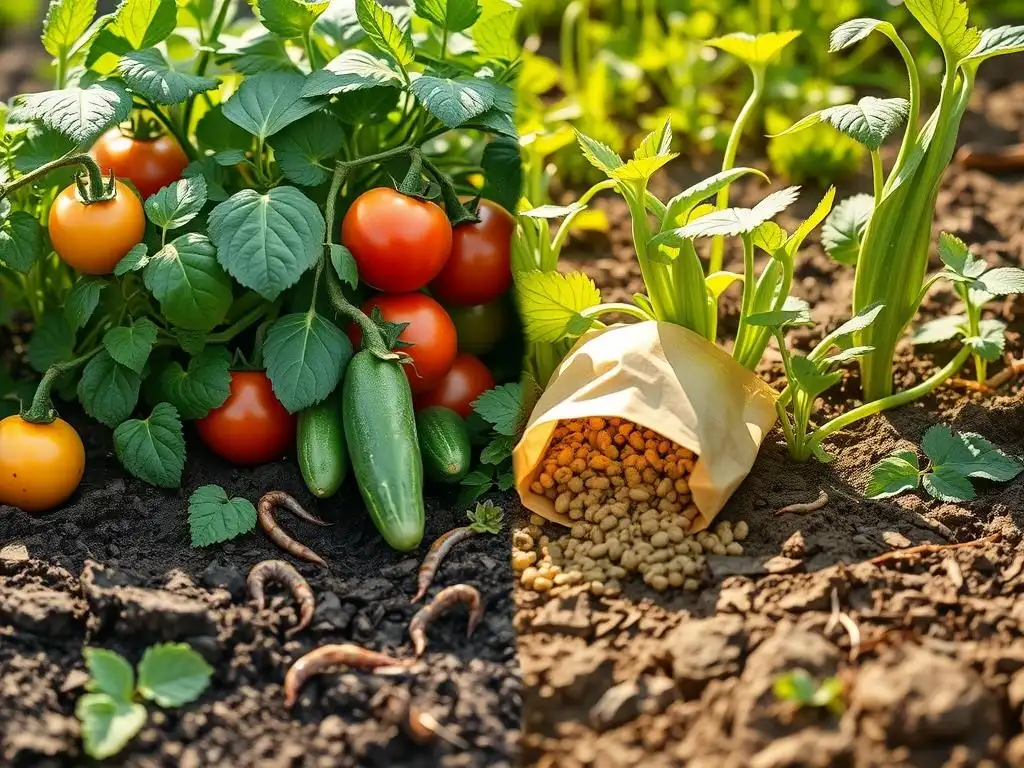
This section dives deep into common misconceptions regarding soil and fertilizer application in vegetable gardening, providing practical solutions for achieving optimal plant health and yield. Debunking these myths is crucial for sustainable and successful home cultivation. We'll examine the importance of understanding soil composition, the dangers of over-fertilizing, and the role of soil testing in achieving a thriving garden.
Myth 3: All Soil is Created Equal: Understanding Soil Types and Amendments
The belief that all soil is the same is a pervasive myth that can lead to significant gardening failures. In reality, soil varies dramatically in its composition, impacting drainage, nutrient retention, and overall plant health. Soil texture – the proportion of sand, silt, and clay – is a key factor. Sandy soils drain quickly, often lacking in essential nutrients, while clay soils retain water excessively, potentially leading to root rot. Loamy soils, a balanced mix of sand, silt, and clay, are generally considered ideal for vegetable gardening.
Understanding your soil type is the first step towards successful cultivation. A simple “feel test” can provide a preliminary assessment. Take a handful of moist soil and try to form a ball.
Sandy soil will crumble easily, clay soil will form a firm, hard ball, and loamy soil will hold its shape but crumble slightly. However, a more precise analysis requires a soil test, which can be conducted at home using kits or by sending a sample to a local agricultural extension office. These tests reveal the pH level and the presence of essential nutrients like nitrogen (N), phosphorus (P), and potassium (K), often represented as the NPK ratio on fertilizer packaging.
Amendments are crucial for improving soil structure and fertility. For sandy soils, adding organic matter like compost, aged manure, or peat moss improves water retention and nutrient availability. Conversely, heavy clay soils benefit from the addition of organic matter to enhance drainage and aeration. These amendments not only improve soil structure but also feed beneficial soil microorganisms, boosting overall soil health and fertility. The process of improving soil health is an ongoing one; regular amendment is key to long-term success.
Myth 3 Reality: Soil Testing, Compost Incorporation, and Nutrient Balance
The reality is far from the myth. Soil testing is paramount for successful vegetable gardening, allowing gardeners to understand their soil's specific needs and adjust their approach accordingly. A comprehensive soil test will reveal not only the soil's texture and pH but also its nutrient levels. This information is invaluable in determining the appropriate type and amount of fertilizer to use, preventing both deficiencies and excesses.
Compost incorporation is a cornerstone of sustainable gardening practices and directly addresses the limitations imposed by assuming all soils are created equal. Compost, a rich source of organic matter, improves soil structure, drainage, aeration, and nutrient retention. It also enhances the soil's water-holding capacity, reducing the need for frequent watering. Incorporating compost into the soil before planting is a crucial step in preparing a healthy growing medium. The benefits extend beyond immediate nutrient supply; compost fosters a thriving soil ecosystem, promoting beneficial microbial activity that enhances nutrient cycling and plant health.
Maintaining nutrient balance is key. While many believe that more fertilizer automatically equates to better growth, this is often untrue. Over-fertilization can lead to nutrient imbalances, impacting plant health and potentially harming the environment. It can also lead to excessive vegetative growth at the expense of fruiting or flowering. Soil testing helps determine the precise nutrient requirements of your specific soil and plants, allowing you to apply fertilizer strategically and avoid imbalances. Knowing your soil's NPK levels enables you to choose a fertilizer that complements the existing nutrient profile, avoiding waste and potential harm.
Myth 4: More Fertilizer Means Better Growth: Avoiding Over-Fertilization
The idea that more fertilizer equals better growth is a dangerous misconception. While plants need essential nutrients to thrive, over-fertilization can have detrimental effects. Excessive nutrients can burn plant roots, leading to stunted growth, yellowing leaves, and reduced yields. Furthermore, excess fertilizer can leach into groundwater, contaminating water sources and harming the environment. This is particularly concerning with synthetic fertilizers, which can contain high levels of salts that damage soil structure and microbial life.
Sustainable gardening prioritizes soil health over quick fixes. Healthy soil naturally provides many of the nutrients your plants need. Building healthy soil through practices like composting, cover cropping, and crop rotation is a far more effective and environmentally sound approach than relying solely on chemical fertilizers. This approach fosters a balanced ecosystem in which plants can access nutrients efficiently, minimizing the need for excessive fertilization.
Organic fertilizers, such as composted manure or seaweed extract, release nutrients gradually, reducing the risk of over-fertilization and promoting long-term soil health. These release nutrients slowly, mimicking the natural nutrient cycle and preventing the shock to the plant's system that often results from rapid nutrient release from synthetic fertilizers. Remember, healthy soil is the foundation of a thriving garden, and mindful fertilization is crucial for maintaining that health.
Myth 4: Reality: Organic Fertilizers, Balanced Nutrition, and Plant Health
Many gardeners believe that organic fertilizers are inherently superior and provide all the nutrients a plant needs, automatically leading to healthier plants. While organic fertilizers offer significant benefits—improved soil structure, enhanced microbial activity, and sustained nutrient release—the reality is more nuanced. The myth of inherent superiority stems from a misunderstanding of balanced plant nutrition. Plants require a specific balance of macronutrients (nitrogen, phosphorus, and potassium) and micronutrients (iron, zinc, manganese, etc.)
for optimal growth. An organic fertilizer, while beneficial, might not always provide this precise balance depending on its composition and the specific needs of the plant. For example, a compost-based fertilizer might be rich in nitrogen but deficient in phosphorus, leading to stunted growth even if it's considered "organic."
A healthy vegetable garden requires a holistic approach to soil fertility. This means understanding the specific nutrient requirements of your chosen vegetables and supplementing with organic and inorganic fertilizers as needed to achieve the right balance. Soil testing is crucial in this process.
A soil test will reveal deficiencies and excesses, guiding you in choosing the appropriate fertilizers—whether organic, inorganic, or a combination—to achieve optimal plant health. Ignoring soil testing and relying solely on organic fertilizers can lead to nutrient deficiencies, impacting yield and plant vigor. Think of it like a balanced diet for humans: organic food is great, but you still need to ensure you're getting all the necessary vitamins and minerals.
Furthermore, the rate of nutrient release differs considerably between organic and inorganic fertilizers. Inorganic fertilizers provide a quick burst of nutrients, which is beneficial during periods of rapid growth. Organic fertilizers, on the other hand, release nutrients more slowly over time. This slow release is advantageous for sustained growth but might not be sufficient during critical growth stages. Therefore, a strategic combination of both types often yields the best results, providing both immediate and sustained nutrient availability.
Effective gardening involves understanding these dynamics and applying fertilizers according to the plant's needs and the soil's characteristics throughout the growing season. This tailored approach ensures robust and healthy plants, maximizing yield and quality. Ignoring this nuanced approach can lead to suboptimal growth, even with the use of "organic" products. 🌱
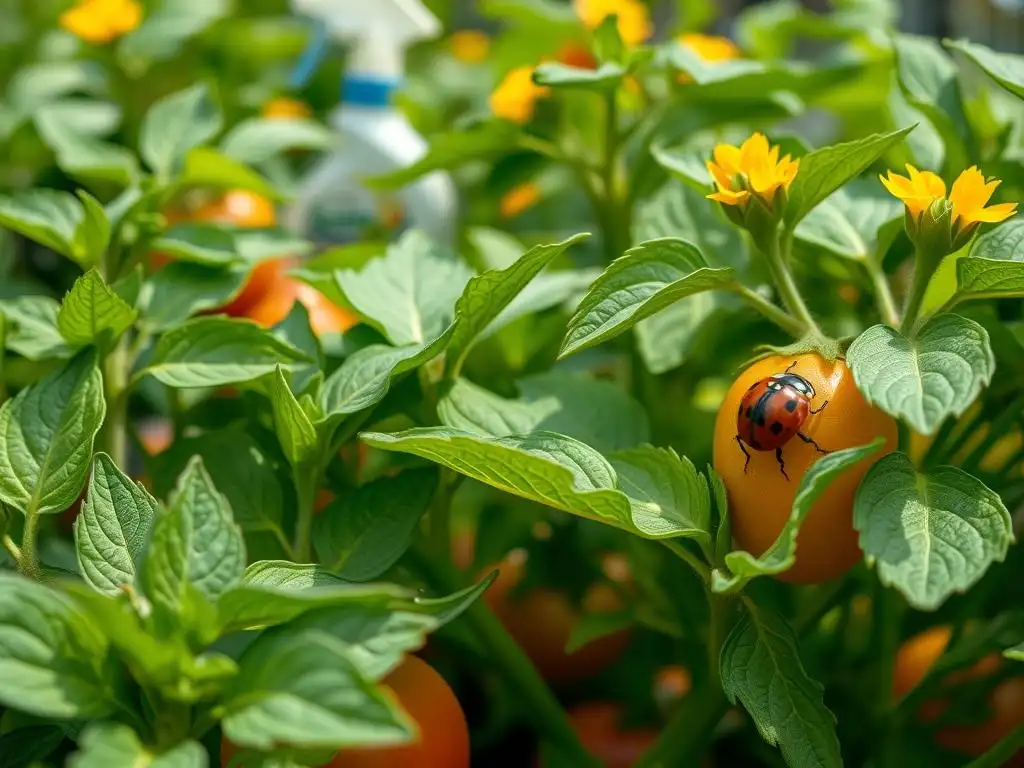
This section dives into common misconceptions surrounding pest and disease management in your home vegetable garden, focusing on sustainable and organic approaches. We'll debunk the myths surrounding chemical interventions and highlight effective, eco-friendly alternatives for a thriving, healthy harvest. Remember, debunking common gardening myths is key to successful organic gardening.
Myth 5: Chemical Pesticides are Necessary for a Healthy Harvest
The belief that chemical pesticides are essential for a bountiful and pest-free harvest is a pervasive myth. Many gardeners assume that only strong chemicals can effectively combat insect infestations and diseases. However, this couldn't be further from the truth. Over-reliance on chemical pesticides can disrupt the delicate balance of your garden ecosystem, harming beneficial insects like ladybugs and bees, which are natural predators of many common garden pests.
Furthermore, chemical residues can contaminate your produce and soil, negatively impacting your health and the environment. The long-term effects of these chemicals on soil health and biodiversity are also a significant concern. Sustainable gardening practices prioritize the health of the entire ecosystem, not just the yield.
Myth 5 Reality: Natural Pest Control Methods, Companion Planting, and Integrated Pest Management (IPM)
Effective pest control doesn't necessitate harmful chemicals. A multitude of natural and sustainable methods exist to keep pests at bay and promote a healthy harvest. These include:
- Beneficial Insects: Introducing beneficial insects like ladybugs, lacewings, and praying mantises into your garden can significantly reduce pest populations naturally. They prey on aphids, caterpillars, and other common garden pests, acting as a natural form of pest control.
- Companion Planting: Strategically planting certain plants together can deter pests. For instance, basil planted near tomatoes repels tomato hornworms, while marigolds deter nematodes. This symbiotic relationship between plants enhances overall garden health and reduces the need for chemical interventions. Careful planning and research on companion planting can drastically improve your garden's resilience against pests.
- Integrated Pest Management (IPM): IPM is a holistic approach that emphasizes prevention and monitoring before resorting to control measures. It involves regular garden inspections to identify pests early, using physical removal (handpicking pests), and employing natural control methods before considering chemical intervention as a last resort. This approach minimizes environmental impact and promotes a sustainable gardening practice.
| Pest | Natural Control Method | IPM Strategy |
|---|---|---|
| Aphids | Ladybugs, insecticidal soap | Monitor regularly, handpick, use insecticidal soap |
| Cabbage worms | Bacillus thuringiensis (Bt) | Monitor for eggs, handpick caterpillars, use Bt |
| Slugs/Snails | Diatomaceous earth, beer traps, handpicking | Create barriers, remove hiding places, handpick |
Implementing these strategies effectively requires observation, patience, and a deep understanding of your garden's ecosystem. This approach aligns perfectly with the philosophy of debunking common gardening myths and embracing sustainable practices.
Myth 6: All Diseases Require Chemical Intervention: Preventing and Treating Plant Diseases Naturally
The assumption that all plant diseases necessitate chemical intervention is another common myth. While some diseases may require professional intervention, many can be prevented or treated naturally. Focusing on preventative measures, such as proper sanitation, crop rotation, and selecting disease-resistant varieties, is crucial. Overusing chemical fungicides can damage beneficial soil microorganisms and create resistant strains of pathogens, making future treatments less effective.
Several natural methods effectively combat common plant diseases:
- Improving Soil Health: Healthy soil is the foundation of healthy plants. Adding compost, improving drainage, and maintaining appropriate soil pH levels strengthen plant immunity and resilience to disease. A rich, well-balanced soil supports strong plant growth, making them more resistant to diseases.
- Organic Fungicides: Natural fungicides, such as neem oil and copper spray, can effectively control fungal diseases like powdery mildew and blight. These offer a less harmful alternative to synthetic fungicides. However, always follow the instructions carefully and use these sparingly.
- Pruning and Sanitation: Removing diseased plant parts promptly prevents the spread of disease. Proper sanitation practices, such as cleaning garden tools and removing plant debris, minimize disease inoculum. This preventative approach is fundamental in debunking common gardening myths about disease control.
By understanding and implementing these natural and sustainable methods, you can cultivate a thriving vegetable garden while protecting the environment and your health. Remember, a healthy garden ecosystem is the best defense against pests and diseases. The belief that chemical intervention is always necessary is a myth we can successfully overcome through informed and responsible gardening practices.
Myth 6: Disease-Resistant Varieties Guarantee a Pest-Free Garden
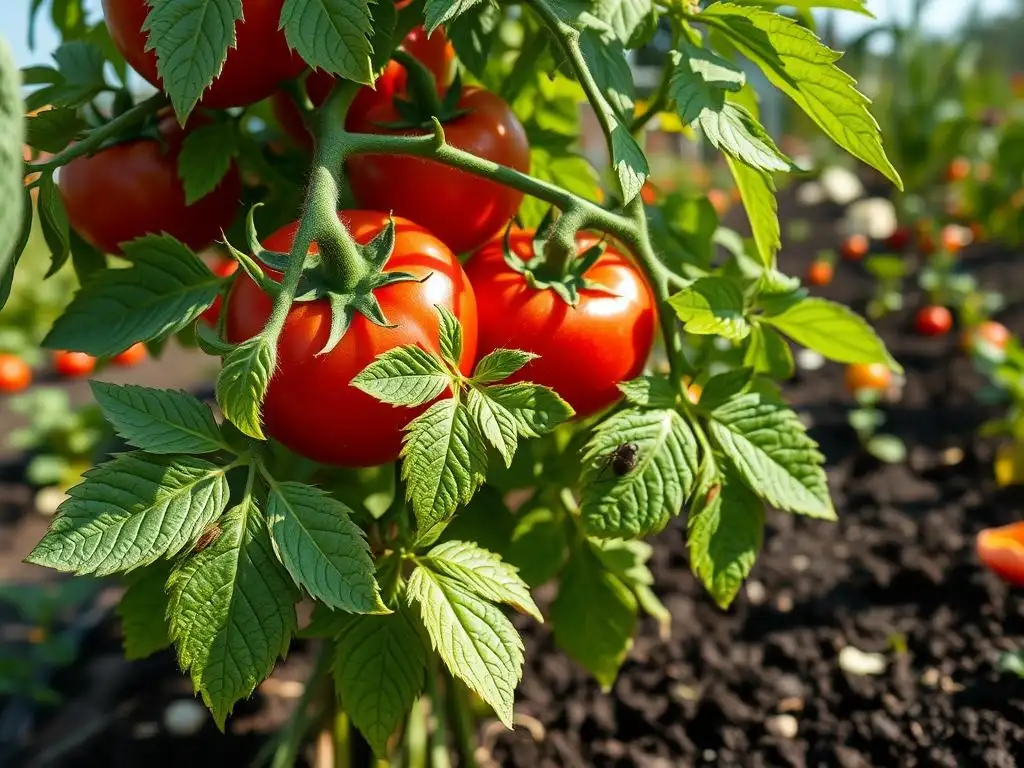
The idea that purchasing disease-resistant plant varieties will eliminate all pest and disease problems is a common misconception. While disease-resistant seeds and seedlings significantly reduce the risk of infection, they don't offer complete immunity. Think of it like a strong immune system in humans; it makes you less susceptible to illness, but doesn't guarantee you'll never get sick. A disease-resistant tomato plant, for example, might be less prone to late blight than a non-resistant variety, but under ideal conditions for the pathogen (high humidity, cool temperatures), even a resistant plant can succumb to disease.
The level of resistance also varies; some varieties offer high resistance, while others provide only moderate protection. Always check the seed packet or plant tag for specifics on the type and level of disease resistance. Over-reliance on disease-resistant varieties without implementing other crucial preventative measures can lead to disappointment.
Reality: Disease Resistant Varieties, Sanitation Practices, and Organic Disease Control
Successfully managing diseases in your vegetable garden requires a multi-pronged approach. Disease-resistant varieties form the foundation of a strong disease management strategy, acting as the first line of defense. However, this must be coupled with meticulous sanitation practices to minimize the spread of pathogens.
This includes removing and destroying infected plants promptly, cleaning gardening tools between uses (especially important when working with different plants), and practicing crop rotation to break the disease cycle. Crop rotation involves planting different families of vegetables in the same area each year, preventing the build-up of specific pathogens in the soil. For instance, if you had tomatoes affected by blight one year, avoid planting other nightshades (like peppers or eggplants) in that same spot the following year.
Furthermore, incorporating organic disease control methods is crucial. This involves using natural remedies, such as copper fungicides or neem oil, to prevent and treat diseases. These methods are gentler on the environment and beneficial insects compared to harsh chemical treatments. Effective organic disease control also necessitates creating a healthy garden environment.
This includes providing adequate spacing between plants to promote good air circulation and prevent fungal growth, ensuring proper watering techniques to avoid waterlogged soil, and enriching the soil with compost and other organic matter to bolster plant health and resilience. Remember, a healthy plant is far better equipped to withstand disease. A holistic approach combining disease-resistant varieties, sanitation, and organic disease control provides the best chance for a thriving and healthy vegetable garden.
Harvesting and Storage Myths Debunked
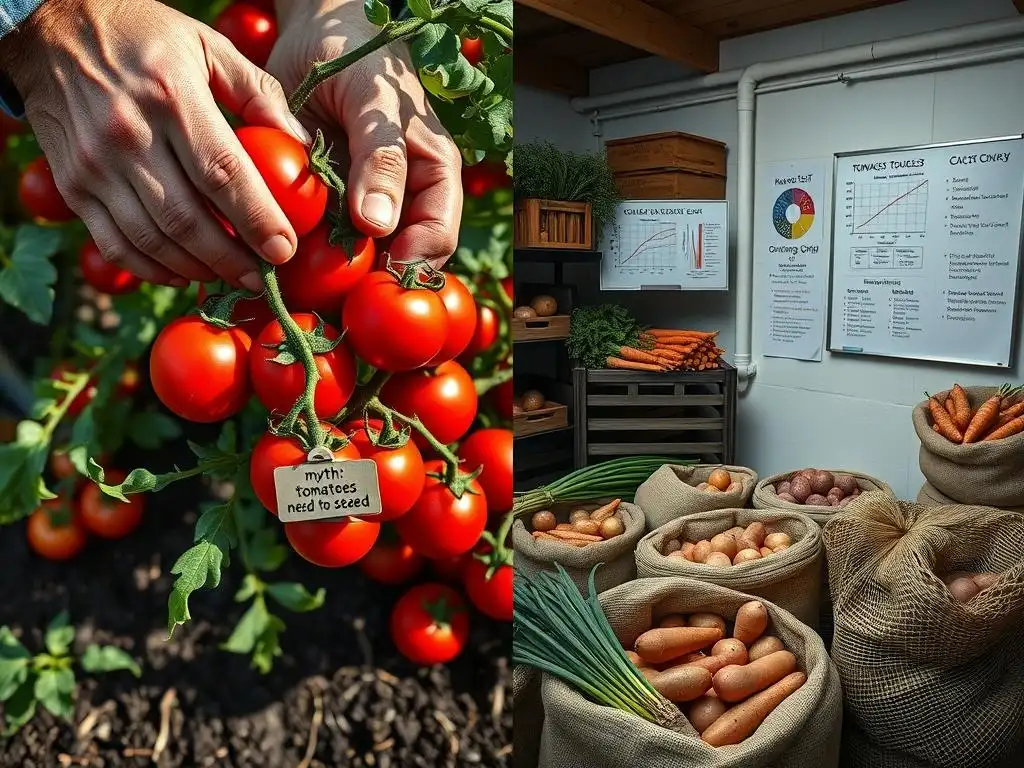
This section dives into common misconceptions surrounding the harvesting and storage of your homegrown vegetables, offering practical advice to maximize yield and quality. Debunking these myths will help you optimize your gardening efforts and reduce food waste. Proper harvesting and storage techniques are crucial aspects of sustainable gardening, ensuring you enjoy the fruits (and vegetables!) of your labor for as long as possible.
Myth 7: Harvesting at the "Perfect" Time is Critical: Understanding Harvest Windows
Many novice gardeners believe there's one single "perfect" moment to harvest each vegetable. While optimal harvesting times exist for peak flavor and texture, the reality is more nuanced. Most vegetables have a harvest window, a period of several days or even weeks where harvesting is acceptable. This window allows for flexibility, especially given busy schedules or unexpected weather events.
For instance, tomatoes can be picked when they exhibit their characteristic color, but slight variations in ripeness won't drastically impact their edibility. Similarly, zucchini can be harvested when they're young and tender, but slightly larger zucchini are still perfectly usable, albeit perhaps less delicate in texture. Focusing on the harvest window instead of a pinpoint moment reduces pressure and allows for a more relaxed approach to gardening. Observing the subtle changes in your plants will help you determine when the optimal time to harvest is within that window, improving the overall quality of your harvest.
The key is to regularly check your plants and harvest accordingly. A daily inspection, even a quick one, will allow you to identify ripe vegetables and prevent overripe or spoiled produce. This proactive approach is far more effective than aiming for a mythical "perfect" moment that might never arrive. Remember, a slightly earlier or later harvest within the window won't ruin your crop; it might simply alter the texture or flavor profile slightly.
Myth 7 Reality: Optimizing Harvest Timing for Flavor and Shelf Life
While a precise harvesting moment isn't critical, optimizing your harvest timing can significantly improve flavor and shelf life. Understanding the ideal stage of ripeness for each vegetable is essential. For example, harvesting tomatoes at their peak ripeness on the vine results in the most intense flavor and aroma. Similarly, harvesting leafy greens before they bolt (flower) ensures a more tender and less bitter taste.
Consider these examples:
| Vegetable | Optimal Harvest Timing | Impact of Early/Late Harvest |
|---|---|---|
| Tomatoes | Fully colored, slightly soft to the touch | Early: Tart; Late: Mushy, less flavorful |
| Zucchini | Young, tender, 6-8 inches long | Early: Small yield; Late: Tough, seeded |
| Lettuce | Before bolting (flower) | Early: Small yield; Late: Bitter, tough |
| Peppers | Fully colored, firm | Early: Less flavorful; Late: May split open |
By paying attention to these nuances, you can refine your harvesting technique and consistently enjoy superior-quality produce. Careful observation and experience will help you fine-tune your approach over time. This continuous learning process is a rewarding aspect of home gardening.
Myth 8: Proper Storage is Unnecessary for Fresh Produce: Preserving Your Harvest
Many believe that freshly picked vegetables can simply be left out on the counter, but this is a significant misconception. Proper storage is crucial for extending the shelf life of your harvest and minimizing waste. Different vegetables require different storage methods. Some thrive in cool, dark places, while others benefit from refrigeration.
Ignoring proper storage can lead to rapid spoilage, reducing the enjoyment of your hard work. For example, leafy greens wilt quickly at room temperature, while tomatoes can become mealy and lose their flavor if stored in the refrigerator. Understanding the specific needs of your vegetables is vital for maximizing their longevity.
Here are some basic storage guidelines:
- Refrigeration: Most leafy greens, root vegetables (carrots, potatoes), and certain herbs benefit from refrigeration. Store them in airtight containers or plastic bags to maintain freshness.
- Cool, Dark Place: Tomatoes, peppers, and onions often fare better at room temperature in a cool, dark area, away from direct sunlight.
- Proper Humidity: Some vegetables, like mushrooms, require higher humidity to prevent drying out. Storing them in a paper bag can help regulate moisture.
By implementing these simple storage techniques, you can significantly extend the life of your harvest, reducing food waste and ensuring you can enjoy your homegrown vegetables for longer. Experiment with different methods to find what works best for your climate and the specific vegetables you're growing. This attention to detail will reward you with a bountiful harvest you can savor for weeks to come.
Myth 8: All vegetables store the same way.
The belief that all vegetables can be stored identically is a common misconception among home gardeners. In reality, proper storage significantly impacts the longevity and quality of your harvest. Ignoring the specific needs of different vegetables can lead to premature spoilage, reducing the enjoyment and value of your hard work.
For example, storing delicate greens like lettuce alongside robust root vegetables like carrots will likely result in the lettuce wilting rapidly due to the difference in moisture requirements. Carrots, with their higher water content, release moisture, creating a humid environment unsuitable for leafy greens which prefer cooler, drier conditions. This highlights the importance of understanding the unique storage needs of each vegetable to maximize their shelf life.
Proper storage also involves considerations beyond temperature and humidity, including the use of appropriate containers to prevent bruising and maintain optimal air circulation. Some vegetables benefit from being stored in perforated plastic bags to allow for breathability, while others are best kept in open containers or wrapped in paper towels to absorb excess moisture.
Reality: Storage Techniques for Different Vegetables, Extending the Harvest Season
Understanding the nuances of vegetable storage is key to extending your harvest. Different vegetables have different optimal storage conditions. For instance, root vegetables like potatoes and carrots thrive in cool, dark, and dry environments. Storing them in a cool cellar or a dedicated root cellar can significantly prolong their shelf life.
On the other hand, leafy greens fare better in slightly humid conditions, ideally in a refrigerator crisper drawer. Tomatoes, known for their delicate nature, should be stored at room temperature, away from direct sunlight, to prevent them from softening too quickly. Furthermore, the method of storage also matters. For example, storing tomatoes on their stems can help maintain their freshness for longer.
Proper storage techniques can dramatically increase the time you can enjoy your homegrown vegetables, effectively extending the harvest season far beyond the initial picking period. This involves not only selecting the right storage location but also employing appropriate techniques such as wrapping, using specific containers, or even employing methods like controlled atmosphere storage (although this is generally only practical for larger-scale operations). The goal is to slow down the natural decomposition process, maintaining the vegetables’ nutritional value and flavor for as long as possible. Careful planning and implementation of tailored storage strategies can transform your garden's output into a year-round bounty.
Frequently Asked Questions
What is the biggest myth about vegetable gardening that you debunk?
The biggest myth debunked is that organic gardening is less productive than conventional gardening. In fact, many studies show that organic methods can yield comparable or even superior results with healthier plants and soil.
Is it true that you need lots of space to grow vegetables successfully?
No, that's a myth! You can successfully grow a wide variety of vegetables using vertical gardening, container gardening, or even small raised beds, regardless of the size of your space. Space-saving techniques are key.
Is it really necessary to use chemical pesticides to have a successful harvest?
Absolutely not! This is a harmful myth. Organic pest control methods, such as companion planting, beneficial insects, and natural sprays, are effective and protect beneficial pollinators and the environment.
I've heard that you need full sun for all vegetables. Is that true?
That's a simplification. While many vegetables thrive in full sun, many others, such as lettuce and spinach, prefer partial shade, especially in hot climates. Understanding individual plant needs is crucial.
Can I really compost my kitchen scraps and yard waste successfully at home?
Yes, absolutely! Home composting is easy and rewarding. It reduces waste, creates nutrient-rich soil amendment, and improves the overall health of your garden. Learn basic composting techniques for best results.
Final Reflection: Harvesting Truth from Garden Myths
The pursuit of a bountiful harvest is a timeless endeavor, yet it's often clouded by misinformation. Successfully navigating the world of vegetable gardening requires not only diligent work but also a critical eye, separating fact from fiction. This article has aimed to illuminate some of the most persistent myths, empowering gardeners to make informed decisions and achieve greater success.
The impact of these enduring myths extends far beyond individual gardens; they shape our collective understanding of food production and sustainability. The perpetuation of false beliefs can lead to wasted resources, unnecessary frustration, and a diminished appreciation for the natural world. The greatest danger for most of us is not that our aim is too high and we miss it, but that it is too low and we reach it.
This quote, often attributed to Michelangelo, perfectly encapsulates the importance of challenging assumptions and striving for a deeper understanding of our gardening practices. It's through questioning what we think we know that we truly unlock the potential of our gardens and ourselves.
Now, consider your own gardening practices. What assumptions have you held that might be hindering your success? Are you ready to challenge those long-held beliefs and embrace a more evidence-based approach? Take this opportunity to examine your methods, research new techniques, and cultivate a garden that thrives on truth and informed decision-making. The rewards of a bountiful harvest, both literally and metaphorically, await.
Unleash Your Inner Gardener: Grow a Bountiful Harvest!
Thank you for exploring the world of vegetable gardening with us! We hope dispelling common myths has given you the confidence to start your own garden. Now it's time to put your new knowledge to the test!
- Start planning your dream garden today! Consider your favorite vegetables and which ones grow well in your local climate. Even a simple plan is a crucial first step towards a successful harvest.
- Share your biggest gardening challenge or success in the comments below. Let's build a supportive community where gardeners can learn and grow together.
- Visit our website for more helpful gardening resources. We offer many additional tips and tricks to guide you on your gardening journey.
What vegetable will you plant first, and which myth did this article help you overcome?