
The Importance of Crop Rotation for Nutrient Management

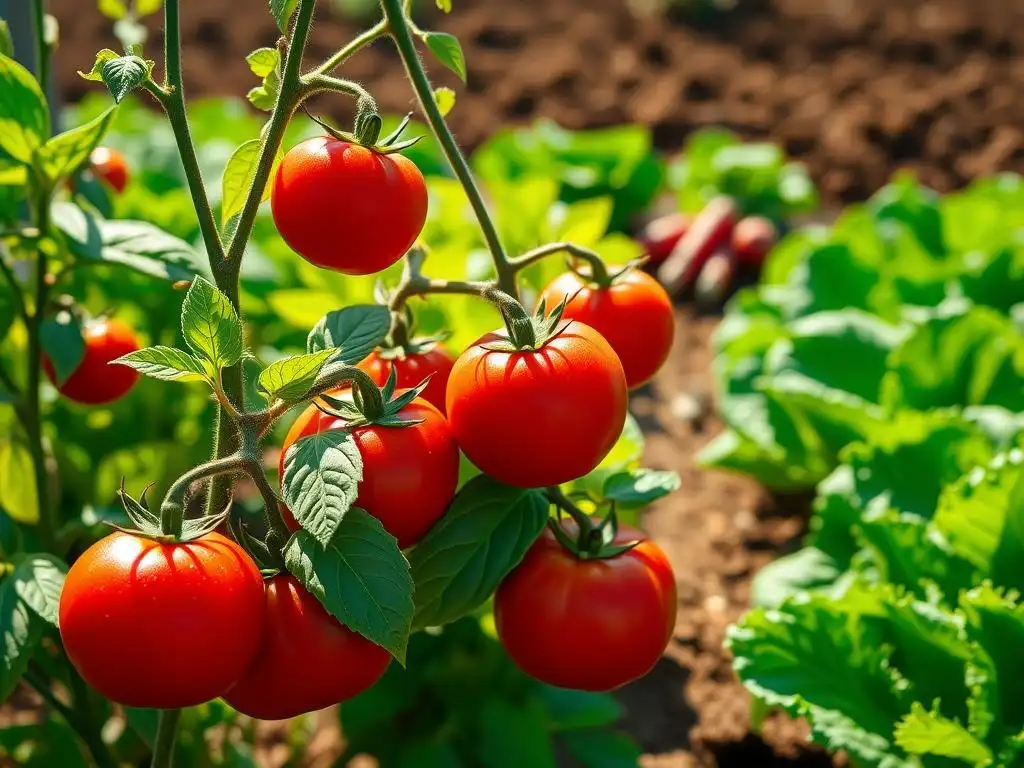
Ready to unlock the secrets to a thriving, sustainable garden? At CultivateYourFood, we believe everyone can grow their own delicious fruits, vegetables, and herbs. But did you know that understanding crop rotation benefits gardening dramatically? This crucial practice is key to healthy soil and bountiful harvests. Discover how strategic planting can transform your garden – learn more about the surprising advantages of crop rotation and elevate your gardening game today!
- Understanding Crop Rotation Benefits
- Optimizing Nutrient Cycling with Crop Rotation Techniques
- Practical Crop Rotation Strategies for Home Gardeners
- Addressing Specific Nutrient Deficiencies Through Crop Rotation
- Long-Term Benefits of Crop Rotation on Soil Fertility
- Crop Rotation and Organic Gardening Practices
- Frequently Asked Questions
- Final Reflection: Cultivating a Sustainable Future Through Crop Rotation
- Unlock Your Soil's Potential: Start Rotating Today!
Understanding Crop Rotation Benefits
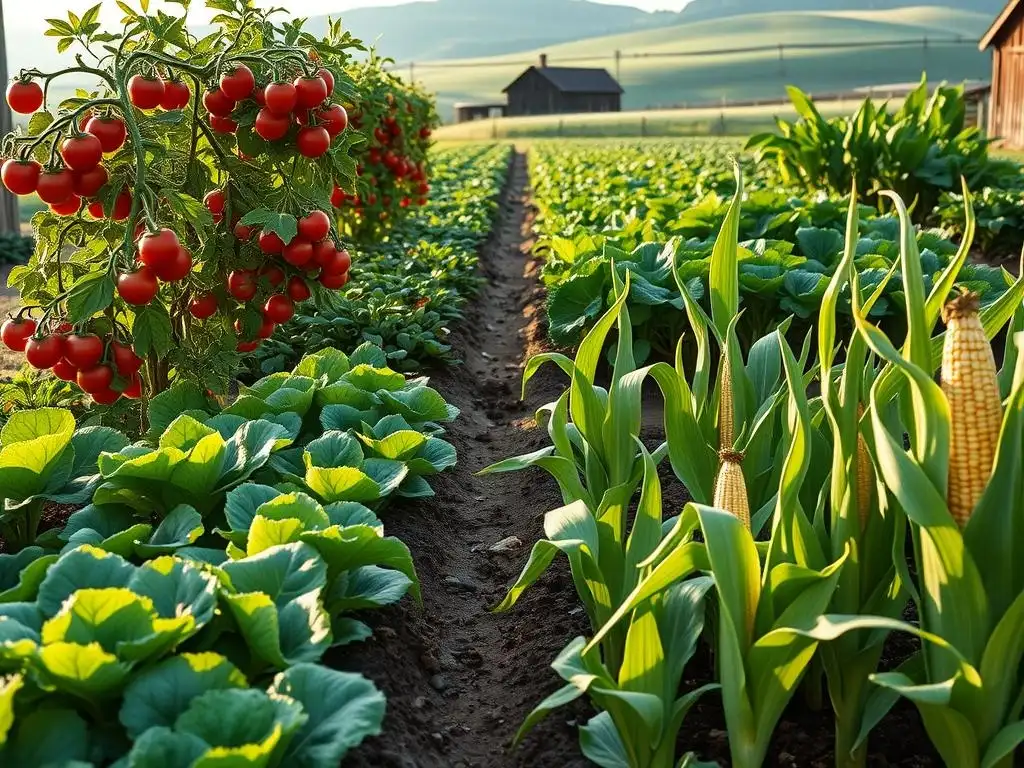
Crop rotation, a cornerstone of sustainable gardening, is the practice of planting different types of crops in a planned sequence on the same piece of land over several growing seasons. This seemingly simple technique offers a multitude of benefits, significantly impacting soil health, nutrient management, and overall garden productivity. This article delves into the crucial role crop rotation plays in preventing soil nutrient depletion and fostering a vibrant, healthy garden environment, ultimately improving your yields and reducing your reliance on synthetic fertilizers.
Understanding and implementing crop rotation is essential for any gardener committed to organic and sustainable practices, and a key step in addressing nutrient deficiencies before they arise. This is especially relevant for those seeking to optimize their "crop rotation benefits gardening" strategy.
What is Crop Rotation and Why is it Important?
Crop rotation involves strategically planning the sequence of crops planted in a specific area over time. Instead of planting the same crop in the same spot year after year, you rotate through different plant families. This is crucial because different plant species have varying nutrient requirements and impacts on the soil.
For example, heavy feeders like tomatoes and peppers deplete certain nutrients, while legumes (like beans and peas) actually enrich the soil with nitrogen through a symbiotic relationship with nitrogen-fixing bacteria in their roots. The benefits extend beyond nutrient management; crop rotation also helps control pests and diseases, improving the overall health and resilience of your garden ecosystem. Failing to rotate crops can lead to a build-up of pests and diseases specific to that crop, resulting in lower yields and increased susceptibility to illness.
Implementing a well-planned rotation is a proactive approach to maintaining a healthy and productive garden, significantly improving your "crop rotation benefits gardening" results. Think of it as giving your soil a yearly 'vacation' and a nutritious 'meal' simultaneously! 🥕
How Crop Rotation Improves Soil Health
The positive impact of crop rotation on soil health is multifaceted. By rotating different plant families, you break the cycle of nutrient depletion. Legumes, as mentioned previously, are excellent at fixing atmospheric nitrogen into the soil, making it available for subsequent crops. Other plants, like brassicas (broccoli, cabbage, kale), have deep root systems that improve soil structure and aeration.
This improved aeration allows for better water infiltration and drainage, which is crucial for healthy root development. Furthermore, different plant species have varying effects on soil microorganisms. A diverse rotation encourages a thriving soil microbiome, which is essential for nutrient cycling and overall soil fertility.
Ignoring this aspect can lead to compacted soil, reduced water retention, and a decline in beneficial microorganisms. A healthy soil is the foundation of a thriving garden, and crop rotation is a key tool in achieving this. The improved soil structure resulting from crop rotation directly translates to healthier plants and higher yields, maximizing your "crop rotation benefits gardening."
Preventing Soil Nutrient Depletion Through Crop Rotation
Nutrient depletion is a common problem in gardens where the same crops are planted repeatedly. This leads to a decline in soil fertility and reduced yields over time. Crop rotation helps mitigate this by diversifying nutrient uptake.
Heavy feeders, such as tomatoes and squash, demand significant amounts of specific nutrients. By rotating them with lighter feeders or nitrogen-fixing legumes, you can prevent the depletion of these key nutrients. For example, planting a legume crop after a heavy feeder can replenish nitrogen levels, reducing the need for synthetic fertilizers.
This not only improves soil health but also contributes to more sustainable gardening practices. Careful planning of your crop rotation, considering the nutrient needs of each plant, is crucial to preventing depletion and maintaining soil fertility year after year. This proactive approach to nutrient management is a significant contributor to the overall "crop rotation benefits gardening," leading to a more productive and environmentally friendly garden.
Optimizing Nutrient Cycling with Crop Rotation Techniques
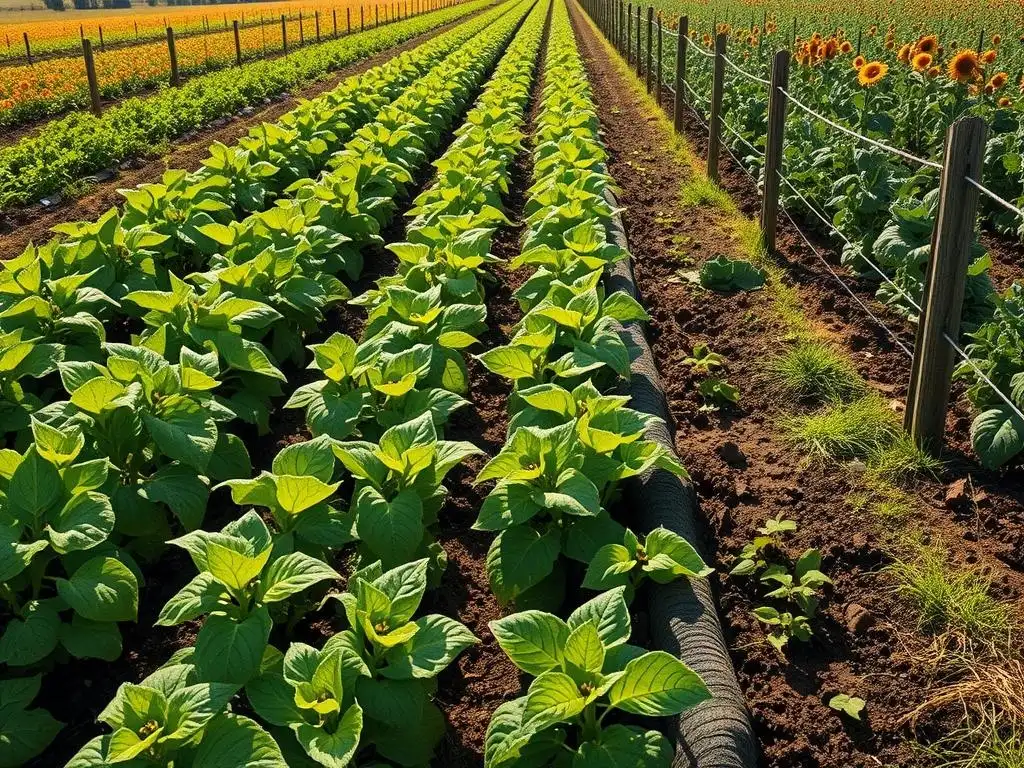
Crop rotation benefits gardening immensely by improving soil health and reducing the need for synthetic fertilizers. This practice involves planting different types of crops in a specific sequence over several growing seasons. This strategic approach prevents nutrient depletion in the soil and minimizes the buildup of pests and diseases associated with monoculture farming. By strategically rotating crops, gardeners can effectively manage nutrient cycling, leading to healthier plants and a more sustainable garden.
This section will delve into the practical application of crop rotation techniques for maximizing nutrient availability and minimizing soil degradation. Understanding the principles behind this practice is crucial for achieving optimal results in your home garden, leading to increased yields and vibrant, healthy plants. The benefits extend beyond simply boosting yields; you'll also find that pest and disease management becomes significantly easier, reducing your reliance on chemical interventions.
Choosing the Right Crop Rotation Plan
Selecting the appropriate crop rotation plan depends heavily on several factors: the specific nutrients your soil is deficient in, the types of crops you intend to grow, and the length of your growing season. Consider these key aspects:
- Soil Testing: Before implementing any rotation plan, conduct a thorough soil test to determine its current nutrient levels. This provides a baseline for understanding existing deficiencies and tailoring your rotation plan accordingly. Knowing your soil's pH is also crucial, as this impacts nutrient uptake.
- Crop Classification: Categorize crops into their respective plant families (e.g., legumes, brassicas, nightshades). This is essential because different plant families have varying nutrient requirements and can impact soil health differently. For instance, legumes are nitrogen-fixing, enriching the soil, while heavy feeders like brassicas deplete certain nutrients more rapidly.
- Rotation Length: The duration of your crop rotation cycle should be at least three years, but longer cycles (four or five years) are generally more beneficial for long-term soil health. A longer rotation period allows for a more complete nutrient replenishment and a better control of pests and diseases.
| Crop Family | Nutrient Demands | Example Crops |
|---|---|---|
| Legumes | Nitrogen-fixing (enrich soil) | Peas, beans, clover |
| Brassicas | High in sulfur, potassium, and nitrogen | Broccoli, cabbage, kale |
| Nightshades | Potassium and phosphorus | Tomatoes, peppers, potatoes |
| Root Vegetables | Moderate nutrient demands, improve soil structure | Carrots, beets, radishes |
| Cereal Grains | Moderate nutrient demands | Wheat, oats, barley |
A well-planned rotation should incorporate a diverse mix of these families to ensure a balanced nutrient cycle. For example, a simple three-year rotation might include legumes in year one, heavy feeders in year two, and light feeders in year three. Remember to adjust this based on your specific soil test results and your chosen crops. Careful planning and observation are crucial for success.
Understanding Nutrient Needs of Different Plant Families
Different plant families exhibit unique nutrient requirements. Understanding these differences is paramount for effective crop rotation. For example:
- Legumes (Fabaceae): These plants are renowned for their nitrogen-fixing abilities. Through a symbiotic relationship with soil bacteria (rhizobia), they convert atmospheric nitrogen into a form usable by plants. This significantly reduces the need for nitrogen-based fertilizers in subsequent crops. Including legumes in your rotation is a natural and sustainable way to improve soil fertility.
- Brassicas (Brassicaceae): These heavy feeders require substantial amounts of sulfur, potassium, and nitrogen. Their high nutrient demands can deplete the soil if not carefully managed. Rotating them with nutrient-rich crops helps replenish the soil.
- Nightshades (Solanaceae): These plants thrive on potassium and phosphorus. Their intensive nutrient uptake can lead to soil depletion if not properly addressed through crop rotation.
- Root Vegetables: These crops improve soil structure by loosening the soil, enhancing drainage and aeration. This contributes to better nutrient uptake for subsequent crops.
By understanding these variations, you can strategically place nutrient-demanding crops after those that replenish the soil, ensuring a balanced nutrient cycle and promoting sustainable gardening practices. This strategic placement minimizes depletion and maximizes the benefits of natural soil enrichment.
Designing a Sustainable Crop Rotation Schedule
Creating a sustainable crop rotation schedule requires careful consideration of several factors. Here’s a step-by-step approach:
- Assess Your Soil: Conduct a comprehensive soil test to identify nutrient deficiencies and pH levels. This provides a foundation for designing a rotation plan that addresses specific needs.
- Choose Your Crops: Select a variety of crops from different plant families to ensure a balanced nutrient cycle. Include legumes to replenish nitrogen, heavy feeders to utilize existing nutrients, and light feeders to maintain soil health.
- Develop Your Rotation Plan: Create a plan that outlines the sequence of crops for at least three years. Consider the nutrient demands of each crop and arrange them strategically to prevent depletion and maximize soil health. A sample plan might be: Year 1: Legumes; Year 2: Heavy Feeders; Year 3: Light Feeders.
- Monitor and Adjust: Regularly monitor your soil health through periodic testing. Adjust your rotation plan as needed based on the results to optimize nutrient cycling and soil fertility. Flexibility is key to adapting to changing conditions and ensuring long-term success.
- Consider Pest and Disease Management: Crop rotation can also help control pests and diseases. Rotating crops disrupts the life cycle of many pests and pathogens, reducing their impact on your garden. This natural pest control minimizes the need for harmful pesticides.
By following these steps, you can design a sustainable crop rotation schedule that optimizes nutrient cycling, improves soil health, and enhances the overall productivity of your garden. Remember, observing and adapting your plan based on your specific garden’s needs is essential for long-term success. The rewards of a healthy, thriving garden are well worth the effort invested in understanding and implementing crop rotation techniques.
Practical Crop Rotation Strategies for Home Gardeners
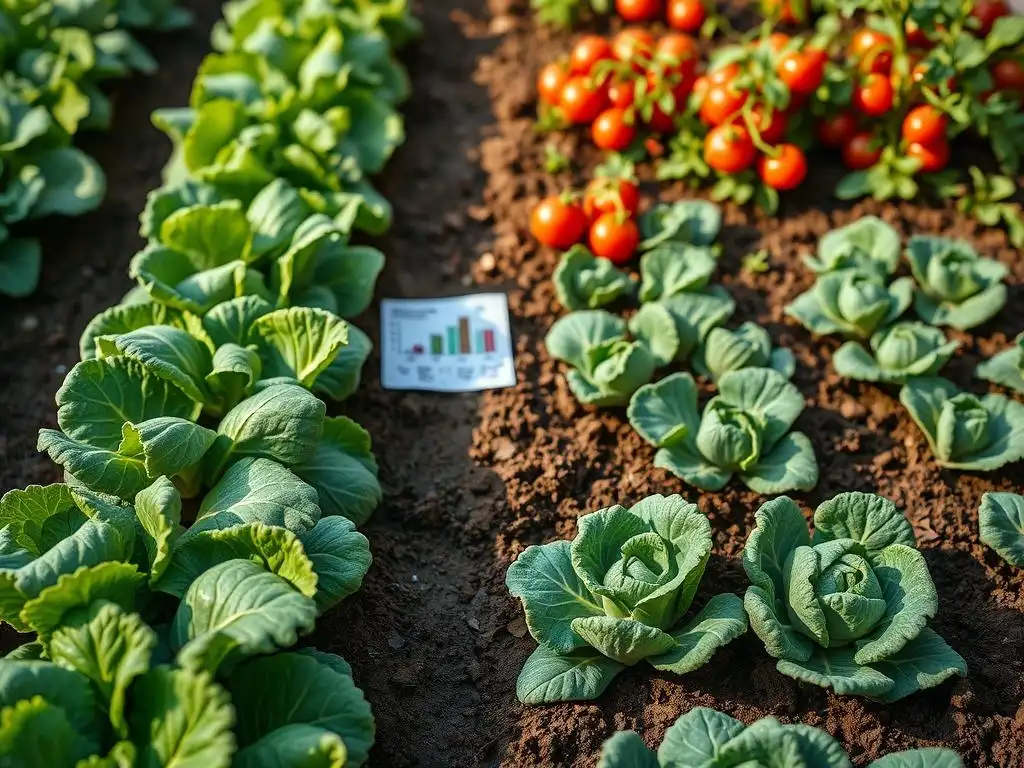
Crop rotation benefits gardening significantly, offering a natural and effective way to improve soil health and boost yields. This section details practical strategies for implementing crop rotation in your home garden, regardless of its size. Understanding plant families and their nutrient needs is crucial for successful rotation. We'll explore how to create a plan tailored to your specific garden, considering factors like space, sunlight, and your preferred crops.
Remember, consistent application of these techniques will lead to healthier plants and a more vibrant garden over time. The key is to avoid planting the same types of plants in the same spot year after year. This depletes the soil of specific nutrients, leaving your plants vulnerable and reducing your harvest.
Crop Rotation for Vegetable Gardens: A Step-by-Step Guide
Implementing crop rotation in your vegetable garden is straightforward. Begin by categorizing your vegetables based on their plant families. This is key to understanding their nutritional demands and preventing nutrient depletion. For example, members of the Brassica family (broccoli, cauliflower, cabbage) are heavy feeders of sulfur and nitrogen. Planting them consecutively in the same spot will quickly exhaust these nutrients. Conversely, legumes (beans, peas) are nitrogen fixers, enriching the soil for subsequent plantings.
Here's a sample four-year rotation plan for a typical vegetable garden aiming to maximize crop rotation benefits for gardening:
| Year | Planting Zone 1 | Planting Zone 2 | Planting Zone 3 |
|---|---|---|---|
| Year 1 | Brassicas (e.g., broccoli, cabbage) | Legumes (e.g., beans, peas) | Root Vegetables (e.g., carrots, beets) |
| Year 2 | Legumes (e.g., beans, peas) | Root Vegetables (e.g., carrots, beets) | Solanaceae (e.g., tomatoes, peppers) |
| Year 3 | Root Vegetables (e.g., carrots, beets) | Solanaceae (e.g., tomatoes, peppers) | Brassicas (e.g., broccoli, cabbage) |
| Year 4 | Solanaceae (e.g., tomatoes, peppers) | Brassicas (e.g., broccoli, cabbage) | Legumes (e.g., beans, peas) |
Remember to amend your soil annually with compost to further enhance nutrient levels. This simple strategy, combined with careful planning, will dramatically improve your soil's fertility and the health of your vegetables. The benefits of crop rotation for gardening are undeniable. Observing your plants' growth and yield will be clear indicators of your success. Don't be afraid to adjust the plan based on your specific needs and experiences. Over time, you'll develop a system that works best for your garden.
Crop Rotation for Fruit Trees and Berry Bushes
Crop rotation for fruit trees and berry bushes differs slightly from vegetable gardening. Since these are perennial plants, the focus shifts to intercropping and companion planting. Instead of rotating the trees and bushes themselves, you strategically plant companion plants around them. These companions can improve soil health, deter pests, or attract beneficial insects. For instance, planting nitrogen-fixing cover crops like clover or alfalfa around fruit trees helps replenish nitrogen in the soil. This technique improves the overall health of the trees and increases their fruit yield. The benefits of crop rotation for gardening extend beyond simple nutrient management.
Consider the following:
- Nitrogen-fixing cover crops: These enrich the soil and reduce the need for chemical fertilizers.
- Pest-repelling plants: Certain herbs and flowers can deter common fruit tree pests.
- Soil-improving plants: Plants with deep root systems help improve soil structure and drainage.
By carefully choosing companion plants, you can significantly improve the health and productivity of your fruit trees and berry bushes without requiring a complete relocation every few years. This approach leverages the principle of crop rotation to support long-term soil health and yield maximization. It's a sustainable and environmentally friendly way to manage your orchard.
Crop Rotation for Herb Gardens: Maximizing Flavor and Yield
Herb gardens benefit significantly from crop rotation practices, though the approach differs slightly from vegetable gardens. The primary aim here is to maintain soil health and prevent the build-up of pests and diseases specific to certain herb families. While herbs generally have less demanding nutrient needs compared to vegetables, rotating them prevents the depletion of specific nutrients and reduces the risk of soilborne diseases. Additionally, rotating herbs allows you to avoid planting similar species in the same location year after year, thus preventing pest and disease build-up.
For instance, members of the mint family can be aggressive growers and may deplete certain nutrients if left in the same location for extended periods. Rotating them with other herbs helps maintain soil health and prevents competition for resources. A simple rotation strategy could involve grouping herbs by their nutrient requirements and planting them in different locations each year.
This simple practice will ensure a healthier, more productive herb garden with vibrant flavors and bountiful harvests. The long-term benefits of crop rotation for gardening in this context are often underestimated. It's a simple but effective method to ensure your herbs thrive.
Addressing Specific Nutrient Deficiencies Through Crop Rotation
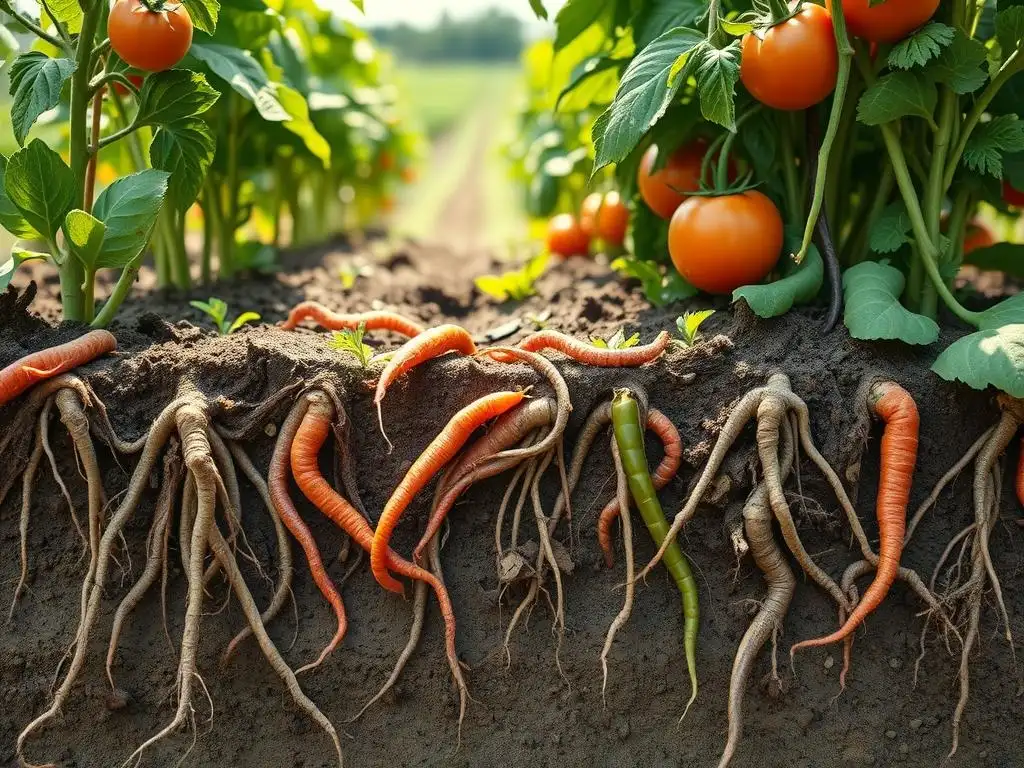
Crop rotation benefits gardening significantly by strategically managing nutrient levels in the soil. Different plant families have varying nutrient needs and uptake patterns. By rotating crops, we can prevent nutrient depletion in the soil and even enhance its fertility over time. This section delves into how crop rotation specifically tackles common nutrient deficiencies.
Understanding these mechanisms allows gardeners to optimize their planting schedules for healthier, more productive harvests. The practice of crop rotation is a cornerstone of sustainable gardening practices, minimizing the need for synthetic fertilizers and promoting soil health. This leads to tastier produce and a more environmentally friendly garden.
Combatting Nitrogen Deficiency with Crop Rotation
Nitrogen (N) is a crucial macronutrient, vital for leafy green growth and overall plant vigor. Nitrogen deficiency manifests as pale, yellowing leaves (chlorosis), stunted growth, and reduced yields. Legumes, like beans and peas, are nitrogen-fixing plants. Their symbiotic relationship with soil bacteria allows them to convert atmospheric nitrogen into a usable form for themselves and subsequently, for other plants. Including legumes in your crop rotation is a powerful tool to combat nitrogen depletion.
For example, a rotation of heavy nitrogen feeders like tomatoes or broccoli followed by a legume crop like clover or fava beans will replenish nitrogen levels naturally. The following year, you can plant another heavy feeder, benefiting from the increased nitrogen availability. This cycle avoids the need for synthetic nitrogen fertilizers, which can harm soil microorganisms and pollute water sources. Moreover, the organic matter added by the legumes further improves soil structure and water retention.
Careful planning and observation of your plants are key to maximizing the benefits of this approach. Remember to monitor your plants for signs of nitrogen deficiency even after incorporating legumes. Sometimes, additional organic amendments such as composted manure might still be necessary, depending on soil conditions and plant requirements.
Phosphorus Deficiency Solutions Using Crop Rotation
Phosphorus (P) is essential for root development, flowering, and fruiting. Phosphorus deficiency results in stunted growth, dark green or purplish leaves, and reduced fruit production. Unlike nitrogen, phosphorus isn't readily mobile in the soil. This makes it crucial to choose crops strategically to optimize phosphorus uptake and availability.
Root crops like carrots and turnips are known for their relatively high phosphorus requirements. However, planting them consecutively can deplete soil phosphorus. A successful rotation might include a phosphorus-demanding crop followed by a low-phosphorus user, allowing time for the soil to replenish its phosphorus reserves naturally. For example, you could rotate carrots with brassicas (like cabbage or kale) or leafy greens which have lower phosphorus needs.
Adding phosphorus-rich compost or bone meal can supplement this strategy, but should be considered a secondary measure to prevent over-fertilization. The key is to balance the needs of your crops with the soil's natural ability to replenish phosphorus through decomposition of organic matter. Regular soil testing can help determine the exact phosphorus levels and guide your rotation strategy, ensuring you aren't over or under-applying nutrients.
Potassium Deficiency and Crop Rotation Strategies
Potassium (K) is critical for disease resistance, water regulation, and overall plant health. Potassium deficiency symptoms include yellowing and browning of leaf margins, weak stems, and reduced fruit size. Many fruiting plants are heavy potassium consumers, including tomatoes, peppers, and potatoes.
Rotating these with crops that have lower potassium requirements like legumes or certain brassicas helps to maintain potassium levels in the soil. The organic matter from cover crops and compost also contributes to potassium availability. Think of it as a balanced diet for your soil. Just as a varied diet is good for human health, a diverse crop rotation is beneficial for soil health and nutrient balance.
However, remember that soil testing remains critical to accurately assess potassium levels and guide your crop rotation plan. Don't rely solely on general guidelines; tailor your approach to your specific soil type and growing conditions for optimal results. Consistent monitoring and adjustments will lead to a thriving garden and a more sustainable gardening practice. Careful attention to these details ensures that crop rotation benefits your gardening efforts fully.
Micronutrient Management Through Effective Crop Rotation
Micronutrients, while needed in smaller quantities than macronutrients like nitrogen, phosphorus, and potassium, are crucial for plant health and yield. Their deficiency can lead to stunted growth, chlorosis (yellowing of leaves), and reduced fruit production. Crop rotation plays a vital role in maintaining optimal micronutrient levels in the soil.
Different plant families have varying nutrient uptake patterns. For example, legumes are known for their ability to fix atmospheric nitrogen, enriching the soil with this crucial macronutrient, but they also impact micronutrient availability. Their deep root systems can access and bring up micronutrients from deeper soil layers, making them available to subsequent crops.
The strategic placement of heavy feeders and light feeders within a rotation schedule helps to balance micronutrient depletion and accumulation. Heavy feeders, such as brassicas (cabbage, broccoli, cauliflower), require significant amounts of micronutrients like boron, molybdenum, and manganese. Planting them after a legume crop, which typically leaves behind a relatively enriched soil profile, can mitigate the risk of micronutrient deficiency.
Conversely, lighter feeders can help prevent the buildup of certain micronutrients to toxic levels. Understanding the specific micronutrient needs of your chosen plants and their effect on soil composition is essential for crafting an effective crop rotation plan that addresses micronutrient management.
Careful observation of your plants is key. Visual symptoms of micronutrient deficiencies can provide clues about what's lacking in your soil. For instance, iron deficiency often manifests as interveinal chlorosis (yellowing between leaf veins), while zinc deficiency can cause stunted growth and small leaves.
By recognizing these symptoms and understanding how your rotation affects nutrient levels, you can proactively address potential issues. Soil testing can also provide valuable insights into micronutrient levels, allowing for more precise adjustments to your crop rotation strategy. A balanced and well-planned crop rotation is a sustainable way to ensure the long-term health and productivity of your garden, minimizing the need for synthetic fertilizers and promoting soil biodiversity.
This holistic approach is a cornerstone of organic gardening and contributes significantly to the overall success of your harvest. Remember, a diverse planting strategy is key to a healthy soil ecosystem, providing a natural and effective way to manage micronutrients and achieve optimal yields.
Long-Term Benefits of Crop Rotation on Soil Fertility
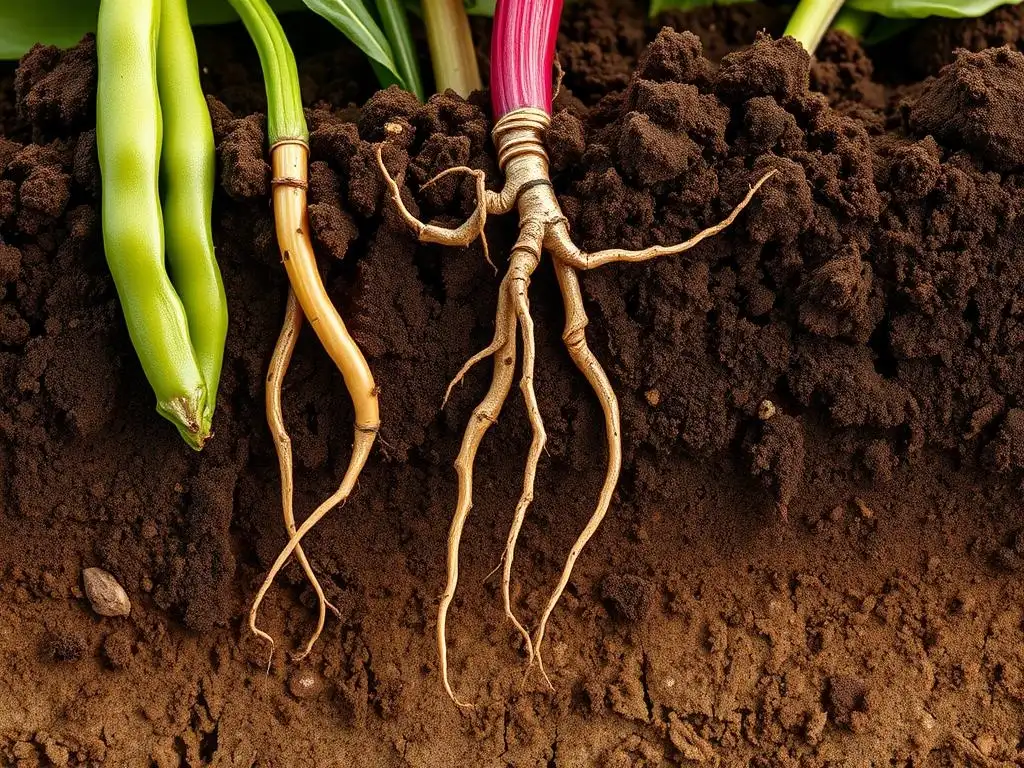
Crop rotation, a cornerstone of sustainable gardening, offers significant long-term advantages for soil health and overall garden productivity. It's more than just a clever planting strategy; it's a fundamental practice that directly impacts nutrient availability and soil structure, leading to healthier plants and bountiful harvests. By strategically rotating different plant families, gardeners can mitigate nutrient depletion and build a thriving garden ecosystem over time.
This section will delve into the profound and lasting effects of crop rotation on soil fertility, focusing on its ability to improve soil structure, reduce pest and disease issues, and enhance biodiversity. Understanding these benefits is crucial for maximizing the "crop rotation benefits gardening" offers.
Improved Soil Structure and Water Retention
One of the most significant "crop rotation benefits gardening" provides is improved soil structure. Different plant families have varying root systems. For example, deep-rooted plants like legumes (peas, beans) penetrate deep into the soil, creating channels that improve aeration and drainage. Shallow-rooted plants, such as leafy greens (lettuce, spinach), help in retaining moisture near the surface. Rotating these types of plants ensures that the soil structure is consistently improved.
This improvement translates directly into better water retention. Well-structured soil, with its network of channels and improved aggregation, can hold more water, reducing the frequency of watering and decreasing the risk of drought stress for your plants. This is particularly important in regions with erratic rainfall or during periods of water scarcity. The improved water retention capacity, a key benefit of crop rotation, means healthier, more resilient plants, resulting in higher yields. Data from long-term studies show a significant increase in water infiltration rates in soils subjected to crop rotation compared to monoculture systems.
Reduced Pest and Disease Pressure Through Crop Rotation
Rotating crops effectively disrupts the life cycles of many common garden pests and diseases. Many pests and pathogens are specialized, thriving on specific plant families. By rotating crops, you prevent the buildup of these organisms in the soil and on plants. For instance, continuous planting of tomatoes can lead to a buildup of soilborne diseases like fusarium wilt. However, rotating tomatoes with plants from a different family, such as legumes or brassicas (cabbage, broccoli), can drastically reduce the incidence of these diseases.
The benefits extend beyond disease control. Some pests target specific plants. Rotating crops helps break the cycle of infestation, preventing a pest population from becoming established and causing significant damage. This reduction in pest and disease pressure is a significant factor in the "crop rotation benefits gardening" provides, minimizing the need for harmful pesticides and promoting a healthier environment. Studies have shown that farms practicing crop rotation experience significantly lower incidences of pest outbreaks compared to those using monoculture. This translates to fewer crop losses and a higher overall yield.
Enhancing Biodiversity in Your Garden Ecosystem
Beyond the direct benefits to soil and plants, crop rotation contributes significantly to the biodiversity of your garden ecosystem. A diverse range of plants attracts a variety of beneficial insects, such as pollinators and predatory insects that help control pest populations naturally. This natural pest control mechanism is a cornerstone of sustainable gardening practices.
The introduction of cover crops, often incorporated into crop rotation plans, further enhances biodiversity. Cover crops, such as clover or rye, improve soil health while providing habitat and food sources for beneficial organisms. This increased biodiversity creates a more resilient and balanced ecosystem, less susceptible to pests and diseases.
The resulting healthy soil supports a wider range of life, making your garden a thriving and vibrant space. The enhanced biodiversity is a significant, long-term "crop rotation benefits gardening" offers, contributing to a more sustainable and productive gardening experience. The increased resilience of this diverse ecosystem contributes to a more robust and productive garden.
The Role of Cover Crops in Crop Rotation for Nutrient Management
Cover crops are an integral part of a successful crop rotation strategy for enhanced nutrient management. These plants, grown specifically to improve soil health rather than for direct harvest, play a vital role in replenishing essential nutrients and enhancing soil structure. They are essentially "soil builders," working behind the scenes to create a more fertile and productive environment for subsequent cash crops.
One of the key benefits of cover crops is their ability to fix atmospheric nitrogen. Legumes, such as clover, alfalfa, and vetch, are particularly adept at this. They possess symbiotic relationships with nitrogen-fixing bacteria in their root nodules, converting atmospheric nitrogen into forms readily available to plants. This significantly reduces the need for synthetic nitrogen fertilizers, a major contributor to environmental pollution and soil degradation. The nitrogen fixed by these cover crops is then released into the soil when the cover crop is tilled under or allowed to decompose naturally, enriching the soil for the following crop.
Beyond nitrogen fixation, cover crops contribute to improved soil structure. Their extensive root systems help to break up compacted soil, improving aeration and water infiltration. This is particularly beneficial in heavy clay soils, where poor drainage can hinder plant growth. Furthermore, the decaying organic matter from cover crops increases soil organic matter content, leading to better water retention and improved nutrient availability. This improved soil structure also enhances root penetration, allowing subsequent crops to access nutrients and water more effectively.
The choice of cover crop is crucial and depends on several factors, including climate, soil type, and the subsequent cash crop. For example, fast-growing cover crops like rye or oats can be used to quickly suppress weeds, while slower-growing legumes can provide more sustained nitrogen fixation. Careful planning and selection of cover crops are essential to maximize their benefits in a given crop rotation system.
Ignoring this crucial aspect can diminish the overall effectiveness of the rotation strategy and reduce the long-term positive impacts on soil health and nutrient availability. Properly implementing cover crops significantly enhances the overall effectiveness of crop rotation for nutrient management, leading to healthier soils and more productive harvests.
Crop Rotation and Organic Gardening Practices
Crop rotation benefits gardening immensely, especially when combined with organic gardening practices. The core principle revolves around strategically planning the sequence of plant families grown in a specific area over time. This prevents nutrient depletion and reduces the build-up of pests and diseases associated with monoculture farming. By diversifying the plant life in your garden, you're essentially mimicking the natural ecosystem, promoting biodiversity and soil health.
This approach is particularly crucial for organic gardeners who avoid synthetic fertilizers and pesticides, relying instead on natural methods to maintain soil fertility and pest control. The cyclical nature of crop rotation helps to break pest and disease cycles, minimizing the need for chemical interventions. For example, rotating heavy feeders like tomatoes (Solanaceae family) with legumes (Fabaceae family) that fix nitrogen in the soil creates a synergistic effect, improving soil quality naturally.
Combining Crop Rotation with Composting for Optimal Results
Composting and crop rotation are powerful allies in sustainable gardening. Composting enriches the soil with organic matter, improving its structure, water retention, and nutrient content. Combining this with a well-planned crop rotation schedule maximizes the benefits of both practices.
For instance, after harvesting heavy-feeding crops like broccoli (Brassicaceae family), which deplete soil nutrients, you can incorporate a cover crop such as clover (Fabaceae family) which, when tilled back into the soil, not only adds organic matter through composting but also contributes nitrogen – a crucial nutrient often lacking in depleted soil. This process significantly reduces the need for external fertilizers, further reinforcing the sustainable aspects of your gardening approach. Regular soil testing after implementing this integrated approach will show a noticeable improvement in nutrient levels and overall soil health.
Careful observation of plant growth and yield will also confirm the positive impact of this synergistic strategy. The key is to plan your compost creation to coincide with the planting schedule for the next crop in your rotation, ensuring readily available nutrient-rich compost when needed.
Integrating Crop Rotation into Your Sustainable Gardening Plan
Successfully integrating crop rotation into your sustainable gardening plan requires careful planning and organization. Begin by understanding the nutrient needs of different plant families. Heavy feeders, like brassicas (cabbage, broccoli, cauliflower), require significant nutrients, while legumes are known for their nitrogen-fixing capabilities. Create a detailed crop rotation plan, ideally using a chart or spreadsheet to track which plant families are grown in each bed each year.
A four-year rotation is often recommended for optimal results. Consider factors like plant growth habits and maturity times to ensure efficient space utilization. For example, you might plant short-season crops like radishes alongside longer-season crops like tomatoes to maximize yield and space. Remember to include cover crops in your rotation to improve soil structure and fertility.
Cover crops, like rye or vetch, can be planted in the fall to protect the soil during winter and then tilled under in spring to add organic matter. This process increases soil health, reduces erosion, and suppresses weeds, all contributing to a more sustainable and productive garden. Detailed record-keeping is essential for assessing the effectiveness of your crop rotation plan and making adjustments as needed. Documenting yields, pest occurrences, and soil test results will help refine your strategy over time, leading to improved crop health and higher yields.
Monitoring Soil Health After Implementing Crop Rotation
Monitoring soil health is crucial to evaluate the success of your crop rotation strategy. Regular soil testing is essential to track nutrient levels, pH, and organic matter content. Soil testing kits are readily available, providing valuable data on the overall health of your soil. Compare the results year over year to observe the impact of your crop rotation plan.
Look for improvements in nutrient levels, particularly nitrogen after planting legumes. Also, observe changes in soil structure, noting improvements in water retention and drainage. Beyond soil testing, visually inspect your plants for signs of nutrient deficiencies. Yellowing leaves, stunted growth, or discoloration can indicate nutrient imbalances.
Addressing these issues promptly, potentially by adjusting your crop rotation plan or adding compost, is vital for maintaining healthy plants. Additionally, paying attention to pest and disease pressure can indicate the effectiveness of your rotation in preventing or reducing their impact. By consistently monitoring your soil and plants, you'll gather crucial data to optimize your crop rotation strategy, achieving optimal soil health and maximizing the benefits of this essential sustainable gardening practice. This continuous monitoring ensures that your crop rotation remains effective in promoting "crop rotation benefits gardening" and sustaining a thriving, healthy garden.
Frequently Asked Questions
What is crop rotation, and why is it important for my garden?
Crop rotation is the practice of planting different types of crops in the same area in sequenced seasons. It's crucial for improving soil health, preventing pest and disease build-up, and enhancing nutrient availability in your garden.
How does crop rotation improve soil fertility?
Different plants have different nutrient needs. Rotating crops helps to prevent nutrient depletion in the soil. For example, legumes add nitrogen, improving the soil for subsequent crops.
What are some examples of good crop rotation sequences?
A simple example is rotating heavy feeders (e.g., tomatoes) with light feeders (e.g., leafy greens). Another is alternating legumes (e.g., beans) with other vegetables to add nitrogen to the soil. Consult resources specific to your region and soil type for optimal results.
Does crop rotation help with pest and disease control?
Yes, crop rotation significantly reduces pest and disease issues. Rotating crops disrupts the life cycles of many common garden pests and diseases, preventing them from establishing themselves and causing significant damage.
How long does it take to see the benefits of crop rotation?
You'll start noticing improvements in soil health and reduced pest pressure within one to two growing seasons. However, the full benefits are seen over several years of consistent implementation.
Final Reflection: Cultivating a Sustainable Future Through Crop Rotation
The practice of crop rotation, far from being an antiquated farming technique, is a vital cornerstone of sustainable agriculture and gardening in the face of climate change and dwindling resources. Its impact on soil health, pest management, and overall yield is undeniable, making it a crucial strategy for both large-scale farming and home gardens alike. Ignoring its benefits is to ignore a powerful tool in our fight for food security and environmental stewardship.
The shift towards a more conscious approach to food production, driven by increasing awareness of environmental concerns and the desire for healthier, more nutritious food, has brought crop rotation back into the spotlight. It's no longer just a practice for experienced farmers; it's becoming a fundamental principle for anyone who values the health of their soil and the quality of their harvest. The land is what gives us our food, and we must treat it with respect.
This simple truth underscores the importance of practices like crop rotation, which ensure the long-term health and productivity of our land.
You, the reader, now hold the knowledge to cultivate a more sustainable and rewarding gardening experience. Consider the impact of your choices on the environment and the future of food production. Will you integrate crop rotation into your gardening practices? Start small, experiment with different rotations, and observe the positive changes in your soil and your harvest. The journey towards a healthier, more sustainable future begins with a single seed, and a thoughtful plan for its growth.
Unlock Your Soil's Potential: Start Rotating Today!
Thank you for learning about the benefits of crop rotation! You've gained valuable knowledge that can significantly improve your harvests and soil health. Now, let's put this knowledge into practice.
- Design your first crop rotation plan: Begin with a small area of your garden and select two or three compatible crops to rotate. Choosing crops suited to your soil type and local climate will yield the best results. This is the crucial first step towards healthier soil!
- Share your plan (or any questions you may have) with our community on the CultivateYourFood forum. Connecting with fellow gardeners can provide valuable insights and innovative solutions.
- Consider incorporating cover crops to enrich your soil between your main harvests. You may be surprised by their effectiveness.
What's the first crop you'll include in your new rotation plan? We'd love to hear your thoughts in the comments!