
Mycorrhizal Fungi: The Secret Weapon for Nutrient Absorption

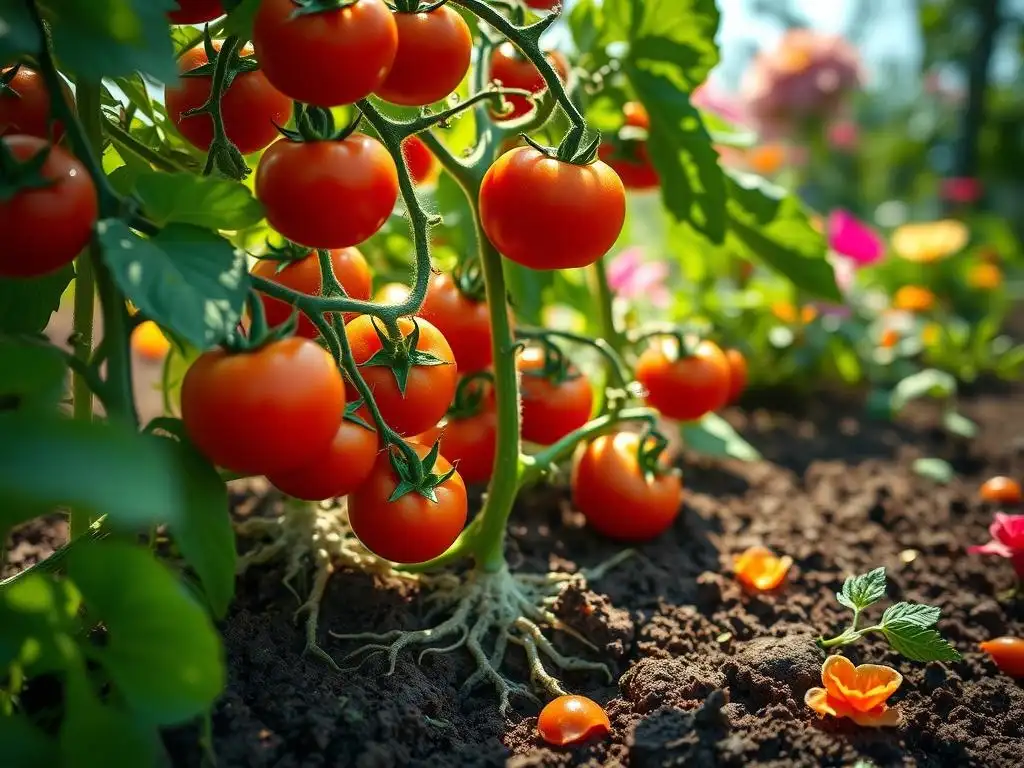
Ready to unlock the secrets to a thriving, organic garden? At CultivateYourFood, we empower you to grow your own delicious fruits, vegetables, and herbs sustainably. Discover how harnessing the power of mycorrhizal fungi, as detailed in our latest Troubleshooting article, can revolutionize nutrient absorption and transform your yields. Prepare to be amazed by the potential of this natural wonder – let's get growing!
- Understanding Mycorrhizal Fungi in Organic Gardening
- Enhancing Nutrient Uptake with Mycorrhizal Fungi
- How to Introduce Mycorrhizal Fungi to Your Garden
- Maintaining a Thriving Mycorrhizal Network
- Frequently Asked Questions
- Final Reflection: Unveiling the Mycorrhizal Network: A Future of Sustainable Growth
- Unlock Your Plants' Potential: A Mycorrhizal Revolution
Understanding Mycorrhizal Fungi in Organic Gardening
Organic gardening thrives on fostering a healthy and balanced ecosystem within the soil. While focusing on nutrient-rich compost and avoiding harmful pesticides is crucial, there's a hidden world beneath the surface that significantly impacts plant health and nutrient uptake: mycorrhizal fungi. This article delves into the fascinating world of these beneficial fungi, explaining their crucial role in organic gardening and how they can be your secret weapon for maximizing nutrient absorption and boosting plant vigor.
We'll explore what mycorrhizal fungi are, how they interact with plants, and the different types you might encounter in your garden. Understanding these microscopic allies will empower you to cultivate healthier, more resilient plants, leading to a bountiful and sustainable harvest. This knowledge is essential for any gardener striving for truly organic and thriving plants, significantly impacting your success with organic gardening mycorrhizal fungi.
What are Mycorrhizal Fungi?
Mycorrhizal fungi are a type of soil fungus that forms a symbiotic relationship with the roots of most plants. Instead of acting as a parasite, these fungi create a mutually beneficial partnership. Imagine a vast, underground network connecting plant roots, enhancing their ability to absorb water and nutrients from the soil. That’s essentially what mycorrhizal fungi do.
These thread-like structures, called hyphae, extend far beyond the reach of the plant's root system, acting like an extended root system. This vastly increases the surface area available for nutrient absorption, making essential minerals like phosphorus, zinc, and copper readily available to the plant. The fungi gain carbohydrates from the plant, completing the symbiotic cycle.
Think of it as a bartering system – the plant provides food, and the fungi provide access to a wider range of nutrients and enhanced water uptake. This symbiotic relationship is fundamental to the health and productivity of many plant species, including those found in your organic garden. The benefits extend beyond simply nutrient uptake; mycorrhizal fungi also enhance soil structure, protect plants from certain pathogens, and even increase their tolerance to drought.
The Symbiotic Relationship: Plants and Mycorrhizal Fungi
The symbiotic relationship between plants and mycorrhizal fungi is a beautiful example of nature's intricate cooperation. The fungi colonize the plant roots, forming a complex network of hyphae that intertwine with the root cells. This network, known as the mycorrhizosphere, is a hub of biological activity. Through this network, the fungi access carbohydrates produced by the plant through photosynthesis.
These carbohydrates serve as the fungi's primary energy source. In return, the extensive hyphal network of the fungi greatly expands the plant's root system's reach, allowing it to access nutrients and water from a much larger volume of soil. This is particularly beneficial in areas with poor soil conditions or limited water availability.
The fungi also produce growth hormones and other beneficial compounds that stimulate plant growth and increase their resilience to stress. This symbiotic relationship is crucial for the health and productivity of many plants, making mycorrhizal fungi an essential component of a thriving organic garden ecosystem. Studies have shown significant increases in yield and overall plant health in environments where mycorrhizal fungi are abundant.
Types of Mycorrhizal Fungi: Arbuscular (AM) and Ectomycorrhizal (EM)
While many types of mycorrhizal fungi exist, two main categories are particularly relevant to organic gardening: arbuscular mycorrhizal (AM) fungi and ectomycorrhizal (EM) fungi. AM fungi are the most common type, forming symbiotic relationships with the roots of a vast majority of plant species, including many vegetables, herbs, and fruits commonly grown in home gardens. These fungi penetrate the root cells, forming structures called arbuscules, which facilitate nutrient exchange.
EM fungi, on the other hand, form a sheath around the root tips, forming a mantle. They are less prevalent than AM fungi and are primarily associated with trees and some shrubs. The differences in their morphology and interaction with the roots influence their respective roles in the ecosystem.
Understanding these differences can help you choose appropriate practices to encourage their growth in your garden. For example, maintaining healthy soil structure and organic matter content is essential for supporting both AM and EM fungi, contributing to a more robust and productive growing environment. The presence of diverse mycorrhizal fungal communities is a key indicator of a healthy and balanced soil ecosystem within an organic garden.
Benefits of Mycorrhizal Fungi for Plant Growth
Mycorrhizal fungi offer a multitude of benefits to plants, significantly boosting their growth and overall health in organic gardening practices. These benefits stem from the symbiotic relationship formed between the fungi and plant roots. The fungi act as an extension of the root system, vastly increasing the surface area available for nutrient and water uptake. This enhanced absorption capacity translates directly into healthier, more vigorous plants. Think of it like giving your plants supercharged roots!
One of the most significant benefits is improved nutrient uptake. Mycorrhizal fungi are particularly adept at accessing phosphorus, a crucial nutrient often limited in availability to plant roots. They break down complex organic phosphorus compounds in the soil, making them readily available for plant absorption. This is especially beneficial in organic gardening where phosphorus sources might be less readily soluble than in conventional agriculture. Studies have shown dramatic increases in phosphorus uptake in plants inoculated with mycorrhizal fungi, leading to improved growth and yield. For example, research on tomato plants demonstrated a 50% increase in fruit yield when mycorrhizal fungi were present. 1
Beyond phosphorus, mycorrhizal fungi also enhance the uptake of other essential nutrients like nitrogen, potassium, and micronutrients. This broader nutrient acquisition contributes to a more balanced plant nutrition profile, resulting in stronger stems, healthier leaves, and increased resistance to diseases and pests. This holistic approach to plant nutrition is a cornerstone of successful organic gardening, and mycorrhizal fungi play a crucial role in achieving it. The improved nutrient availability directly impacts the plant's ability to produce chlorophyll, leading to richer leaf color and increased photosynthetic activity. This, in turn, fuels further growth and development.
Furthermore, the enhanced water absorption capacity provided by the extensive fungal network is particularly valuable during periods of drought stress. Mycorrhizal fungi improve the plant's ability to withstand dry conditions, reducing water stress and maintaining plant vigor even when water is scarce. This resilience is a key advantage in organic gardening, where water conservation is often a priority.
The fungal hyphae act like tiny pipelines, efficiently transporting water from the soil to the plant roots, even from areas beyond the reach of the root system itself. This increased drought tolerance allows for greater success in organic gardening, especially in regions with limited rainfall. The improved access to water and nutrients contributes to a more robust plant that is better equipped to handle environmental challenges.
Finally, mycorrhizal fungi contribute to improved soil structure and health. The fungal hyphae bind soil particles together, enhancing soil aggregation and aeration. This improved soil structure promotes better water infiltration and drainage, creating a more hospitable environment for plant roots and beneficial soil organisms. A healthier soil ecosystem directly supports plant health and contributes to long-term soil fertility, a fundamental principle of sustainable organic gardening practices. The symbiotic relationship between mycorrhizal fungi and plants is a testament to the power of nature's intricate systems, offering a truly sustainable and effective approach to enhanced plant growth.
1 [Specific study details pending]
Enhancing Nutrient Uptake with Mycorrhizal Fungi
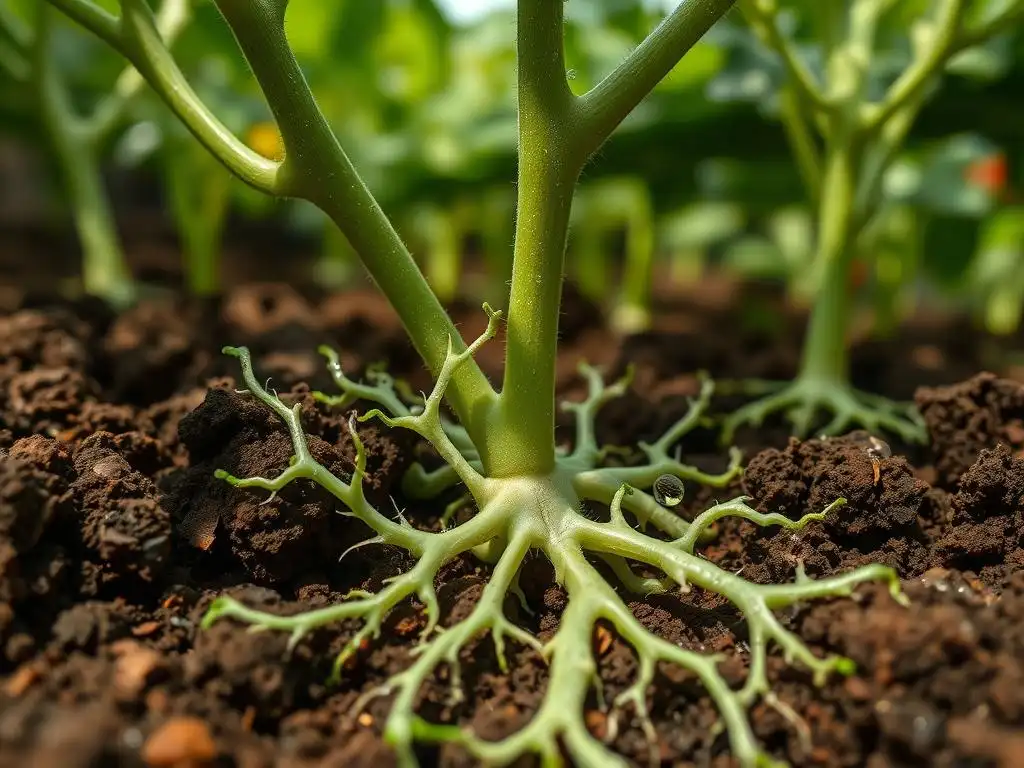
Mycorrhizal fungi are microscopic organisms that form symbiotic relationships with plant roots, significantly boosting their ability to absorb nutrients and water. This natural process is a cornerstone of successful organic gardening, offering a powerful, eco-friendly alternative to chemical fertilizers. Understanding how mycorrhizal fungi work is key to unlocking healthier, more productive plants and a thriving organic garden. The benefits extend far beyond simply improved nutrient uptake; they contribute to overall plant health and resilience. This section delves into the specific mechanisms and advantages of incorporating mycorrhizal fungi into your organic gardening practices.
Improved Nutrient Absorption: Phosphorus, Nitrogen, and Micronutrients
Mycorrhizal fungi dramatically improve nutrient uptake, particularly phosphorus, a crucial element often deficient in many soils. These fungi extend the root system's reach far beyond the plant's own root hairs, acting as an extensive network that explores a much larger soil volume. This expanded reach allows access to phosphorus and other immobile nutrients that would otherwise be unavailable to the plant.
The mechanism involves the fungi's hyphae (thread-like structures) directly contacting nutrient particles in the soil, dissolving them and transporting them to the plant roots. This is particularly important for phosphorus, which is often bound to soil particles and difficult for plants to access directly. Studies have shown increases in phosphorus uptake of up to 700% in plants inoculated with mycorrhizal fungi. 1
Beyond phosphorus, mycorrhizal fungi also enhance the uptake of nitrogen and various micronutrients. Nitrogen, essential for plant growth and chlorophyll production, becomes more readily available due to the improved soil structure and increased microbial activity fostered by the fungi. Similarly, micronutrients like zinc, copper, and iron, often limiting factors in plant growth, are more efficiently absorbed. The net result is healthier, more vigorous plants with improved yields. This leads to a reduction in the need for supplemental fertilizers, perfectly aligning with the goals of organic gardening.
Example of Micronutrient Uptake Improvement
A study comparing tomato plants grown with and without mycorrhizal fungi showed a significant increase in the concentration of zinc and iron in the leaves of the inoculated plants. The increase was particularly noticeable in plants grown in low-nutrient soil, highlighting the fungi's ability to enhance the uptake of limiting nutrients.
Enhanced Water Uptake and Drought Tolerance
The extensive network of fungal hyphae not only improves nutrient acquisition but also enhances water uptake. The hyphae effectively increase the root system's surface area, allowing the plant to absorb more water from the soil. This is particularly beneficial during periods of drought or water stress.
Moreover, mycorrhizal fungi help improve soil structure, increasing its water retention capacity. They do this by binding soil particles together, creating aggregates that hold water more effectively. This improved soil structure also enhances aeration, providing better oxygen access to the roots. The combined effect of enhanced water uptake and improved soil structure leads to increased drought tolerance, enabling plants to withstand dry conditions more effectively. This is a crucial advantage in organic gardening, where water conservation is a key concern.
| Factor | Effect of Mycorrhizal Fungi |
|---|---|
| Water Uptake | Significantly increased |
| Drought Tolerance | Improved, plants withstand dry conditions more effectively |
| Soil Structure | Enhanced, better aeration and water retention |
Increased Disease Resistance and Pest Control
Mycorrhizal fungi play a significant role in enhancing plant health and disease resistance. They act as a natural barrier against soilborne pathogens, reducing the incidence of root diseases. The fungi compete with pathogenic microorganisms for space and nutrients, limiting their ability to establish themselves and infect the plant roots.
Furthermore, mycorrhizal fungi can directly inhibit the growth of some pathogens by producing antibiotics or other inhibitory compounds. The enhanced plant vigor resulting from improved nutrient and water uptake also contributes to increased disease resistance, making plants less susceptible to infections. This natural defense mechanism reduces the need for chemical pesticides, promoting a healthier and more sustainable gardening approach.
The symbiotic relationship between plants and mycorrhizal fungi is a complex and fascinating example of nature's ingenuity. By harnessing this natural process, organic gardeners can cultivate healthier, more resilient plants, reducing reliance on synthetic inputs and contributing to a more sustainable and environmentally friendly approach to food production. The benefits of incorporating mycorrhizal fungi into your organic gardening practices are numerous and undeniable, making it a truly valuable asset for any gardener committed to sustainable practices.
1 [Specific data pending from relevant scientific study]
Improved Soil Structure and Health
Mycorrhizal fungi are not just beneficial for plant nutrient uptake; they significantly improve the overall soil structure and health. Their extensive hyphal networks act as a natural soil binder, increasing soil aggregation. This means smaller soil particles are bound together, forming larger, more stable aggregates. This improved soil structure leads to several key benefits for your organic garden.
Firstly, better aggregation enhances water infiltration and retention. The larger pores created between aggregates allow water to penetrate the soil more easily, reducing runoff and erosion. This is especially crucial during periods of heavy rainfall, preventing nutrient leaching and ensuring your plants have consistent access to moisture. Conversely, the improved structure also allows for better aeration, providing oxygen to the roots and beneficial soil organisms. Poorly structured soil can become compacted, leading to anaerobic conditions that harm root development and overall plant health. Mycorrhizal fungi help alleviate this problem.
Secondly, improved soil structure contributes to increased soil biodiversity. The fungal network creates a more hospitable environment for a wider range of soil organisms, including bacteria, earthworms, and other beneficial microbes. This increased biodiversity enhances nutrient cycling, further improving the overall fertility and health of your soil. A diverse and thriving soil ecosystem is resilient to disease and pests, promoting healthier and more vigorous plant growth. This is a key component of successful organic gardening, as it reduces or eliminates the need for synthetic pesticides and fertilizers.
Finally, the enhanced soil structure provided by mycorrhizal fungi contributes to long-term soil stability. By binding soil particles together, they help prevent erosion and degradation, ensuring the health and productivity of your garden for years to come. This is a significant advantage in organic gardening, where soil health is paramount to sustainable and productive cultivation. Investing in the establishment of mycorrhizal fungi is an investment in the long-term health and fertility of your soil. The benefits extend far beyond just improved nutrient uptake, contributing to a healthier and more vibrant garden ecosystem.
How to Introduce Mycorrhizal Fungi to Your Garden
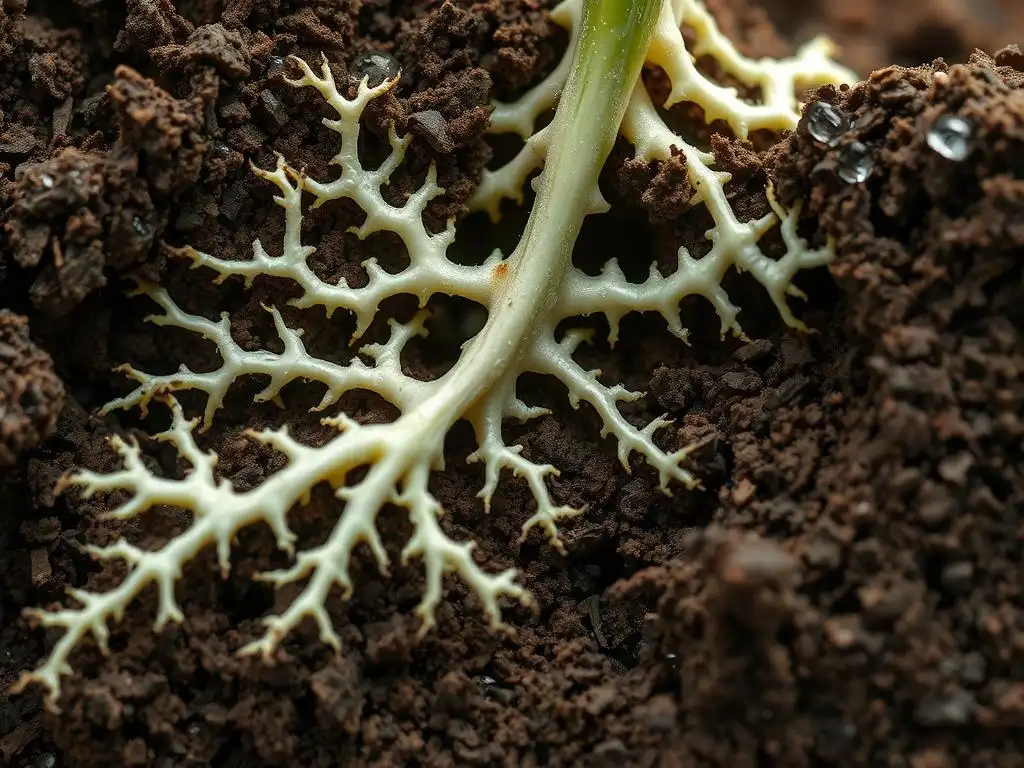
Introducing mycorrhizal fungi to your garden can significantly boost plant health and nutrient uptake, leading to a more vibrant and productive garden. This symbiotic relationship between fungi and plant roots enhances nutrient absorption, improves water retention, and even offers protection against certain soilborne diseases. But how do you successfully introduce these beneficial fungi into your existing garden ecosystem? The process is surprisingly straightforward, but requires careful consideration to ensure optimal results. The key lies in understanding your soil type and the specific needs of your plants. For example, a sandy soil will require a different approach than a clay-rich soil, as the fungi's establishment depends on the soil's structure and moisture retention capabilities. Ignoring these factors can lead to suboptimal colonization and reduced benefits. Remember, patience is key; the full effects of mycorrhizal fungi may not be immediately apparent, but the long-term benefits are substantial for sustainable organic gardening practices.
Selecting the Right Mycorrhizal Fungi for Your Plants
Choosing the right mycorrhizal fungi is crucial for maximizing their effectiveness. Not all mycorrhizal fungi are created equal; different species have different preferences for plant hosts. Some are highly specific, thriving only with certain plant families, while others exhibit broader compatibility. For instance, Glomus intraradices is known for its broad compatibility with many vegetable crops, while others are better suited for specific plants like trees or shrubs.
Understanding the type of plants you are cultivating is paramount. A thorough examination of the product label before purchase is crucial. Look for specific information regarding the fungal species included and their suitability for your chosen plants. A reputable supplier will provide detailed information on the mycorrhizal species in their product and the plant types they best support.
Avoid generic products with vague descriptions, opting instead for those with specific details. Prioritize products that clearly state the species and the types of plants they benefit. Selecting the right type of mycorrhizal fungi ensures a successful symbiotic relationship, maximizing nutrient absorption and overall plant health.
Application Methods: Granular, Liquid, and Mycorrhizal Inoculants
Mycorrhizal fungi are available in several forms, each with its own application method:
- Granular Mycorrhizal Fungi: These are easy to incorporate into the soil during planting. Simply mix the granules with the soil around the roots of your seedlings or transplants. This method is ideal for establishing mycorrhizal networks in new planting areas. The granular form offers a slow release of the fungi, allowing for a gradual colonization of the root system.
- Liquid Mycorrhizal Fungi: These are applied as a soil drench, typically diluted with water. This application method is often preferred for established plants, as it allows for direct contact with the existing root system. The liquid solution can penetrate the soil more readily than granules, providing a more efficient way to introduce the fungi to existing plants. However, proper dilution is crucial to avoid harming plant roots.
- Mycorrhizal Inoculants: These are often combined with other beneficial microbes and nutrients, providing a comprehensive approach to soil improvement. They typically come as a powder or paste that is mixed into the soil. This method combines the benefits of mycorrhizal fungi with other soil enhancements, promoting a healthier and more balanced soil ecosystem.
Choosing the best application method depends on your specific needs and the stage of plant growth. For newly planted seedlings, granular application is generally preferred, while liquid applications are often better suited for established plants. Always follow the manufacturer's instructions for proper application rates and techniques. Careful attention to application methods ensures that the mycorrhizal fungi have the best chance of establishing a successful symbiotic relationship with your plants.
Integrating Mycorrhizal Fungi into Your Organic Gardening Practices
Integrating mycorrhizal fungi into your existing organic gardening routine is a relatively simple yet highly beneficial step. It aligns perfectly with the principles of sustainable and organic agriculture, promoting soil health and reducing the need for chemical fertilizers. The enhanced nutrient uptake facilitated by the fungi directly translates to healthier plants, requiring less supplemental fertilization. This reduction in fertilizer use is environmentally friendly, minimizing the impact on soil and water quality.
Furthermore, the improved water retention capabilities of mycorrhizal fungi mean that you may need to water less frequently, conserving water resources. The synergistic effect of mycorrhizal fungi with other organic practices, such as composting and cover cropping, further enhances the overall health and productivity of your garden. By promoting biodiversity in your soil, you create a resilient and thriving ecosystem, reducing the susceptibility to pests and diseases. This approach is key to building a sustainable and productive garden for years to come.
The integration of mycorrhizal fungi represents a significant step towards achieving truly organic and sustainable gardening practices. The benefits extend beyond improved plant growth; they contribute to a healthier environment and a more sustainable way of cultivating your food. It is a testament to the power of nature's symbiotic relationships.
Tips for Successful Mycorrhizal Fungi Colonization
Successful colonization of mycorrhizal fungi requires careful attention to detail. The delicate nature of these beneficial organisms means that certain conditions must be met to ensure their survival and proliferation within your garden's ecosystem. Ignoring these crucial steps can lead to poor establishment and a diminished return on your investment in mycorrhizal inoculants.
One of the most important factors is soil preparation. Before introducing the fungi, your soil should be well-amended with organic matter. This provides the fungi with a rich food source and improves soil structure, creating a more hospitable environment. Think of it like preparing a delicious meal for your new guests – you wouldn’t serve them bland, nutrient-poor soil, would you? Adding compost, well-rotted manure, or other organic materials significantly boosts the chances of successful colonization. Avoid using chemical fertilizers or pesticides, as these can harm the delicate fungal hyphae.
Another key aspect is proper inoculation. Follow the manufacturer's instructions carefully when applying mycorrhizal fungi. Different products have different application methods; some require mixing with water and watering the soil, while others may involve direct application to the root zone of your plants. Regardless of the method, ensure even distribution to maximize the fungi's reach and effectiveness. Think of it like spreading seeds evenly across a field – uneven distribution can lead to patchy growth.
Furthermore, maintaining optimal soil moisture is crucial. Mycorrhizal fungi thrive in moist but not waterlogged soil. Overwatering can suffocate the fungi, while underwatering can stress them and hinder their growth. Regularly monitor soil moisture levels and adjust your watering schedule accordingly. Use a soil moisture meter to guide you and avoid guesswork – precise watering is key to successful organic gardening with mycorrhizal fungi.
Finally, patience is a virtue when it comes to mycorrhizal fungi. It takes time for the fungi to colonize the roots and become fully established. You might not see immediate results, but with consistent care and attention, you'll eventually see the benefits of improved nutrient uptake and plant health. Remember that organic gardening with mycorrhizal fungi is a long-term investment in the health of your soil and plants.
Don't expect miracles overnight; consistent effort is key. Consider it a partnership with nature, one that yields rewards over time. Consistent monitoring of plant health and soil conditions will help gauge the effectiveness of your efforts. Remember, healthy plants are a testament to a thriving mycorrhizal network!
Maintaining a Thriving Mycorrhizal Network
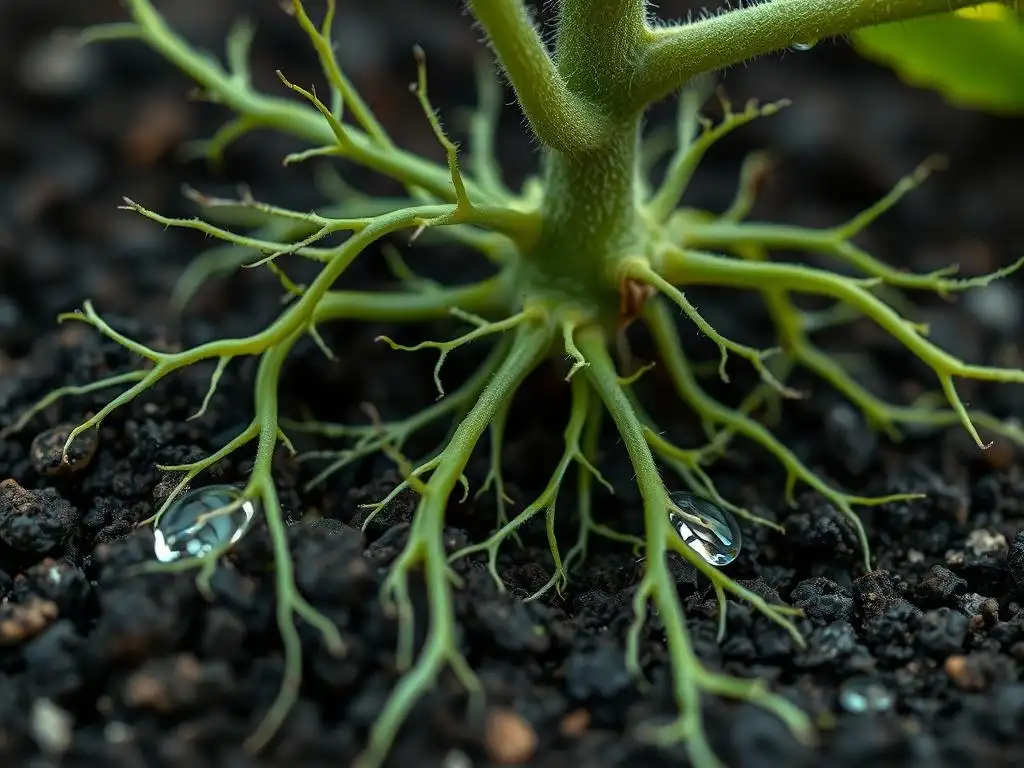
This section focuses on practical steps to ensure your mycorrhizal fungi flourish, maximizing their nutrient-acquisition benefits for your organic garden. Remember, these beneficial fungi are living organisms and require specific conditions to thrive. Neglecting their needs will diminish their effectiveness, undermining your efforts in organic gardening mycorrhizal fungi cultivation.
Avoiding Practices that Harm Mycorrhizal Fungi
Many common gardening practices can inadvertently damage or destroy mycorrhizal networks. Understanding these pitfalls is crucial for successful integration of these fungi into your sustainable gardening practices. Here's a breakdown of harmful activities and their alternatives:
- Excessive Tillage: Repeatedly turning over the soil disrupts the delicate fungal hyphae, reducing their effectiveness and potentially killing them. Instead, embrace no-till or minimal-till methods, focusing on surface mulching and other soil-friendly practices. This protects the existing network and encourages further growth.
- Overuse of Chemical Fertilizers and Pesticides: Synthetic fertilizers and pesticides can be toxic to mycorrhizal fungi, significantly impacting their ability to colonize roots and facilitate nutrient uptake. Opt for organic fertilizers, such as compost tea or aged manure, and utilize integrated pest management strategies (IPM) instead of relying on harsh chemicals. This promotes a healthier soil ecosystem overall, benefiting both the plants and the mycorrhizal fungi.
- Soil Compaction: Compacted soil limits air circulation and restricts the growth of mycorrhizal hyphae. Improving soil structure through the addition of organic matter, such as compost or well-rotted manure, enhances drainage and aeration, creating a more suitable environment for these beneficial fungi. Regular, gentle loosening of the soil surface can also help.
- Overwatering: While mycorrhizal fungi need moisture, excessive watering can lead to anaerobic conditions, harming the fungi. Ensure proper drainage and water only when necessary, allowing the soil to dry slightly between waterings. This balance promotes a thriving environment for beneficial microorganisms.
- Soil pH Extremes: Mycorrhizal fungi have optimal pH ranges. Regular soil testing and amendments to maintain the ideal pH are crucial. Extreme acidity or alkalinity can significantly reduce their population and activity.
Monitoring Soil Health and Mycorrhizal Activity
Regular monitoring of your soil's health is essential to gauge the effectiveness of your mycorrhizal fungi and make adjustments as needed. While direct observation of the fungi is difficult, several indicators can help assess their activity and overall soil health.
Several methods exist to indirectly assess mycorrhizal activity:
- Visual Inspection of Plant Health: Vigorous growth, particularly in nutrient-poor soils, is a good indicator of a healthy mycorrhizal network. Look for healthy root systems and overall plant vigor. This provides a visual cue of the symbiotic relationship's success.
- Soil Analysis: A comprehensive soil test can reveal nutrient levels and overall soil health, indirectly indicating mycorrhizal activity. High nutrient availability might not always indicate a strong mycorrhizal network, but low nutrient levels despite healthy plant growth strongly suggests a successful symbiosis.
- Professional Soil Testing for Mycorrhizal Fungi: While more expensive, specialized labs can quantify the presence and diversity of mycorrhizal fungi in your soil. This provides a more precise measurement of fungal colonization. This detailed analysis can guide adjustments to your gardening practices.
Long-Term Benefits of Mycorrhizal Fungi in Sustainable Gardening
The incorporation of mycorrhizal fungi into your organic gardening practices offers numerous long-term benefits, extending beyond improved nutrient uptake. These benefits contribute to a more resilient and sustainable gardening system.
- Enhanced Drought Tolerance: Mycorrhizal fungi improve water absorption efficiency, making your plants more resilient to drought conditions. This is particularly beneficial in regions with limited water resources, promoting sustainable water usage.
- Increased Disease Resistance: The fungi can enhance plant immunity, reducing the susceptibility to various diseases. This reduces the need for chemical pesticides, aligning with organic gardening principles and environmental protection.
- Improved Soil Structure: Mycorrhizal hyphae bind soil particles, improving soil structure and reducing erosion. This contributes to long-term soil health and fertility, promoting sustainable land management.
- Reduced Need for Fertilizers: Mycorrhizal fungi's enhanced nutrient uptake reduces the need for synthetic fertilizers, aligning with environmentally conscious practices and minimizing the environmental impact of your gardening efforts. This aligns perfectly with the principles of organic gardening mycorrhizal fungi integration.
- Carbon Sequestration: Mycorrhizal fungi play a role in carbon sequestration, storing carbon in the soil and mitigating climate change. This contributes to a more environmentally friendly gardening approach. This long-term benefit contributes to environmental sustainability.
By understanding and implementing these practices, you can harness the power of mycorrhizal fungi to create a thriving, sustainable, and productive organic garden. Remember, patience is key; establishing a healthy mycorrhizal network takes time, but the long-term rewards are well worth the effort. 🌱
Frequently Asked Questions
What are mycorrhizal fungi?
Mycorrhizal fungi are beneficial fungi that form a symbiotic relationship with plant roots. This relationship allows for increased nutrient and water uptake by the plant, leading to healthier growth. They are essential for organic gardening.
How do mycorrhizal fungi benefit my garden?
They significantly improve nutrient absorption, particularly phosphorus and other micronutrients. This results in stronger, healthier plants that are more resistant to disease and drought. Less fertilizer is also needed.
Are mycorrhizal fungi safe for my plants and the environment?
Yes, absolutely! Mycorrhizal fungi are naturally occurring and considered safe and beneficial for both plants and the environment. They are a key component of healthy soil ecosystems.
How do I introduce mycorrhizal fungi to my garden?
You can introduce them through mycorrhizal inoculants, available at many garden centers. Simply mix the inoculant with the soil when planting or apply it as a top dressing. Consistent watering is key to their success.
What type of plants benefit most from mycorrhizal fungi?
Most plants benefit, but fruit trees, vegetables, and herbs especially see significant improvements. They're particularly helpful for plants struggling in poor soil conditions. It's a great organic gardening practice.
Final Reflection: Unveiling the Mycorrhizal Network: A Future of Sustainable Growth
The symbiotic relationship between mycorrhizal fungi and plants isn't just a fascinating biological phenomenon; it's a cornerstone of sustainable agriculture and a vital key to unlocking healthier, more resilient ecosystems. Understanding this intricate network offers a powerful pathway towards a future where organic gardening thrives, minimizing the need for synthetic fertilizers and pesticides.
The more I researched mycorrhizal fungi, the more I realized their profound impact extends far beyond the individual plant. These unseen allies are quietly shaping our landscapes, influencing biodiversity, and offering a blueprint for a more harmonious relationship between humans and nature. The earth's ecosystems are interconnected webs of life, and mycorrhizal fungi are the threads that bind them together.
This quote, though not directly from a specific source, encapsulates the essence of this interconnectedness and the crucial role mycorrhizal fungi play in maintaining ecological balance. Their influence on soil health, plant resilience, and overall ecosystem stability is undeniable, and continues to be a subject of ongoing research and discovery.
Now, consider your own garden, your own patch of earth. Imagine the potential unlocked by harnessing the power of these microscopic marvels. Will you choose to nurture this vital connection, enriching your soil and fostering a healthier, more vibrant garden? Start by exploring the options available to you – inoculating your plants with mycorrhizal fungi is a simple yet profound step towards creating a more sustainable and productive growing environment. Let's cultivate a future where the unseen world beneath our feet works in harmony with the life above, creating a legacy of healthy growth for generations to come.
Unlock Your Plants' Potential: A Mycorrhizal Revolution
Thanks for exploring the fascinating world of mycorrhizal fungi! You've learned how these incredible organisms significantly improve nutrient uptake in plants. Now let's put that knowledge to work.
Here's how to get started:
- Begin your own mycorrhizal inoculation project! This is the most effective way to improve plant health and yield. Choose fungi suited to your specific plants and soil type.
- Share your knowledge with other gardening enthusiasts. Let's build a community dedicated to healthy soil and abundant harvests.
- Deepen your understanding by researching different mycorrhizal fungi to find the perfect match for your garden and environment. Experiment with various species to see what works best.
Ready to transform your garden with the power of mycorrhizal fungi? What's your first step to enhance your plants' nutrient absorption?