
The pH Puzzle: How Soil Acidity Affects Nutrient Availability

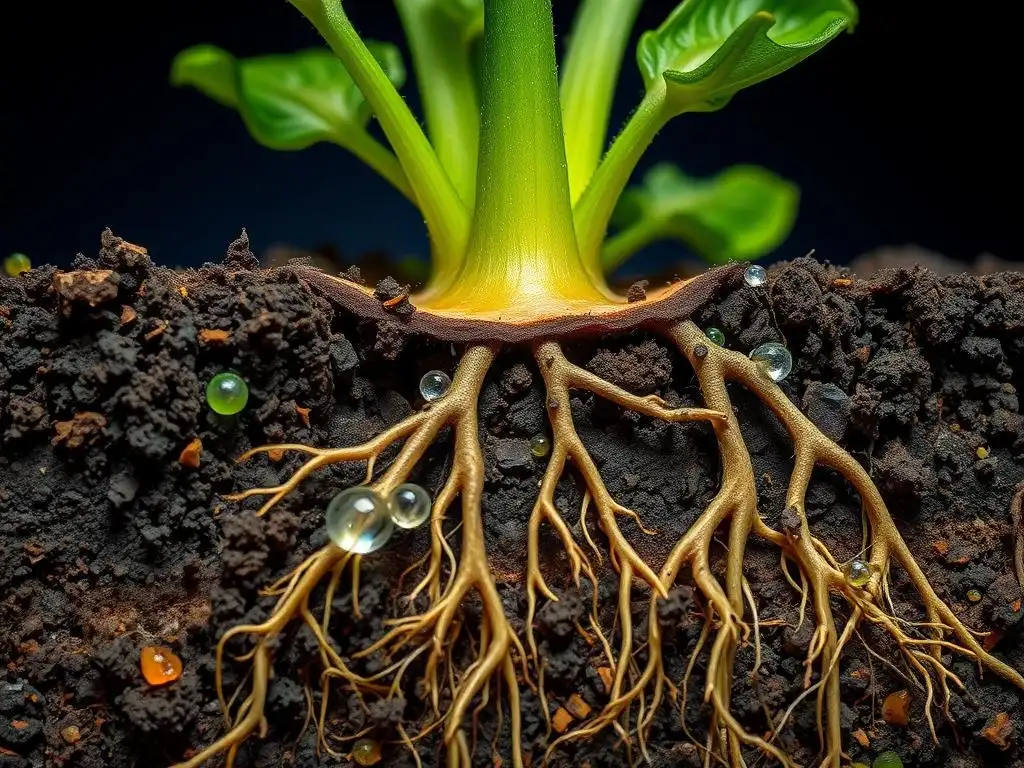
Welcome to CultivateYourFood, your guide to nurturing a thriving garden using sustainable, organic methods! Are you ready to unlock the secrets of a bountiful harvest? Then delve into the fascinating world of soil health, starting with our in-depth article on Soil pH nutrient availability. Discover how understanding this crucial element can transform your garden from struggling to flourishing. Uncover the answers to common gardening challenges and learn how to cultivate the perfect environment for your fruits, vegetables, and herbs. Let's get growing!
- Understanding Soil pH and its Impact on Nutrient Uptake
- Identifying Your Soil's pH Level
- The Impact of Soil pH on Specific Nutrients
- Adjusting Soil pH for Optimal Nutrient Availability
- Maintaining Optimal Soil pH for Healthy Plants
- Frequently Asked Questions
- Final Reflection: Unlocking the Soil's Secrets: A Legacy of Healthy Growth
- Unlock Your Soil's Potential: Nurture Healthier Plants
Understanding Soil pH and its Impact on Nutrient Uptake
Understanding your soil's pH level is crucial for successful gardening, especially when practicing sustainable and organic methods. Soil pH, a measure of the soil's acidity or alkalinity, directly influences the availability of essential nutrients to your plants. This article delves into the intricacies of soil pH, explaining how it affects nutrient uptake and providing practical steps to maintain optimal conditions for healthy fruit, vegetable, and herb growth.
Mastering soil pH management is key to maximizing nutrient availability, minimizing waste, and cultivating thriving plants using organic methods. Ignoring soil pH can lead to nutrient deficiencies, stunted growth, and reduced yields, undermining your efforts in sustainable gardening. Let's unravel the "pH puzzle" and unlock the secrets to nutrient-rich soil.
What is Soil pH and Why Does it Matter?
Soil pH is a measurement of the hydrogen ion concentration in the soil solution, expressed on a scale from 0 to 14. A pH of 7 is considered neutral; values below 7 indicate acidity, while values above 7 indicate alkalinity. Why does this matter for your plants? Because different nutrients become available to plants at different pH levels. Many essential nutrients, such as phosphorus, iron, manganese, and zinc, are less soluble and therefore less available to plants in alkaline soils (high pH).
Conversely, other nutrients like molybdenum are more readily available in alkaline conditions. Acidic soils (low pH) can hinder the availability of calcium, magnesium, and phosphorus. Optimizing your soil's pH ensures that your plants can access the full spectrum of nutrients they need to thrive, resulting in healthier, more productive plants. Think of it as providing your plants with a perfectly balanced nutritional buffet! 🥗
The pH Scale Explained: Acidic, Neutral, and Alkaline Soils
The pH scale is logarithmic, meaning each whole number change represents a tenfold difference in acidity or alkalinity. For example, a soil with a pH of 5 is ten times more acidic than a soil with a pH of 6. Here's a breakdown:
| pH Range | Soil Type | Nutrient Availability |
|---|---|---|
| Below 5.5 | Strongly Acidic | Limited availability of many essential nutrients. |
| 5.5 - 6.5 | Slightly Acidic | Optimal for most plants. |
| 6.5 - 7.5 | Neutral to Slightly Alkaline | Good availability of most nutrients. |
| 7.5 - 8.5 | Moderately Alkaline | Reduced availability of iron, manganese, zinc, and phosphorus. |
| Above 8.5 | Strongly Alkaline | Severely limited availability of many essential nutrients. |
Most plants prefer a slightly acidic to neutral pH range (6.0-7.0), although some exceptions exist. Knowing your specific plants' pH preferences is crucial for tailoring your soil management practices. Regular pH testing is essential to monitor and adjust soil conditions as needed. Ignoring this crucial aspect can lead to significant yield reductions and plant health issues.
How Soil pH Affects Nutrient Availability: A Detailed Look
Soil pH directly impacts nutrient solubility and uptake. At optimal pH levels, nutrients exist in a form readily absorbed by plant roots. However, at extreme pH levels (too acidic or too alkaline), many essential nutrients become locked up in forms plants cannot utilize. For instance:
- Phosphorus (P): Phosphorus availability is often best in slightly acidic to neutral soils (pH 6.0-7.0). In alkaline soils, phosphorus can bind with calcium and other elements, forming insoluble compounds that plants cannot absorb. This leads to phosphorus deficiency, resulting in stunted growth and reduced yields. 🌱
- Iron (Fe): Iron is crucial for chlorophyll production and is highly susceptible to pH changes. Iron availability decreases drastically in alkaline soils (high pH), leading to chlorosis (yellowing of leaves).
- Manganese (Mn): Similar to iron, manganese availability is reduced in high-pH soils, causing symptoms similar to iron deficiency.
- Molybdenum (Mo): Molybdenum availability, conversely, increases with increasing pH. Therefore, while many nutrients suffer in alkaline soils, molybdenum becomes more accessible.
Understanding these relationships allows gardeners to proactively manage their soil pH to ensure optimal nutrient availability for healthy plant growth. Regular soil testing, combined with appropriate amendments, is key to maintaining a balanced soil environment.
Identifying Your Soil's pH Level
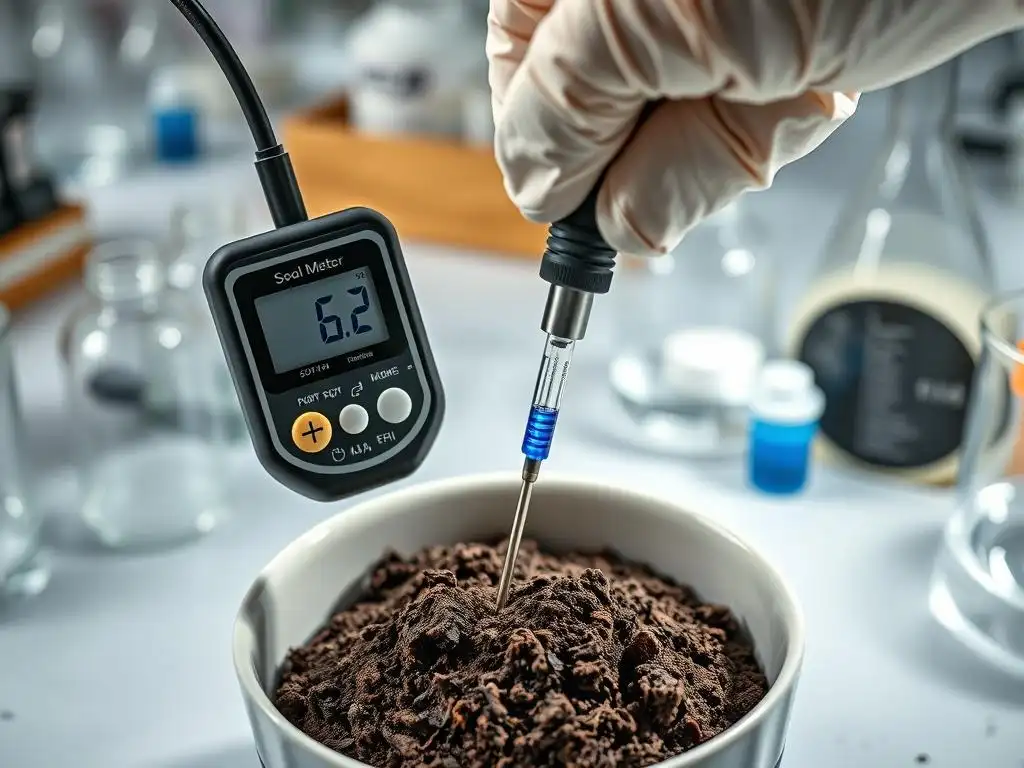
Understanding your soil's pH is crucial for optimal plant growth and maximizing nutrient availability. Soil pH, representing the acidity or alkalinity of your soil, directly influences how well plants can access essential nutrients. A balanced pH ensures your fruits, vegetables, and herbs thrive, leading to a bountiful harvest. Getting a handle on your soil's pH is the first step towards addressing any nutrient deficiencies and improving your overall gardening success. This section will guide you through simple methods for determining your soil's pH, ensuring you're equipped to cultivate a healthy and productive garden.
Simple Home Testing Methods for Soil pH
While professional soil testing kits provide the most accurate results, several simple home methods can offer a preliminary assessment of your soil's pH. These methods aren't as precise, but they're readily accessible and can provide a useful indication. Remember, these are estimations, and for definitive results, a proper soil test kit is recommended.
One common method uses household vinegar and baking soda. Collect a soil sample from various areas of your garden to get a representative reading. Divide the sample into two portions. Add vinegar to one portion. If it fizzes, your soil is likely alkaline (high pH). Add baking soda to the other portion. If it fizzes, your soil is likely acidic (low pH). No fizzing suggests a more neutral pH. However, this method only provides a general indication and doesn't give a numerical pH value.
Another simple method involves using red cabbage. Red cabbage contains anthocyanins, natural pH indicators. Boil red cabbage leaves in water, then allow the solution to cool. Add a small amount of your soil sample to the cooled red cabbage solution. The color change indicates the pH: a reddish color suggests acidity, while a bluish-green color indicates alkalinity. Again, this provides a visual estimate, not a precise pH value. This method is a fun and visually engaging way to get a rough idea of your soil's pH, particularly useful for engaging children in gardening activities.
Using a Soil Testing Kit for Accurate Results
For precise measurements of your soil's pH, a soil testing kit is the most reliable method. These kits are readily available online and at most garden centers. They come in various forms, including liquid-based tests, electronic meters, and test strips. Each kit provides specific instructions, but the general process usually involves mixing a soil sample with a reagent solution and then comparing the resulting color to a provided chart or using an electronic meter to obtain a numerical reading.
Choosing the right kit depends on your needs and budget. Liquid-based tests are generally affordable and easy to use, providing a numerical pH reading. Electronic meters offer a quick and precise reading but are often more expensive. Test strips are convenient but may lack the precision of other methods. Regardless of the kit type, carefully follow the manufacturer's instructions for accurate results.
Ensure you collect a representative soil sample from different areas of your garden to account for potential pH variations within the growing area. Proper sampling techniques are crucial for obtaining reliable results. Remember to always clean your equipment thoroughly between tests to avoid cross-contamination. Consistent and careful testing is key to monitoring your soil's pH over time and making necessary adjustments.
Interpreting Your Soil Test Results: Understanding the Numbers
Once you have your soil's pH value, understanding what it means is crucial. The pH scale ranges from 0 to 14, with 7 being neutral. Values below 7 indicate acidity, while values above 7 indicate alkalinity. The ideal soil pH range varies depending on the plant species. Most plants prefer a slightly acidic to neutral pH range (6.0-7.0), although some plants thrive in more acidic or alkaline conditions. Understanding your specific plants' needs is crucial for optimal growth.
| Plant Type | Ideal Soil pH Range |
|---|---|
| Tomatoes | 6.0 - 6.8 |
| Potatoes | 5.0 - 6.0 |
| Blueberries | 4.5 - 5.5 |
| Roses | 6.0 - 7.0 |
| Most vegetables | 6.0 - 7.0 |
A soil pH outside the ideal range can lead to nutrient deficiencies. For example, a low pH (acidic soil) can hinder the availability of phosphorus, potassium, and molybdenum, while a high pH (alkaline soil) can limit the uptake of iron, manganese, zinc, and boron. This directly impacts plant health and yield, leading to stunted growth, yellowing leaves (chlorosis), and reduced fruit production.
Knowing your soil's pH is the first crucial step in addressing and correcting nutrient imbalances to maximize the health and productivity of your garden. Regular soil testing, particularly before planting and throughout the growing season, allows for proactive adjustments to maintain optimal soil conditions and ensure a thriving garden. This proactive approach significantly contributes to successful and sustainable gardening practices.
The Impact of Soil pH on Specific Nutrients

Soil pH, a measure of soil acidity or alkalinity, significantly impacts nutrient availability to plants. Understanding this relationship is crucial for successful gardening and maximizing yields. Optimal pH ranges vary slightly depending on the specific plant, but generally, a pH between 6.0 and 7.0 is considered ideal for most plants, providing a balanced environment for nutrient uptake.
Deviations from this range can lead to deficiencies, even if sufficient nutrients are present in the soil. This section delves into the complex interplay between soil pH and the availability of key nutrients, focusing on Nitrogen (N) and Phosphorus (P), two essential macronutrients for plant growth. Mastering this aspect of soil management is key to achieving healthy, thriving plants and maximizing your harvest.
Nutrient Availability at Different pH Levels: A Comprehensive Guide
The availability of essential nutrients fluctuates dramatically depending on the soil's pH. Plants can't directly absorb nutrients; they require them to be dissolved in the soil solution. Soil pH influences the solubility of these nutrients. For example, at very low pH (highly acidic), many nutrients become highly soluble, potentially leading to leaching and loss. Conversely, at very high pH (highly alkaline), many nutrients become insoluble, making them unavailable to plants despite their presence in the soil.
The following table summarizes the general availability of key nutrients across different pH ranges:
| Nutrient | Optimal pH Range | Low pH (<5.5) Availability | High pH (>7.5) Availability |
|---|---|---|---|
| Nitrogen (N) | 6.0 - 7.0 | High (potentially leached) | Low (immobilized) |
| Phosphorus (P) | 6.0 - 7.0 | Low (fixed by iron and aluminum) | Low (fixed by calcium) |
| Potassium (K) | 6.0 - 7.0 | Moderate | Moderate to High |
| Calcium (Ca) | 6.0 - 7.0 | High | Very High (potentially toxic) |
| Magnesium (Mg) | 6.0 - 7.0 | Moderate | Low |
| Iron (Fe) | 6.0 - 7.0 | High (potentially toxic) | Low |
| Manganese (Mn) | 6.0 - 7.0 | High (potentially toxic) | Low |
| Boron (B) | 6.0 - 7.0 | High (potentially toxic) | Low |
| Molybdenum (Mo) | 6.0 - 7.0 | Low | High (potentially toxic) |
This table highlights the need for regular soil testing to determine your soil's pH and adjust accordingly to ensure optimal nutrient availability for healthy plant growth. Remember, the ideal pH can also vary slightly depending on the specific plant species you're cultivating.
Nitrogen (N) Availability and Soil pH
Nitrogen is a crucial nutrient for plant growth, responsible for vigorous vegetative growth and lush green foliage. Its availability is heavily influenced by soil pH. In highly acidic soils (pH < 5.5), nitrogen can be readily leached from the soil profile, meaning it's washed away by water, resulting in a deficiency.
Conversely, in highly alkaline soils (pH > 7.5), nitrogen can become immobilized, meaning it's bound to soil particles and unavailable for plant uptake, even if sufficient nitrogen is present. The optimal pH range for nitrogen availability is generally between 6.0 and 7.0. Symptoms of nitrogen deficiency include stunted growth, yellowing of leaves (chlorosis), and reduced yield.
Addressing nitrogen deficiency often involves amending the soil with organic matter, which helps buffer pH and improve nitrogen retention. Furthermore, regular soil testing helps determine the appropriate amount of nitrogen fertilizer to apply, preventing both deficiencies and excesses. Using slow-release nitrogen fertilizers can also help mitigate losses due to leaching.
Phosphorus (P) Availability and Soil pH
Phosphorus plays a vital role in root development, flowering, and fruiting. Its availability is also significantly affected by soil pH. At low pH levels (<5.5), phosphorus can become fixed by iron and aluminum oxides in the soil, rendering it unavailable to plants. Similarly, at high pH levels (>7.5), phosphorus can be fixed by calcium, again reducing its availability. The optimal pH range for phosphorus availability is typically between 6.0 and 7.0.
Phosphorus deficiency symptoms often manifest as stunted growth, dark green or purplish leaves, and reduced flowering and fruiting. Improving phosphorus availability often involves adjusting the soil pH to the optimal range and applying phosphorus-rich fertilizers, such as bone meal or rock phosphate. However, over-application of phosphorus can lead to environmental problems, so soil testing is crucial to determine the precise amount needed. Careful consideration of soil type and plant needs is paramount for successful phosphorus management.
Potassium (K) Availability and Soil pH

Potassium is a crucial macronutrient vital for plant growth, impacting everything from disease resistance to fruit production. Its availability in the soil, however, is significantly influenced by soil pH. In highly acidic soils (pH below 5.5), potassium can become excessively mobile, leading to leaching and a deficiency in plants even if potassium is present in the soil. This is because in acidic conditions, potassium ions (K⁺) are more readily displaced from soil particles and are more easily washed away by irrigation or rainfall.
Conversely, extremely alkaline soils (pH above 7.5) can also hinder potassium uptake. While potassium may be present, it can become fixed to clay particles, making it unavailable to plant roots. The optimal pH range for potassium availability generally falls between 6.0 and 7.0, ensuring a balance between mobility and fixation.
Maintaining this pH range through soil testing and amendments like lime (for acidic soils) or sulfur (for alkaline soils) is essential for ensuring sufficient potassium uptake by your plants. Failure to address extreme pH levels can result in stunted growth, weak stems, and reduced yields, particularly noticeable in plants with high potassium requirements such as tomatoes and potatoes. Regular soil testing, especially in areas with naturally acidic or alkaline soils, is a crucial step in proactive nutrient management.
Micronutrient Availability and Soil pH: Iron, Manganese, Zinc, etc.
Micronutrients, although needed in smaller quantities than macronutrients, are equally critical for plant health. Their availability, like that of potassium, is heavily impacted by soil pH. Iron (Fe), manganese (Mn), and zinc (Zn) are particularly sensitive to pH fluctuations. In alkaline soils (pH above 7.0), the solubility of these micronutrients drastically decreases. They become less available for plant uptake because they precipitate out of solution, forming insoluble compounds that plant roots cannot absorb.
This often manifests as chlorosis, a yellowing of leaves, particularly in younger growth. Conversely, extremely acidic soils (pH below 5.0) can also negatively impact micronutrient availability, although the effects are less pronounced than in high-pH conditions. For example, while iron solubility increases in acidic conditions, excessive acidity can lead to other issues that indirectly affect iron uptake. The ideal pH range for optimal micronutrient availability typically lies between 6.0 and 6.8.
This range ensures sufficient solubility without creating conditions that lead to toxicity or other nutrient imbalances. Addressing pH imbalances through soil amendments and incorporating organic matter can significantly improve the bioavailability of these essential micronutrients, leading to healthier, more vigorous plants. Furthermore, chelated micronutrient fertilizers can be used to overcome pH-related limitations, offering plants a more readily available form of these essential nutrients. Regular soil testing remains paramount for identifying and correcting pH-related micronutrient deficiencies.
Adjusting Soil pH for Optimal Nutrient Availability
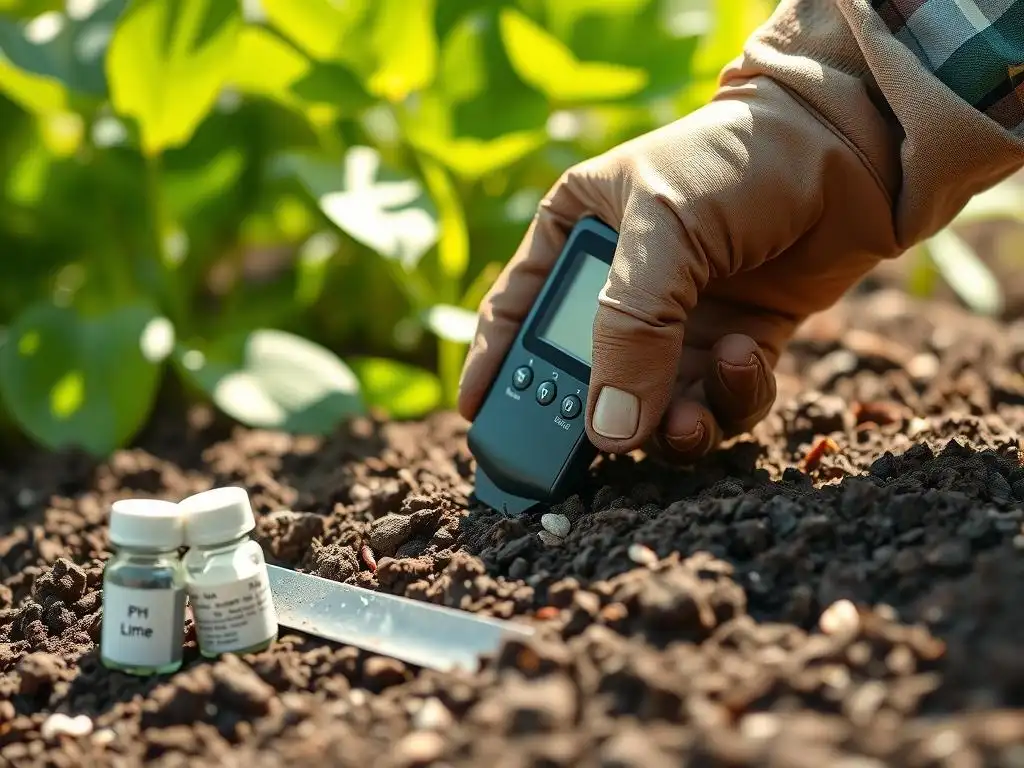
Understanding how soil pH impacts nutrient availability is crucial for successful gardening. Optimal pH levels, typically ranging from 6.0 to 7.0 for most plants, ensure that essential nutrients are readily available for uptake by plant roots. Deviations from this ideal range can lead to nutrient deficiencies, even if sufficient nutrients are present in the soil. This section details practical methods for adjusting soil pH to promote healthy plant growth and maximize nutrient uptake, directly addressing the keyword "Soil pH nutrient availability" and its semantic variations.
Methods for Lowering Soil pH (Increasing Acidity)
Alkaline soils, with a high pH, often hinder the availability of vital micronutrients like iron, manganese, and zinc. These deficiencies manifest as chlorosis (yellowing of leaves) and stunted growth. To lower the pH and increase acidity, several effective methods exist. These methods should be implemented gradually, monitoring pH levels regularly to avoid over-correction.
One common method involves the use of elemental sulfur. Sulfur oxidizes in the soil, releasing hydrogen ions (H+) that lower the pH. The rate of pH reduction depends on the soil type, sulfur particle size, and soil moisture. Generally, applying 1-2 pounds of elemental sulfur per 100 square feet can gradually lower the pH over several months. Always follow product instructions for application rates.
Another effective approach is the application of aluminum sulfate. This chemical compound readily releases aluminum and hydrogen ions, rapidly lowering soil pH. However, aluminum sulfate should be used cautiously, as excessive application can harm plant roots. It is best suited for smaller areas or specific plants with high acidity needs. Always perform a soil test before application to determine the appropriate amount.
Regular applications of acid-forming organic materials, such as sphagnum peat moss or composted pine bark, can contribute to a gradual decrease in soil pH over time. These materials not only lower the pH but also improve soil structure and water retention.
Remember to always test your soil pH before and after treatment to monitor progress and prevent over-correction. Frequent soil testing is paramount for effective pH management and optimal "Soil pH nutrient availability."
Methods for Raising Soil pH (Decreasing Acidity)
Acidic soils, with a low pH, can limit the availability of essential macronutrients like phosphorus, calcium, and magnesium. Symptoms of these deficiencies include poor growth, discoloration, and reduced flowering. Raising the pH of acidic soil requires the addition of materials that increase the alkalinity.
Limestone, either ground agricultural limestone or dolomitic limestone, is the most common amendment for raising soil pH. Agricultural limestone primarily increases pH by adding calcium carbonate, while dolomitic limestone also provides magnesium. The amount of limestone needed depends on the severity of the acidity and the soil type. A soil test will provide a recommendation for the appropriate application rate. It's crucial to incorporate the limestone thoroughly into the soil for effective results.
Wood ash, a byproduct of burning hardwood (avoid softwoods which can be acidic), can also raise soil pH. It contains potassium carbonate, which increases alkalinity. However, wood ash should be used cautiously, as it can contain high levels of salts that might harm plants if over-applied. Furthermore, the pH-raising effect of wood ash is less predictable than limestone.
Applying hydrated lime (calcium hydroxide) is another method to increase soil pH quickly. However, hydrated lime is more potent than limestone and requires careful application to avoid over-liming. Incorrect application can result in a drastic pH increase, harming plant life. This method is best suited for experienced gardeners with precise knowledge of soil chemistry.
As with lowering pH, regular soil testing is vital when raising soil pH to ensure the desired level is achieved and to avoid potential harm to your plants. Accurate monitoring is essential for optimizing "Soil pH nutrient availability."
Organic Amendments for pH Adjustment: Compost, Peat Moss, etc.
Organic amendments play a significant role in soil pH adjustment, offering a more sustainable and environmentally friendly approach compared to chemical amendments. While their effect is generally slower than chemical methods, they offer numerous additional benefits, improving soil structure, water retention, and overall soil health.
Compost, a valuable byproduct of organic matter decomposition, can subtly influence soil pH depending on the source materials. Composts derived from predominantly alkaline materials (like wood ash) tend to raise pH, while those from acidic materials (like pine needles) can lower it. However, compost's primary benefit lies in its improvement of soil structure and nutrient content, indirectly contributing to better nutrient availability.
Peat moss, while effective at lowering pH, is a non-renewable resource and its use should be approached with environmental considerations in mind. Its acidic nature makes it suitable for acid-loving plants and for amending alkaline soils. However, it's crucial to use it judiciously and consider alternative organic amendments when possible.
Other organic materials like leaf mold, aged manure, and composted bark can also influence soil pH, albeit subtly. Their impact varies depending on the source material and the degree of decomposition. These amendments contribute to improved soil structure and organic matter content, creating a more favorable environment for nutrient uptake. The gradual, natural change in soil pH offered by organic amendments aligns perfectly with sustainable gardening practices, contributing to long-term improvements in "Soil pH nutrient availability." Careful monitoring and soil testing remain essential, regardless of the chosen amendment.
Inorganic Methods for pH Adjustment: Liming and Acidification
Liming and acidification are the primary inorganic methods used to adjust soil pH. These methods involve adding materials to the soil to either increase (liming) or decrease (acidification) the pH level. The effectiveness of these methods depends on several factors, including the soil's buffering capacity, the type of liming or acidifying material used, and the amount applied. It's crucial to perform a soil test before undertaking either process to determine the precise pH and the necessary adjustment. Improper application can lead to unintended consequences, potentially harming plant life.
Understanding the soil's buffering capacity is paramount. Highly buffered soils, typically those rich in clay or organic matter, require larger quantities of amendments to achieve a significant pH change compared to less buffered soils. This is because the soil's inherent composition resists pH alteration. Therefore, a soil test not only reveals the current pH but also provides insights into the soil's buffering capacity, guiding the appropriate amendment application rate.
Liming: This process involves increasing the soil pH, making it less acidic and more alkaline. Various liming materials are available, each with its own characteristics and effectiveness. Ground limestone (calcium carbonate) is a common and readily available option. It's relatively slow-acting, providing a gradual pH increase, which is beneficial for long-term soil health.
Other liming materials include dolomitic limestone (containing both calcium and magnesium carbonates), hydrated lime (calcium hydroxide), and burnt lime (calcium oxide). Hydrated and burnt lime are faster-acting than ground limestone, but require more careful application to avoid potential damage to soil organisms and plant roots. The choice of liming material depends on the specific needs of the soil and the desired rate of pH change. For example, soils deficient in magnesium may benefit from dolomitic limestone.
Acidification: Conversely, acidification lowers the soil pH, making it more acidic. This process is often necessary for plants that thrive in acidic conditions, such as blueberries and azaleas. Elemental sulfur is a commonly used acidifying agent. It oxidizes slowly in the soil, releasing sulfuric acid that gradually lowers the pH.
The rate of acidification depends on factors such as soil moisture, temperature, and microbial activity. Other acidifying agents include aluminum sulfate and iron sulfate, which provide a more immediate pH reduction but can also introduce aluminum and iron into the soil, which might not be desirable for all plants. Careful consideration must be given to the chosen material and its potential effects on the soil ecosystem. Over-acidification can be just as damaging as over-liming.
Successful pH adjustment requires careful planning and monitoring. Regular soil testing after amendment application is essential to track progress and ensure the desired pH is achieved without overcorrection. Remember, the goal is to create a balanced soil environment conducive to optimal nutrient availability and plant growth, and this requires a nuanced approach tailored to the specific soil conditions. Organic methods, discussed later, offer a gentler and more sustainable approach to pH management, often complementing inorganic methods.
Maintaining Optimal Soil pH for Healthy Plants
Understanding soil pH and its impact on nutrient availability is crucial for successful gardening. Soil pH, a measure of soil acidity or alkalinity, directly influences a plant's ability to absorb essential nutrients. This section delves into practical strategies for maintaining optimal soil pH, ensuring your plants receive the nourishment they need to thrive. Mastering soil pH management is key to maximizing your harvest and minimizing the need for chemical fertilizers, aligning perfectly with sustainable and organic gardening principles.
The ideal pH range varies slightly depending on the specific plant, but generally, a pH between 6.0 and 7.0 is considered optimal for most fruits, vegetables, and herbs. Deviation from this range can lead to nutrient deficiencies, impacting growth and yield. Let's explore the key practices for maintaining this crucial balance.
Regular Soil Testing: A Key to Long-Term Success
Regular soil testing is the cornerstone of effective soil pH management. It provides a precise measurement of your soil's pH, revealing potential imbalances before they significantly impact plant health. Testing kits are readily available, offering simple and accurate results. These kits typically involve mixing a soil sample with a reagent and comparing the resulting color to a provided chart. More sophisticated laboratory tests offer even greater precision and can provide a comprehensive analysis of your soil's composition, including nutrient levels.
The frequency of testing depends on several factors, including your soil type, climate, and gardening practices. For example, sandy soils tend to drain more quickly, potentially leading to more rapid pH fluctuations, requiring more frequent testing. Conversely, clay soils tend to retain their pH more consistently. A good rule of thumb is to test your soil at least once a year, ideally in spring before planting.
Repeated testing throughout the growing season can be beneficial, particularly if you observe signs of nutrient deficiencies in your plants. Consistent monitoring allows you to proactively address potential pH issues, ensuring your plants receive optimal nutrition for healthy growth. This proactive approach is vital for maintaining the long-term health and productivity of your garden. Remember to accurately document your findings to track changes over time and refine your soil management strategies.
Preventing pH Fluctuations: Sustainable Gardening Practices
Maintaining a stable soil pH involves employing sustainable gardening practices that minimize fluctuations. One major factor influencing pH is the use of fertilizers and amendments. Synthetic fertilizers can dramatically alter soil pH, often leading to imbalances. Opting for organic fertilizers, such as compost and manure, helps maintain a more stable pH. These organic materials gradually release nutrients, reducing the risk of sudden pH shifts.
Furthermore, mulching plays a vital role in pH stabilization. Organic mulch, such as straw or wood chips, helps regulate soil temperature and moisture, reducing the likelihood of extreme pH changes. It also improves soil structure, enhancing drainage and aeration, which are crucial for healthy root development and nutrient uptake. Proper watering practices are equally important.
Overwatering can lead to leaching of nutrients and potential pH shifts, while underwatering can stress plants, making them more susceptible to nutrient deficiencies. Aim for consistent, deep watering to maintain optimal soil moisture levels. By implementing these sustainable practices, you can minimize pH fluctuations and create a stable environment for healthy plant growth, optimizing soil pH nutrient availability.
The Role of Organic Matter in Maintaining Healthy Soil pH
Organic matter is the key to healthy soil and plays a crucial role in buffering soil pH. This means it helps resist changes in pH, keeping it within a desirable range. Compost, leaf mold, and other organic materials improve soil structure, creating a more balanced environment for nutrient absorption.
The organic matter acts as a sponge, holding onto nutrients and preventing them from leaching away. This is particularly important for maintaining the availability of essential nutrients like calcium, magnesium, and phosphorus, which are directly affected by soil pH. For example, phosphorus availability is significantly reduced in highly acidic soils (pH below 5.5).
Adding organic matter regularly is a proactive approach to maintaining optimal soil pH. It not only buffers against pH fluctuations but also enhances soil fertility. The decomposition of organic matter releases beneficial microorganisms that improve soil structure and nutrient cycling.
These microorganisms help break down organic matter, releasing essential nutrients in a slow, controlled manner, leading to more consistent nutrient availability for your plants. Regular soil testing remains essential, even with abundant organic matter, to monitor the effectiveness of your practices and ensure your plants receive the optimal conditions for growth. The combination of organic matter and regular testing provides a holistic approach to soil pH management, leading to healthier plants and a more productive garden.
Frequently Asked Questions
What is soil pH and why is it important for my plants?
Soil pH measures how acidic or alkaline your soil is. It directly impacts the availability of nutrients to your plants. Optimal pH allows plants to access essential nutrients for healthy growth.
How does soil pH affect nutrient availability?
Different nutrients become available at different pH levels. For example, phosphorus is less available in highly acidic or alkaline soils. Maintaining the correct pH ensures your plants can absorb all necessary nutrients.
How can I test my soil's pH?
You can purchase a soil testing kit from most garden centers. These kits provide simple instructions and are relatively inexpensive. Alternatively, you can send a soil sample to a laboratory for a more detailed analysis.
What is the ideal soil pH range for most plants?
Most plants thrive in a slightly acidic to neutral pH range of 6.0 to 7.0. However, some plants prefer more acidic or alkaline conditions. Research the specific needs of your chosen plants.
How can I adjust my soil's pH if it's too acidic or alkaline?
To lower pH (raise acidity), you can add elemental sulfur or aluminum sulfate. To raise pH (reduce acidity), you can add lime. Always follow product instructions carefully.
Final Reflection: Unlocking the Soil's Secrets: A Legacy of Healthy Growth
Understanding soil pH and its impact on nutrient availability isn't just an academic exercise; it's the cornerstone of sustainable agriculture and a thriving ecosystem. The implications of properly managing soil acidity extend far beyond the immediate yield of a single harvest, reaching into the future of food security and environmental health.
The journey of exploring the intricate relationship between soil pH and nutrient uptake has been a profound one, highlighting the delicate balance necessary for a flourishing natural world. This understanding underscores the interconnectedness of seemingly disparate elements within our environment. The land is what gives us life. It is the source of our food, our shelter, and our very being. We must treat it with respect and care.
This quote, though not directly about soil pH, perfectly encapsulates the responsibility we bear in nurturing the soil's health. Ignoring the pH puzzle is not only detrimental to plant growth but also contributes to broader environmental challenges.
Now, consider your own relationship with the earth. Are you aware of the pH levels in your garden or local green spaces? Take the time to learn more about your soil's unique characteristics. By understanding the pH puzzle, you can make informed decisions about soil amendments, plant selection, and sustainable practices that will benefit both your immediate environment and the health of the planet for generations to come. Let's cultivate a future where healthy soil is the foundation for a thriving world.
Unlock Your Soil's Potential: Nurture Healthier Plants
Thanks for exploring the world of soil pH! You now understand how soil acidity affects plant nutrition. Let's put this knowledge into practice. Here's how you can make a real difference:
- Test your soil's pH: This crucial first step allows you to tailor your approach. Use a soil testing kit to determine your soil's pH level.
- Amend your soil based on the test results: Correcting imbalances, such as through liming or other appropriate methods, is key to maximizing your soil's potential and nurturing healthy plant growth.
- Share your soil testing journey! Tell us about your results and any challenges you faced. Let's build a thriving community of gardeners.
Ready to see healthier, happier plants? What's your biggest challenge regarding soil pH, and how do you plan to address it?