
The Secret to Lush Leafy Greens: Addressing Nutrient Deficiencies

Ready to transform your garden into a vibrant oasis of healthy, homegrown goodness? At CultivateYourFood, we empower you to grow your own fruits, vegetables, and herbs using sustainable, organic methods. But what happens when your leafy greens aren't as lush as you'd hoped? Discover the secrets to fixing leafy greens nutrient deficiency and unlock the potential of your homegrown harvest. Let's dive in and cultivate success together!
- Understanding Leafy Green Nutrient Needs
- Diagnosing Your Leafy Greens: Common Nutrient Deficiency Symptoms
- Fixing Leafy Greens Nutrient Deficiency: Solutions and Remedies
- Preventing Future Nutrient Deficiencies in Leafy Greens
-
Frequently Asked Questions
- What are the common signs of nutrient deficiency in leafy greens?
- How can I tell which nutrient my leafy greens are lacking?
- What are the best ways to fix a nutrient deficiency in my leafy greens?
- Which nutrients are most commonly deficient in leafy greens?
- Can I prevent nutrient deficiencies in my leafy greens?
- Final Reflection: Cultivating Vibrant Life Through Nutrient-Rich Greens
- Unlock Your Garden's Potential: Grow Healthier Greens!
Understanding Leafy Green Nutrient Needs
Leafy greens, the vibrant stars of any healthy diet, demand a specific nutritional cocktail to thrive. From the deep green of kale to the delicate emerald of spinach, these nutritional powerhouses require a balanced diet of macronutrients and micronutrients to achieve their full potential. This article delves into the common nutrient deficiencies affecting leafy greens, providing you with the knowledge to diagnose and address these issues, ensuring a bountiful harvest of lush, healthy leaves.
Learning to identify and fix nutrient deficiencies is a crucial step in achieving sustainable and abundant yields in your home garden, aligning perfectly with the CultivateYourFood ethos of organic and sustainable practices. Ignoring these deficiencies can lead to stunted growth, poor yields, and even susceptibility to pests and diseases, ultimately impacting the quality and quantity of your harvest.
By understanding the specific needs of your leafy greens, you can cultivate vibrant and healthy plants, maximizing your yield and ensuring a delicious and nutritious crop. Let's explore the essential elements your leafy greens need to flourish.
Essential Macronutrients for Vibrant Greens: Nitrogen, Phosphorus, and Potassium
Nitrogen (N), phosphorus (P), and potassium (K) – the macronutrient trifecta – form the cornerstone of healthy leafy green growth. These elements are required in relatively large quantities compared to micronutrients.
- Nitrogen (N): Crucial for vibrant green color and vigorous leaf growth. Nitrogen deficiency manifests as pale, yellowish leaves, stunted growth, and a general lack of vigor. Think of nitrogen as the engine of leafy green growth. Insufficient nitrogen leads to a significant reduction in yield and quality.
- Phosphorus (P): Essential for root development, flowering, and overall plant health. Phosphorus deficiency can result in dark green or purplish leaves, slow growth, and poor root systems. Strong roots are fundamental for nutrient uptake, so a phosphorus deficiency creates a vicious cycle.
- Potassium (K): Plays a vital role in disease resistance, water regulation, and overall plant strength. Potassium deficiency often presents as leaf scorching (brown, crispy edges), wilting, and increased susceptibility to diseases. Healthy potassium levels are critical for building resilience against environmental stressors.
The optimal NPK ratio varies depending on the specific leafy green and the growing stage. Soil testing is recommended to determine the precise nutrient levels in your soil and guide fertilizer application. Using organic fertilizers, such as compost tea or well-rotted manure, provides a slow-release source of nutrients, minimizing environmental impact and promoting healthy soil ecosystems.
Micronutrient Deficiencies in Leafy Greens: Iron, Magnesium, and Calcium
While macronutrients are essential for overall growth, micronutrients are vital catalysts for numerous metabolic processes. Even small deficiencies can significantly impact the health and yield of your leafy greens.
- Iron (Fe): Essential for chlorophyll production, giving plants their green color. Iron deficiency, also known as chlorosis, results in yellowing leaves, especially between the veins, while the veins remain green. This is a classic symptom easily identifiable even by novice gardeners.
- Magnesium (Mg): A crucial component of chlorophyll, magnesium deficiency also leads to chlorosis, but the yellowing typically starts at the older leaves, progressing towards the younger ones. Unlike iron deficiency, the veins might also yellow.
- Calcium (Ca): Important for cell wall development and overall plant strength. Calcium deficiency often presents as stunted growth, blossom-end rot (in fruiting plants), and deformed leaves. The symptoms can vary depending on the specific leafy green and the severity of the deficiency.
Addressing micronutrient deficiencies often involves soil amendments, such as adding chelated iron or Epsom salts (magnesium sulfate) to the soil. Again, soil testing is invaluable in determining specific needs.
Recognizing Visual Cues: Identifying Nutrient Deficiencies in Leafy Greens
Identifying nutrient deficiencies relies heavily on observing visual cues. Pay close attention to leaf color, size, shape, and overall plant vigor. Here's a simplified guide:
| Nutrient Deficiency | Visual Symptoms |
|---|---|
| Nitrogen | Pale, yellowish leaves; stunted growth |
| Phosphorus | Dark green or purplish leaves; slow growth; poor roots |
| Potassium | Leaf scorching (brown, crispy edges); wilting |
| Iron | Yellowing leaves between veins (chlorosis) |
| Magnesium | Yellowing leaves, often starting from older leaves |
| Calcium | Stunted growth; blossom-end rot (in fruiting plants) |
Remember, a holistic approach, combining regular soil testing with careful observation of your plants, is crucial for preventing and addressing nutrient deficiencies. By understanding these vital elements and their impact on your leafy greens, you can cultivate a vibrant and productive garden, reaping the rewards of a bountiful harvest. 🌱
Diagnosing Your Leafy Greens: Common Nutrient Deficiency Symptoms
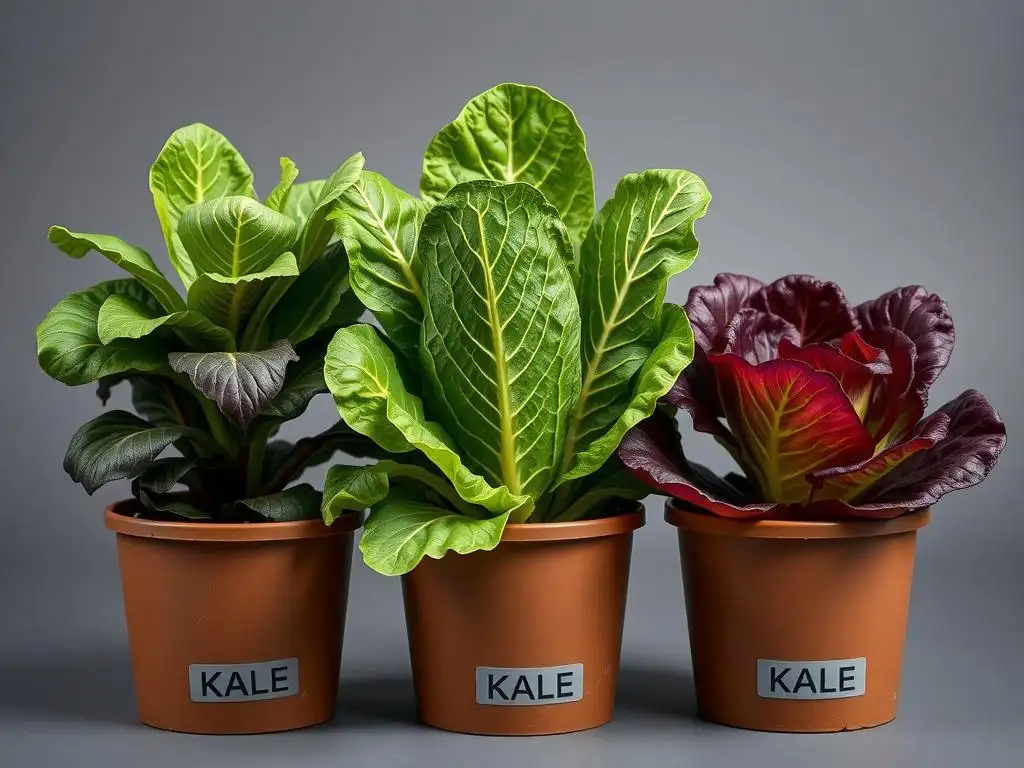
This section focuses on visually identifying nutrient deficiencies in your leafy greens, a crucial first step in implementing a successful fix leafy greens nutrient deficiency strategy. Accurate diagnosis is key to providing the right nutrients and preventing further damage to your plants. Remember, healthy leafy greens are vibrant, robust, and full of life! Let's explore the tell-tale signs.
Yellowing Leaves (Chlorosis): A Sign of Multiple Deficiencies
Yellowing leaves, or chlorosis, is a common symptom indicating a problem with nutrient uptake. However, it's not a precise indicator of a single deficiency. Multiple factors can cause this, including deficiencies in nitrogen (N), iron (Fe), sulfur (S), potassium (K), or magnesium (Mg), or even a combination thereof. The location of yellowing often provides clues:
- General yellowing: This often suggests a nitrogen deficiency. Nitrogen is crucial for chlorophyll production, and a lack of it results in pale, yellow leaves across the entire plant. Young leaves are usually affected first.
- Yellowing between leaf veins: This often points towards a deficiency in iron or magnesium. Iron deficiency typically manifests as yellowing between the veins, leaving the veins themselves green. Magnesium deficiency often shows similar interveinal chlorosis, but it usually starts on the older leaves.
- Uniform yellowing with stunted growth: This could indicate a more severe problem, potentially involving multiple deficiencies or a root issue hindering nutrient absorption.
To differentiate between these, consider the following:
| Nutrient Deficiency | Symptoms | Additional Observations |
|---|---|---|
| Nitrogen (N) | General yellowing, stunted growth, pale leaves | Older leaves may be affected first in some cases. |
| Iron (Fe) | Interveinal chlorosis, young leaves affected first | Leaves may appear pale yellow or white between veins. |
| Magnesium (Mg) | Interveinal chlorosis, older leaves affected first | Leaf edges may curl or become brittle. |
| Sulfur (S) | General yellowing, similar to nitrogen deficiency | Young leaves are usually more affected. |
It's crucial to remember that these are just indicators. Soil testing is often necessary for a conclusive diagnosis and to precisely fix leafy greens nutrient deficiency.
Browning or Necrosis: Identifying Specific Nutrient Shortages
Browning or necrosis (tissue death) indicates more severe nutrient deficiencies or other stress factors. The pattern of browning can help pinpoint the specific nutrient your plants lack.
- Leaf margins browning: This could indicate a potassium (K) deficiency. Potassium is crucial for water regulation and stress tolerance, and its deficiency often leads to leaf edge burning.
- Necrosis at leaf tips: This can be a symptom of both potassium (K) and calcium (Ca) deficiencies. Calcium is essential for cell wall development. A deficiency can lead to weak, brittle tissues prone to necrosis.
- Spotting or blotching: This can indicate a variety of deficiencies, including manganese (Mn), zinc (Zn), or copper (Cu), and often requires more advanced diagnostics.
The severity of browning and necrosis should be considered. Small, isolated spots may be less concerning than widespread browning across multiple leaves.
Remember, prevention is better than cure. Regular soil testing and appropriate fertilization can prevent most nutrient deficiencies.
Stunted Growth and Poor Development: A Sign of Overall Nutrient Imbalance
Stunted growth, small leaves, and generally poor plant development are often indicative of an overall nutrient imbalance, rather than a single deficiency. This can be due to:
- Inconsistent fertilization: Erratic feeding practices can create nutrient imbalances, leading to inconsistent growth.
- Nutrient lockout: High soil pH or salinity can prevent plants from accessing essential nutrients, even if they are present in the soil.
- Root problems: Damaged or diseased roots can impede nutrient uptake, regardless of the soil's nutrient content.
Addressing stunted growth requires a holistic approach. Consider:
- Soil testing: Determine your soil's pH and nutrient levels.
- Improved fertilization practices: Follow a consistent fertilization schedule using a balanced fertilizer.
- Root health assessment: Check for root rot or other root-related issues.
Addressing these factors will help you cultivate healthy, thriving leafy greens. Remember to always observe your plants carefully and respond promptly to any signs of stress or nutrient deficiency to successfully fix leafy greens nutrient deficiency. 🌱
Fixing Leafy Greens Nutrient Deficiency: Solutions and Remedies
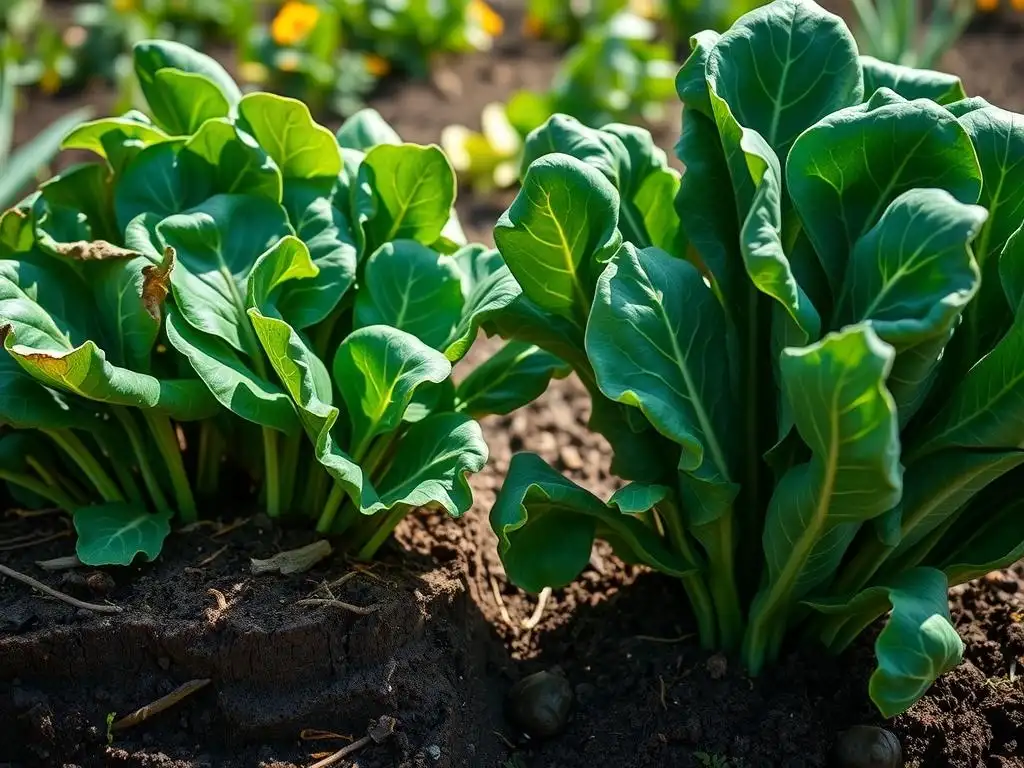
This section delves into practical solutions and remedies for addressing nutrient deficiencies in your leafy greens, ensuring a bountiful and healthy harvest. We'll explore diagnostic tools, organic soil amendments, and natural fertilizers to help you cultivate vibrant, nutrient-rich greens. Remember, preventing deficiencies is key, so consistent monitoring and proactive measures are crucial for success. This guide focuses on fixing leafy greens nutrient deficiency naturally and sustainably.
Soil Testing: The Foundation for Accurate Diagnosis and Treatment
Before implementing any solutions, accurate diagnosis is paramount. Soil testing provides invaluable insights into your soil's composition, revealing potential nutrient imbalances. Ignoring this crucial step can lead to ineffective treatments and wasted resources. A comprehensive soil test analyzes various parameters, including:
- pH level: Leafy greens thrive in slightly acidic to neutral soil (pH 6.0-7.0). A pH outside this range can hinder nutrient uptake.
- Macro-nutrients: Nitrogen (N), phosphorus (P), and potassium (K) are essential for vigorous growth. Deficiencies in these macronutrients manifest in distinct ways, as we'll discuss later.
- Micro-nutrients: Iron (Fe), manganese (Mn), zinc (Zn), boron (B), copper (Cu), and molybdenum (Mo) are vital in smaller quantities but are equally crucial. Deficiencies can lead to stunted growth and discoloration.
Several methods exist for soil testing. Home soil testing kits offer a convenient, albeit less precise, option. Professional soil testing labs provide more detailed and accurate results, offering tailored recommendations based on your specific soil conditions. The results from a professional lab can help you accurately address the specific leafy greens nutrient deficiency you're facing. Investing in a soil test is a small price to pay for a healthy and productive garden. Remember to sample your soil from multiple locations in your garden bed for a representative analysis.
Organic Soil Amendments: Enhancing Nutrient Availability
Once your soil test reveals nutrient deficiencies, organic soil amendments are your best allies in restoring soil health and improving nutrient availability to your leafy greens. These amendments not only provide nutrients but also improve soil structure, aeration, and water retention. Some effective options include:
- Compost: A rich source of organic matter, compost improves soil structure, increases water retention, and supplies a balanced range of nutrients. Mature compost is ideal, as it’s fully decomposed and less likely to harbor weed seeds or pests.
- Worm Castings (Vermicompost): These are the excretions of earthworms, incredibly rich in nutrients and beneficial microorganisms. They improve soil fertility and enhance nutrient uptake by plants.
- Aged Manure: Well-rotted manure from herbivores (like cows or horses) adds organic matter and essential nutrients. Ensure it's fully composted to avoid burning your plants.
- Rock Dust: A natural source of various minerals, including micronutrients, rock dust improves soil structure and provides long-term nutrient release.
The application rate of these amendments depends on the soil test results and the specific needs of your leafy greens. Generally, incorporating a few inches of compost or other organic matter into the soil before planting is beneficial. Topdressing with a thin layer of compost or worm castings throughout the growing season can provide ongoing nutrient replenishment. Addressing a leafy greens nutrient deficiency proactively with organic amendments is a key step to healthy plants.
Natural Fertilizers for Leafy Greens: Boosting Nutrient Levels
In addition to soil amendments, natural fertilizers can provide a targeted boost of specific nutrients. These fertilizers offer a gentle and sustainable way to address deficiencies without harming beneficial soil organisms or the environment. Consider these options:
- Seaweed Extract: A liquid fertilizer rich in micronutrients, seaweed extract promotes vigorous growth and enhances resilience to stress.
- Fish Emulsion: A liquid fertilizer derived from fish processing, it's a rich source of nitrogen and other essential nutrients. Use diluted solutions to avoid burning plants.
- Bone Meal: A slow-release phosphorus fertilizer, bone meal is ideal for promoting root development and flowering.
- Epsom Salts (Magnesium Sulfate): A readily available source of magnesium, Epsom salts can help correct magnesium deficiencies, which often manifest as yellowing between leaf veins.
| Fertilizer Type | Primary Nutrient(s) | Application Method | Notes |
|---|---|---|---|
| Seaweed Extract | Micronutrients | Foliar spray or soil drench | Dilute according to package instructions |
| Fish Emulsion | Nitrogen, others | Soil drench or foliar spray | Use diluted solution to avoid burning plants |
| Bone Meal | Phosphorus | Incorporate into soil | Slow-release fertilizer |
| Epsom Salts | Magnesium | Soil drench or foliar spray | Dilute according to package instructions |
Remember to always follow the manufacturer's instructions when using any fertilizer, whether organic or synthetic. Over-fertilizing can be just as detrimental as under-fertilizing. By carefully monitoring your plants and adjusting your fertilization strategy as needed, you can ensure that your leafy greens receive the nutrients they need to thrive. Regular soil testing and the use of natural fertilizers are key to fixing any leafy greens nutrient deficiency and achieving a successful harvest. 🌱
Adjusting Watering Practices: Optimizing Nutrient Uptake
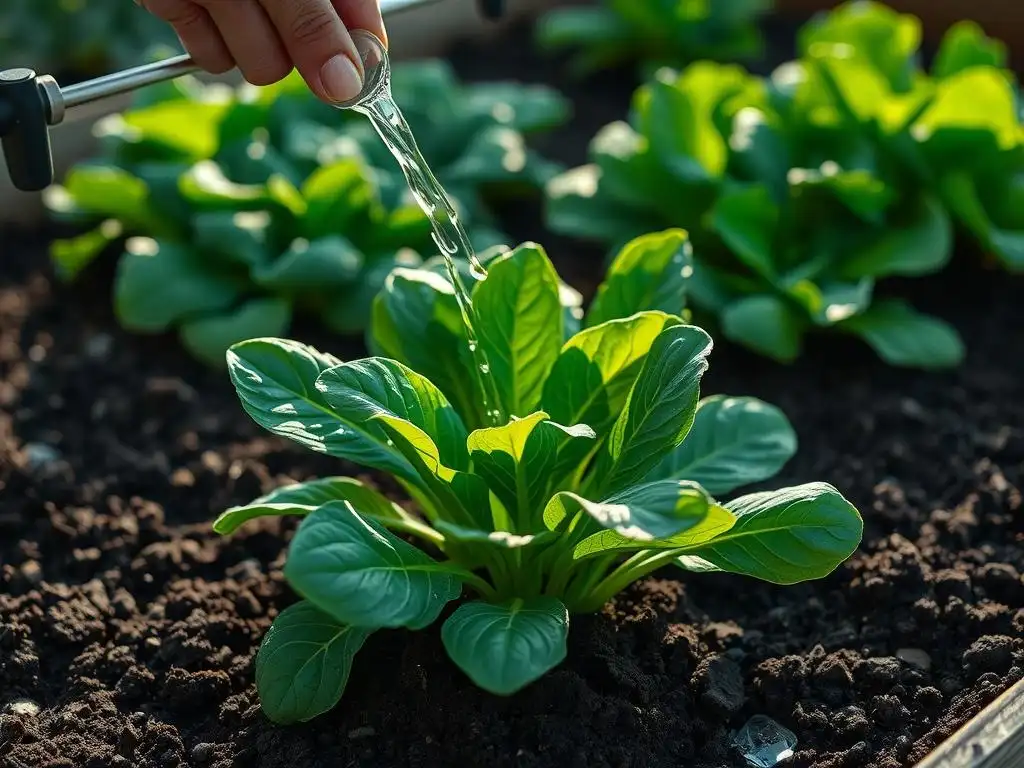
Proper watering is crucial for leafy greens to effectively absorb nutrients from the soil. Overwatering can lead to root rot, preventing nutrient uptake, while underwatering stresses the plants, hindering their ability to access available nutrients. The ideal watering technique involves consistently moist, but not soggy, soil. This requires careful observation of your specific growing conditions, including soil type, pot size (if applicable), and weather patterns. Clay soils, for example, retain moisture longer than sandy soils, requiring less frequent watering. Similarly, larger containers hold more water than smaller ones, impacting watering frequency.
Observing the soil's moisture level is key. Stick your finger about an inch into the soil; if it feels dry, it's time to water. Water deeply and thoroughly, ensuring the water reaches the roots. Avoid overhead watering, which can lead to fungal diseases. Instead, water at the base of the plants or use a soaker hose for even moisture distribution.
Consistent monitoring and adjustment based on environmental factors are vital for optimizing nutrient uptake and ensuring healthy leafy green growth. Remember, the goal is to maintain consistently moist soil, avoiding both drought and waterlogging. Regularly checking your plants for signs of wilting or yellowing leaves can also help you fine-tune your watering schedule. These signs can indicate either underwatering or overwatering, prompting you to adjust your watering practices accordingly to improve nutrient absorption.
Compost Tea: A Natural Nutrient Booster for Leafy Greens
Compost tea is a fantastic organic solution to boost nutrient levels in your leafy greens. It's a liquid extract brewed from compost, teeming with beneficial microbes that enhance nutrient availability and soil health. These microbes break down organic matter, releasing essential nutrients like nitrogen, phosphorus, and potassium in forms readily absorbed by plants. Moreover, they improve soil structure, promoting better aeration and water retention – all crucial factors influencing nutrient uptake. The application of compost tea is a sustainable practice that enhances the overall health and vigor of your leafy greens, making them more resistant to pests and diseases.
Preparing compost tea is relatively simple. You'll need a container (a bucket works well), well-aerated compost, and water. Steep the compost in water for 24-72 hours, ensuring adequate aeration by using an air pump or simply stirring regularly.
The resulting liquid is rich in beneficial microbes and readily available nutrients. Apply the compost tea directly to the soil around your leafy greens, avoiding direct contact with leaves to prevent fungal growth. You can apply it weekly or bi-weekly, adjusting the frequency based on your plants' needs and the overall health of your soil.
Remember to always use fresh compost tea, as its microbial activity diminishes over time. By consistently using compost tea, you’ll not only improve nutrient availability but also create a thriving soil ecosystem that supports healthy, vibrant leafy greens, naturally addressing and preventing nutrient deficiencies. This organic approach is a great way to "fix leafy greens nutrient deficiency" sustainably.
Preventing Future Nutrient Deficiencies in Leafy Greens
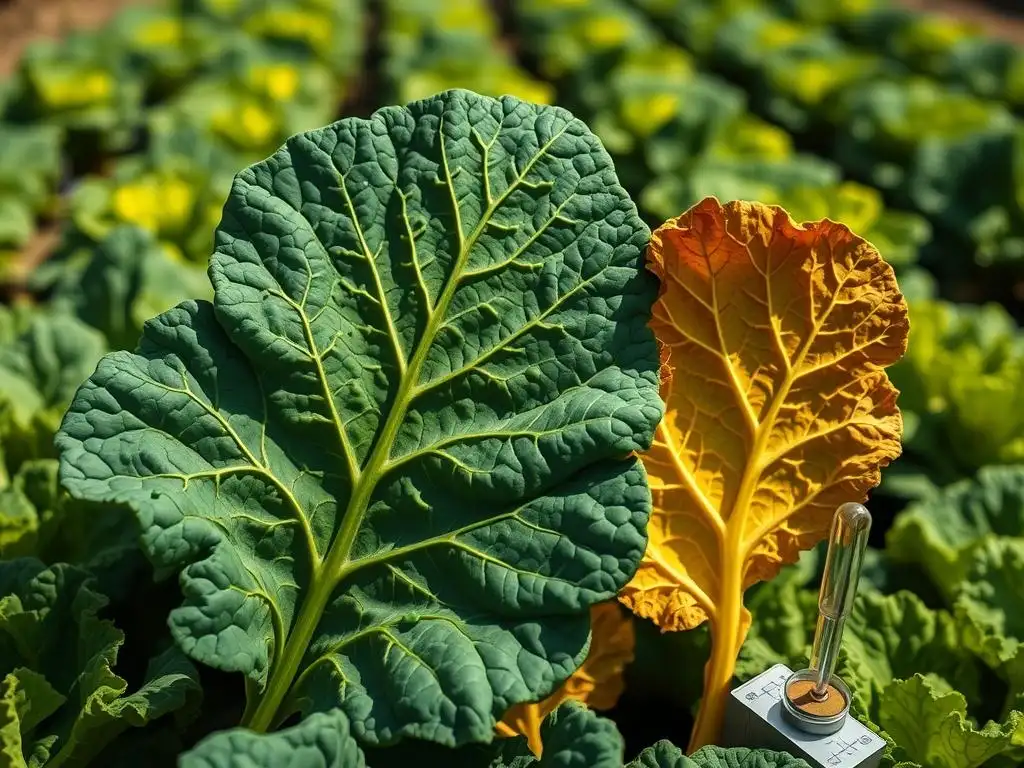
Once you've identified and addressed a nutrient deficiency in your leafy greens, the next crucial step is preventing it from happening again. Proactive measures are far more effective than reactive treatments. This section focuses on sustainable and organic practices to ensure your leafy greens thrive with vibrant, healthy growth year after year.
We'll explore soil selection, crop rotation, and companion planting—key strategies for maintaining a nutrient-rich environment for your plants. Mastering these techniques will significantly reduce the risk of future nutrient deficiencies and contribute to a bountiful harvest. Learning to fix leafy greens nutrient deficiency is only half the battle; preventing it is the true victory!
Choosing the Right Soil: Starting with a Nutrient-Rich Base
The foundation of healthy leafy greens is nutrient-rich soil. Choosing the right soil type and amending it appropriately is paramount. Avoid using compacted or infertile soil, as this will severely limit your plants' access to essential nutrients. A well-draining soil with good organic matter content is ideal. This allows for optimal water retention and aeration, crucial for healthy root development.
Consider these factors when selecting or amending your soil:
- Soil Testing: Before planting, conduct a soil test to determine its pH level and nutrient composition. This provides a baseline understanding of your soil's strengths and weaknesses. Many local agricultural extension offices offer affordable soil testing services.
- Organic Matter: Incorporate plenty of organic matter, such as compost, aged manure, or leaf mold. This improves soil structure, water retention, and nutrient availability. Aim for a minimum of 2-3 inches of compost mixed into the top layer of soil.
- pH Level: Leafy greens generally prefer a slightly acidic to neutral pH range (6.0-7.0). Amend your soil with lime to raise the pH if it's too acidic, or with sulfur to lower it if it's too alkaline.
- Specific Nutrient Needs: Leafy greens are heavy feeders, particularly requiring nitrogen (N), potassium (K), and phosphorus (P). Ensure your soil has sufficient levels of these macronutrients. You can amend the soil with appropriate fertilizers, but organic options are preferred for sustainable practices.
Crop Rotation: Preventing Nutrient Depletion
Crop rotation is a cornerstone of sustainable gardening. By rotating your crops annually, you prevent the depletion of specific nutrients in the soil and reduce the build-up of soilborne diseases and pests. Different plants have varying nutrient needs, and rotating them helps maintain a balanced nutrient profile.
For example:
| Year | Crop | Primary Nutrients Used |
|---|---|---|
| 1 | Leafy Greens | Nitrogen, Potassium |
| 2 | Legumes (beans) | Nitrogen |
| 3 | Root Vegetables | Phosphorus, Potassium |
| 4 | Leafy Greens | Nitrogen, Potassium |
Rotating leafy greens with nitrogen-fixing legumes (like beans or peas) is particularly beneficial. Legumes enrich the soil with nitrogen, reducing the need for nitrogen-based fertilizers in subsequent years, reducing the chances of encountering nitrogen deficiency in your leafy greens.
Companion Planting: Synergistic Nutrient Relationships
Companion planting involves growing different plant species together to enhance their growth and health. Certain plant combinations create synergistic relationships, improving nutrient uptake and reducing the risk of nutrient deficiencies. For example:
- Marigolds: Planting marigolds near leafy greens can deter pests and improve soil health.
- Chamomile: Chamomile acts as a soil conditioner, improving drainage and nutrient availability.
- Calendula: Calendula adds organic matter to the soil and helps repel certain pests.
The benefits of companion planting extend beyond pest control. Some plants release nutrients into the soil, benefiting neighboring plants. Proper companion planting can create a more balanced and resilient ecosystem in your garden, reducing the likelihood of nutrient deficiencies in your leafy greens. Careful selection of companion plants can contribute significantly to your success in growing healthy, nutrient-rich leafy greens. Remember to research the specific needs and benefits of different companion plant combinations before implementing them in your garden.
Sustainable Gardening Practices: Long-Term Soil Health
Maintaining the vitality of your leafy greens hinges on establishing and preserving healthy soil. Sustainable gardening practices are paramount in preventing future nutrient deficiencies. Healthy soil is teeming with beneficial microorganisms that break down organic matter, releasing essential nutrients for your plants. Ignoring soil health is like neglecting the foundation of a house – eventually, it will crumble.
One crucial aspect is composting. Composting kitchen scraps and yard waste creates a rich, nutrient-rich amendment that improves soil structure, aeration, and water retention. This natural fertilizer provides a slow release of nutrients, preventing the rapid depletion that often leads to deficiencies. Aim for a consistent composting regime, adding finished compost to your garden beds before planting. A good rule of thumb is to incorporate at least 2-3 inches of compost per year.
Furthermore, crop rotation is a powerful tool. Rotating different plant families each year helps prevent the depletion of specific nutrients. Leafy greens are heavy feeders, so alternating them with legumes (like beans or peas), which fix nitrogen in the soil, is particularly beneficial. This natural nitrogen replenishment reduces the need for synthetic fertilizers, promoting a healthier and more sustainable ecosystem within your garden. Careful planning of your crop rotation can significantly reduce the risk of recurring nutrient deficiencies in your leafy greens. Consider a three-year rotation plan to maximize its impact.
Finally, avoid excessive tillage. Excessive tilling disrupts the soil structure, damaging beneficial microorganisms and reducing organic matter. This can lead to nutrient imbalances and make your soil more susceptible to erosion and nutrient leaching. Instead, opt for no-till or minimal-till gardening techniques, which preserve the soil's delicate ecosystem and enhance its ability to retain nutrients. The healthier your soil, the healthier your leafy greens will be, minimizing the need for reactive interventions to correct nutrient deficiencies.
Regular Monitoring and Prevention: Maintaining Healthy Leafy Greens
Regular monitoring is key to preventing nutrient deficiencies before they become significant problems. Early detection allows for timely intervention, preventing widespread damage to your crops. Visual inspection is your first line of defense. Learn to recognize the telltale signs of nutrient deficiency in leafy greens – yellowing leaves, stunted growth, or discoloration – and address them promptly. For instance, pale green or yellowing leaves often indicate nitrogen deficiency, while reddish or purplish leaves might signal phosphorus deficiency.
Beyond visual inspection, regular soil testing provides a more precise assessment of nutrient levels. Soil testing kits are readily available, offering valuable information on the overall health of your soil and its nutrient content. These tests can identify specific deficiencies before they become visible in your plants. Conduct soil tests at least once a year, preferably before planting, to ensure your soil is adequately prepared. Adjust your fertilization strategy based on the test results, avoiding over-fertilization, which can also harm your plants.
Implementing a preventative fertilization strategy is equally important. Instead of waiting for deficiencies to appear, provide your leafy greens with a balanced supply of essential nutrients throughout their growing season. Use organic fertilizers, such as compost tea or fish emulsion, to supplement your soil and provide a continuous source of nutrients. This proactive approach helps maintain optimal nutrient levels, reducing the risk of deficiencies and fostering healthy, vigorous growth.
Remember to follow the instructions on the fertilizer packaging to avoid over-application. Healthy plants are less susceptible to diseases and pests, further contributing to a thriving garden. By combining proactive monitoring and preventative measures, you can significantly reduce the likelihood of encountering nutrient deficiencies in your leafy greens.
Frequently Asked Questions
What are the common signs of nutrient deficiency in leafy greens?
Leafy greens showing nutrient deficiencies often exhibit yellowing leaves (chlorosis), stunted growth, or unusual leaf coloration. These symptoms can vary depending on the specific nutrient lacking.
How can I tell which nutrient my leafy greens are lacking?
Visual symptoms can be a guide, but a soil test is the most accurate way to determine specific nutrient deficiencies. Consider also the plant's growth stage and overall health.
What are the best ways to fix a nutrient deficiency in my leafy greens?
Addressing deficiencies involves soil amendment, using organic fertilizers rich in the missing nutrients (e.g., compost, worm castings). Foliar feeding can provide a quick boost, but soil amendment is crucial for long-term health.
Which nutrients are most commonly deficient in leafy greens?
Nitrogen, potassium, and magnesium are frequently deficient. Nitrogen is vital for leaf growth, potassium for disease resistance, and magnesium for chlorophyll production.
Can I prevent nutrient deficiencies in my leafy greens?
Yes! Regular soil testing, using high-quality compost, and implementing a crop rotation plan are proactive steps. Choose appropriate varieties for your soil and climate.
Final Reflection: Cultivating Vibrant Life Through Nutrient-Rich Greens
The quest for vibrant, healthy leafy greens is more than just a gardening pursuit; it's a reflection of our own well-being. Understanding and addressing nutrient deficiencies in our plants mirrors our own need for balanced nutrition, highlighting the interconnectedness of our health and the health of the environment. The vitality of our greens directly reflects the care we provide, both to the plants themselves and to the soil that sustains them.
The journey of understanding nutrient deficiencies in leafy greens has been a profound one, revealing the intricate dance between soil health, plant physiology, and ultimately, human nutrition. We are what we eat, and so are our plants.
This simple truth underscores the importance of providing our greens with the essential building blocks they need to thrive, mirroring our own need for a balanced diet. The impact extends beyond our plates; healthy soil supports a healthy ecosystem, reminding us of our responsibility as stewards of the land.
Now, consider your own garden – be it a window box or a sprawling backyard. What steps can you take to ensure your leafy greens receive the nutrients they need? Embrace the opportunity to cultivate not just healthy plants, but also a deeper understanding of the interconnectedness of life. By nurturing the soil and providing the right conditions, you're not just growing food; you're cultivating a vibrant, sustainable future, one healthy leaf at a time.
Unlock Your Garden's Potential: Grow Healthier Greens!
Thanks for exploring the world of nutrient-rich leafy greens! We hope you feel empowered to cultivate a thriving garden. Ready to put your knowledge into practice?
- Start with a soil test! Understanding your soil's composition is crucial for growing healthy greens. This allows you to create a fertilization plan tailored for optimal growth.
- Share your gardening successes with our community on social media using #CultivateYourGreens – inspire others!
- Explore our extensive library of resources on organic gardening techniques for tips and tricks to grow delicious leafy greens.
What technique will you try first to boost your greens' nutrient levels? Let us know in the comments below!