
Is Your Soil Lacking? Quick Tests for Nutrient Deficiencies at Home

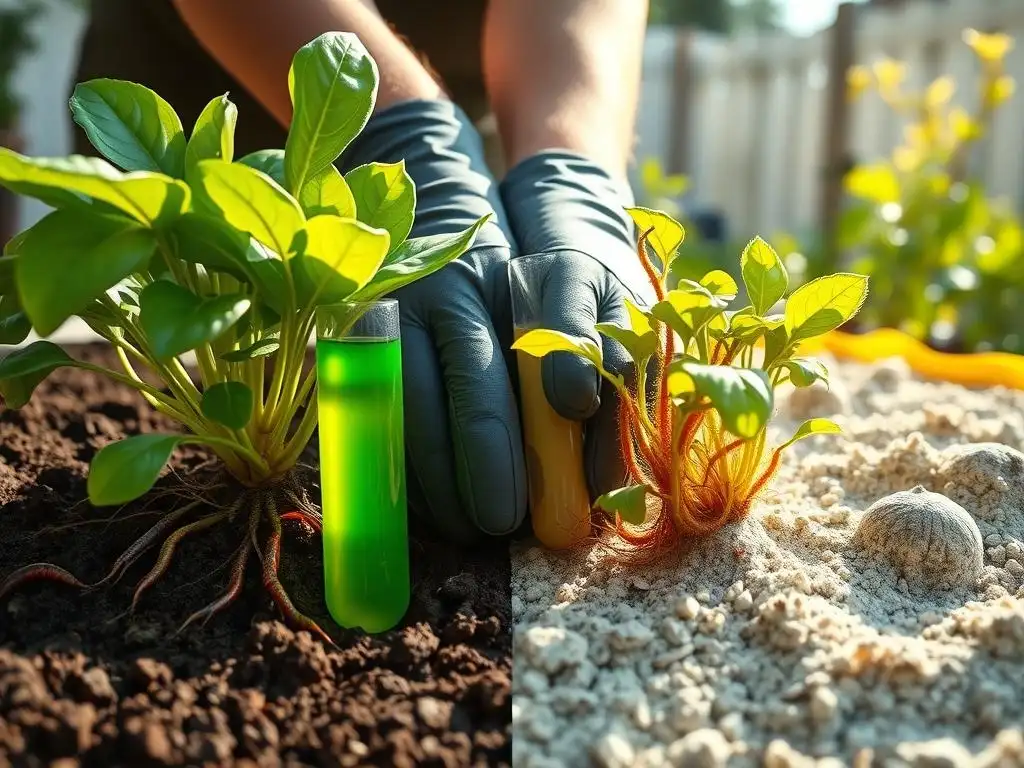
Ready to unlock the secrets to a thriving home garden? At CultivateYourFood, we empower you to grow your own delicious and healthy produce using sustainable methods. But first, are your plants getting everything they need? Learn how to easily perform a home soil nutrient deficiency test and discover the simple steps to address any imbalances before they impact your harvest. Let's dive in and ensure your garden flourishes!
- Understanding Home Soil Nutrient Deficiency Tests
- Simple Home Soil Tests for Nutrient Deficiencies
- Interpreting Your Home Soil Test Results
- Addressing Nutrient Deficiencies in Your Home Garden
- Advanced Home Soil Testing Methods (Optional)
-
Frequently Asked Questions
- How can I tell if my home garden soil has nutrient deficiencies?
- What are the common nutrient deficiencies in home gardens?
- Are home soil nutrient deficiency tests accurate?
- What should I do if my home soil test reveals nutrient deficiencies?
- Where can I find reliable information on soil nutrient deficiencies and remediation?
- Final Reflection: Cultivating Healthy Soil, Cultivating a Healthier Future
- Unlock Your Soil's Potential: Simple Steps to Healthier Plants
Understanding Home Soil Nutrient Deficiency Tests
Knowing the nutritional content of your soil is crucial for successful gardening, especially when practicing sustainable and organic methods. A healthy soil provides the foundation for thriving fruits, vegetables, and herbs. This article will guide you through simple, at-home tests to identify nutrient deficiencies in your soil, allowing you to address imbalances and cultivate a bountiful harvest.
We'll explore common deficiencies, their visual manifestations in plants, and how early detection can prevent significant yield losses and promote healthier plant growth. Mastering these techniques will empower you to cultivate a thriving garden, year after year, using only sustainable and organic practices. This is key to understanding the health of your plants and optimizing your growing techniques for a truly successful harvest.
Learning to perform a home soil nutrient deficiency test is a valuable skill for any home gardener committed to organic, sustainable practices. Let's delve into the methods and insights that will elevate your gardening game!
Why Test Your Soil for Nutrient Deficiencies?
Regular soil testing is paramount for maintaining a healthy and productive garden. Neglecting this crucial step can lead to a cascade of problems, ultimately impacting the yield and quality of your crops. Think of your soil as the lifeblood of your plants; without the proper nutrients, they simply cannot thrive. Ignoring nutrient deficiencies can result in:
- Reduced yields: Plants lacking essential nutrients will produce fewer fruits, vegetables, or herbs.
- Poor plant health: Deficiencies weaken plants, making them more susceptible to diseases and pests. A weakened plant is an easy target.
- Stunted growth: Plants may struggle to reach their full potential size, leading to smaller harvests.
- Suboptimal quality: Nutrient deficiencies can impact the taste, color, and nutritional value of your produce.
- Wasted resources: Applying the wrong fertilizers can be a waste of money and potentially harmful to the environment.
By conducting regular soil tests, you can proactively address nutrient imbalances, ensuring your plants receive the optimal nutrition they need to flourish. Knowing what your soil lacks is just as important as knowing what it has. This proactive approach is central to sustainable and organic gardening practices. Think of it as preventative medicine for your garden! 🌱
Common Nutrient Deficiencies in Home Gardens: Nitrogen, Phosphorus, Potassium
Nitrogen (N), phosphorus (P), and potassium (K) are the three macronutrients most commonly deficient in home gardens. These elements play vital roles in plant growth and development. Let's look at the signs of deficiency for each:
| Nutrient | Deficiency Symptoms | Impact on Plant Growth |
|---|---|---|
| Nitrogen (N) | Yellowing of older leaves, stunted growth, pale green color | Reduced growth, smaller leaves and fruits, delayed maturity |
| Phosphorus (P) | Dark green or purplish leaves, stunted root growth, poor flowering | Slow growth, delayed flowering and fruiting, weak stems |
| Potassium (K) | Yellowing or browning of leaf margins, weak stems, poor fruit development | Reduced fruit size and quality, increased susceptibility to disease |
Understanding these symptoms allows you to quickly identify potential problems and take corrective action. Remember, a balanced approach is key, and sometimes the problem might not be a lack of something, but an excess of something else.
Visual Clues of Nutrient Deficiencies in Plants
Beyond the macronutrients, several other micronutrients can impact plant health. Visual cues are often the first indicators of a problem. While soil tests provide quantitative data, visual observations offer valuable qualitative information. Look for these common signs:
- Chlorosis (Yellowing): This is a general symptom of nutrient deficiency, often indicating a lack of nitrogen, iron, magnesium, or sulfur. The location of yellowing (older or younger leaves) can help pinpoint the specific nutrient.
- Necrosis (Browning or Death): Browning or dead leaf tissue often points to potassium, calcium, or magnesium deficiency.
- Leaf Curling or Distortion: This can be caused by various deficiencies, including boron, magnesium, or manganese.
- Stunted Growth: Overall slow growth, combined with other visual symptoms, is a strong indicator of nutrient imbalance.
- Purple coloration: This can indicate phosphorus deficiency, but it can also be a normal response to cold temperatures in some plants.
Careful observation of your plants is a fundamental aspect of successful gardening. By combining visual inspection with soil testing, you can accurately diagnose and address nutrient deficiencies, ensuring a healthy and productive garden. Remember, early detection is key! 🕵️♀️
Simple Home Soil Tests for Nutrient Deficiencies
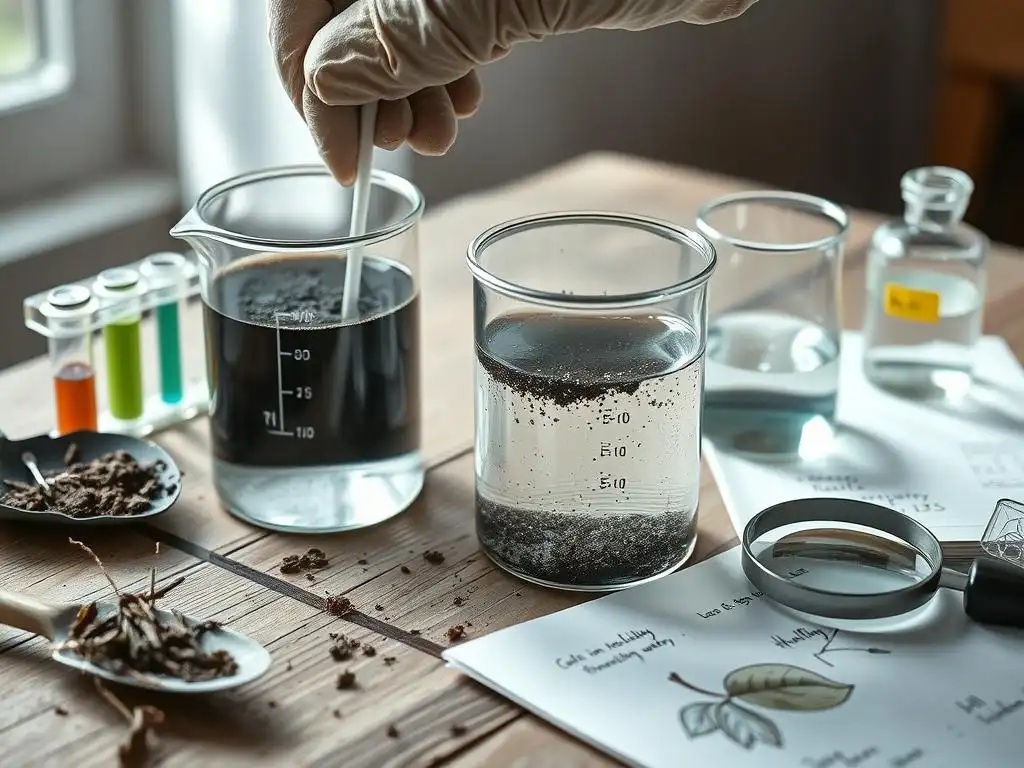
This section details simple, at-home methods to assess your soil's nutrient levels, helping you diagnose potential deficiencies before they severely impact your plants. These tests offer a preliminary understanding; for definitive results, professional soil testing is recommended. However, these simple tests are a great first step in your journey to understanding your home soil nutrient deficiency and improving its health. Remember, healthy soil is the foundation for thriving plants!
The "Vinegar Test" for Soil pH and Nutrient Availability
The vinegar test provides a quick assessment of your soil's pH level. Soil pH influences nutrient availability; plants can struggle to absorb essential nutrients if the pH is too high or too low. This test doesn't pinpoint specific nutrient deficiencies but gives an indication of overall soil health.
To perform this test, you'll need:
- A small sample of dry soil
- White vinegar (acetic acid)
- A small container
Procedure:
- Place a small amount of soil (approximately 1/4 cup) into the container.
- Pour a small amount of vinegar over the soil.
- Observe the reaction. If the soil fizzes and bubbles vigorously, it indicates an alkaline pH (high pH). If there's little or no reaction, it suggests an acidic pH (low pH).
Interpretation:
- Vigorous fizzing: Indicates alkaline soil (high pH). Many nutrients become less available in alkaline soil. Consider amending your soil with organic matter like compost to lower the pH.
- Little to no fizzing: Suggests acidic soil (low pH). Certain nutrients are less available in acidic soil. Liming your soil can help raise the pH.
Remember, this is a rudimentary test. The intensity of the fizzing doesn't directly correlate to the exact pH value. For precise pH measurement, a soil pH meter or a professional soil test is recommended. This simple home soil nutrient deficiency test provides a valuable initial assessment.
DIY Soil Texture Test: Assessing Drainage and Nutrient Retention
Soil texture significantly impacts drainage and nutrient retention, both crucial factors for plant health. A simple test can help you determine if your soil is predominantly sandy, silty, or clayey, which affects its ability to hold water and nutrients.
Materials needed:
- A small sample of your soil
- A clear jar
- Water
Procedure:
- Fill the jar about halfway with your soil sample.
- Add water until the jar is almost full.
- Seal the jar tightly and shake vigorously for about a minute.
- Let the jar sit undisturbed for 24 hours.
Observation:
After 24 hours, you'll observe distinct layers:
- Top Layer (Sand): Large particles that settle quickly. Sandy soils drain quickly but hold few nutrients.
- Middle Layer (Silt): Medium-sized particles that settle more slowly. Silty soils have moderate drainage and nutrient retention.
- Bottom Layer (Clay): Fine particles that settle very slowly, often remaining suspended in the water. Clay soils drain poorly but retain nutrients well.
Interpretation:
The proportion of each layer indicates your soil's texture. For instance, a soil with a large sand layer and small clay layer indicates sandy soil, while a soil with a significant clay layer suggests heavy clay soil. Understanding your soil's texture helps you determine appropriate amendments to improve drainage or nutrient retention. This simple home soil nutrient deficiency test allows you to tailor your gardening practices to your specific soil type.
Observing Plant Growth and Leaf Color for Nutrient Deficiency Indicators
Visual inspection of your plants is a crucial, albeit indirect, method for detecting nutrient deficiencies. Specific nutrient deficiencies often manifest as distinct visual symptoms in plant growth and leaf coloration. While not a definitive test, observant gardeners can often identify potential problems early.
Leaf Chlorosis (Yellowing): Yellowing leaves, especially between leaf veins, can indicate a deficiency in nitrogen (N), iron (Fe), magnesium (Mg), or sulfur (S). The specific pattern of yellowing often suggests the deficient nutrient.
Necrosis (Leaf Browning or Death): Browning or dead leaf tissue can point to potassium (K), calcium (Ca), or phosphorus (P) deficiencies.
Stunted Growth: Overall poor growth, small leaves, or weak stems can indicate a general nutrient imbalance. This can also point to a deficiency in multiple nutrients.
Other Visual Clues: Other signs may include discoloration in specific parts of the plant, such as leaf margins or the tips of leaves. The specific pattern of discoloration can offer clues to the type of nutrient deficiency.
Important Note: Visual symptoms can sometimes overlap, making diagnosis challenging. Consider combining visual observations with other home soil nutrient deficiency tests, or consulting with a gardening expert for a more precise diagnosis. Careful observation is key to early identification and timely intervention. This valuable information, coupled with soil testing, ensures healthy plant growth.
The "Compost Tea" Test: Assessing Microbial Activity and Nutrient Cycling
This simple test doesn't directly measure specific nutrient levels but provides valuable insight into the overall health and activity of your soil's microbial community, a key indicator of nutrient availability. A thriving microbial population is crucial for nutrient cycling – the process by which organic matter is broken down, releasing essential nutrients for plant uptake. A weak microbial community often points to nutrient deficiencies or imbalances, even if the soil initially appears rich in certain elements.
To perform this test, you'll need a sample of your soil and some water. First, prepare a weak "compost tea" by steeping a handful of good quality compost in a gallon of water for 24 hours. This solution will contain a concentrated population of beneficial microbes. Next, add a small amount of your soil sample (approximately one cup) to a clear glass jar. Pour in the compost tea until the soil is fully submerged. Seal the jar and let it sit in a warm, dark place for a few days.
Observe the jar regularly. A healthy soil sample will show increased microbial activity, indicated by cloudiness or a slightly murky appearance in the water. You might even see bubbles forming, a sign of active decomposition. If the water remains relatively clear, it suggests low microbial activity, hinting at potential nutrient deficiencies or soil compaction hindering microbial life. The smell can also be a good indicator; a pleasant, earthy aroma is a positive sign, while foul odors might suggest anaerobic conditions (lack of oxygen) and unhealthy soil.
Remember, this test is not a precise measure of specific nutrients. It’s a holistic assessment of soil health. A negative result doesn't necessarily mean your soil is completely devoid of nutrients, but it strongly suggests the need for improvements to enhance microbial activity and nutrient cycling. Consider adding compost, aged manure, or other organic amendments to boost the microbial population and improve overall soil health. A thriving soil microbiome is the foundation for healthy plant growth and nutrient uptake.
Interpreting Your Home Soil Test Results
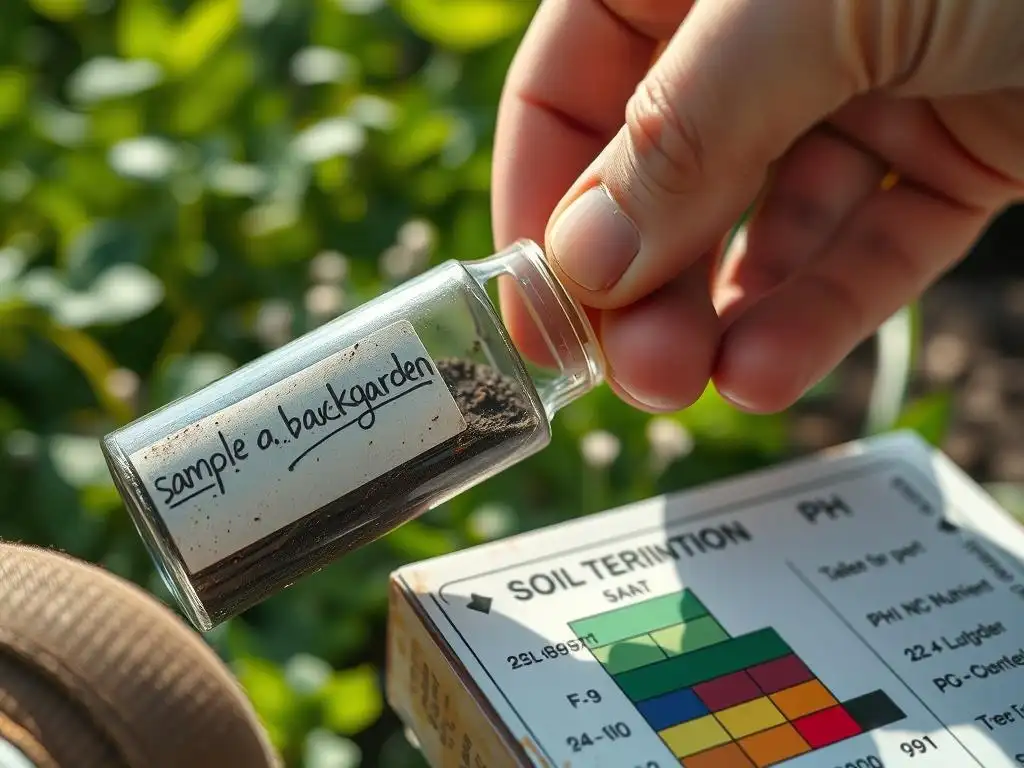
This section focuses on understanding the results you obtain from your home soil nutrient deficiency test. Accurate interpretation is crucial for effective soil amendment and successful plant growth. Remember, while home tests offer a valuable snapshot of your soil's health, they may not be as precise as professional laboratory analyses. Use these interpretations as a guide to inform your gardening decisions.
Understanding pH Levels and Their Impact on Nutrient Uptake
Soil pH significantly influences nutrient availability. The pH scale ranges from 0 to 14, with 7 being neutral. Values below 7 indicate acidity, while values above 7 indicate alkalinity. Most plants thrive in a slightly acidic to neutral pH range (6.0-7.0), although this varies depending on the specific plant species.
Understanding your soil's pH is paramount because it directly affects nutrient uptake. For instance, phosphorus (P) becomes less available in alkaline soils (pH > 7.0), hindering root development and overall plant vigor. Conversely, iron (Fe) and manganese (Mn) become less available in alkaline soils, leading to chlorosis (yellowing of leaves). Similarly, in highly acidic soils (pH < 5.0), the availability of molybdenum (Mo) and calcium (Ca) can be significantly reduced.
Here's a simplified table showing the impact of pH on nutrient availability:
| Nutrient | Optimal pH Range | Effect of Low pH | Effect of High pH |
|---|---|---|---|
| Phosphorus (P) | 6.0 - 7.0 | Slightly reduced availability | Significantly reduced availability |
| Potassium (K) | 6.0 - 7.0 | Slightly reduced availability | Slightly reduced availability |
| Nitrogen (N) | 6.0 - 7.0 | Reduced availability | Reduced availability |
| Iron (Fe) | 6.0 - 7.0 | Increased availability | Significantly reduced availability |
| Manganese (Mn) | 6.0 - 7.0 | Increased availability | Significantly reduced availability |
| Molybdenum (Mo) | 6.0 - 7.0 | Significantly reduced availability | Increased availability |
| Calcium (Ca) | 6.0 - 7.0 | Slightly reduced availability | Increased availability |
Addressing pH imbalances often involves amending your soil with materials like lime (to raise pH) or elemental sulfur (to lower pH). Always follow product instructions carefully and consider conducting a follow-up soil test after amendment to confirm effectiveness.
Deciphering Visual Cues: Leaf Color Charts and Deficiency Guides
While a home soil test provides valuable data, observing your plants directly can offer additional clues about potential nutrient deficiencies. Visual cues, such as leaf color changes, are often early indicators of nutrient imbalances. Many resources, including online guides and gardening books, provide leaf color charts that correlate specific color changes with potential nutrient deficiencies.
For example, nitrogen deficiency often manifests as a general yellowing of older leaves, while iron deficiency typically causes yellowing between leaf veins (interveinal chlorosis), leaving the veins green. Phosphorus deficiency might present as stunted growth and dark green or purplish leaves. Potassium deficiency can cause leaf margins to turn brown and crispy.
Remember that visual identification alone isn't foolproof. Multiple deficiencies can occur simultaneously, leading to complex symptoms. Combining visual observations with your home soil test results provides a more comprehensive understanding of your plants' nutritional needs. Using a combination of methods improves the accuracy of your diagnosis and treatment plan. This integrated approach ensures you address the underlying issue effectively.
Connecting Test Results to Specific Nutrient Deficiencies
Your home soil test results, combined with visual observations, will help you identify specific nutrient deficiencies. For example, if your test reveals low phosphorus levels and you observe stunted growth and dark-colored leaves, a phosphorus deficiency is likely. Similarly, low potassium levels coupled with browning leaf margins strongly suggest a potassium deficiency.
Remember, nutrient deficiencies are often interconnected. A deficiency in one nutrient can affect the uptake or utilization of others. For example, a severe phosphorus deficiency may inhibit the plant's ability to absorb other essential nutrients. Therefore, it's crucial to address identified deficiencies comprehensively, rather than focusing on a single nutrient in isolation. A holistic approach to soil health is key to successful cultivation. Consider using a balanced fertilizer that provides a range of essential nutrients, rather than solely focusing on the deficient nutrient(s) identified in your test. This multifaceted strategy promotes robust plant growth and resilience.
Addressing Nutrient Deficiencies in Your Home Garden
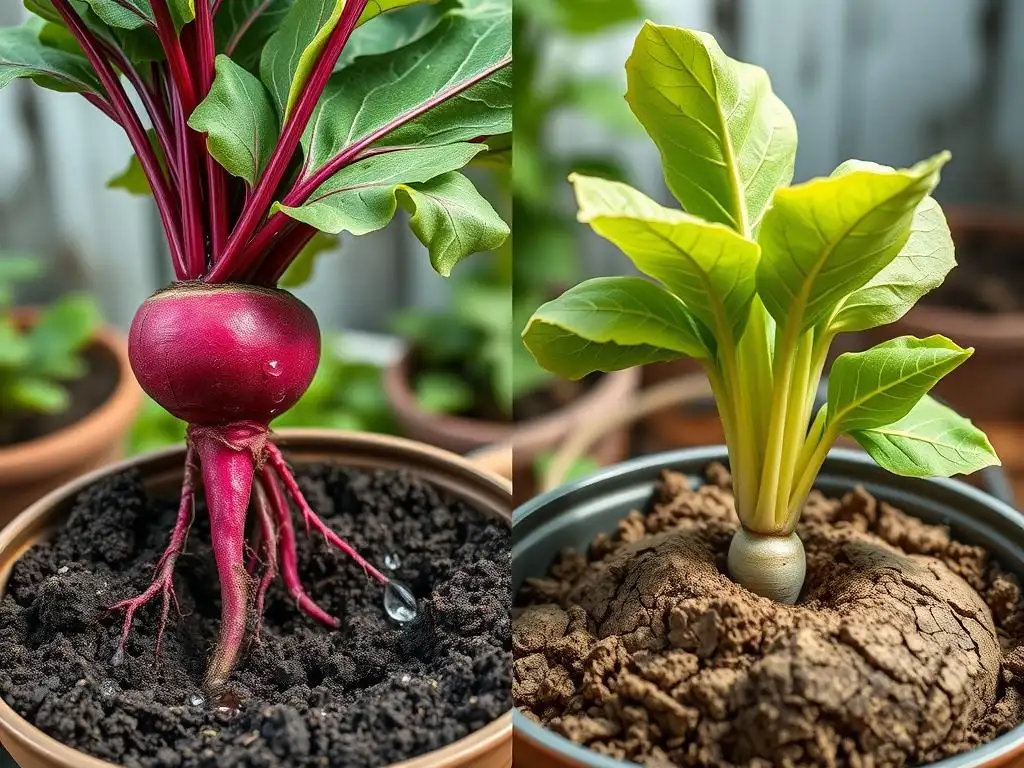
This section delves into practical solutions for addressing nutrient deficiencies identified through home soil testing. Understanding the specific deficiencies is crucial for effective remediation, preventing further damage to your plants and ensuring a bountiful harvest. Ignoring these deficiencies can lead to stunted growth, reduced yields, and increased susceptibility to pests and diseases. A holistic approach, incorporating both immediate and long-term strategies, is key to achieving thriving, healthy plants.
Natural Soil Amendments for Nutrient Enrichment: Compost, Worm Castings, etc.
Improving your soil's nutrient profile naturally is often the most sustainable and beneficial method. Organic amendments like compost and worm castings offer a slow-release source of essential nutrients, improving soil structure and water retention simultaneously. This contrasts sharply with the rapid release of nutrients found in many chemical fertilizers, which can lead to nutrient burn or leaching.
Compost, a product of decomposing organic matter, is a goldmine of nutrients. Its composition varies depending on the source materials, but generally provides a balanced blend of nitrogen, phosphorus, and potassium, alongside micronutrients crucial for plant health. A rich, dark compost indicates a high level of decomposition and nutrient availability. Aim for a compost that's crumbly and smells earthy, avoiding anything foul-smelling which may indicate improper composting techniques.
Worm castings, the excrement of earthworms, are even more concentrated in nutrients than compost. They are exceptionally rich in beneficial microorganisms which enhance soil health, boosting nutrient uptake by plant roots. Adding worm castings to your soil improves aeration and drainage, creating a more hospitable environment for root growth. The addition of these natural amendments not only addresses immediate nutrient deficiencies but also contributes to long-term soil fertility – a cornerstone of sustainable gardening. The benefits extend beyond simple nutrient provision; these amendments improve soil structure, leading to better water retention and aeration.
Choosing the Right Fertilizer for Your Plants' Needs
While natural amendments are ideal, sometimes a supplemental fertilizer is necessary to quickly correct severe deficiencies. Choosing the right fertilizer requires understanding the specific needs of your plants and the type of deficiency identified in your home soil nutrient deficiency test. Fertilizers are often labeled with three numbers (e.g., 10-10-10), representing the percentage of nitrogen (N), phosphorus (P), and potassium (K) by weight.
For example, a plant showing signs of nitrogen deficiency (yellowing leaves) might benefit from a fertilizer higher in nitrogen, such as a 20-10-10 blend. Conversely, phosphorus deficiency (stunted growth) might call for a fertilizer with a higher phosphorus number, like a 10-20-10 blend. Always follow the instructions on the fertilizer packaging carefully to avoid over-fertilizing, which can harm your plants.
Consider using slow-release fertilizers to minimize nutrient leaching and provide a consistent supply of nutrients over time. Organic fertilizers, such as bone meal (high in phosphorus) and blood meal (high in nitrogen), offer a slower release and are gentler on the environment. Remember, it's always best to address deficiencies with a combination of natural amendments and targeted fertilization, if needed, for optimal results.
Sustainable Practices for Long-Term Soil Health: Crop Rotation, Cover Crops
Addressing nutrient deficiencies is not a one-time fix; it's an ongoing process. Sustainable practices play a vital role in maintaining long-term soil health and preventing future deficiencies. Crop rotation, the practice of planting different crops in the same area each year, helps to prevent the depletion of specific nutrients. Different plants have different nutrient requirements, so rotating crops helps to maintain a balanced nutrient profile in the soil.
Cover crops, plants grown specifically to improve soil health, are another powerful tool. Legumes, such as clover and beans, are nitrogen-fixing plants, meaning they enrich the soil with nitrogen. Other cover crops can help improve soil structure, suppress weeds, and prevent erosion.
Planting cover crops during fallow periods (when the main crop isn't growing) prevents nutrient loss from the soil and provides a natural mulch when tilled under. Integrating these practices into your gardening routine contributes to a robust and fertile soil that is less susceptible to nutrient deficiencies, enhancing the overall health and productivity of your garden. The long-term benefits of these techniques far outweigh the initial effort, ensuring a thriving garden year after year.
Preventing Future Nutrient Deficiencies Through Soil Management
Preventing nutrient deficiencies is far more effective than constantly reacting to them. Proactive soil management is key to ensuring your plants have the nutrients they need, year after year. This involves a multi-pronged approach focusing on soil health and building organic matter. Healthy soil is teeming with beneficial microorganisms that help break down organic matter, making nutrients available to your plants. Ignoring soil health leads to a vicious cycle of deficiency, supplementation, and further depletion.
One of the most crucial aspects of preventing future deficiencies is regular soil testing. While home tests can provide a quick snapshot, professional lab tests offer more detailed information about your soil's composition, including pH levels, nutrient concentrations, and potential toxicities. Knowing this baseline allows you to tailor your soil management practices to your specific needs. For instance, if your soil consistently shows low levels of potassium, you can adjust your fertilization strategy accordingly.
Building and maintaining healthy soil structure is paramount. This involves incorporating ample organic matter, such as compost, well-rotted manure, or leaf mold. These materials not only add nutrients but also improve soil drainage, aeration, and water retention – all essential factors for healthy plant growth. Think of it like providing a nutrient-rich buffet for your plants, ensuring they have a constant supply of readily available food. Regularly adding organic matter also helps to prevent soil compaction, a common cause of nutrient deficiencies.
Crop rotation is another powerful tool in the fight against nutrient depletion. Rotating different plant families throughout your garden helps to prevent the depletion of specific nutrients. Different plants have different nutrient requirements, and rotating crops ensures that the soil isn't repeatedly stripped of the same essential elements. For example, heavy feeders like tomatoes benefit from being planted in areas where legumes (like beans or peas) were grown previously, as legumes fix nitrogen in the soil.
Finally, consider cover cropping. Planting cover crops during fallow periods helps to improve soil structure, prevent erosion, suppress weeds, and add nutrients back into the soil. Cover crops can be chosen based on their specific benefits; some are known for fixing nitrogen, while others excel at improving soil structure or suppressing specific pests.
Integrating these practices into your gardening routine ensures a thriving and nutrient-rich environment for years to come, minimizing the risk of future nutrient deficiencies and maximizing the health and productivity of your home garden. The payoff is healthier plants, abundant harvests, and a significantly reduced need for chemical fertilizers. This holistic approach to soil management not only benefits your plants but also contributes to a more sustainable and environmentally friendly gardening practice.
Advanced Home Soil Testing Methods (Optional)
While simple visual observations can often point towards nutrient deficiencies, more precise methods offer a deeper understanding of your soil's composition. These advanced techniques provide a more comprehensive picture, enabling targeted interventions for healthier plant growth. This section explores options beyond basic observation, focusing on readily accessible home testing methods and professional lab analysis. Understanding your soil's nutritional profile is crucial for successful home cultivation, maximizing yields and minimizing environmental impact. Effective home soil nutrient deficiency testing is key to achieving thriving gardens.
At-Home Soil Testing Kits: Accuracy and Limitations
At-home soil testing kits offer a convenient and relatively inexpensive way to assess your soil's nutrient levels. These kits typically involve collecting a soil sample, mixing it with a reagent provided in the kit, and comparing the resulting color change to a provided chart. This colorimetric analysis provides a general indication of the levels of key nutrients like nitrogen (N), phosphorus (P), and potassium (K), often represented as NPK values.
However, it's crucial to acknowledge the limitations of these kits. Their accuracy is often lower compared to professional lab analyses. The results provide a general overview, and might not detect subtle deficiencies or imbalances. Factors like soil pH, which significantly impacts nutrient availability, are often not comprehensively assessed in these simpler kits. For instance, a kit might indicate sufficient phosphorus, but if the soil pH is too high, the phosphorus might be unavailable to your plants, leading to deficiency symptoms.
Furthermore, the precision of these kits can vary widely depending on the manufacturer and the specific kit's design. Some kits are more comprehensive, testing for a wider range of micronutrients, while others focus only on the major nutrients. Always read reviews and compare different kits before making a purchase to find one that best suits your needs and budget. Remember, even with the best home kit, interpreting results requires some understanding of soil science principles.
Sending Soil Samples to a Professional Lab: Benefits and Costs
For the most accurate and detailed analysis of your soil's nutrient content, sending samples to a professional agricultural laboratory is the recommended approach. These labs utilize advanced techniques, such as spectrophotometry and atomic absorption spectroscopy, to determine the precise concentrations of various nutrients, including macro and micronutrients. This detailed analysis goes beyond simple NPK values, providing a comprehensive profile of your soil's chemical composition.
The benefits are clear: higher accuracy, more detailed information, and identification of potential problems that home tests might miss. This detailed information enables precise adjustments to your soil amendment strategy, optimizing nutrient levels for specific plants and minimizing waste. Professional soil testing also often includes an assessment of soil pH, organic matter content, and potential toxicity levels of heavy metals.
However, sending samples to a lab comes with higher costs compared to at-home kits. The cost varies depending on the specific tests requested and the laboratory's fees. Additionally, there is a time delay involved in receiving the results, as the samples need to be collected, shipped, and analyzed. Despite the higher cost and time investment, the detailed and accurate information obtained often justifies the expense, especially for serious gardeners or those cultivating high-value crops. For a truly comprehensive home soil nutrient deficiency test, professional lab analysis is often invaluable.
Frequently Asked Questions
How can I tell if my home garden soil has nutrient deficiencies?
Several signs indicate nutrient deficiencies, including yellowing leaves, stunted growth, and poor yields. You can also perform a simple home soil test (see article for details).
What are the common nutrient deficiencies in home gardens?
Common deficiencies include nitrogen, phosphorus, and potassium. These are vital for plant growth and can be identified through visual symptoms or soil testing.
Are home soil nutrient deficiency tests accurate?
Home tests offer a general indication of nutrient levels, providing a good starting point. For more precise results, consider a professional soil test from a local agricultural extension office.
What should I do if my home soil test reveals nutrient deficiencies?
Amend your soil with organic matter like compost. Use specific fertilizers targeting the identified deficient nutrients, following package instructions carefully.
Where can I find reliable information on soil nutrient deficiencies and remediation?
Our website, CultivateYourFood, provides comprehensive guides on sustainable gardening practices, including diagnosing and addressing soil nutrient deficiencies. You can also consult your local agricultural extension office for expert advice.
Final Reflection: Cultivating Healthy Soil, Cultivating a Healthier Future
Understanding your soil's nutritional needs is not just a gardening hobby; it's a crucial step towards ensuring food security and environmental sustainability. The simple, at-home tests outlined in this article offer a powerful tool for anyone, from seasoned gardeners to urban dwellers with a single potted plant, to actively participate in creating a healthier ecosystem. This knowledge empowers us to make informed choices about our food sources and our impact on the planet.
The impact of soil health extends far beyond the yield of our gardens; it's intrinsically linked to the overall health of our planet. Healthy soil sequesters carbon, prevents erosion, and supports biodiversity. Ignoring its needs has far-reaching consequences. As the renowned environmentalist, Wangari Maathai, eloquently stated: Planting a tree is more than just planting a tree; it is planting a hope for the future.
This hope, however, is rooted in the understanding and nurturing of the soil that sustains us.
Now, consider your own garden, your own pot of herbs, or even the small patch of earth you might encounter in your daily life. What steps can you take today to assess its health? What small changes can you implement to enrich the soil and, in turn, enrich your life and the lives of future generations? Take the time to observe, to test, and to nurture the earth beneath your feet. The rewards, both tangible and intangible, are immeasurable.
Unlock Your Soil's Potential: Simple Steps to Healthier Plants
Thank you for learning about identifying nutrient deficiencies in your soil! You now have the knowledge to give your plants the best possible start. Ready to put this knowledge into practice?
- Conduct a soil test: Take a sample from your garden and use a home testing kit to analyze its composition. Seeing the results will be incredibly rewarding!
- Share your gardening journey: Join our online community and discuss your soil's health and the steps you're taking to improve it. Let's learn from each other!
- Experiment with soil amendments: Choose a section of your garden to test a specific amendment and carefully monitor the results. This hands-on approach will reinforce your learning.
What will you discover about your soil's nutrient levels today?