
My Vegetables Are Not Growing: Identifying the Issue

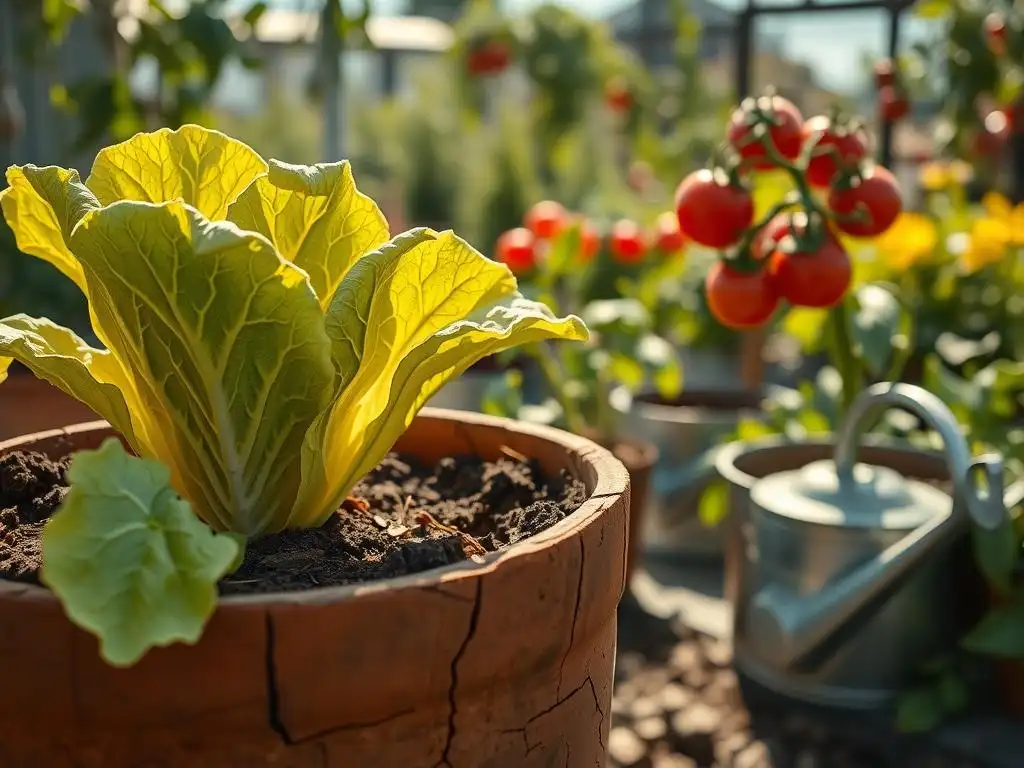
Welcome to CultivateYourFood, your guide to nurturing a thriving home garden! Are you frustrated with stunted growth and struggling to understand why your vegetables aren't growing? We've all been there. This website is dedicated to helping you unlock the secrets to successful organic gardening, from seed to harvest. Discover practical, sustainable solutions and expert advice to cultivate a bountiful yield. Let's get started on your journey to a flourishing garden—explore our troubleshooting section and uncover the answers you need!
-
Understanding Why Your Vegetables Aren't Growing: Common Causes
- Lack of Sunlight: Insufficient Light for Vegetable Growth
- Inadequate Watering: Underwatering and Overwatering Issues
- Poor Soil Quality: Nutrient Deficiencies and Soil Compaction
- Incorrect Planting Depth and Spacing: Impact on Vegetable Development
- Pest and Disease Infestation: Identifying and Addressing Common Threats
- Diagnosing Your Specific Vegetable Growth Problem
-
Solutions for Slow or Stunted Vegetable Growth
- Improving Soil Health: Organic Amendments and Soil Improvement Techniques
- Optimizing Watering Techniques: Maintaining Proper Soil Moisture
- Addressing Light Requirements: Adjusting Plant Placement and Sunlight Exposure
- Pest and Disease Management Strategies: Organic Pest Control and Disease Prevention
- Providing Essential Nutrients: Fertilizing Your Vegetable Garden
- Preventing Future Growth Problems
- Frequently Asked Questions
- Final Reflection: The Unfolding Story of Our Gardens
- Unlock Your Garden's Potential: Grow Thriving Vegetables!
Understanding Why Your Vegetables Aren't Growing: Common Causes
Many home gardeners experience the frustration of seeing their vegetable plants fail to thrive. The question "Why aren't my vegetables growing?" is a common one, often stemming from a combination of factors rather than a single, easily identifiable problem. This comprehensive guide will delve into the most frequent causes behind stunted vegetable growth, providing you with practical solutions to help your garden flourish.
We'll explore common issues related to sunlight, watering, soil health, nutrient deficiencies, and pest infestations, equipping you with the knowledge to diagnose and address problems effectively, ensuring a bountiful and sustainable harvest. Remember, understanding the specific needs of your chosen vegetables is crucial for success. Different plants have varying requirements for sunlight, water, and nutrients, so tailoring your approach is key. Let's get started on your path to a thriving vegetable garden!
Lack of Sunlight: Insufficient Light for Vegetable Growth
Sunlight is the lifeblood of any vegetable garden. Most vegetables require at least six hours of direct sunlight daily to photosynthesize effectively and produce healthy growth. Insufficient sunlight leads to weak, leggy plants with pale leaves, and ultimately, a poor harvest. The severity of the problem depends on the plant's specific light requirements; some vegetables, like lettuce, tolerate partial shade better than others, such as tomatoes, which need full sun.
To address insufficient sunlight, consider the following:
- Site Selection: Before planting, carefully observe your garden throughout the day to identify areas receiving at least six hours of direct sunlight. Avoid planting vegetables in the shade of trees or buildings.
- Plant Spacing: Overcrowding can shade plants, reducing sunlight exposure. Ensure adequate spacing between plants according to their mature size.
- Pruning: Remove any overhanging branches or foliage that might be casting shadows on your vegetable plants.
- Supplemental Lighting: In situations with limited sunlight, supplemental lighting, such as grow lights, can be used to supplement natural sunlight, particularly during the shorter days of winter or in areas with significant shade.
Inadequate Watering: Underwatering and Overwatering Issues
Water is just as crucial as sunlight for healthy vegetable growth. Both underwatering and overwatering can severely hinder plant development, leading to wilting, yellowing leaves, and reduced yields. Underwatering stresses the plant, causing it to wilt and struggle to absorb nutrients. Overwatering, on the other hand, suffocates the roots by reducing oxygen availability, leading to root rot and other fungal diseases. The optimal watering schedule depends on various factors, including the type of vegetable, soil type, weather conditions, and the time of year. Clay soils retain water longer than sandy soils, requiring less frequent watering.
Here's how to manage watering effectively:
- Soil Moisture Check: Before watering, check the soil moisture by inserting your finger a few inches into the ground. If the soil feels dry, it's time to water.
- Deep Watering: Water deeply and less frequently, encouraging deep root growth. Shallow, frequent watering leads to shallow roots, making plants more susceptible to drought stress.
- Mulching: Applying a layer of mulch around your plants helps retain soil moisture, reducing the frequency of watering.
- Drip Irrigation: Consider using drip irrigation or soaker hoses for efficient and targeted watering, minimizing water waste and preventing fungal diseases. This method delivers water directly to the roots, avoiding wetting the foliage which can encourage fungal growth. 💦
Poor Soil Quality: Nutrient Deficiencies and Soil Compaction
Poor soil quality is a major culprit behind stunted vegetable growth. This encompasses two primary issues: nutrient deficiencies and soil compaction. Nutrient deficiencies arise when the soil lacks essential elements like nitrogen (N), phosphorus (P), and potassium (K), vital for healthy plant growth. Nitrogen, for instance, is crucial for leafy green growth, while phosphorus supports root development and flowering, and potassium contributes to overall plant strength and disease resistance.
A lack of these nutrients manifests in various ways, such as yellowing leaves (chlorosis), stunted growth, and poor fruit production. For example, a nitrogen deficiency often presents as pale, yellow leaves, especially on older leaves. Phosphorus deficiency can lead to dark green or purplish leaves and reduced flowering. Potassium deficiency often shows as browning leaf margins and wilting.
Soil compaction, on the other hand, prevents proper root penetration and oxygen uptake. Compacted soil becomes hard and dense, restricting root growth and limiting the plant's ability to access water and nutrients. This is particularly problematic for vegetables with deep taproots, like carrots and parsnips. Compacted soil can be caused by heavy foot traffic, improper tillage, or lack of organic matter. The result is often slow growth, wilting, and reduced yields.
Improving soil quality requires addressing both these aspects. Regular soil testing can help identify specific nutrient deficiencies. Amendments like compost, aged manure, and cover crops improve soil structure and fertility, mitigating compaction and providing essential nutrients. Adding organic matter also enhances drainage and aeration, creating a more hospitable environment for root development. Careful cultivation practices, such as avoiding excessive foot traffic and using appropriate tillage techniques, are also essential in preventing further compaction.
Incorrect Planting Depth and Spacing: Impact on Vegetable Development
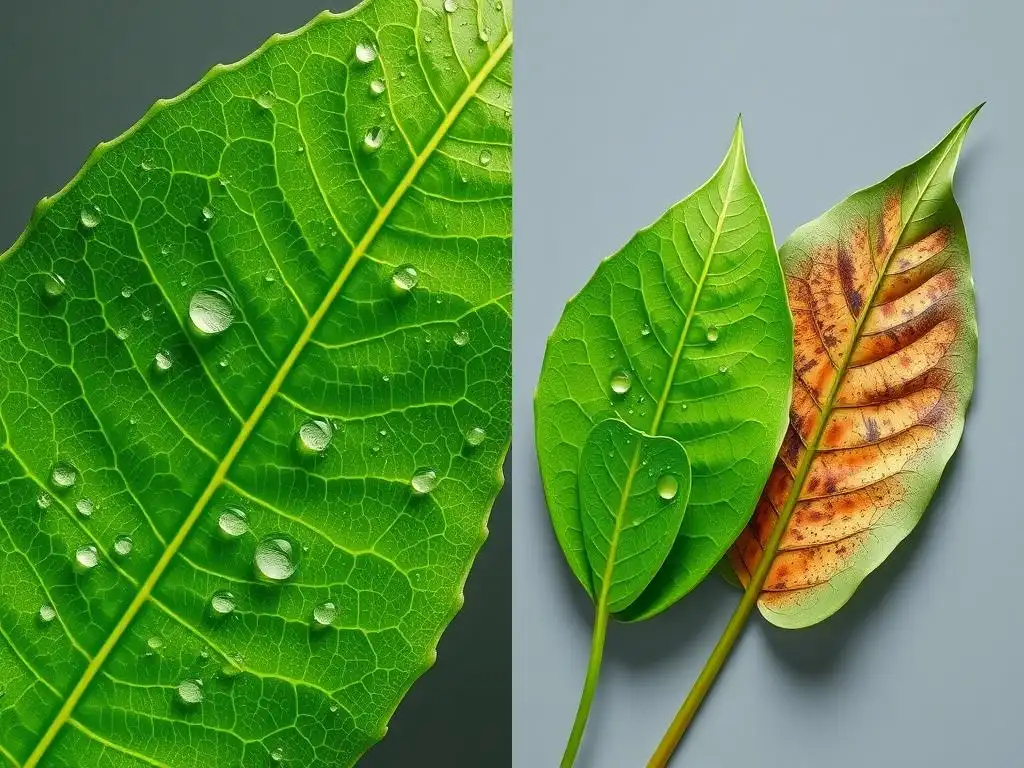
Planting depth and spacing significantly impact a vegetable's ability to thrive. Planting too deeply can suffocate the seed or seedling, preventing germination or hindering early growth. Conversely, planting too shallowly can leave the plant vulnerable to drying out or being easily uprooted. The optimal planting depth varies depending on the vegetable type and seed size. For example, small seeds like lettuce should be planted shallowly, while larger seeds like beans can tolerate a slightly deeper planting.
Incorrect spacing also causes problems. Overcrowding leads to competition for resources like sunlight, water, and nutrients, resulting in smaller plants with reduced yields. Plants may also be more susceptible to diseases due to poor air circulation. Undercrowding, while seemingly less problematic, can lead to inefficient use of garden space.
Appropriate spacing ensures each plant has enough room to develop its full potential. This spacing depends on the mature size of the plant and its growth habit. Bush beans, for example, require less space than pole beans. Following recommended spacing guidelines, often found on seed packets or in gardening guides, is crucial.
When planning your garden layout, consider the mature size of each vegetable to avoid overcrowding. Thinning seedlings, if necessary, ensures adequate spacing for optimal growth and yield. Proper planting depth and spacing are fundamental for maximizing your vegetable garden's productivity. Careful observation and adherence to recommended guidelines contribute significantly to a successful harvest.
Pest and Disease Infestation: Identifying and Addressing Common Threats
Pest and disease infestations are frequent causes of poor vegetable growth. These problems can significantly reduce yields, even leading to complete crop failure if left untreated. Early detection and prompt action are crucial to minimizing their impact. A variety of insects, fungi, bacteria, and viruses can attack vegetables, causing damage to leaves, stems, roots, and fruits. Regular monitoring of your plants is essential to identify infestations early on. Look for signs of damage, such as holes in leaves, wilting, discoloration, or unusual growths.
Common Vegetable Garden Pests and Their Control
Many common garden pests target vegetables. Aphids, for instance, suck sap from plants, causing stunted growth and leaf curling. Colorado potato beetles devour potato leaves, leaving behind only skeletons. Cabbage worms bore into cabbage heads, rendering them inedible.
Controlling these pests involves integrated pest management (IPM) strategies, prioritizing less harmful methods. This could include handpicking pests, using insecticidal soap or neem oil, attracting beneficial insects like ladybugs, or employing row covers to protect plants. The specific control method depends on the pest and the severity of the infestation. For example, handpicking aphids is effective for small infestations, while neem oil might be necessary for larger outbreaks.
Recognizing and Treating Diseases in Vegetables
Vegetable diseases can be caused by fungi, bacteria, or viruses. Fungal diseases, such as powdery mildew and blight, often appear as white or gray coatings on leaves or brown spots on stems and fruits. Bacterial diseases, like bacterial wilt, can cause wilting and discoloration. Viral diseases, such as mosaic viruses, lead to mottled or distorted leaves.
Disease management relies heavily on preventative measures, including crop rotation, proper sanitation, and selecting disease-resistant varieties. If disease occurs, appropriate fungicides or bactericides may be necessary, always following label instructions carefully. Proper watering techniques, avoiding overhead watering that promotes fungal growth, are also crucial in disease prevention. A healthy and vigorous plant is better equipped to withstand disease pressures.
Diagnosing Your Specific Vegetable Growth Problem
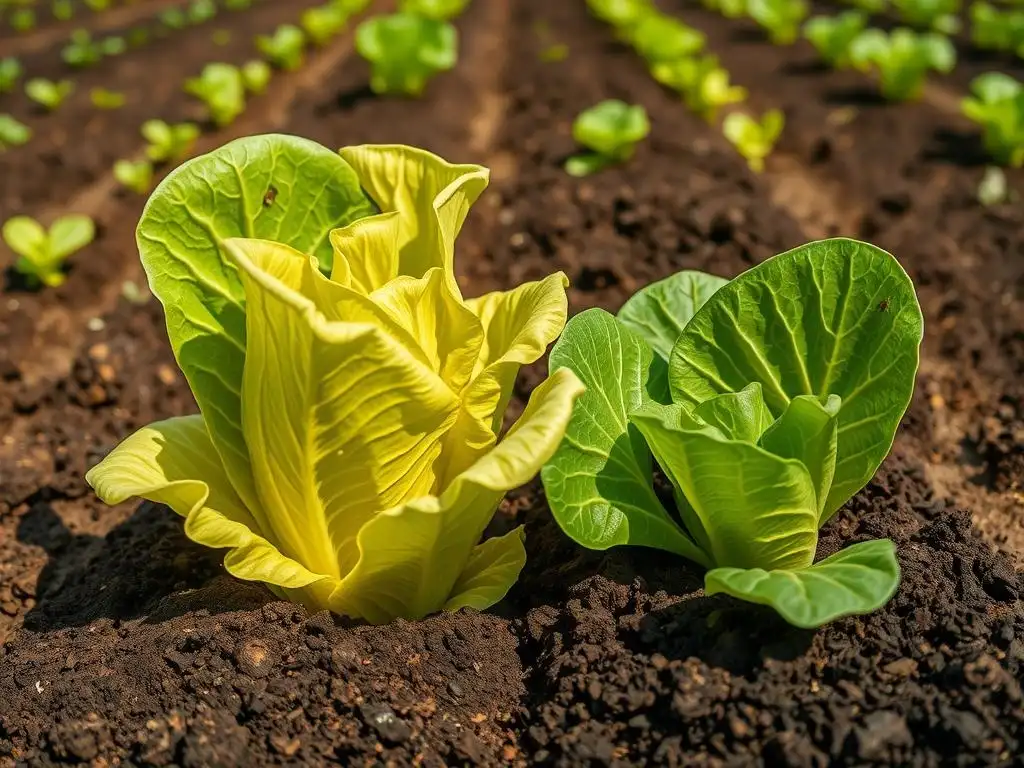
This section focuses on systematically identifying the root cause of your vegetable growth woes. Remember, pinpointing the problem is the first step towards a thriving garden. We'll explore several key areas to check, ensuring you leave no stone unturned in your quest to understand why your vegetables aren't growing as expected. Let's get started!
Assessing Your Planting Conditions: A Step-by-Step Guide
Before examining the plants themselves, let's evaluate their environment. The success of your vegetable garden hinges heavily on proper planting conditions. This step-by-step guide will help you assess key factors:
- Sunlight: Most vegetables require at least 6-8 hours of direct sunlight daily. Use a sun tracker app or observe your garden throughout the day to determine the amount of sunlight your vegetables receive. Insufficient sunlight is a common reason why vegetables aren't growing properly. Consider relocating plants to a sunnier spot if necessary.
- Watering: Consistent and adequate watering is crucial. Overwatering can lead to root rot, while underwatering results in wilting and stunted growth. Check soil moisture regularly by inserting your finger a couple of inches into the soil. Water deeply and less frequently, allowing the soil to dry slightly between waterings. Consider using a drip irrigation system for efficient watering.
- Spacing: Overcrowding deprives plants of essential resources like sunlight, water, and nutrients. Ensure your vegetables are planted according to the recommended spacing guidelines for their specific type. Refer to seed packets or gardening guides for accurate spacing information. Poor spacing directly impacts growth and yield.
- Soil Drainage: Poor drainage can suffocate roots, preventing proper nutrient uptake. If water pools around your plants after watering, your soil may have poor drainage. Amend heavy clay soils with organic matter like compost to improve drainage. Raised beds or containers can also offer better drainage control.
Examining Your Vegetables for Signs of Distress: Visual Inspection
A careful visual inspection can reveal a wealth of information about your plants' health. Look for these common signs of distress:
- Yellowing Leaves: This can indicate nutrient deficiencies (nitrogen, iron, or magnesium), overwatering, or pest infestations. The pattern of yellowing can offer clues. For instance, yellowing between leaf veins often suggests a nutrient deficiency.
- Wilting: Wilting can signify underwatering, root damage, or disease. Check the soil moisture level and examine the roots for any signs of damage or rot.
- Stunted Growth: Slow or stunted growth could result from poor soil conditions, insufficient sunlight, pest infestations, or diseases. Compare the size of your plants to the expected size for their age and variety.
- Pest or Disease Signs: Carefully examine leaves, stems, and fruits for signs of pests (e.g., aphids, caterpillars) or diseases (e.g., powdery mildew, blight). Early detection is key to effective treatment. Use a magnifying glass if needed for close inspection of small pests.
Identifying Potential Soil Issues: Testing for pH and Nutrient Levels
Soil health is paramount for vegetable growth. Testing your soil's pH and nutrient levels can pinpoint deficiencies or imbalances hindering your plants' development.
| Nutrient | Deficiency Symptoms | Excess Symptoms |
|---|---|---|
| Nitrogen (N) | Stunted growth, yellowing leaves | Excessive vegetative growth, delayed flowering/fruiting |
| Phosphorus (P) | Stunted growth, dark green leaves, poor flowering | No significant excess symptoms |
| Potassium (K) | Yellowing and browning leaf margins, weak stems | No significant excess symptoms |
You can purchase a soil testing kit from a garden center or submit a soil sample to a local agricultural extension office for professional analysis. Soil pH testing is equally important as it affects nutrient availability. Most vegetables thrive in a slightly acidic to neutral pH range (6.0-7.0). Amend your soil with lime to raise the pH or sulfur to lower it, if necessary. Remember, healthy soil is the foundation of a successful vegetable garden. Addressing soil issues directly answers the question: "Why vegetables aren't growing?" in many cases.
Solutions for Slow or Stunted Vegetable Growth
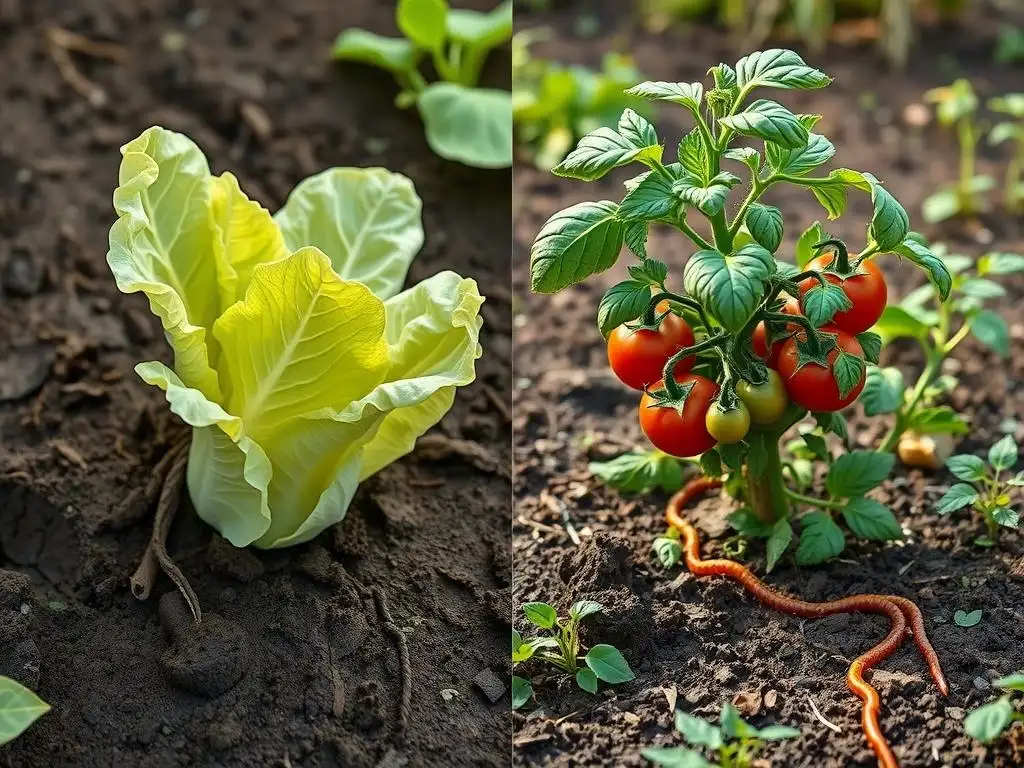
This section delves into practical solutions to address the common problem of slow or stunted vegetable growth. Understanding the underlying causes – be it poor soil, inadequate watering, or insufficient sunlight – is crucial for effective intervention. We'll explore proven techniques to revitalize your vegetable patch and encourage robust growth. Remember, patience and observation are key components of successful gardening! Let's get started with improving the foundation of your garden: the soil.
Improving Soil Health: Organic Amendments and Soil Improvement Techniques
Healthy soil is the cornerstone of thriving vegetables. Poor soil structure, lacking in essential nutrients, is a major culprit behind slow growth. Addressing this involves enriching the soil with organic amendments. Think of it as giving your vegetables a nutritious multivitamin!
Here's a breakdown of effective strategies:
- Composting: Composting kitchen scraps and yard waste creates a rich, nutrient-dense amendment. It improves soil structure, aeration, and water retention. Aim for a compost pile with a balanced mix of "greens" (nitrogen-rich) and "browns" (carbon-rich). Regular turning ensures proper decomposition. 👩🌾
- Adding Organic Matter: Incorporate materials like well-rotted manure, leaf mold, or peat moss to boost soil fertility and improve drainage. These materials provide essential nutrients and enhance the soil's ability to hold moisture. The amount needed depends on your soil's current condition; a soil test can provide valuable insights.
- Soil Testing: A soil test is invaluable for understanding your soil's pH level and nutrient deficiencies. Many garden centers and agricultural extension offices offer affordable testing services. Knowing your soil's specific needs allows you to tailor your amendments accordingly. This avoids unnecessary additions and ensures optimal results.
- Cover Cropping: Planting cover crops (like legumes or rye) between growing seasons improves soil health. These plants add organic matter when tilled back into the soil, suppress weeds, and prevent erosion. They also help to fix nitrogen, a crucial nutrient for vegetable growth.
| Amendment | Benefits | Application Method |
|---|---|---|
| Compost | Improves structure, aeration, nutrient content | Mix into the soil before planting or top-dress |
| Manure (rotted) | Adds nutrients, improves soil structure | Incorporate into the soil before planting |
| Peat Moss | Improves drainage, moisture retention | Mix into the soil before planting or top-dress |
| Cover Crops | Adds organic matter, suppresses weeds | Plant between growing seasons, then till under |
Addressing soil health proactively prevents many issues, including slow growth. Consistent attention to soil improvement ensures your vegetables receive the necessary nutrients for optimal development.
Optimizing Watering Techniques: Maintaining Proper Soil Moisture
Consistent and appropriate watering is critical for healthy vegetable growth. Underwatering leads to wilting, stunted growth, and reduced yield. Overwatering, however, can lead to root rot and other problems. Finding the "Goldilocks" zone – not too much, not too little – is essential.
Here's how to optimize your watering strategy:
- Water Deeply and Less Frequently: Encourage deep root growth by watering deeply but less often. This promotes a stronger root system, better equipped to withstand periods of dryness. Instead of shallow, frequent watering, aim for thorough soaking that reaches the root zone.
- Water in the Morning: Watering in the morning allows the foliage to dry before nightfall, reducing the risk of fungal diseases. Evening watering can leave plants damp overnight, creating a breeding ground for pathogens.
- Use Drip Irrigation or Soaker Hoses: These methods deliver water directly to the roots, minimizing water loss through evaporation. This conserves water and ensures efficient delivery to where it's needed most.
- Mulching: Applying a layer of mulch (such as straw or wood chips) around plants helps retain soil moisture, reducing the frequency of watering needed. Mulch also suppresses weeds and regulates soil temperature.
The key is to feel the soil. Stick your finger a couple of inches into the ground; if it feels dry, it's time to water. Adjust your watering schedule based on weather conditions, soil type, and plant needs. Regular monitoring and adaptation are essential for success.
Addressing Light Requirements: Adjusting Plant Placement and Sunlight Exposure
Sunlight is vital for photosynthesis, the process by which plants convert light energy into food. Insufficient sunlight is a common reason for slow or stunted vegetable growth.
Consider these points:
- Sunlight Needs: Different vegetables have different sunlight requirements. Some thrive in full sun (at least 6 hours of direct sunlight daily), while others prefer partial shade (4-6 hours). Research the specific needs of your chosen vegetables before planting.
- Plant Placement: Carefully plan the layout of your garden, ensuring each vegetable receives the appropriate amount of sunlight. Taller plants should not shade shorter ones. Consider using trellises or other supports to maximize space and sunlight exposure.
- Pruning: Overgrown foliage can shade lower leaves, reducing their access to sunlight. Regular pruning can improve air circulation and ensure all leaves receive adequate light.
- Sunlight Monitoring: Observe your garden throughout the day. Note areas that receive less sunlight and consider adjusting plant placement or providing supplemental lighting if necessary. This might involve moving plants or adding grow lights for low-light situations.
By understanding and addressing these three key factors—soil health, watering, and sunlight—you can significantly improve the growth and yield of your vegetables. Remember, consistent observation and adjustments based on your specific garden conditions are crucial for success. Happy gardening!
Pest and Disease Management Strategies: Organic Pest Control and Disease Prevention
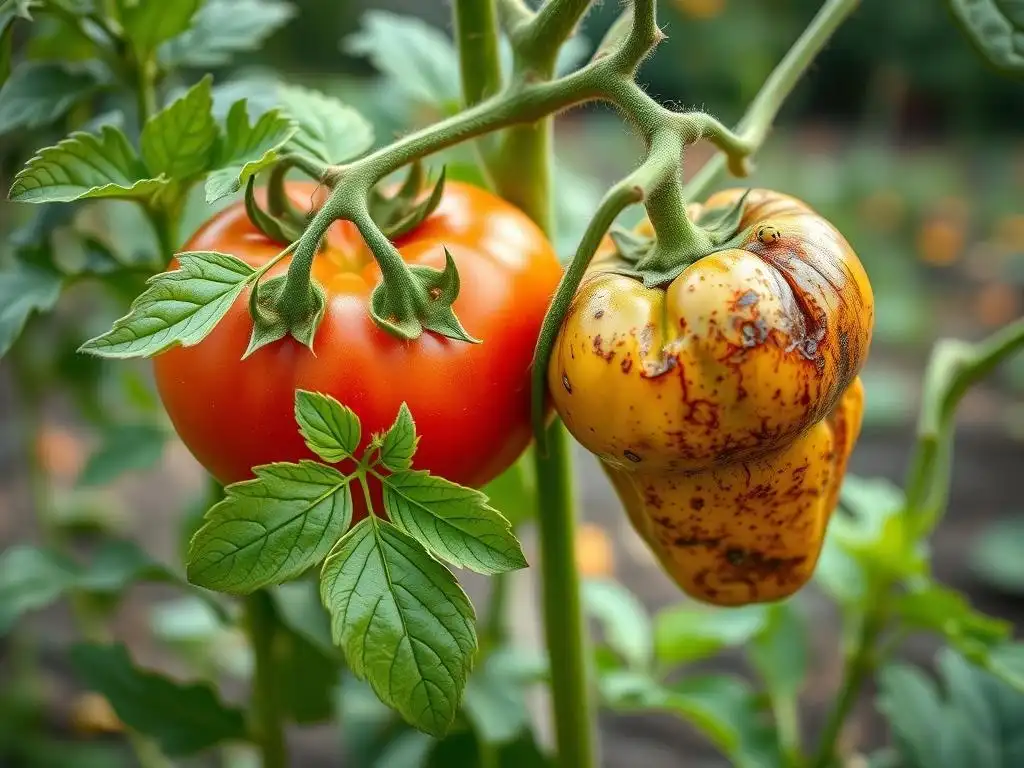
Healthy plants are essential for a thriving vegetable garden. Pests and diseases can significantly hinder growth, leading to stunted vegetables and reduced yields. A proactive approach to pest and disease management is crucial. This involves regular monitoring of your plants for any signs of infestation or disease. Early detection allows for timely intervention, minimizing the damage.
Organic pest control methods are preferred in sustainable gardening. These methods prioritize the health of the soil and the environment. Beneficial insects, such as ladybugs and lacewings, can be introduced to control aphid and other pest populations naturally. Companion planting, where certain plants deter pests from others, is another effective organic strategy. For example, planting basil near tomatoes can help repel tomato hornworms. Furthermore, using insecticidal soaps or neem oil can provide targeted pest control without harming beneficial insects or pollinators. These options are less harmful to the environment than synthetic pesticides.
Preventing diseases is just as important as treating them. Rotating crops yearly helps to break the disease cycle, preventing the build-up of pathogens in the soil. Ensuring proper spacing between plants promotes good air circulation, reducing the risk of fungal diseases. Choosing disease-resistant varieties of vegetables can also significantly reduce the likelihood of problems.
Finally, maintaining a clean garden, removing weeds and diseased plant material promptly, helps prevent the spread of diseases. Regularly inspecting your plants and addressing any issues promptly is key to preventing widespread problems and ensuring a healthy harvest. Remember, a healthy ecosystem in your garden is the best defense against pests and diseases.
Providing Essential Nutrients: Fertilizing Your Vegetable Garden
Nutrient deficiencies are a common cause of slow or stunted vegetable growth. Soils vary in their nutrient content, and even rich soil can become depleted over time, especially with consistent harvests. Supplying essential nutrients through fertilization is crucial for healthy plant growth and development. This ensures your vegetables receive the building blocks they need for robust growth, resulting in a bountiful harvest. Ignoring this vital aspect can lead to weak plants susceptible to pests and diseases.
Choosing the Right Fertilizer for Your Vegetables
Selecting the appropriate fertilizer is vital for optimal results. Different vegetables have different nutrient requirements. For example, heavy feeders like tomatoes and peppers benefit from fertilizers rich in phosphorus and potassium, while leafy greens may require more nitrogen. Understanding these requirements allows you to choose a fertilizer tailored to your specific needs.
Organic fertilizers, such as compost, manure, and bone meal, are excellent choices for sustainable gardening. They gradually release nutrients into the soil, providing a sustained supply of nourishment for your vegetables. This also improves soil structure and health. Conversely, synthetic fertilizers provide a quick release of nutrients, but they can also burn plants if not applied correctly.
They can also negatively impact soil health over time. Always follow the instructions on the fertilizer packaging carefully and consider soil testing to determine your soil's nutrient levels before applying any fertilizer. This ensures you're providing the right balance of nutrients without over-fertilizing, which can harm your plants. Remember, healthy soil is the foundation of healthy plants and a successful harvest.
Preventing Future Growth Problems
This section focuses on proactive measures to ensure robust vegetable growth, addressing the core question of "Why vegetables aren't growing" before problems even arise. By implementing these strategies, you can significantly reduce the chances of encountering stunted growth or crop failure. This preventative approach is crucial for sustainable and successful home gardening.
Planning Your Vegetable Garden: Site Selection and Soil Preparation
Optimal site selection and thorough soil preparation are fundamental to successful vegetable gardening. Ignoring these steps often leads to poor growth, regardless of the plant variety or care provided. Let's delve into the specifics:
First, site selection is paramount. Vegetables need at least six to eight hours of direct sunlight daily. Areas shaded by trees or buildings will yield poor results. Furthermore, consider water drainage. Vegetables hate soggy roots; choose a location with well-drained soil or amend heavy clay soil with organic matter like compost to improve drainage. Observe the area for prevailing winds; strong winds can desiccate plants and damage delicate seedlings. A sheltered location is ideal, perhaps near a fence or building for natural windbreaks.
Next, soil preparation is equally critical. Healthy soil is the foundation of thriving vegetables. Before planting, conduct a soil test to determine its pH and nutrient levels. Most vegetables prefer a slightly acidic to neutral pH (6.0-7.0). Amend your soil accordingly based on the test results.
Adding compost significantly improves soil structure, drainage, and nutrient content. Turning the soil to a depth of 12-18 inches incorporates the compost and breaks up compacted soil, allowing for better root penetration and water infiltration. Remember, rich, well-drained soil is the key to answering "Why vegetables aren't growing" proactively. A healthy soil ecosystem is far less susceptible to problems.
Choosing the Right Vegetables for Your Climate: Selecting Suitable Varieties
Selecting vegetable varieties suited to your specific climate is crucial for successful gardening. Planting unsuitable varieties is a common reason for poor growth and crop failure. Consider these factors:
- Hardiness Zones: Understanding your USDA Plant Hardiness Zone is essential. This zone indicates the average minimum winter temperature in your region, directly affecting which vegetables will thrive. Choosing varieties rated for your zone ensures they can withstand the local climate. Planting a tomato variety suited to a warmer climate in a cooler zone will likely result in poor growth or no fruit production.
- Sunlight Requirements: Different vegetables have varying sunlight needs. Some, like lettuce, tolerate partial shade, while others, such as peppers and tomatoes, require full sun. Matching vegetable needs to the available sunlight in your garden is crucial.
- Growing Season Length: The length of your growing season dictates which vegetables you can successfully cultivate. Choose varieties with appropriate maturity times to ensure they reach maturity before the first frost. For example, choosing a long-season tomato variety in a short-season climate will prevent the tomatoes from ripening fully before the first frost.
Choosing the right varieties is a significant step in preventing the question "Why vegetables aren't growing?" from ever arising. Researching your local climate and selecting appropriate varieties are fundamental to success.
Implementing Preventive Measures: Pest Control and Disease Prevention Strategies
Proactive pest and disease management is essential for healthy vegetable growth. Ignoring this aspect often leads to stunted growth or crop loss. Here's how to prevent common issues:
- Crop Rotation: Rotating crops annually helps break pest and disease cycles. Avoid planting the same vegetable family (e.g., tomatoes, peppers, and eggplants are all in the nightshade family) in the same location year after year. This simple technique reduces the buildup of pests and diseases specific to those families.
- Companion Planting: Certain plant combinations can deter pests or attract beneficial insects. For example, planting basil near tomatoes can repel tomato hornworms. Research companion planting strategies appropriate for your chosen vegetables.
- Healthy Soil: Healthy, nutrient-rich soil strengthens plants, making them more resistant to pests and diseases. Regular soil testing and amendments ensure your vegetables are well-nourished and less susceptible to problems.
- Regular Inspection: Regularly inspect your plants for signs of pests or diseases. Early detection allows for prompt intervention, preventing widespread damage. Catching issues early is key to addressing the question, "Why vegetables aren't growing?" effectively.
By implementing these preventative strategies, you can create a garden environment that minimizes pest and disease problems, leading to healthier, more productive vegetable plants. Remember, a proactive approach is far more effective than reacting to problems after they arise.
Maintaining Healthy Soil: Sustainable Gardening Practices
Healthy soil is the cornerstone of thriving vegetable gardens. Without nutrient-rich, well-structured soil, even the most carefully chosen seeds and diligent watering will yield disappointing results. Addressing soil health is crucial in preventing future growth problems and ensuring bountiful harvests year after year. This involves several key sustainable gardening practices.
One fundamental aspect is improving soil structure. Compacted soil restricts root growth, limiting the plant's access to water and nutrients. Regular tilling or the use of a broadfork can help break up compacted soil, improving aeration and drainage. Adding organic matter, such as compost, aged manure, or leaf mold, significantly enhances soil structure. These materials improve water retention, increase drainage, and create a more hospitable environment for beneficial soil microbes. The addition of organic matter also contributes to the long-term fertility of your soil, reducing the need for chemical fertilizers.
Another critical practice is regular soil testing. Soil tests provide invaluable insights into your soil's pH level and nutrient content. Knowing your soil's pH is crucial because different vegetables thrive within specific pH ranges. For example, tomatoes prefer slightly acidic soil (pH 6.0-6.8), while potatoes prefer a slightly more alkaline range (pH 5.5-7.0). A soil test will also reveal any deficiencies in essential nutrients like nitrogen, phosphorus, and potassium. Addressing these deficiencies through targeted amendments, such as adding bone meal for phosphorus or Epsom salts for magnesium, will optimize plant growth and prevent stunted development.
Furthermore, crop rotation is a vital sustainable practice to prevent nutrient depletion and the buildup of soilborne diseases and pests. Rotating crops helps maintain soil health by diversifying nutrient uptake and reducing the risk of pest and disease infestations. For example, planting legumes (like beans or peas) one year helps replenish nitrogen in the soil, benefiting the subsequent year's crops. A well-planned rotation schedule is crucial for long-term soil health and prevents the same vegetables from experiencing the same soil conditions year after year, reducing the chance of diseases or nutrient deficiencies.
Finally, mulching plays a vital role in maintaining healthy soil. Organic mulches, such as straw, wood chips, or shredded leaves, suppress weeds, conserve moisture, regulate soil temperature, and gradually decompose, adding organic matter to the soil. Mulching helps prevent soil erosion, reduces the need for frequent watering, and creates a more favorable environment for beneficial soil organisms. A thick layer of mulch can significantly improve the overall health and fertility of your soil, contributing to healthier and more vigorous vegetable growth.
Choosing the right mulch for your specific climate and soil type is key to maximizing its benefits. The use of these sustainable practices will greatly reduce the chances of future growth problems and will contribute to healthier plants and a more productive garden. 🌱
Frequently Asked Questions
Why aren't my vegetables growing?
This is a common problem with many potential causes. Check for inadequate sunlight, poor soil quality, incorrect watering, or pest infestations. Addressing these issues can often solve the problem.
My seedlings are stunted; what should I do?
Stunted seedlings often indicate problems with light, water, or nutrients. Ensure they receive enough sunlight, are watered appropriately (not over or underwatered), and are planted in fertile soil with the correct nutrients. Consider using a balanced fertilizer.
How can I improve my soil for better vegetable growth?
Healthy soil is crucial. Amend your soil with compost or other organic matter to improve drainage, aeration, and nutrient content. A soil test can help identify specific deficiencies.
What are some common pests that affect vegetable growth?
Many pests can hinder growth. Common culprits include aphids, slugs, and caterpillars. Regular inspection and appropriate pest control methods, such as companion planting or organic pesticides, are essential.
My vegetables are growing, but they're not producing fruit or vegetables; what's wrong?
This often points to issues with pollination, nutrient deficiencies, or incorrect plant spacing. Ensure your plants are adequately pollinated (consider hand-pollination if necessary), receiving enough nutrients, and have sufficient space for growth.
Final Reflection: The Unfolding Story of Our Gardens
The struggle to cultivate thriving vegetable gardens resonates deeply with the challenges we face in nurturing growth in all aspects of our lives. From the seemingly simple act of planting a seed to the complex interplay of soil health, sunlight, and water, our gardens mirror the delicate balance required for success in any endeavor. The seemingly small issues we uncover – poor soil drainage, insufficient sunlight, or even pest infestations – highlight the importance of careful observation and proactive problem-solving.
The journey of understanding why our vegetables aren't growing is far more than just a horticultural pursuit; it's a metaphor for the persistent challenges we encounter in achieving our goals. It's about recognizing that setbacks are inevitable, but that through diligent investigation and a willingness to adapt, we can overcome obstacles and cultivate abundance. The glory of gardening: hands in the dirt, head in the sun, heart with nature. To nurture a garden is to feed not just the body, but the soul.
This quote perfectly encapsulates the deeper meaning behind the seemingly simple act of growing food. It's a process of learning, adapting, and connecting with something larger than ourselves.
Now, I invite you to consider your own "gardens" – be they literal or metaphorical. What are the "weeds" hindering your growth? What nutrients are you lacking? Take the lessons learned from troubleshooting your vegetable patch and apply them to your personal and professional life. Embrace the process of investigation, adapt your strategies, and nurture the seeds of your dreams. The harvest will be well worth the effort.
Unlock Your Garden's Potential: Grow Thriving Vegetables!
Thank you for learning more about troubleshooting your vegetable garden! We hope you found the information helpful. Now, let's put that knowledge into action and watch your plants flourish.
Here's what you can do next:
- Implement solutions: Based on the problems you identified, apply the most relevant solutions from the article. Even small changes can significantly improve your garden's health!
- Share your experiences: Tell us about your gardening journey. What changes did you make, and what were the results? We'd love to hear your stories in the comments below!
- Explore new techniques: Perhaps this experience has inspired you to try a new approach, such as companion planting or regular soil testing. Let's learn together!
What small step will you take today to help your vegetables thrive?