
The Water Percolation Test: A Simple Guide to Drainage Assessment

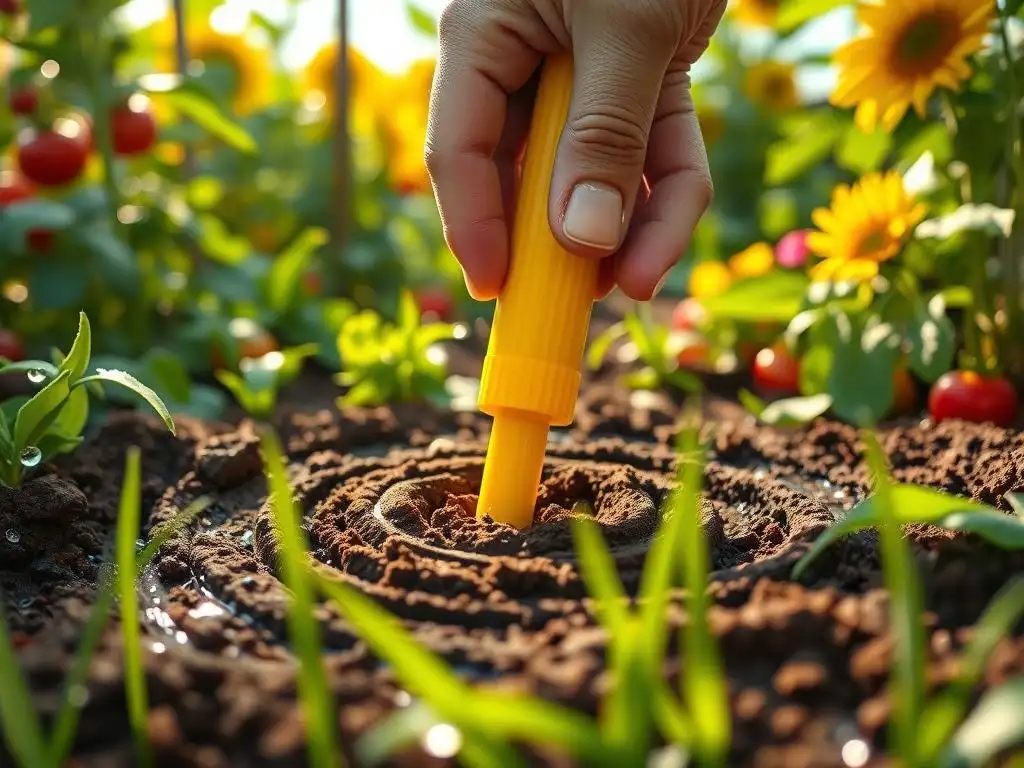
Ready to unlock the secrets to a thriving home garden? At CultivateYourFood, we believe everyone can grow their own delicious and healthy produce. But even the most enthusiastic gardener can be stumped by poor soil drainage. This is where our guide on the soil drainage test for gardening comes in—a simple yet crucial step towards ensuring your plants flourish. Learn how to perform a quick water percolation test and discover how to overcome drainage challenges, paving the way for a bountiful harvest. Let's get started!
- Understanding Soil Drainage and its Importance for Healthy Plants
- Conducting the Water Percolation Test: A Step-by-Step Guide
- Interpreting Your Results: Understanding Drainage Categories
- Improving Poor Drainage in Your Garden
- Maintaining Optimal Soil Drainage
- Frequently Asked Questions
- Final Reflection: Understanding Your Soil, Cultivating Your Garden
- Unlock Your Soil's Secrets: Take Action Now!
Understanding Soil Drainage and its Importance for Healthy Plants
Soil drainage is a crucial factor often overlooked by home gardeners, yet it significantly impacts plant health and productivity. A soil's ability to drain excess water effectively determines the availability of oxygen to plant roots, nutrient uptake, and overall plant vigor. This article serves as a comprehensive guide to understanding soil drainage, identifying potential problems, and performing a simple yet effective test—the water percolation test—to assess your garden's drainage capabilities.
Mastering soil drainage is key to cultivating thriving fruits, vegetables, and herbs using sustainable and organic practices, aligning perfectly with the principles of CultivateYourFood. We'll explore the vital role drainage plays in plant health, the telltale signs of poor drainage, and the profound impact it has on your garden's yield. By the end, you'll be equipped to diagnose and address drainage issues, setting the stage for a bountiful and successful harvest.
Why Good Drainage Matters for Your Garden
Good soil drainage is essential for healthy plant growth for several key reasons. Firstly, well-drained soil provides adequate aeration for plant roots. Roots require oxygen for respiration, a process vital for nutrient uptake and overall plant metabolism. Waterlogged soil, lacking oxygen, leads to root rot and other diseases, ultimately hindering plant growth and potentially killing your plants. 🌱
Secondly, good drainage facilitates nutrient availability. Nutrients dissolve in water and are absorbed by plant roots. However, excessive water can leach essential nutrients from the soil, leaving plants nutrient-deficient. Proper drainage ensures nutrients remain accessible to plants, promoting healthy growth and higher yields.
Finally, good drainage contributes to a healthy soil ecosystem. Well-drained soil supports a diverse community of beneficial soil organisms, including bacteria and fungi, which are crucial for nutrient cycling and decomposition. These organisms thrive in aerated environments, further enhancing soil fertility and plant health. Poor drainage, on the other hand, can create anaerobic conditions, suppressing beneficial microbial activity and potentially harming soil structure.
Identifying Poor Drainage Issues: Signs and Symptoms
Recognizing the signs of poor drainage is the first step towards remediation. Several telltale indicators can signal drainage problems in your garden. These include:
- Puddles persisting after rainfall: Water that sits on the soil surface for extended periods indicates poor drainage.
- Yellowing or wilting leaves: Even when watered adequately, plants may exhibit these symptoms due to root suffocation from waterlogged soil.
- Slow plant growth: Poor drainage directly impacts nutrient uptake, leading to stunted growth and reduced yield.
- Soil that remains consistently wet or muddy: This is a clear sign of inadequate drainage.
- Crusting of the soil surface: This prevents water from infiltrating efficiently.
- Presence of weeds that thrive in wet conditions: These can be an indicator of persistently moist soil.
Understanding these symptoms is crucial for proactive management, ensuring that you address issues early to prevent significant damage to your plants. Ignoring these signs can lead to irreversible damage and crop failure.
The Impact of Poor Drainage on Plant Growth and Yield
The consequences of poor soil drainage are far-reaching and significantly affect plant health and productivity. Poor drainage leads to reduced yields due to several factors:
- Root rot: Lack of oxygen in waterlogged soil causes root rot, a devastating disease that can kill plants.
- Nutrient deficiencies: Excessive water leaches nutrients from the soil, depriving plants of essential elements.
- Stunted growth: Plants struggle to grow and develop properly in poorly drained soil, resulting in smaller fruits, vegetables, and herbs.
- Increased susceptibility to pests and diseases: Waterlogged soil creates an ideal environment for many plant pathogens and pests.
- Reduced flowering and fruiting: Poor drainage can negatively impact the flowering and fruiting stages of many plants, leading to a diminished harvest.
The overall impact on your garden's yield can be substantial, potentially leading to significant losses if the problem is not addressed effectively. Investing time in assessing and improving soil drainage is a worthwhile investment in the success of your garden.
Conducting the Water Percolation Test: A Step-by-Step Guide
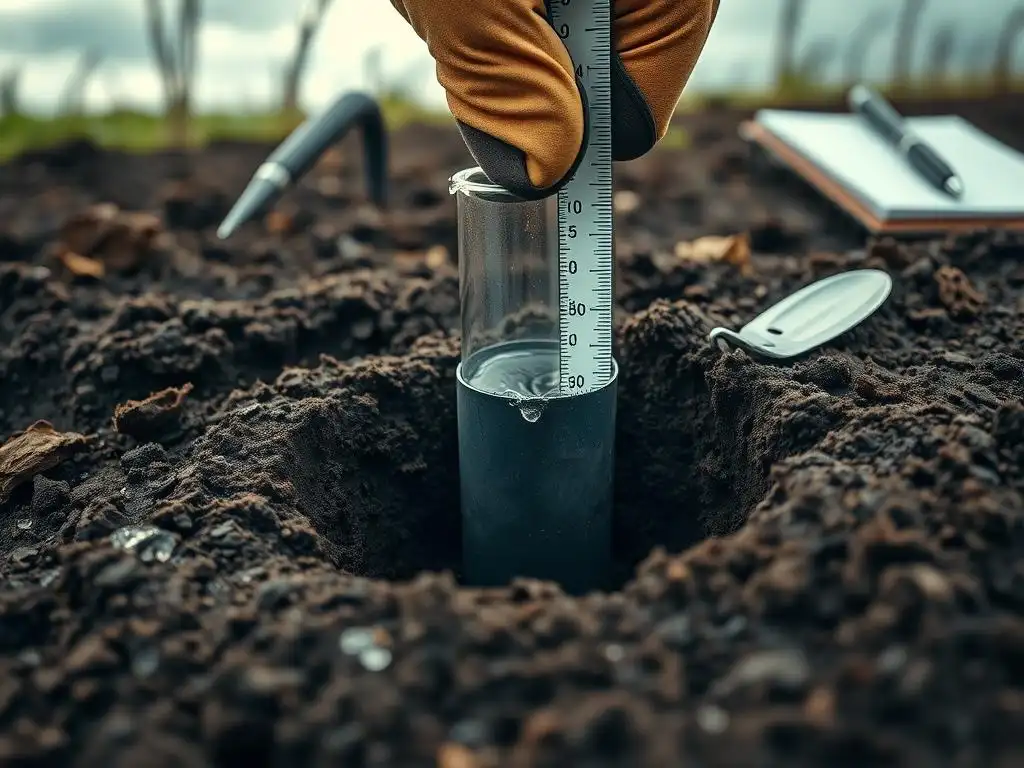
This section details how to perform a simple yet effective water percolation test, a crucial step in assessing your garden's soil drainage. Understanding soil drainage is paramount for successful gardening, as it directly impacts plant health and yield. This test helps determine if your soil drains adequately, allowing you to take corrective measures if necessary.
Poor drainage can lead to root rot and other plant diseases, so mastering this technique is a valuable skill for any home gardener. This guide provides a clear, concise method to determine your soil's drainage capacity, assisting you in optimizing your gardening practices and improving your chances of a bountiful harvest. We'll cover everything from gathering the necessary materials to interpreting the results, empowering you to cultivate thriving plants.
Materials Needed for the Soil Drainage Test
Before beginning your soil drainage test for gardening, ensure you have the following readily available:
- A shovel or trowel: For digging the test hole. Choose a tool appropriate for your soil type; a sturdy shovel is best for clay soils.
- A measuring tape or ruler: To accurately measure the depth of the hole and the water level. Accuracy is key for reliable results.
- A bucket or container: To hold the water you'll be using for the test. A standard 1-gallon bucket works well.
- A watch or timer: To accurately measure the time it takes for the water to percolate. A stopwatch is ideal for precise timing.
- Water: Use clean, non-chlorinated water if possible, as chlorine can affect the results. Tap water is generally acceptable.
- A marker (optional): To mark the initial water level in the hole.
Preparing the Test Area: Site Selection and Preparation
Choosing the right location for your soil drainage test is crucial for obtaining representative results. Avoid areas with obvious drainage issues, like consistently soggy patches or low-lying areas prone to water accumulation. Ideally, select a representative area of your garden where you plan to plant. The test area should be relatively flat and free from significant obstructions. Prior to conducting the test:
- Remove any surface debris, such as leaves, rocks, or weeds, from the test area. This ensures accurate measurement of water percolation.
- Loosen the top layer of soil slightly. This allows the water to penetrate the soil more easily and gives a more accurate representation of the soil's drainage characteristics. Don't dig too deeply at this stage – simply loosen the top few inches. Over-preparation can skew the results.
Remember, the goal is to assess the typical drainage of your garden soil, not a specific, isolated area.
Step 1: Digging the Test Hole for Water Percolation
Dig a cylindrical hole approximately 6 inches (15 cm) in diameter and 12 inches (30 cm) deep. The hole should have straight sides to avoid irregular water flow. Take care to avoid compacting the soil around the hole during excavation. This is essential for an accurate representation of the soil's natural drainage capacity.
Once the hole is dug, allow the soil to settle for a few minutes before proceeding to the next step. This short wait helps to minimize any artificial compaction from the digging process. The size of the hole is important; smaller holes may provide inaccurate results due to capillary action, while larger holes can lead to overly rapid percolation. The dimensions specified here offer a good balance for obtaining reliable results in most soil types.
Step 2: Adding Water to the Hole and Measuring Absorption
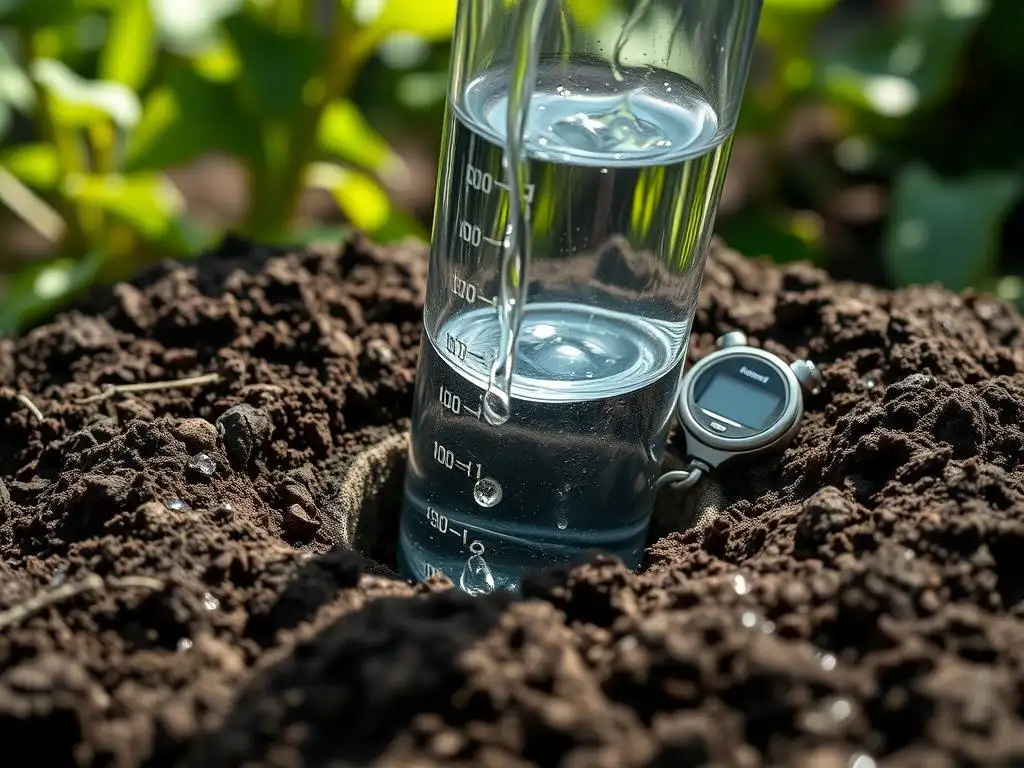
After digging your hole, carefully and slowly pour exactly 1 gallon (or 1 liter) of water into the hole. Use a measuring jug to ensure accuracy. It's crucial to pour the water gently to avoid disturbing the soil structure and to allow for even saturation. Time this process; start your stopwatch the moment the first drop of water enters the hole. Observe the water as it seeps into the soil.
The rate of absorption will vary depending on the soil type and its existing moisture content. You'll notice that initially, the water might disappear relatively quickly, but as the soil becomes saturated, the rate of absorption will slow down considerably. Keep a close eye on the water level; don't leave the area until all the water has been absorbed. Record the exact time it takes for the water to completely disappear into the soil.
This is a crucial measurement for the next step. Remember to note any observations, such as the presence of standing water after a significant amount of time, or evidence of particularly fast or slow absorption in certain areas of the hole. This could indicate variations in soil composition within your garden. For example, you might observe significantly faster absorption in sandy areas versus clay-rich patches.
Step 3: Calculating the Percolation Rate: Interpreting Your Results
Once you've recorded the time it took for the water to completely infiltrate the soil, you can calculate the percolation rate. This rate indicates how quickly water drains through your soil. The formula is straightforward:
Percolation Rate (inches/hour) = Depth of Water (inches) / Time (hours)
If you used a 1-gallon container, you'll need to convert the volume to a depth measurement. A gallon of water in a hole with a diameter of 6 inches will have a depth of approximately 2.6 inches. However, it is recommended to calculate the depth based on the actual dimensions of your hole. Remember to convert your time measurement (which was likely in minutes) into hours. For example, if it took 15 minutes for the water to fully absorb, you would divide 15 by 60 to get 0.25 hours.
Let's illustrate with an example: If it took 15 minutes (0.25 hours) for 2.6 inches of water to disappear, the percolation rate would be:
2.6 inches / 0.25 hours = 10.4 inches/hour
This indicates relatively good drainage. However, this is just an example. Now, what do these numbers mean for your garden?
- Excellent Drainage: A percolation rate of over 6 inches per hour suggests excellent drainage. Your soil is likely sandy and well-suited for most plants. However, you'll need to water more frequently, especially during dry spells.
- Good Drainage: A rate between 3 and 6 inches per hour points to good drainage, suitable for many plants. You'll have a good balance between water retention and drainage.
- Moderate Drainage: A rate between 0.5 and 3 inches per hour signifies moderate drainage. This might require amending your soil with organic matter to improve drainage, which is often vital for optimal plant growth.
- Poor Drainage: A rate of less than 0.5 inches per hour indicates poor drainage. This necessitates significant soil improvement techniques, such as the addition of compost, raised beds, or even the installation of drainage systems to prevent waterlogging and root rot. This is especially crucial for plants that are sensitive to waterlogged conditions. Remember, consistently waterlogged soil can suffocate plant roots, leading to stunted growth or even plant death. Understanding your soil's drainage is therefore crucial for successful gardening.
Interpreting Your Results: Understanding Drainage Categories
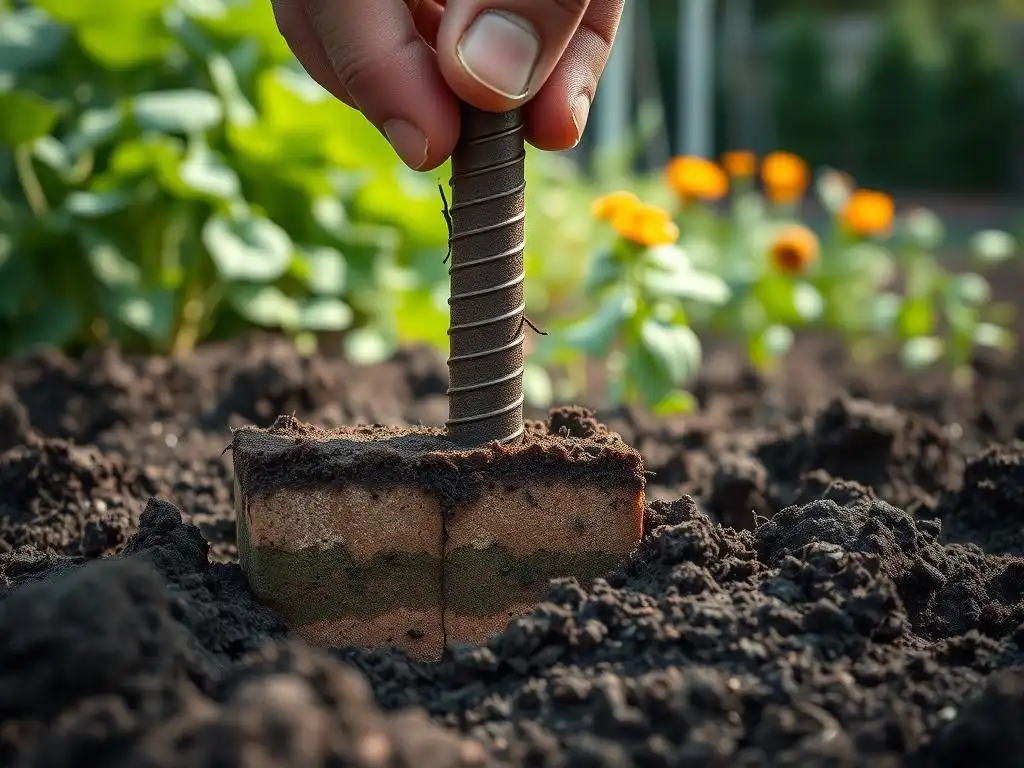
After conducting your water percolation test, you'll have a clearer understanding of your soil's drainage capabilities. The time it takes for the water to drain will determine the drainage category your soil falls into. This is crucial information for selecting appropriate plants and implementing effective gardening strategies. Remember, consistent soil moisture is key for healthy plant growth, but waterlogged soil can lead to root rot and other issues. Understanding your soil's drainage characteristics is the first step towards creating a thriving garden. Let's delve into the different drainage categories:
Excellent Drainage: What it Means and How to Maintain It
Excellent drainage is characterized by water disappearing rapidly from the hole you dug for the test – typically within 1 to 5 minutes. This indicates a sandy or gravelly soil composition that allows for easy water infiltration and percolation. While this sounds ideal, it also presents challenges. Excellent drainage often means that your soil dries out quickly, requiring more frequent watering, especially during dry spells.
This type of soil needs careful management to prevent nutrient leaching. Nutrients can be washed away easily with the rapid water drainage. Consider using organic mulches such as wood chips or straw to help retain moisture and suppress weeds. Mulching also helps to improve soil structure over time, which can slightly improve water retention. Adding compost regularly will improve soil's ability to retain moisture and nutrients.
Consider incorporating water-retaining soil amendments like peat moss or coco coir to increase the soil's water holding capacity. Regular soil testing can help monitor nutrient levels and guide fertilization strategies. Remember, even with excellent drainage, consistent monitoring and adjustments are necessary to keep your plants happy and healthy. Regular watering, particularly during hot and dry periods, is essential for plant survival. 💧
Good Drainage: Optimal Conditions for Most Plants
Good drainage signifies that water in the test hole disappears within 5 to 10 minutes. This is generally considered the ideal drainage condition for most garden plants. The soil structure is likely a balance of sand, silt, and clay particles, offering sufficient porosity for water infiltration while retaining enough moisture for plant growth. This well-balanced soil type minimizes the risks of both waterlogging and rapid drying.
Good drainage is a sweet spot for most gardeners. It requires less frequent watering compared to excellent drainage soils, yet it still prevents waterlogging issues. Maintaining good drainage involves regular soil aeration, which can be achieved through tilling or the use of a garden fork. This helps break up compacted soil and improve water penetration. Adding organic matter like compost enriches the soil and improves its overall structure and drainage.
Careful consideration of plant selection is still important; choose plants suited to your specific microclimate and soil conditions. Avoid overwatering, as this can still lead to problems even with good drainage. Regular observation of your plants' health will help you refine your watering schedule. 🌱
Moderate Drainage: Addressing Potential Challenges
Moderate drainage indicates that water takes more than 10 minutes to disappear from the test hole. This suggests a higher clay content in your soil, which can lead to poor drainage and waterlogging. While clay soils are fertile, their structure can impede water flow, increasing the risk of root rot and other plant diseases. However, with proper management, you can create a favorable environment for many plants.
Improving drainage in moderately draining soil requires strategic amendments and techniques. Adding organic matter such as compost, well-rotted manure, or leaf mold significantly improves soil structure and drainage. These materials help to break up compacted clay and create air pockets that allow for better water penetration. Raised garden beds are an effective solution for improving drainage in heavy clay soils.
They elevate the soil above the surrounding ground, promoting better water drainage and aeration. Consider installing a drainage system, such as gravel layers or drainage pipes, in particularly waterlogged areas. Avoid overwatering, as this will only exacerbate the problem. Choose plants tolerant of moist conditions, and ensure proper spacing to allow for adequate air circulation around plants.
Careful monitoring of soil moisture levels is crucial to prevent waterlogging. Regular aeration of the soil with a garden fork can also help improve drainage. Consider using a soil drainage test regularly to monitor improvements. 🛠️
Poor Drainage: Solutions and Improvement Strategies
Poor drainage, indicated by water pooling on the soil surface for extended periods after watering or rainfall, significantly hinders plant growth. Waterlogged soil deprives roots of oxygen, leading to root rot and ultimately plant death. Addressing poor drainage requires a multifaceted approach tailored to the severity of the problem and the size of the affected area.
One of the most effective solutions for improving drainage in smaller garden beds is the incorporation of organic matter. Compost, well-rotted manure, and leaf mold significantly enhance soil structure. These materials increase the soil's porosity, allowing for better water infiltration and aeration. Adding several inches of organic matter to the top layer of the soil can dramatically improve drainage over time.
The organic matter helps to create air pockets within the soil, improving both drainage and overall soil health. Remember to thoroughly mix the organic matter into the existing soil for optimal results. Regular top-dressing with compost also helps maintain soil health and drainage in the long term.
For more extensive areas with severely poor drainage, raised beds offer a superior solution. Constructing raised beds elevates the planting area above the surrounding soil, preventing water from accumulating at the root zone. The height of the raised bed should be sufficient to ensure adequate drainage; a depth of 12-18 inches is often recommended.
The sides of the raised beds can be constructed from a variety of materials, including wood, stone, or even recycled plastic. Filling the raised beds with a well-draining soil mix, incorporating plenty of organic matter, further enhances drainage and provides a suitable growing medium for your plants. This method allows for better control over soil composition and drainage, even in areas with naturally poor drainage.
Another crucial aspect of improving drainage is ensuring proper grading of the soil. Sloping the garden beds gently away from structures and low-lying areas prevents water from pooling. Even a slight slope can make a significant difference in how effectively water drains away. Careful observation of the land's natural contours can help guide this process. Consider using a level to ensure accurate grading. This approach is particularly important for larger gardens or areas with uneven terrain. Correct grading can help prevent water accumulation and subsequent drainage problems.
Finally, consider the use of drainage systems for more severe cases. This might involve installing perforated drainage pipes beneath the soil surface to channel excess water away from the planting area. The pipes should be laid at a slight slope to facilitate proper drainage. This more involved method is best suited for larger-scale projects or areas with exceptionally poor drainage where other methods have proven inadequate.
Professional assistance might be needed for proper installation to ensure optimal effectiveness. This is a long-term solution that requires careful planning and execution. Proper installation ensures effective water removal and prevents future drainage issues.
Improving Poor Drainage in Your Garden
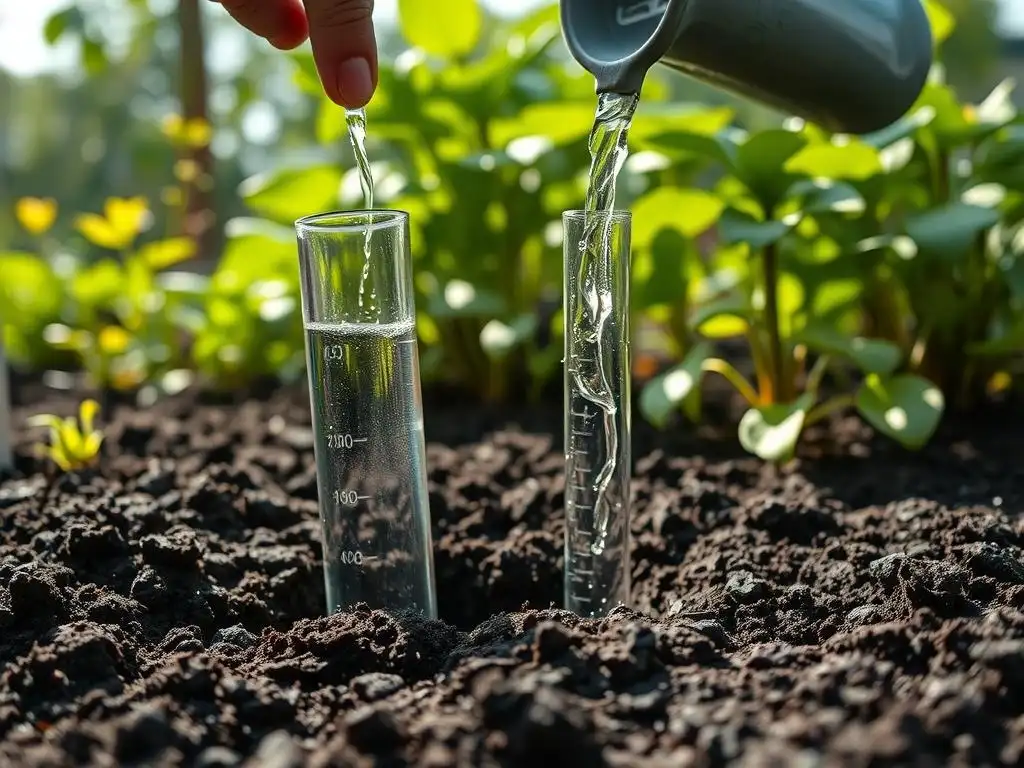
This section delves into practical solutions for addressing poor soil drainage, a common challenge for home gardeners aiming for thriving fruit, vegetable, and herb patches. Understanding your soil type is the first crucial step towards implementing effective drainage improvements. A successful garden relies heavily on proper water management, and this section provides actionable steps to achieve optimal soil conditions for your plants. Remember, consistent soil moisture is key, but waterlogging is detrimental.
Effective Drainage Solutions for Different Soil Types
The best approach to improving drainage varies significantly depending on your soil type. A simple soil texture test can help you determine your soil's composition (sandy, silty, clayey, or a combination).
- Clay Soil: Clay soils, known for their high water retention, benefit greatly from the addition of organic matter. Compost, well-rotted manure, and other organic materials improve soil structure, creating air pockets that allow for better water percolation. Consider incorporating amendments like gypsum, which helps break down clay particles. Deep tillage can also help, but be cautious not to compact the soil further. Regular tilling, however, should be avoided as it can damage soil structure.
- Sandy Soil: While sandy soils drain quickly, they often lack water retention. Amendments like peat moss, compost, and other organic materials can help increase water holding capacity. Consider mulching the soil surface with organic materials to reduce evaporation and improve water retention. Water more frequently, but in smaller quantities, to avoid runoff.
- Silty Soil: Silty soils usually offer a balance between drainage and water retention, but improvements can still be made. The addition of organic matter enhances drainage and aeration. Avoid overwatering and consider using raised beds to further improve drainage if needed.
| Soil Type | Primary Problem | Solution | Additional Considerations |
|---|---|---|---|
| Clay | Poor drainage, waterlogging | Add organic matter, gypsum, deep tilling (carefully) | Avoid compacting soil; monitor moisture levels |
| Sandy | Poor water retention, runoff | Add organic matter, mulch | Water frequently, but in smaller amounts |
| Silty | Moderate drainage, can improve | Add organic matter | Monitor moisture levels; consider raised beds |
The table above provides a concise summary; however, a comprehensive soil test from a local agricultural extension office provides the most accurate analysis for your specific soil conditions. This ensures you tailor your drainage solutions to the unique characteristics of your garden.
Creating Raised Beds for Improved Drainage
Raised beds offer a simple yet effective way to improve drainage, especially in areas with heavy clay soil or poor natural drainage. By elevating the planting area, you create a well-drained environment for your plants. The construction is relatively straightforward:
- Materials: Common materials include untreated lumber, bricks, or even repurposed materials like stacked pallets (ensure they're treated and safe for planting).
- Size and Shape: The size and shape depend on your needs and space constraints. Consider a depth of at least 12 inches to allow for adequate root development and soil volume.
- Filling: Fill the raised beds with a well-draining soil mix. A combination of topsoil, compost, and other organic amendments creates an ideal environment for plant growth.
- Drainage Considerations: Ensure the bottom of the raised bed has adequate drainage. You can add a layer of gravel or broken pottery at the bottom to further enhance drainage.
Creating raised beds is a sustainable solution, enhancing drainage while also improving soil fertility and ease of access for planting and harvesting. It’s a practical approach suitable for various garden sizes and layouts, offering a tangible improvement in soil health.
Implementing Drainage Systems: French Drains and Gravel Beds
For more severe drainage issues, installing a drainage system might be necessary. Two common methods are French drains and gravel beds.
- French Drains: These involve digging a trench, lining it with perforated pipe, and backfilling with gravel. The pipe collects excess water and redirects it away from the planting area. This is particularly effective for sloping gardens or areas with high water tables. Proper sloping of the trench is crucial for efficient water flow.
- Gravel Beds: These are simpler to install than French drains. They involve digging a shallow trench and filling it with gravel. The gravel acts as a reservoir, allowing excess water to percolate through the soil and away from the roots. This method is suitable for smaller areas and less severe drainage problems.
Remember that proper planning and execution are essential for the success of any drainage system. Consider consulting a landscaping professional for complex drainage issues or large-scale projects. Improper installation can lead to further problems. Careful consideration of your garden's specific needs and soil conditions will ensure you select and implement the most effective drainage solution.
Using Organic Matter to Enhance Soil Drainage
Improving soil drainage often involves incorporating organic matter. Organic materials, such as compost, well-rotted manure, and leaf mold, significantly improve soil structure. These materials don't just add nutrients; they create a more porous soil environment. Think of it like adding tiny sponges throughout your soil. These sponges (the organic matter) hold water, but they also allow for better air circulation and water percolation. This is crucial because compacted soil, a common cause of poor drainage, lacks these air pockets and spaces.
Adding organic matter helps break up the compaction, creating more pathways for water to move through the soil profile. The result? Less waterlogging and a healthier root system for your plants. The amount of organic matter needed varies depending on your soil type and its current condition. A heavy clay soil will require a substantially larger volume of organic matter compared to a sandy loam. A good rule of thumb is to incorporate at least 2-4 inches of well-rotted compost or other organic matter into the top layer of your soil before planting.
Remember to mix it thoroughly to ensure even distribution. Regular additions of compost throughout the growing season also help maintain soil structure and drainage over time. This is a slow but effective method of improving drainage, particularly beneficial for long-term soil health. Furthermore, the improved soil structure also enhances nutrient retention and microbial activity, leading to healthier and more vigorous plants. Don't underestimate the power of organic matter; it's a cornerstone of sustainable gardening practices and a highly effective solution for improving soil drainage.
Maintaining Optimal Soil Drainage
This section delves into the crucial aspects of maintaining healthy soil drainage once you've assessed it using the water percolation test. Proactive management is key to preventing future drainage problems and ensuring a thriving garden. Ignoring poor drainage can lead to root rot, nutrient deficiencies, and ultimately, plant failure. Therefore, consistent monitoring and preventative measures are vital for successful gardening. This involves a combination of regular testing, proactive soil management, and careful plant selection.
Regular Soil Testing and Monitoring
Regular soil testing is paramount for identifying potential drainage issues before they significantly impact your plants. A simple water percolation test, as described in the previous section, should be repeated at least twice a year – ideally, once in spring before planting and again in autumn after harvest. This allows you to track changes in your soil's drainage capacity over time. Factors like heavy rainfall, seasonal changes, or even the addition of organic matter can influence drainage.
Beyond the percolation test, consider using a soil probe to assess soil structure and compaction depth. A compacted soil layer will significantly impede water infiltration. Note the depth at which water penetration slows down or stops during your percolation test. This depth provides valuable insight into the potential need for soil amendment or other drainage improvement techniques.
Furthermore, keep a detailed soil journal. Record the results of your percolation tests, the types of plants you've grown, the amount of rainfall, and any soil amendments you've applied. This historical data will prove invaluable in understanding long-term trends and predicting potential drainage issues. This proactive approach to soil monitoring greatly enhances your ability to maintain optimal drainage conditions and prevent future problems. Remember, prevention is always better than cure when dealing with soil drainage.
Preventing Soil Compaction: Best Practices
Soil compaction is a major contributor to poor drainage. Compacted soil has reduced pore space, hindering water infiltration and oxygen exchange. Preventing compaction requires careful management of your garden beds. Here are some best practices:
- Avoid excessive foot traffic: Use pathways or boards to minimize walking directly on your garden beds.
- Mulching: Applying a layer of organic mulch (such as compost, shredded leaves, or straw) helps protect the soil surface from the impact of raindrops, preventing compaction. It also improves soil structure and water retention over time.
- No-till gardening: Avoid tilling or digging excessively, as this disrupts soil structure and can lead to compaction.
- Cover cropping: Planting cover crops, such as clover or rye, helps improve soil structure and reduce compaction. Their roots create channels that improve drainage.
- Aerate compacted soil: For existing compacted areas, consider using a garden fork or aeration tool to loosen the soil and create channels for better water penetration. This is particularly helpful if your percolation test reveals severely compacted layers.
Choosing the Right Plants for Your Soil Type
Understanding your soil's drainage capabilities is critical when selecting plants. Choosing plants suited to your soil conditions is essential for their healthy growth. For poorly draining soils, select plants that tolerate wet conditions. Conversely, plants that require well-drained soil will struggle in poorly draining areas.
Here's a simple guide:
| Plant Type | Soil Drainage Preference | Example Plants |
|---|---|---|
| Water-loving plants | Poor drainage | Water lilies, rice, papyrus |
| Moderately wet tolerant | Moderately well-drained | Hostas, ferns, astilbes |
| Well-drained soil lovers | Well-drained | Tomatoes, peppers, most herbs |
| Drought-tolerant plants | Excellent drainage | Lavender, succulents, rosemary |
Remember to always check the specific needs of the individual plant varieties you choose. Even within a plant type, some varieties might have different drainage requirements. Using appropriate plants is a crucial aspect of successful gardening, especially when dealing with challenging soil conditions. Choosing the right plant for the right soil significantly minimizes the risk of drainage-related issues, contributing to a thriving and healthy garden. 🌱
Long-term Strategies for Soil Health and Drainage
Improving soil drainage isn't just about a quick fix; it's about building long-term soil health. This holistic approach ensures your garden thrives year after year, resisting waterlogging and providing optimal conditions for root growth. One key aspect is improving soil structure. Compacted soil, a common culprit in poor drainage, needs amending.
This involves incorporating organic matter, such as compost, well-rotted manure, or leaf mold. These materials not only enhance drainage by creating air pockets within the soil but also improve its overall fertility and water retention capabilities – a crucial balance for healthy plants. Think of it like adding sponges to clay: the sponges (organic matter) create spaces for water to move through, preventing saturation.
The benefits extend beyond drainage. Organic matter feeds beneficial soil microbes, which in turn improve nutrient cycling and disease resistance. Regular additions of compost, even small amounts throughout the growing season, contribute significantly to long-term soil health and drainage. Avoid tilling excessively, as this can disrupt soil structure and worsen compaction. Instead, opt for no-till or minimal-till gardening methods. These techniques protect the soil's delicate structure, preserving the beneficial air pockets and channels that promote good drainage.
Another crucial long-term strategy is crop rotation. Different plants have different root systems and nutrient requirements. Rotating crops helps prevent nutrient depletion and soil compaction associated with repeatedly planting the same species in the same location. For instance, deep-rooted plants like carrots can help break up compacted soil, improving drainage for shallower-rooted plants in subsequent years.
Furthermore, cover cropping, planting crops specifically to improve soil health, is incredibly beneficial. Cover crops like clover or rye can help prevent erosion, improve soil structure, and add organic matter to the soil. They act as a natural soil amendment, leaving behind beneficial residues when tilled under or left to decompose naturally. By combining these long-term strategies—regular organic matter additions, minimal tillage, crop rotation, and cover cropping—you create a self-sustaining system that promotes excellent soil drainage and overall garden health.
The result? Healthier plants, less susceptibility to diseases, and a more resilient and productive garden that requires less intervention over time. This proactive approach is far more sustainable and effective than relying solely on short-term solutions for drainage problems.
Frequently Asked Questions
How important is soil drainage for my garden?
Soil drainage is crucial for healthy plant growth. Poor drainage leads to root rot and other plant diseases, while good drainage ensures proper oxygenation and nutrient uptake.
What is a water percolation test?
A water percolation test, or drainage test, measures how quickly water drains through your soil. This helps determine if your soil has adequate drainage for gardening. It's a simple, DIY method to assess your soil's health.
How do I perform a water percolation test?
Dig a hole, fill it with water, and time how long it takes for the water to drain. The time it takes indicates your soil's drainage rate: faster drainage is better. Repeat this at several locations for a more accurate assessment.
What if my soil drainage is poor? What can I do?
Poor drainage can be improved by adding organic matter like compost, which improves soil structure. You can also create raised beds or install drainage systems for better water management. Amendments are key.
Can I use the water percolation test for all types of plants?
While the test provides a general indication of soil drainage, the ideal drainage needs vary by plant. Some plants tolerate wetter conditions, while others require excellent drainage. Always research the specific needs of your chosen plants.
Final Reflection: Understanding Your Soil, Cultivating Your Garden
Understanding soil drainage is not merely a technicality; it's the cornerstone of a thriving garden. A simple water percolation test, as detailed in this guide, can be the difference between lush blooms and wilting disappointment. This seemingly small act of observation unlocks a deeper understanding of your land, empowering you to make informed decisions that directly impact the health and productivity of your plants.
The impact of proper soil drainage extends far beyond the individual garden. It influences the broader ecosystem, impacting water conservation and preventing erosion. Understanding the nuances of your soil fosters a deeper connection with the natural world, encouraging responsible stewardship. The land was our mother, and we were her children.
This simple truth highlights the interconnectedness of our actions and the environment, making responsible soil management a crucial aspect of sustainable living.
Now, consider your own garden, your own patch of earth. What story does your soil tell? Take the time to perform a water percolation test; it's a small investment with potentially significant returns. Observe, learn, and adapt your gardening practices accordingly. By understanding the unique characteristics of your soil, you'll not only cultivate healthier plants but also cultivate a deeper appreciation for the intricate balance of the natural world. Let this simple test be the beginning of a more fruitful and fulfilling gardening journey.
Unlock Your Soil's Secrets: Take Action Now!
Thanks for exploring the world of water percolation testing with us! You now understand how to assess your soil's drainage and improve your garden's health. Ready to apply this knowledge?
- Perform a percolation test this weekend: Gather a bucket, stopwatch, and follow the steps in the article to analyze your soil's drainage. This is crucial for a thriving garden.
- Share your results and experiences with other CultivateYourFood community members in the comments below! Let's learn from each other's successes and challenges.
- Based on your findings, consider amending your soil. This allows you to tailor your garden perfectly to its specific needs.
Ready to discover your soil's hidden potential? What did your percolation test reveal?