
Attracting Pollinators: Enhancing Your Southeast Garden's Biodiversity
Discover the secrets of Gardening in the Southeast 🌱 with practical, region-specific advice for growing fruits, vegetables, and herbs in warm climates. Learn how to work with humid weather, sandy or clay soils, seasonal planting windows, native plants, organic pest control, composting, and water-wise techniques. Whether you’re starting a backyard garden or improving your harvest, CultivateYourFood helps you grow a thriving, sustainable garden naturally.
5 articles
Companion Planting in the Southeast: Maximizing Space and Yield
Frost Protection for Southeast Gardens: Safeguarding Your Plants from Cold
Conquering the Heat: Essential Tips for Thriving Southeast Gardens
Dealing with Garden Pests: Specific to the Southeast Region
🌱 Gardening in the Southeast: Regional Growing Guides for a Productive Home Garden
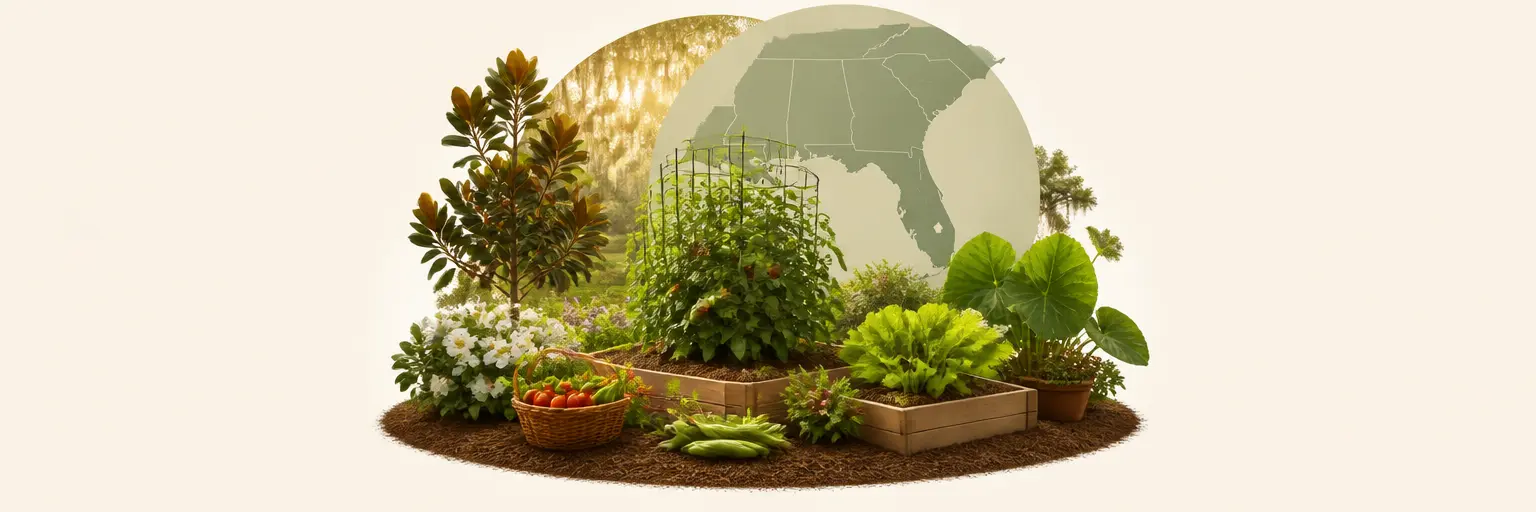
Welcome to Gardening in the Southeast from CultivateYourFood, your practical resource for growing fruits, vegetables, and herbs in the warm, humid conditions found across the southeastern United States. This regional gardening subcategory provides location-aware advice for gardeners in states such as Florida, Georgia, Alabama, Mississippi, Louisiana, South Carolina, North Carolina, Tennessee, and nearby areas. Discover how to plan a sustainable garden, choose heat-tolerant crops, improve challenging soil, manage heavy rainfall, and grow healthy food using organic gardening practices.
🌦️ Understand the Southeast Growing Climate
Readers can expect helpful information about the Southeast’s long growing seasons, mild winters, hot summers, high humidity, intense sunlight, and frequent storms. Our regional gardening guides explain how climate conditions affect planting dates, seed germination, watering schedules, pollination, and crop performance.
Learn how to work with local USDA hardiness zones, frost dates, microclimates, and seasonal weather patterns. Choosing the right planting window can help reduce heat stress, prevent cold damage, and support reliable harvests throughout spring, summer, fall, and winter.
🥕 Choose Vegetables for Southern Gardens
Explore vegetable gardening advice for crops that perform well in southeastern conditions, including tomatoes, peppers, okra, beans, cucumbers, squash, sweet potatoes, collard greens, kale, lettuce, carrots, radishes, and southern peas. Each guide can help you understand soil preparation, spacing, sunlight requirements, watering, and harvesting.
Discover how to select heat-tolerant, disease-resistant, and regionally adapted varieties for a productive home vegetable garden. You will also find practical tips for succession planting, raised beds, container gardening, and extending the harvest during hot or unpredictable weather.
🍅 Grow Fruits, Herbs, and Edible Perennials
Find regional guidance for growing fruits and herbs in the Southeast, from strawberries, blueberries, figs, muscadines, blackberries, and citrus to basil, rosemary, thyme, mint, oregano, cilantro, and parsley. Learn which plants prefer full sun, partial shade, acidic soil, excellent drainage, or protection from winter cold.
Our content emphasizes productive and sustainable edible landscapes that provide fresh food season after season. Expect information about pruning, fertilizing, mulching, pollination, container growing, and choosing perennial crops suited to your local climate.
🌿 Improve Southern Soil Naturally
Southeastern garden soil can vary from sandy coastal soil and heavy clay to acidic woodland soil and compacted urban ground. Learn how to evaluate drainage, soil texture, fertility, and pH before planting. These guides explain how soil testing can help you make informed amendments instead of relying on guesswork.
Discover organic methods for building fertile soil, including composting, cover crops, leaf mold, aged manure, mulching, and no-till gardening. Healthy soil supports stronger roots, better moisture retention, improved nutrient availability, and greater resilience against pests and diseases.
💧 Manage Heat, Humidity, Rain, and Watering
Gardening in the Southeast often requires careful water management. Readers will learn how to irrigate efficiently during hot, dry periods while preventing waterlogged roots during heavy rain. Topics include drip irrigation, rain barrels, soaker hoses, morning watering, drainage improvements, and moisture-retaining mulch.
Learn how to protect plants from heat stress, sunscald, fungal problems, and sudden weather changes. Consistent moisture at the root zone, combined with good airflow and appropriate spacing, can improve plant health while conserving water in an organic home garden.
🐞 Practice Organic Pest and Disease Control
Explore natural ways to identify and manage common southeastern garden pests, including aphids, caterpillars, squash bugs, stink bugs, whiteflies, spider mites, fire ants, and nematodes. Guides focus on prevention, regular observation, beneficial insects, physical barriers, handpicking, and habitat-friendly pest management.
You can also learn how to reduce fungal and bacterial diseases encouraged by warm, humid weather. Crop rotation, resistant varieties, clean garden tools, proper spacing, mulch, and integrated pest management help protect crops without unnecessary synthetic pesticides.
♻️ Compost, Mulch, and Sustainable Garden Care
CultivateYourFood provides practical ideas for composting kitchen scraps, leaves, grass clippings, and garden residues at home. Learn how to balance green and brown materials, maintain moisture and airflow, troubleshoot odors, and create finished compost for vegetable beds, fruit trees, herbs, and ornamental edible landscapes.
Discover sustainable techniques such as collecting rainwater, reusing organic materials, planting pollinator-friendly flowers, reducing waste, and protecting soil from erosion. Eco-friendly gardening methods can lower household waste, conserve resources, and create a healthier growing environment for people and wildlife.
📅 Plan a Year-Round Southeast Garden
Find seasonal planting guidance for spring, summer, fall, and winter in the Southeast. Readers can use crop calendars, succession planting plans, frost-date information, and regional checklists to decide when to start seeds indoors, transplant seedlings, direct-sow crops, and prepare beds for the next season.
Whether you maintain a backyard garden, raised beds, a balcony container garden, or a small homestead plot, these resources make regional garden planning easier. Expect actionable advice for continuous harvests, efficient space use, crop rotation, and long-term garden productivity.
❓ Frequently Asked Questions About Gardening in the Southeast
What vegetables grow best in the Southeast?
Popular Southeast vegetables include tomatoes, peppers, okra, beans, cucumbers, squash, sweet potatoes, southern peas, collard greens, kale, mustard greens, and radishes. The best choices depend on your local climate, soil, sunlight, and planting season. Heat-tolerant and disease-resistant varieties are often especially useful.
When should I plant a garden in the Southeast?
Planting dates vary by state and USDA hardiness zone. Cool-season crops can often be planted in late winter, early spring, or fall, while warm-season crops are usually planted after the final spring frost. Use local frost dates and soil temperatures to create a more accurate planting schedule.
How can I improve heavy clay or sandy soil?
Add finished compost, organic matter, and organic mulch gradually to improve soil structure. Compost can help sandy soil retain moisture and support clay soil with better drainage and aeration. A soil test is recommended before adding lime, sulfur, or large amounts of fertilizer.
How do I control garden pests organically in the Southeast?
Start with prevention and monitoring. Choose resistant plants, rotate crops, encourage beneficial insects, remove diseased material, use row covers or insect netting, and handpick larger pests when practical. Integrated pest management helps control infestations while minimizing harm to pollinators and other helpful organisms.
How often should I water a southeastern garden?
Watering depends on rainfall, soil type, temperature, plant maturity, and container size. Water deeply at the soil level when the top layer begins to dry, preferably in the morning. Mulch and drip irrigation can reduce evaporation, while raised beds and well-drained soil help prevent waterlogged roots.