
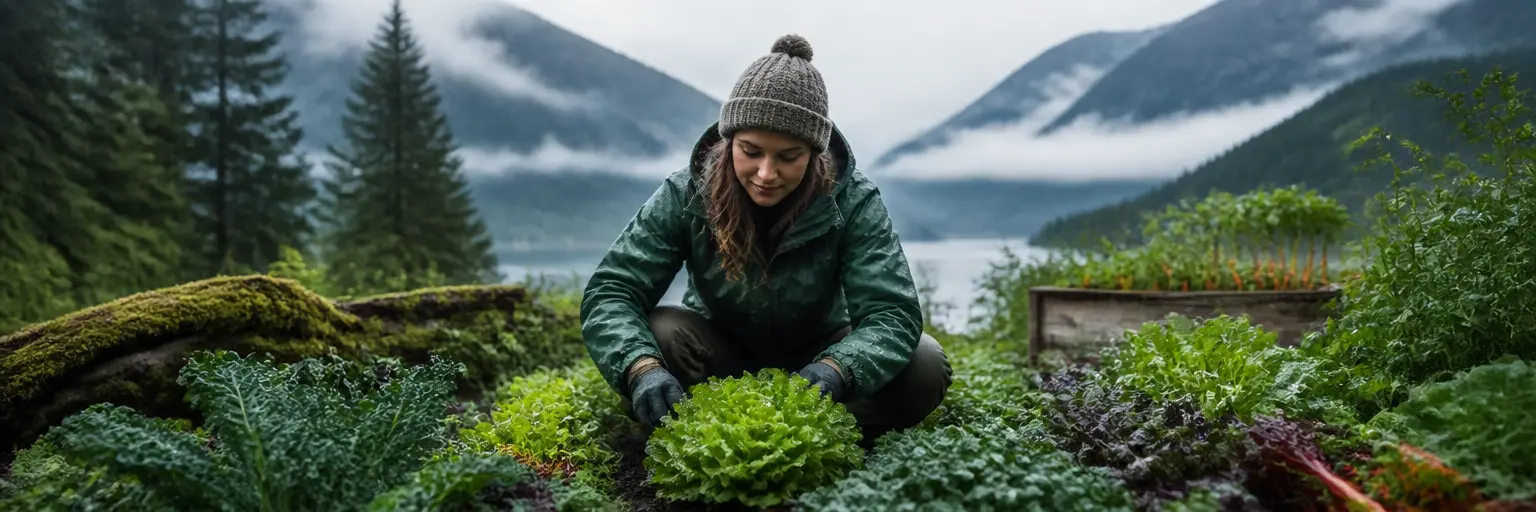
Planning Your Pacific Northwest Garden: Making the Most of Your Space
Discover Gardening in the Pacific Northwest 🌿 with practical, eco-friendly guidance for growing fruits, vegetables, and herbs in the region’s unique climate. Learn how to work with cool, wet winters, mild summers, rich soil, and local growing seasons using organic gardening, water-wise techniques, composting, natural pest control, and sustainable planting strategies. Cultivate a productive home garden and enjoy fresh, healthy harvests year-round!
5 articles
Organic Fertilizers for PNW Gardens: Nurturing Your Plants Naturally
Dealing with Heavy Rain in PNW Gardens: Drainage Solutions
Tips for Growing Root Vegetables in the Pacific Northwest
Soil Preparation for Pacific Northwest Gardens: Achieving the Perfect Mix
🌲 Gardening in the Pacific Northwest: Grow More with Less
Welcome to Gardening in the Pacific Northwest, a practical resource from CultivateYourFood for growing fruits, vegetables, herbs, and flowers in Washington, Oregon, British Columbia, Idaho, and nearby coastal and inland regions. This subcategory focuses on the unique conditions of Pacific Northwest gardening, including mild winters, cool summers, wet seasons, dry periods, acidic soils, limited sunlight, and diverse microclimates. Discover organic gardening methods, seasonal planting advice, crop recommendations, composting techniques, natural pest control, and water-wise garden planning designed for home gardeners.
🌧️ Pacific Northwest Climate and Growing Conditions
Successful gardening in the Pacific Northwest begins with understanding the region’s climate. Western areas often experience wet winters, mild temperatures, cool summers, and long periods of cloud cover, while eastern areas may have hotter summers, colder winters, lower humidity, and less rainfall. Our guides explain how rainfall, frost dates, sunlight, wind, elevation, and local microclimates influence planting and garden maintenance.
Readers can expect practical strategies for managing poor drainage, heavy clay soil, moss, slugs, summer drought, and limited sunlight. Learn how to select plants suited to your USDA hardiness zone, improve growing conditions with organic matter, and create resilient beds that support healthy crops throughout the year.
🌱 Seasonal Planting Guides for Northwest Gardens
Pacific Northwest gardening depends on timing. Cool-season vegetables such as kale, spinach, lettuce, peas, onions, and radishes can often be started early, while heat-loving crops such as tomatoes, peppers, cucumbers, beans, and squash require careful scheduling. Our seasonal gardening guides help you understand when to sow seeds indoors, transplant seedlings, direct-sow crops, and protect plants from cold temperatures.
Use these resources to create a productive year-round planting calendar. You will find advice for winter gardening, early spring planting, summer crop care, fall succession planting, and overwintering vegetables. Recommendations are adaptable for raised beds, containers, small backyards, community plots, and larger home gardens.
🥕 Best Vegetables to Grow in the Pacific Northwest
Many vegetables thrive in the region’s cool, moist conditions. Explore growing information for leafy greens, brassicas, root vegetables, peas, potatoes, carrots, beets, garlic, leeks, and other crops that perform well in Northwest gardens. These guides cover seed starting, soil preparation, spacing, watering, fertilizing, harvesting, and crop rotation.
We also explain how to grow warm-season vegetables successfully despite short or cool summers. Learn how to use black mulch, row covers, cloches, greenhouses, containers, and south-facing locations to increase warmth and extend the growing season. Organic techniques help improve plant vigor while reducing dependence on synthetic fertilizers and chemical treatments.
🍎 Fruits, Berries, and Perennial Food Plants
The Pacific Northwest is well suited to many fruit crops and perennial edibles. Discover how to grow apples, pears, plums, cherries, figs, grapes, blueberries, raspberries, strawberries, currants, gooseberries, and other fruits in home gardens. Our content explains pollination, pruning, soil requirements, planting locations, fertilizing, pest prevention, and harvest timing.
Readers will also find guidance for choosing varieties that match local conditions, from wet coastal gardens to drier inland landscapes. Learn how to support long-term plant health with organic mulch, compost, companion planting, proper pruning, and disease-resistant cultivars.
🌿 Herbs and Native Edible Plants
Grow fresh herbs such as parsley, chives, thyme, sage, mint, oregano, cilantro, and rosemary using containers, raised beds, or dedicated herb gardens. Our Pacific Northwest herb-growing guides cover drainage, sunlight, winter protection, pruning, harvesting, and storage so you can enjoy flavorful ingredients throughout the year.
Native and regionally adapted edible plants can provide additional food, habitat, and ecological value. Learn how to incorporate suitable berries, herbs, perennial vegetables, and pollinator-friendly plants into a sustainable garden while respecting local ecosystems and avoiding invasive species.
🪱 Organic Soil Improvement and Composting
Healthy soil is the foundation of productive Northwest gardening. Frequent rain can leach nutrients, while compacted or clay-heavy soils may drain slowly. CultivateYourFood provides guidance on using compost, aged manure, leaf mold, cover crops, mulch, and other organic amendments to improve soil structure, moisture retention, fertility, and biological activity.
Explore practical composting methods for kitchen scraps, leaves, grass clippings, and garden waste. You will learn how to balance carbon-rich and nitrogen-rich materials, maintain appropriate moisture, prevent odors, and produce valuable compost for vegetables, fruit trees, herbs, and flowers. Building living soil reduces waste and supports sustainable food production.
🐌 Natural Pest and Disease Control
Wet conditions can encourage slugs, snails, fungal diseases, mildew, aphids, cabbage worms, and other common garden problems. Our guides focus on identifying pests accurately and using integrated pest management methods before problems become severe. Learn about hand-picking, barriers, beneficial insects, crop rotation, sanitation, resistant varieties, and habitat for natural predators.
Discover safer alternatives to harsh pesticides, including organic pest control, biological controls, companion planting, physical protection, and responsible product selection. The goal is to protect edible crops while supporting pollinators, earthworms, birds, soil organisms, and the wider Pacific Northwest ecosystem.
💧 Water Management and Summer Garden Care
Although the Pacific Northwest is known for rainfall, many gardens experience dry summers and temporary drought conditions. Our resources explain efficient irrigation for raised beds, containers, vegetable plots, fruit trees, and perennial borders. Learn how to water deeply, reduce evaporation, check soil moisture, and select systems such as drip irrigation and soaker hoses.
Mulching is especially valuable for maintaining consistent moisture and moderating soil temperatures. Find practical advice for water-wise gardening, rainwater management, drainage improvement, erosion prevention, and drought-tolerant crop selection without sacrificing productivity or plant quality.
🏡 Raised Beds, Containers, and Small-Space Gardening
Not every gardener has a large yard or ideal soil. Raised beds can improve drainage, warm the soil, reduce compaction, and make planting easier, while containers allow vegetables and herbs to grow on patios, balconies, decks, and small urban spaces. Our guides cover bed placement, container size, soil mixes, crop combinations, trellising, and seasonal maintenance.
Make the most of limited space with vertical gardening, succession planting, square-foot gardening, compact varieties, and intensive organic growing techniques. These approaches are useful for beginners, renters, urban gardeners, and anyone who wants to produce more fresh food in a small footprint.
🦋 Wildlife, Pollinators, and Sustainable Garden Design
A productive garden can also provide habitat for bees, butterflies, hummingbirds, birds, and beneficial insects. Learn how to add native plants, flowering herbs, shelter, water sources, and pesticide-free areas that support local biodiversity. Thoughtful garden design can improve pollination and reduce pest pressure naturally.
Our sustainable gardening advice encourages responsible use of resources, healthy soil-building, composting, crop diversity, and seasonal planning. Whether you are creating a backyard food forest or a simple vegetable bed, you can cultivate nutritious food while protecting the natural character of the Pacific Northwest.
❓ Frequently Asked Questions About Gardening in the Pacific Northwest
🌱 When should I start planting a vegetable garden in the Pacific Northwest?
Planting times depend on your specific location, elevation, frost date, and microclimate. Cool-season crops such as peas, spinach, lettuce, onions, and kale can often be planted in late winter or early spring, while tomatoes, peppers, cucumbers, and squash should usually wait until the soil and nighttime temperatures are warmer.
🌧️ What vegetables grow best in the Pacific Northwest?
Kale, broccoli, cabbage, lettuce, spinach, peas, carrots, beets, potatoes, onions, garlic, leeks, and Swiss chard generally perform well. With added warmth and protection, gardeners can also grow tomatoes, beans, cucumbers, peppers, and summer squash successfully.
🪱 How can I improve wet or clay soil organically?
Add finished compost, leaf mold, aged organic matter, and well-decomposed mulch to improve soil structure over time. Avoid working saturated soil, which can increase compaction. Raised beds, broad forks, cover crops, and appropriate drainage channels can also help manage excess moisture without damaging soil life.
🐌 How do I control slugs without harming wildlife?
Use regular hand-picking, slug barriers, boards or traps, targeted removal, and habitat management. Watering in the morning, reducing hiding places, and encouraging birds, frogs, and other predators can help. Always choose pest-control products carefully and follow labels to protect pets, pollinators, and beneficial organisms.
💧 Does a Pacific Northwest garden need irrigation?
Most gardens benefit from supplemental irrigation during the region’s dry summer months. Water deeply and less frequently when appropriate, check moisture below the surface, and apply organic mulch to reduce evaporation. Drip irrigation and soaker hoses are efficient options for vegetable beds, containers, and fruit plants.