
Elevate Your Gardening: Software for Efficient Water Management
Discover the best garden planning software and apps to simplify your growing season 🌱 From digital garden layouts and planting calendars to crop rotation, companion planting, task reminders, and harvest tracking, these smart tools help you make confident, sustainable decisions. Whether you’re planning a backyard vegetable garden, herb patch, or container garden, find user-friendly resources that support organic gardening, efficient space management, and a more productive home harvest. 📱🥕
4 articles
No More Guesswork: Software for Accurate Plant Spacing and Companion Planting
Beyond Paper: Digital Tools for Creating Detailed Garden Maps
Unlocking Your Garden's Potential: Software That Analyzes Your Soil
🌱 Must-Have Software and Apps for Garden Planning
Plan a more productive, sustainable, and organized home garden with the best garden planning software and gardening apps for growing fruits, vegetables, and herbs. This educational resource from CultivateYourFood helps beginners and experienced gardeners compare digital tools for garden layout design, crop planning, planting calendars, companion planting, seed tracking, garden journals, and organic pest management. Whether you are planning a backyard vegetable garden, container garden, raised beds, or an indoor herb garden, the right app can simplify every step from seed selection to harvest.
📐 Garden Layout Design and Bed Planning Tools
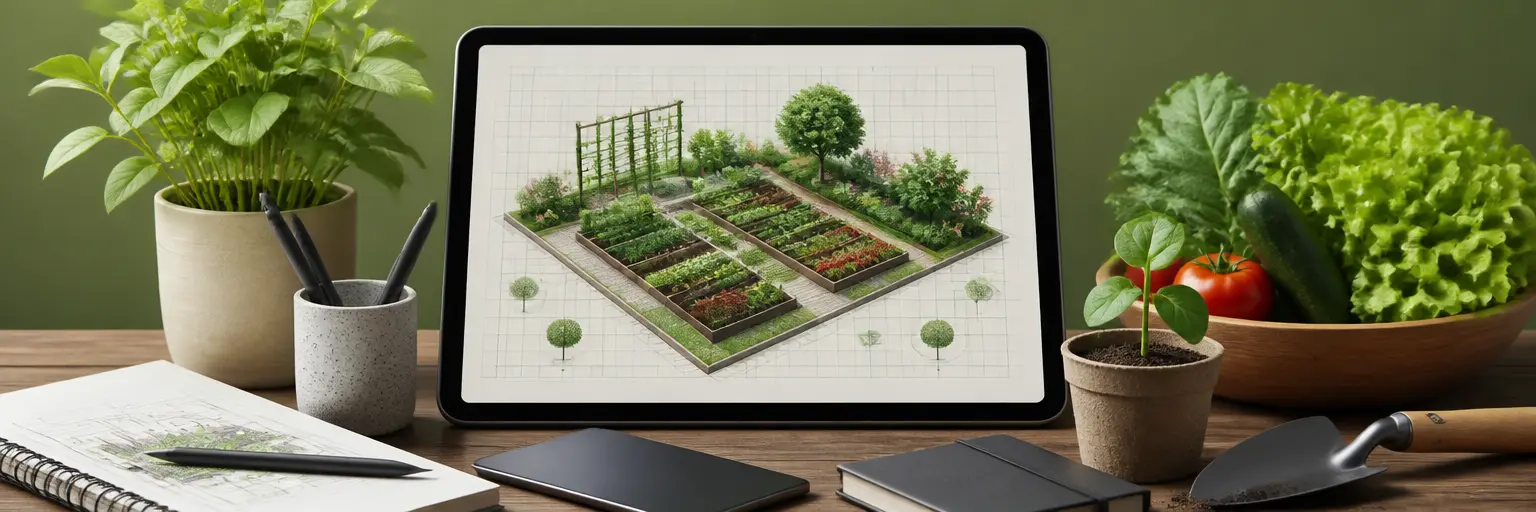
Discover software and mobile apps that help you create an accurate vegetable garden layout before planting. Readers can learn how to map raised beds, pathways, containers, greenhouse spaces, and backyard growing areas while considering sunlight, spacing, accessibility, and efficient use of available land.
Many garden planner tools include drag-and-drop features, plant spacing guides, square-foot gardening templates, and visual design options. These resources make it easier to organize crops, avoid overcrowding, plan crop rotation, and create a productive garden that is practical to maintain using sustainable and organic gardening methods.
📅 Planting Calendars and Seasonal Garden Planning
Find gardening apps that provide personalized planting calendars based on location, climate zone, frost dates, and seasonal growing conditions. These tools can help determine when to start seeds indoors, transplant seedlings, direct-sow vegetables, and schedule succession planting for a longer harvest season.
Readers can also explore digital reminders for watering, fertilizing, pruning, harvesting, and protecting plants from weather changes. A reliable garden calendar supports year-round planning and helps gardeners grow suitable crops at the right time for their local climate.
🌿 Crop Rotation and Companion Planting Apps
Learn how digital garden planning tools can support crop rotation and healthy soil management. By recording where plant families were grown in previous seasons, gardeners can reduce nutrient depletion and help lower the risk of recurring soil-borne diseases.
Companion planting features can also suggest beneficial plant combinations, such as herbs and flowers that attract pollinators or support natural pest control. These tools are especially useful for organic gardeners seeking practical alternatives to synthetic pesticides while improving biodiversity in the home garden.
🧑🌾 Seed, Plant, and Garden Journal Management
Explore apps that make it simple to organize seed collections, plant varieties, purchase dates, germination rates, and planting locations. A digital garden journal can preserve important information about which tomatoes, peppers, beans, herbs, or leafy greens performed best in your growing conditions.
Detailed records allow gardeners to compare harvest quantities, weather patterns, pest problems, and soil improvements from season to season. Readers can use these insights to make smarter seed choices, reduce waste, and develop a personalized garden plan based on real results.
💧 Watering, Composting, and Organic Garden Care
Discover gardening apps that provide reminders and guidance for watering, compost application, mulching, soil preparation, and natural plant care. These features can help gardeners maintain consistent routines while avoiding overwatering and supporting healthy soil biology.
Some tools also offer information about composting, homemade soil amendments, organic fertilizers, and water-saving techniques. Used alongside responsible gardening practices, these resources can help cultivate nutritious produce while conserving water and reducing reliance on chemical inputs.
🐞 Pest Identification and Natural Pest Control
Use plant care apps and reference tools to identify common garden pests, plant diseases, and signs of nutrient deficiencies. Photo-based identification features may help gardeners investigate damaged leaves, insect activity, fungal symptoms, and other problems affecting fruits, vegetables, and herbs.
Readers can find guidance on organic pest control, including hand-picking, physical barriers, beneficial insects, crop diversity, and habitat planting. These resources encourage careful identification before treatment, helping protect pollinators and maintain a balanced garden ecosystem.
📱 Choosing the Best Garden Planning App
Compare the features that matter most when selecting garden planning software, including ease of use, plant databases, climate-zone support, offline access, device compatibility, cost, and data privacy. Beginners may prefer a simple visual planner, while experienced growers may need advanced crop rotation, seed inventory, and harvest tracking tools.
The best garden app should support your specific goals, whether you are managing a small balcony garden, a community plot, a homestead vegetable garden, or a large backyard growing space. Look for software that encourages organic, sustainable, and productive gardening rather than offering features you will not use.
❓ Frequently Asked Questions About Garden Planning Software and Apps
What is garden planning software?
Garden planning software is a digital tool that helps you design planting areas, organize crops, calculate spacing, track planting dates, and manage seasonal garden tasks. Many programs include visual layouts, plant databases, frost-date information, and reminders for home vegetable gardening.
Are garden planning apps useful for beginners?
Yes. Garden planning apps can simplify gardening by providing step-by-step planting information, crop spacing recommendations, watering reminders, and seasonal schedules. Beginners can use them to avoid common mistakes and create a manageable garden plan suited to their space and climate.
Can a garden app help with organic pest control?
Many apps include pest and disease identification features along with information about natural treatments. They may recommend methods such as crop rotation, companion planting, insect netting, beneficial insects, and hand removal. Always verify an identification before applying any treatment.
What features should I look for in a vegetable garden planner?
Useful features include garden bed mapping, plant spacing guides, climate-zone support, frost-date calendars, crop rotation tracking, companion planting suggestions, seed inventory, harvest records, and task reminders. Choose features that match the size and complexity of your garden.
Do I need paid software to plan a home garden?
No. Free garden planning apps and basic online tools can be sufficient for many home gardeners. Paid software may offer larger plant databases, advanced layouts, automated reminders, detailed crop rotation, and multi-season tracking. Compare the available features before deciding which option provides the best value.