
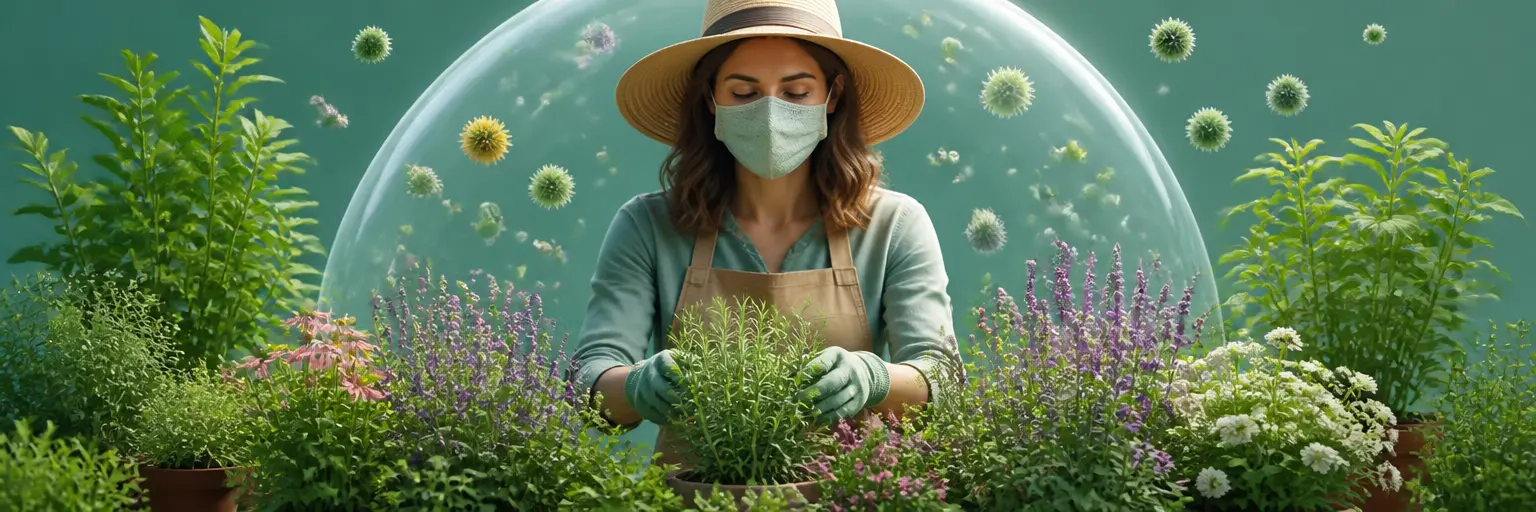
Natural Allergy Relief: How Your Garden Can Help Soothe Symptoms
Discover smarter, more comfortable ways to garden with allergy-friendly planting tips 🌿 Learn how to choose low-allergen fruits, vegetables, herbs, and flowers, reduce pollen exposure, and use sustainable organic gardening practices for healthier harvests. From garden design and composting to natural pest control and seasonal maintenance, find practical solutions that help allergy sufferers cultivate fresh food at home with greater confidence and comfort. 🌱
4 articles
AllergyFriendly Herbs: Adding Flavor without Triggering Symptoms
The Science Behind Allergies in the Garden: Understanding Reactions
The Psychological Benefits of Gardening for Allergy Sufferers
🌿 Gardening for Allergy Sufferers: Create a Comfortable, Low-Allergen Garden
Welcome to Gardening for Allergy Sufferers at CultivateYourFood, a practical resource for growing fruits, vegetables, and herbs while reducing exposure to common garden allergens. Discover low-allergen gardening ideas, pollen-conscious planting strategies, organic garden care tips, and ways to design a productive outdoor space that feels more comfortable for people with seasonal allergies, hay fever, asthma sensitivities, or plant-related irritation.
🌱 Choosing Low-Allergen Plants for Your Garden
Learn how to select low-pollen fruits, vegetables, herbs, flowers, and shrubs for a more allergy-friendly garden. Our guidance focuses on plants that are less likely to release large amounts of airborne pollen, including many crops that depend on insects rather than wind for pollination.
Explore practical plant-selection advice for raised beds, container gardens, balconies, patios, and small backyard plots. You can discover suitable edible plants while still supporting biodiversity, pollinators, and sustainable organic gardening practices.
🌾 Understanding Common Garden Allergy Triggers
Gardening allergies can be caused by airborne pollen, mold spores, dust, grasses, weeds, sap, and irritating plant hairs. This subcategory explains how common allergy triggers develop and how they may affect gardeners during planting, weeding, composting, watering, and harvesting.
Find clear, helpful information about identifying high-pollen plants and minimizing unnecessary exposure. While gardening advice cannot replace medical guidance, understanding seasonal allergy patterns can help you plan garden tasks more comfortably and confidently.
🪴 Allergy-Friendly Garden Design and Layout
Discover how garden layout can support comfortable, low-allergen gardening. Learn about placing plants away from doors and windows, using containers and raised beds, improving airflow, and choosing easy-to-maintain growing areas that reduce contact with weeds, damp debris, and airborne irritants.
Our garden design ideas are suitable for edible landscapes, herb gardens, vegetable patches, community plots, and urban growing spaces. You will also find ways to combine accessibility, organic cultivation, water efficiency, and allergy-aware garden planning.
🥕 Growing Fruits, Vegetables, and Herbs with Fewer Irritants
Learn how to grow nutritious homegrown produce while limiting common allergy concerns. From leafy greens and root vegetables to tomatoes, beans, berries, culinary herbs, and potted crops, discover techniques for selecting, planting, harvesting, and maintaining edible plants.
Detailed guidance can help you reduce weed growth, avoid unnecessary soil disturbance, and keep plants healthy through sustainable methods. Expect practical advice on crop spacing, mulching, watering, pruning, and harvesting with minimal exposure to pollen and plant residue.
🧤 Protective Gardening Habits for Allergy Sufferers
Find simple ways to protect yourself while working outdoors, including wearing gloves, long sleeves, eye protection, washable clothing, and a suitable mask when conditions require extra care. Learn why timing garden tasks after rainfall or during lower-pollen periods may help some people manage seasonal discomfort.
Good hygiene also matters. We explain how washing hands, changing clothes, cleaning tools, rinsing harvested produce, and showering after gardening can reduce the amount of pollen and soil carried indoors. Always follow advice from your healthcare professional for personal allergy management.
♻️ Organic Soil Care, Composting, and Mold Prevention
Composting and healthy soil are central to CultivateYourFood, but damp organic matter can contain mold spores that may bother sensitive gardeners. Learn how to manage compost piles, leaf litter, mulch, and soil amendments using clean, sustainable, and well-aerated practices.
Explore ways to maintain productive soil without creating avoidable exposure. Topics may include turning compost safely, avoiding visibly moldy materials, choosing suitable mulch, improving drainage, and using organic fertility methods for strong plant growth.
🐞 Natural Pest Control Without Harsh Irritants
Protect your garden with organic pest control methods that support healthy plants and reduce reliance on strong chemical products. Discover strategies such as crop rotation, physical barriers, companion planting, beneficial insects, hand removal, and targeted biological controls.
These approaches can help create a healthier garden environment for people, pets, plants, and pollinators. Learn how to identify pests accurately and choose the least disruptive solution before applying any product, including organic treatments.
❓ Frequently Asked Questions About Gardening for Allergy Sufferers
🌼 What are the best plants for people with pollen allergies?
Many insect-pollinated fruits, vegetables, and herbs may be more suitable than wind-pollinated plants because their pollen is less likely to become airborne. Examples can include tomatoes, beans, cucumbers, squash, peppers, lettuce, carrots, strawberries, basil, and mint. Individual sensitivities vary, so introduce plants carefully and consult a medical professional if reactions occur.
🌿 Which garden plants commonly produce more airborne pollen?
Wind-pollinated grasses, many weeds, and some trees can release substantial amounts of airborne pollen. Ragweed, certain grasses, and other wind-pollinated species are common seasonal allergy triggers. Research plants before adding them to your garden and consider removing unwanted weeds before they flower.
🧤 How can I garden safely during allergy season?
Wear gloves, long sleeves, closed shoes, and eye protection, and consider a well-fitting mask when recommended for your situation. Garden during lower-pollen conditions, avoid touching your face, wash your hands afterward, and change or launder outdoor clothing before relaxing indoors.
♻️ Can compost cause allergy symptoms?
Compost may contain mold spores, dust, and decomposing plant particles that can irritate sensitive people. Keep compost aerated and appropriately moist, avoid handling visibly moldy material, wear protective equipment, and ask someone else to turn or move compost if this activity triggers symptoms.
🥬 Is it possible to grow organic food with allergies?
Yes, many people can enjoy organic home gardening by choosing suitable crops, using raised beds or containers, reducing weeds, wearing protective clothing, and planning tasks carefully. Start with small growing areas and low-contact crops, and seek personalized medical advice if gardening causes breathing difficulties, severe irritation, or other serious symptoms.