
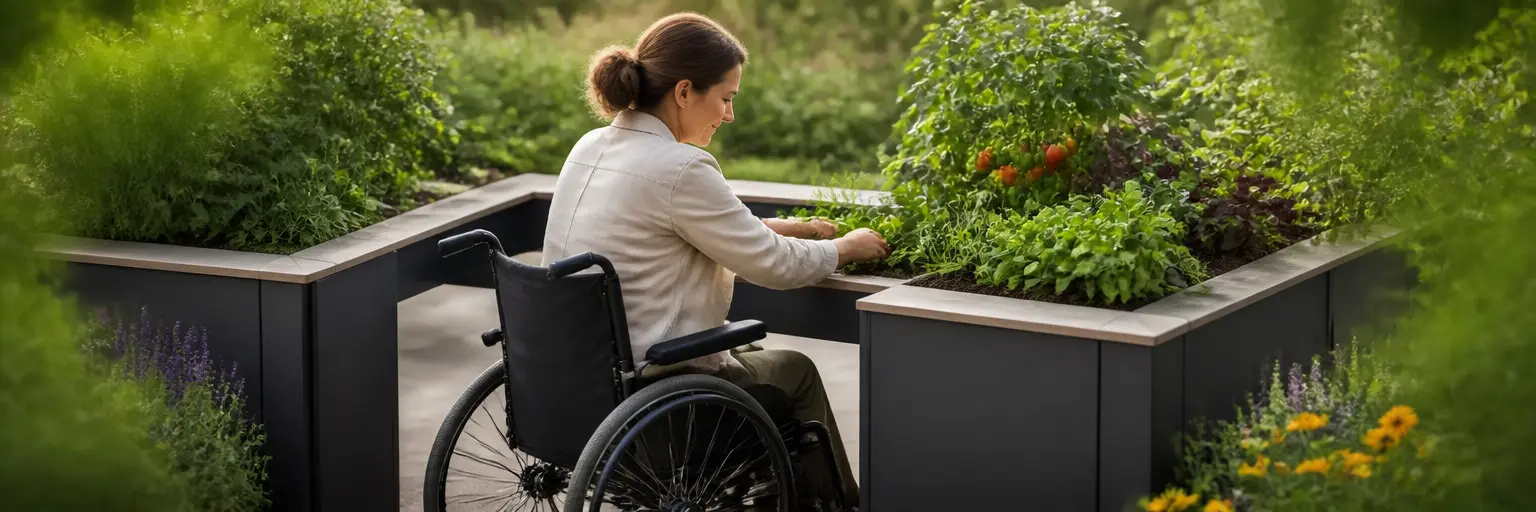
Wheelchair Gardening: Avoiding Common Mistakes and Challenges
🌿 Create a welcoming, productive outdoor space with a wheelchair-accessible garden designed for comfort, independence, and sustainable home growing. Discover practical tips for raised beds, accessible pathways, container gardening, ergonomic tools, and easy-to-reach herbs, fruits, and vegetables. Whether you’re adapting an existing garden or starting from scratch, cultivate fresh organic produce with confidence while making every part of your garden easier to enjoy. ♿🥕
5 articles
The Importance of Planning for Wheelchair Accessibility in Garden Design
WheelchairAccessible Greenhouses and Garden Structures
Accessible Garden Design: Incorporating Ramps and Gentle Slopes
BudgetFriendly Ideas for Creating a Wheelchair Garden
♿ Creating a Wheelchair Accessible Garden for Inclusive, Sustainable Growing
Creating a wheelchair accessible garden makes it easier for people with limited mobility to grow vegetables, fruits, herbs, and flowers comfortably and independently. On CultivateYourFood, you will discover practical guidance for planning an accessible home garden using sustainable, organic, and low-maintenance methods. From raised garden beds and container gardening to accessible pathways, irrigation, composting, and natural pest control, this subcategory helps you design a productive growing space that is safe, welcoming, and enjoyable for everyone.
🌱 Accessible Garden Design and Layout
A successful wheelchair accessible garden begins with a thoughtful layout. Learn how to create wide, stable garden paths, provide adequate turning space, and position beds, containers, tools, and water sources within comfortable reach. Guidance on garden zoning can help you place frequently used crops and equipment close to seating areas, entrances, and accessible routes.
Readers can also explore ways to combine accessibility with attractive garden design. Discover how to plan an inclusive vegetable garden with clear navigation, suitable lighting, non-slip surfaces, and convenient workstations while preserving healthy plant spacing, sunlight exposure, drainage, and airflow.
🪴 Raised Garden Beds and Elevated Planters
Raised garden beds are an excellent solution for wheelchair users and gardeners who find ground-level planting difficult. Learn how to choose the right bed height, width, and depth for seated gardening, while leaving enough space beneath or beside the bed for wheelchair access. Information on durable, sustainable materials can help you build long-lasting planters for organic growing.
This section also covers elevated planters, tabletop gardens, vertical planters, and accessible container gardening. Find useful advice for growing lettuce, tomatoes, peppers, strawberries, culinary herbs, and other crops in containers that reduce bending, improve drainage, and make planting and harvesting more manageable.
🛞 Wheelchair-Friendly Garden Paths and Surfaces
Safe garden access depends on paths that are firm, level, and easy to navigate. Explore options such as compacted gravel, smooth paving, concrete, brick, wood decking, and other wheelchair-friendly garden surfaces. Learn how to reduce loose materials, uneven transitions, steep slopes, and muddy areas that may make movement challenging.
You will also find planning tips for path width, turning circles, ramps, edging, drainage, and maintenance. Well-designed pathways can connect raised beds, compost bins, greenhouses, sheds, seating areas, and water sources while making the entire edible garden safer and more efficient.
💧 Accessible Watering and Irrigation Systems
Watering plants can be one of the most demanding garden tasks, especially when using heavy watering cans or reaching distant beds. Discover accessible irrigation solutions such as drip irrigation, soaker hoses, raised water containers, lightweight hoses, hose reels, and automated timers. These systems help deliver water directly to plant roots while conserving water.
Learn how to organize irrigation controls and connections for easy access from a seated position. Sustainable watering practices, including rainwater collection, mulching, moisture monitoring, and watering during cooler parts of the day, can support healthy organic crops with less effort and waste.
🌿 Low-Maintenance Organic Gardening for Limited Mobility
An accessible garden should be productive without requiring unnecessary physical strain. This section explores low-maintenance gardening techniques, including mulch, no-dig gardening, weed-suppressing ground covers, durable perennials, compact crops, and soil-building methods. These approaches reduce repetitive bending, digging, and prolonged standing.
Readers can learn how to grow nutritious fruits, vegetables, and herbs using organic soil amendments, homemade compost, and efficient crop planning. Advice on choosing easy-care plants, succession planting, and grouping crops by watering needs can make sustainable gardening more practical and rewarding.
🧰 Accessible Garden Tools and Workstations
The right equipment can make gardening more comfortable and independent. Discover adaptive gardening tools with ergonomic handles, lightweight construction, extended reach, easy-grip designs, and interchangeable attachments. Recommended tools may include accessible trowels, pruners, seeders, harvesting baskets, kneeling supports, and tool organizers.
You can also learn how to create an accessible garden workstation with a stable surface, comfortable seating, shade, storage, and space for a wheelchair. Keeping tools, seeds, compost, labels, and gloves organized in one convenient location helps reduce unnecessary travel and makes everyday garden care easier.
🐞 Natural Pest Control and Accessible Garden Care
Organic pest control can be adapted for gardeners with limited mobility. Learn how to use companion planting, insect netting, physical barriers, healthy soil, crop rotation, and beneficial insects to manage pests naturally. These methods can reduce the need for frequent inspection and chemical sprays while protecting pollinators and edible crops.
Accessible maintenance routines can include raised plant labels, clearly marked crop rows, automatic irrigation, easy-to-reach harvesting areas, and scheduled garden checks. With thoughtful preparation, gardeners can identify disease, weeds, and pests early without walking long distances or working in uncomfortable positions.
❓ Frequently Asked Questions About Creating a Wheelchair Accessible Garden
1. What makes a garden wheelchair accessible?
A wheelchair accessible garden typically includes firm, level pathways, adequate turning space, raised or elevated planting beds, accessible water sources, and tools that can be used comfortably from a seated position. Good lighting, smooth transitions, safe slopes, and clear routes between garden areas are also important.
2. How high should an accessible raised garden bed be?
The ideal height depends on the gardener’s wheelchair, reach, and preferred working position. Many accessible raised beds are approximately 24 to 32 inches high, but the width and depth should also allow plants to be reached without excessive stretching. A test section or adjustable planter can help determine the most comfortable dimensions.
3. What are the best plants for an accessible vegetable garden?
Easy-to-reach crops such as lettuce, spinach, radishes, strawberries, herbs, bush beans, peppers, and compact tomatoes are excellent choices. Choose productive varieties that fit the height of the beds and group plants with similar sunlight and watering requirements to simplify care.
4. What is the best surface for wheelchair-friendly garden paths?
Firm, stable, and smooth surfaces such as concrete, paving slabs, compacted fine gravel, or well-installed decking can work well. Avoid deep loose gravel, slippery surfaces, large gaps, and uneven stones. Paths should also provide enough width for comfortable movement and turning.
5. How can I reduce the amount of work required to maintain an accessible garden?
Use drip irrigation, thick organic mulch, elevated planters, lightweight tools, compost-rich soil, automatic timers, and low-maintenance crops. Grouping plants by care requirements and keeping tools, water, and compost close to the growing area can significantly reduce effort while supporting sustainable gardening.