
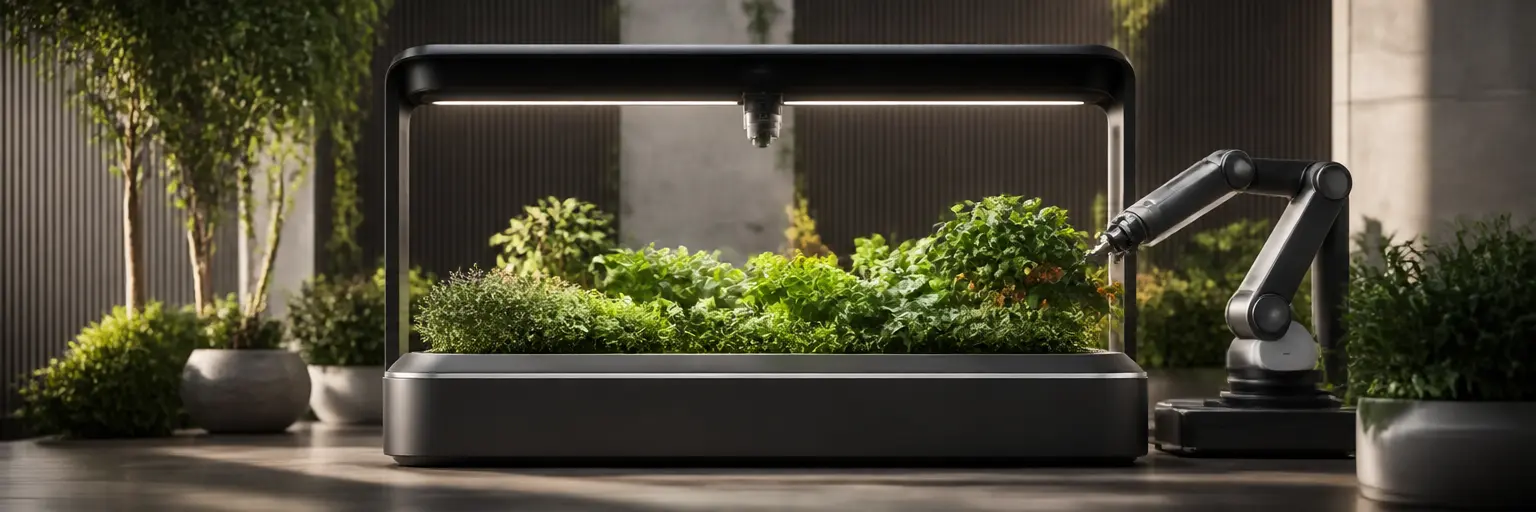
The Latest Innovations in Automated Gardening Technology
Discover automated gardening systems designed for the modern gardener seeking effortless, sustainable luxury. From smart irrigation and climate-controlled planters to app-connected hydroponic gardens, these premium solutions make growing fruits, vegetables, and herbs at home more efficient and enjoyable. 🌱✨ Embrace high-end gardening technology that conserves water, supports organic cultivation, and delivers thriving harvests with minimal effort.
5 articles
DataDriven Gardening: How Automated Systems Track Your Garden's Progress
How Automated Gardening Can Help You Grow Healthier Foods
How to Choose the Right Automated System for Your Gardening Needs
The Art of Automated Gardening: Balancing Technology and Nature
🌿 Automated Gardening Systems for the Modern Gardener
Discover automated gardening systems for the modern gardener at CultivateYourFood, where advanced technology meets sustainable, organic home growing. This premium subcategory explores high-end solutions designed to simplify the cultivation of fruits, vegetables, herbs, flowers, and specialty crops while improving consistency, efficiency, and plant health. From smart irrigation and climate-controlled greenhouses to automated hydroponic gardens and app-connected monitoring tools, these systems help gardeners create productive growing environments with less daily effort.
🤖 Smart Garden Automation for Effortless Growing
Smart garden automation gives modern gardeners greater control over watering, lighting, temperature, humidity, and plant nutrition. Readers can explore premium automated gardening systems that use sensors, timers, controllers, and mobile applications to monitor growing conditions and respond to plant needs. These technologies are especially useful for busy households, luxury gardens, indoor growing spaces, and gardeners who want dependable results throughout the year.
Expect practical guidance on selecting connected garden devices, integrating multiple systems, and creating an efficient automated growing routine. Content covers smart gardening technology for raised beds, containers, greenhouses, conservatories, and indoor gardens, with an emphasis on sustainable practices, water conservation, energy efficiency, and organic plant care.
💧 Automated Irrigation and Precision Watering Systems
Efficient irrigation is essential for healthy plants and responsible resource use. This section focuses on automated irrigation systems, including drip irrigation, micro-sprinklers, self-watering planters, moisture-sensing controllers, and smart hose timers. These solutions deliver water directly to plant roots, helping reduce evaporation, prevent overwatering, and maintain consistent soil moisture for vegetables, herbs, fruits, and ornamental plants.
Readers can expect advice on designing a premium watering system for home gardens, choosing soil moisture sensors, adjusting irrigation schedules, and supporting organic cultivation. Guides may also explain rainwater harvesting, water-efficient gardening, seasonal programming, and troubleshooting common issues such as clogged emitters, uneven watering, and excessive runoff.
🌱 Automated Hydroponic and Indoor Growing Systems
Automated hydroponic gardens make it possible to grow fresh produce in kitchens, apartments, offices, and dedicated indoor growing rooms. Explore high-end hydroponic systems with automated nutrient dosing, water circulation, LED grow lights, pH monitoring, and climate control. These systems are ideal for cultivating leafy greens, culinary herbs, strawberries, tomatoes, and other compact crops in a clean, controlled environment.
Our content helps modern gardeners understand hydroponic technology while maintaining sustainable and responsible growing habits. Learn how to compare countertop gardens, vertical hydroponic towers, nutrient film systems, deep-water culture units, and modular indoor farms, along with guidance on sanitation, organic-compatible nutrients, crop planning, harvesting, and long-term maintenance.
🏡 Luxury Greenhouses and Automated Climate Control
A luxury greenhouse can extend the growing season and provide an exceptional environment for delicate or high-value plants. This section examines automated greenhouse systems featuring temperature sensors, ventilation controls, shade screens, heating, cooling, humidity management, and smart environmental monitoring. These technologies allow gardeners to create stable conditions for seedlings, tropical plants, heirloom vegetables, herbs, and specialty fruit.
Readers will find information about selecting premium greenhouse materials, planning efficient layouts, and combining climate-control equipment with sustainable gardening goals. Detailed topics may include passive solar design, energy-efficient heating, automated roof vents, frost protection, greenhouse insulation, and strategies for reducing water and energy consumption without compromising plant performance.
📱 Connected Garden Monitoring and Plant Care Technology
Connected garden monitoring tools provide real-time information about soil moisture, light exposure, temperature, humidity, nutrient levels, and weather conditions. Discover how smart garden sensors and mobile apps can help identify problems early, automate routine tasks, and provide useful data for better planting decisions. These tools are valuable for gardeners who want precision, convenience, and greater insight into the performance of their plants.
Expect clear explanations of sensor placement, wireless garden networks, data interpretation, weather integrations, and notification settings. The goal is to help you use technology as a practical aid rather than a replacement for observation, allowing you to combine digital monitoring with organic pest control, composting, thoughtful harvesting, and responsible soil management.
⚡ Sustainable Energy and Eco-Friendly Garden Automation
High-end gardening does not have to be wasteful. Explore sustainable automation options powered by solar energy, rechargeable batteries, efficient LED lighting, smart power controllers, and low-consumption pumps. These systems can support productive gardens while reducing reliance on traditional energy sources and minimizing unnecessary water use.
Our guides emphasize eco-friendly garden technology that complements organic and sustainable growing practices. Learn how to evaluate energy consumption, select durable equipment, extend product lifespan, recycle components responsibly, and design an automated garden that supports biodiversity, healthy soil, pollinator habitats, composting, and environmentally conscious food production.
🛠️ Choosing and Maintaining a Premium Automated Garden System
Investing in an automated garden requires careful planning. This section explains how to compare system capacity, compatibility, sensor accuracy, connectivity, warranty coverage, maintenance requirements, and installation complexity. Whether you are building an automated vegetable garden, luxury greenhouse, indoor herb garden, or smart container garden, the right system should match your available space, crops, budget, and long-term goals.
Readers can also learn about cleaning filters, calibrating sensors, updating software, inspecting irrigation lines, replacing batteries, and preparing systems for winter. Regular maintenance protects your investment and helps ensure reliable watering, lighting, climate control, and plant monitoring throughout the growing season.
❓ Frequently Asked Questions About Automated Gardening Systems
🌿 What are automated gardening systems?
Automated gardening systems use technology such as timers, sensors, controllers, pumps, lights, and mobile applications to manage or monitor garden tasks. Depending on the system, automation may control irrigation, lighting, temperature, humidity, nutrients, ventilation, or plant alerts.
💧 Are automated irrigation systems suitable for organic gardens?
Yes. Automated irrigation works very well with organic gardening because it can deliver precise amounts of water directly to plant roots. Drip irrigation and moisture-based controllers help conserve water, reduce fungal problems, and support healthier soil while complementing compost, organic fertilizers, and natural pest control.
🏡 What is the best automated system for a home vegetable garden?
The best system depends on garden size and crop selection. A small garden may benefit from a smart hose timer and moisture sensor, while a larger garden may require zoned drip irrigation, weather-based scheduling, and a central controller. Indoor gardeners may prefer automated hydroponic units with integrated lighting and nutrient management.
📱 Do smart garden systems require Wi-Fi?
Some connected gardening systems use Wi-Fi for remote monitoring and smartphone notifications, while others operate with local timers, Bluetooth, or standalone sensors. Wi-Fi is useful for accessing garden data from anywhere, but it is not essential for every automated watering, lighting, or greenhouse control system.
⚡ Are automated gardening systems energy efficient?
Many modern systems are designed to reduce resource use through precision watering, efficient pumps, LED grow lights, and programmable controls. Choosing solar-powered equipment, energy-efficient components, and systems that operate only when needed can further improve sustainability and lower ongoing operating costs.