
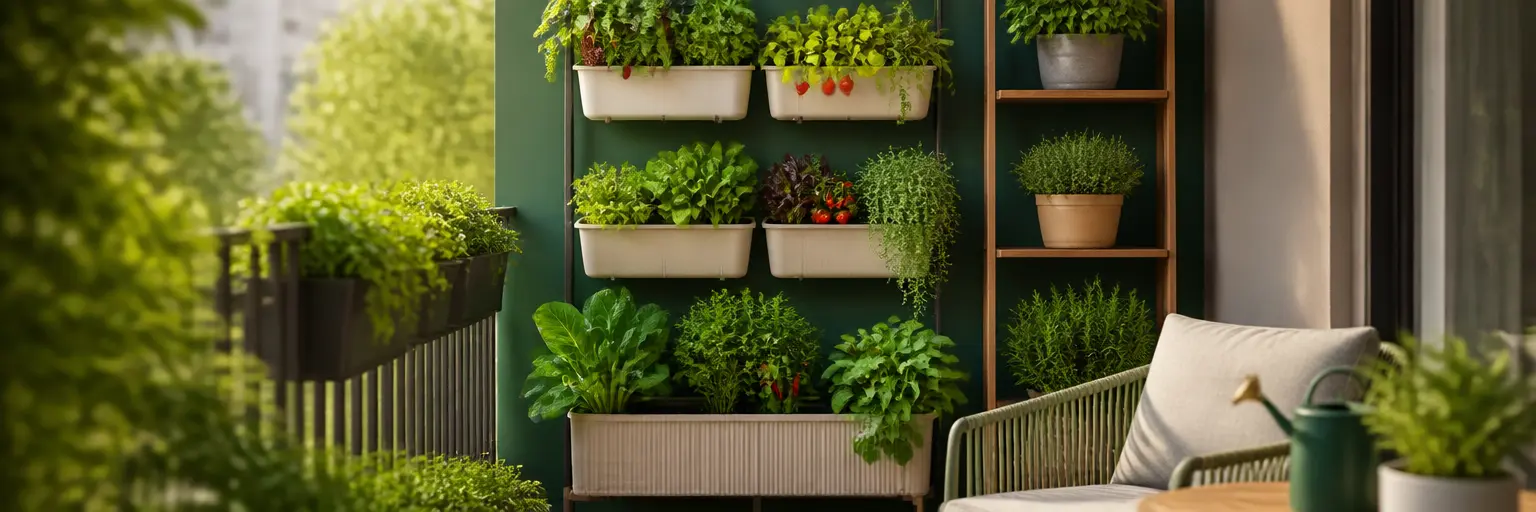
Balcony Garden Fertilizing: How to Feed Your Plants for Best Results
🌿 Transform your outdoor nook into a thriving edible retreat with Balcony and Patio Gardening! Discover space-saving ways to grow fresh vegetables, fruits, and herbs in containers, planters, and vertical gardens—even with limited room. Learn sustainable, organic techniques for choosing plants, preparing soil, watering efficiently, composting, harvesting, and managing pests naturally. 🪴 Whether you have a sunny balcony or a compact patio, cultivate delicious homegrown produce and make every inch flourish with CultivateYourFood.
6 articles
Growing Peppers on Your Balcony: Choosing the Right Varieties and Pots
Balcony Garden for Apartment Living: Bringing Nature to Urban Environments
Balcony Garden in Full Sun: Selecting Plants that Love the Heat
Balcony Garden Watering Techniques: Efficient Methods for Conserving Water
Balcony Garden with Limited Space: Smart Solutions for Tight Areas
🌿 Balcony and Patio Gardening: Grow Fresh Food in Small Outdoor Spaces
Balcony and patio gardening makes it possible to grow herbs, vegetables, fruits, and edible flowers even when you do not have a traditional garden. At CultivateYourFood, discover practical guidance for transforming balconies, patios, terraces, and compact outdoor areas into productive, sustainable gardens. Learn how to choose containers, improve sunlight exposure, conserve water, create organic soil mixes, compost efficiently, and protect plants from pests while making the most of every available inch.
🌱 Choosing the Best Plants for Balconies and Patios
Successful small-space gardening begins with selecting plants that match your available sunlight, container size, climate, and growing goals. Explore beginner-friendly options such as herbs, lettuce, spinach, radishes, bush beans, cherry tomatoes, peppers, strawberries, and dwarf fruit varieties. These productive plants can thrive in pots, window boxes, hanging baskets, and vertical planters when provided with suitable care.
You will also learn how to select compact, patio, dwarf, and determinate varieties designed for container gardening. Our guidance helps you understand plant spacing, mature size, seasonal growth, and companion planting so you can create a healthy balcony vegetable garden or patio herb garden without overcrowding your containers.
☀️ Understanding Sunlight and Microclimates
Sunlight is one of the most important factors in balcony and patio gardening. Learn how to track direct sun throughout the day, identify shaded or windy areas, and place plants according to their needs. Fruit-producing crops generally require six to eight hours of sunlight, while many leafy greens and herbs can tolerate partial shade.
Balconies and patios often create unique microclimates because of walls, railings, concrete, reflected heat, and strong wind. Discover ways to protect plants from temperature changes, improve air circulation, use shade cloth, and position containers for more even growing conditions. These strategies can help prevent heat stress, sunscald, and wind damage.
🪴 Containers, Planters, and Vertical Growing Solutions
Container selection can influence drainage, root health, plant stability, and harvest size. Find advice on choosing fabric grow bags, ceramic pots, recycled containers, wooden planters, self-watering pots, window boxes, and railing planters. Every container should have adequate drainage holes to reduce the risk of waterlogged roots and fungal problems.
For very limited spaces, vertical gardening provides an efficient way to grow more food without expanding your footprint. Learn how to use trellises, wall planters, hanging baskets, tiered stands, and railing systems for climbing beans, cucumbers, peas, tomatoes, strawberries, and herbs. Always consider weight limits and secure planters carefully, especially on elevated balconies.
🌾 Organic Soil, Compost, and Natural Fertility
Healthy soil is essential for productive container plants. Discover how to create lightweight, nutrient-rich potting mixes using ingredients such as compost, coconut coir, aged manure, leaf mold, and organic amendments. Avoid relying on garden soil alone, because it can become compacted and drain poorly in containers.
CultivateYourFood also explains how to use home compost, worm castings, compost tea, and slow-release organic fertilizers responsibly. You will learn how to replenish nutrients during the growing season, recognize common nutrient deficiencies, and maintain fertile growing media through sustainable practices.
💧 Watering, Mulching, and Sustainable Maintenance
Container gardens often dry out faster than in-ground beds, particularly during hot or windy weather. Learn how to check soil moisture, water deeply, and create consistent watering routines for vegetables, herbs, and fruit plants. Self-watering containers, drip irrigation, ollas, and water reservoirs can help reduce daily maintenance and conserve water.
Mulching the surface of containers with shredded leaves, straw, compost, or untreated natural materials helps slow evaporation and regulate soil temperature. You will also find practical advice for avoiding overwatering, preventing root rot, collecting rainwater where permitted, and maintaining healthy plants with fewer resources.
🐞 Natural Pest Control and Organic Plant Protection
Balcony and patio gardens can experience aphids, spider mites, whiteflies, caterpillars, fungus gnats, and other common pests. Learn how to inspect leaves, stems, and soil regularly so problems can be identified early. Healthy plants, clean containers, good airflow, and balanced watering are the foundation of organic pest prevention.
Explore natural solutions including hand removal, insect netting, companion planting, beneficial insects, neem-based products used correctly, insecticidal soap, and homemade monitoring traps. Our approach emphasizes integrated pest management, helping you protect edible crops without unnecessary harsh chemicals or harm to pollinators.
🍅 Planting, Harvesting, and Seasonal Crop Planning
Growing food in containers becomes more productive when planting is planned around the seasons. Discover how to start seeds, transplant seedlings, succession sow quick crops, and combine cool-season and warm-season vegetables in the same small space. A simple planting calendar can help you enjoy continuous harvests of salad greens, herbs, radishes, beans, and compact tomatoes.
You will also learn when and how to harvest crops for the best flavor and continued production. Regularly picking herbs, peppers, beans, leafy greens, and ripe tomatoes can encourage new growth. Seasonal cleanup, seed saving, crop rotation, and container refreshment will help keep your balcony or patio garden productive year after year.
❓ Frequently Asked Questions About Balcony and Patio Gardening
What vegetables grow best on a balcony or patio?
Compact vegetables such as cherry tomatoes, peppers, lettuce, spinach, radishes, bush beans, carrots, peas, and small cucumbers are excellent choices. Select dwarf, patio, bush, or container-friendly varieties and match each plant to its sunlight and container requirements.
How much sunlight does a balcony vegetable garden need?
Most fruiting crops, including tomatoes, peppers, and cucumbers, need approximately six to eight hours of direct sunlight daily. Leafy greens, many herbs, and some root crops can grow with four to six hours or bright indirect light, although growth may be slower.
What is the best soil for container gardening?
The best container mix is lightweight, well-draining, and rich in organic matter. A quality potting mix combined with compost, coconut coir, perlite, or similar materials can provide moisture retention, drainage, aeration, and nutrients without becoming compacted.
How often should plants in balcony containers be watered?
Watering frequency depends on temperature, wind, container size, plant type, and soil composition. Check the top layer of soil regularly and water thoroughly when it begins to dry. Avoid shallow watering and do not allow containers to remain in standing water.
How can I control pests organically in a patio garden?
Inspect plants frequently, remove pests by hand, improve airflow, use insect netting, attract beneficial insects, and keep damaged leaves or fallen fruit cleaned up. Organic products such as insecticidal soap may help when used according to their label instructions, but prevention and early detection are often most effective.