
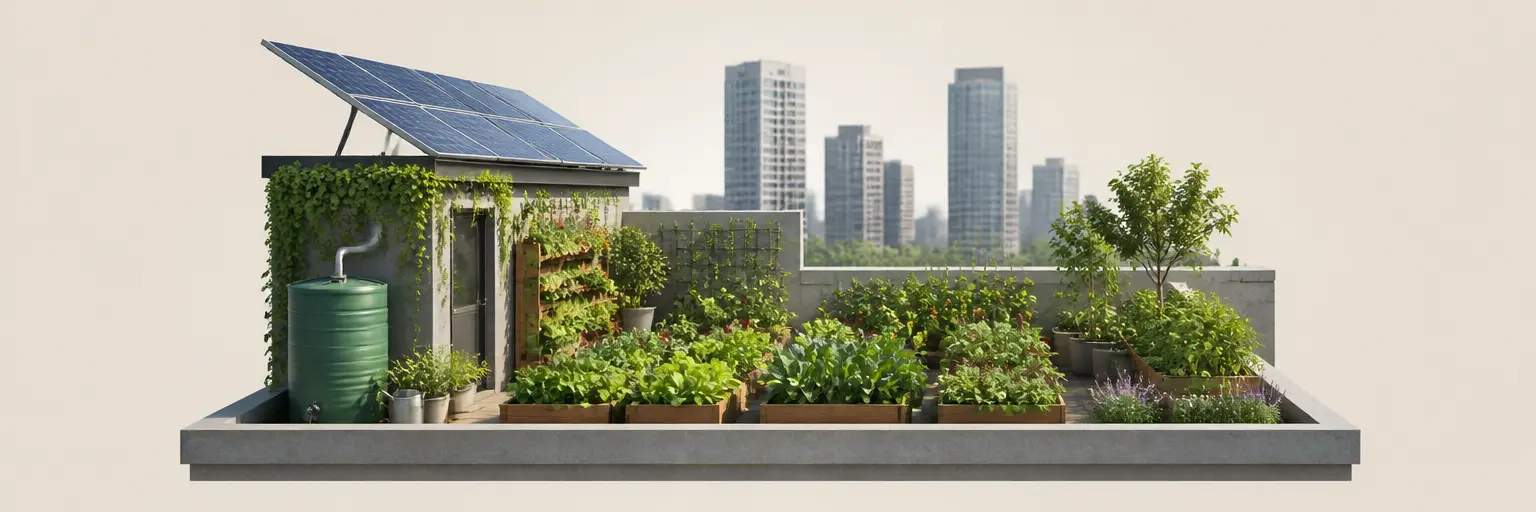
The Ultimate Guide to Growing Tomatoes on Your Rooftop
Discover how growing food on rooftops can transform unused urban space into a productive garden 🌱 Learn practical tips for rooftop vegetable gardening, container planting, organic herbs, composting, watering, and natural pest control—even in limited areas. Create a thriving, sustainable rooftop garden and enjoy fresh, homegrown produce right where you live 🥕🏙️
5 articles
The Benefits of Rooftop Gardening: More Than Just Fresh Produce
The Future of Rooftop Gardening: Innovations and Trends to Watch
Rooftop Garden Soil: The Best Mixes for Optimal Growth
Rooftop Herb Gardens: Fragrant and Flavorful Herbs for Every Cook
🌱 Growing Food on Rooftops: Create a Productive Urban Garden
Growing food on rooftops is an effective way to transform unused urban space into a productive, sustainable garden. On CultivateYourFood, you will discover practical guidance for growing vegetables, fruits, herbs, and edible flowers on rooftops, balconies, terraces, and other compact areas. Learn how to choose containers, evaluate sunlight, manage wind exposure, conserve water, improve soil health, and use organic gardening methods for a successful rooftop harvest.
🏙️ Planning a Safe and Productive Rooftop Garden
Successful rooftop gardening begins with careful planning. This subcategory explains how to assess available space, sunlight, wind, access to water, drainage, and the weight of containers, soil, and mature plants. Checking building regulations and structural safety before installing a rooftop garden is essential, especially when using large planters, raised beds, or water-holding systems.
Readers can expect helpful advice on designing an efficient rooftop layout, organizing growing zones, and selecting lightweight materials. You will also learn how to position plants for maximum sunlight while creating practical pathways for planting, watering, harvesting, and maintenance.
☀️ Choosing Vegetables, Fruits, and Herbs for Rooftops
Not every crop performs equally well in a rooftop environment. Discover which container-friendly vegetables, herbs, fruits, and compact varieties are best suited to limited soil depth and exposed growing conditions. Productive options may include tomatoes, peppers, lettuce, radishes, carrots, beans, strawberries, basil, thyme, mint, and other culinary herbs.
Our guidance helps you match plants to container size, sunlight levels, seasonal temperatures, and available growing space. You can also learn how to select dwarf, bush, patio, and determinate varieties that provide reliable harvests without overwhelming a small rooftop garden.
🪴 Containers, Raised Beds, and Lightweight Growing Systems
Rooftop gardens depend on the right containers and growing systems. Explore the advantages of fabric pots, grow bags, window boxes, vertical planters, self-watering containers, and lightweight raised beds. Choosing durable containers with adequate drainage helps prevent root rot, waterlogging, and plant stress.
Readers will find tips for selecting appropriate container depths and widths for different crops. The content also covers lightweight soil blends, recycled planters, modular garden beds, and space-saving arrangements that make it easier to grow more food without placing unnecessary strain on a rooftop structure.
🌿 Organic Soil, Compost, and Nutrient Management
Healthy soil is the foundation of an abundant rooftop harvest. Learn how to create or purchase a lightweight, well-draining growing medium using organic compost, coconut coir, perlite, aged manure, leaf mold, and other suitable amendments. Balanced soil improves root development, moisture retention, drainage, and long-term plant health.
This subcategory also explains how to feed rooftop plants naturally throughout the growing season. Discover composting methods for small spaces, organic fertilizers, mulch options, and ways to replenish nutrients after each harvest while supporting beneficial soil organisms and sustainable gardening practices.
💧 Watering, Drainage, and Rooftop Moisture Conservation
Rooftop plants can dry out quickly because of wind, heat, and shallow containers. Find practical strategies for efficient watering, including drip irrigation, self-watering planters, rainwater collection where permitted, moisture meters, and timed irrigation systems. Consistent moisture is especially important for seedlings, leafy greens, fruiting crops, and container-grown herbs.
You will also learn how to prevent overwatering by improving drainage and monitoring weather conditions. Mulching, grouping plants according to water needs, and using water-retentive organic materials can reduce evaporation and support a more resilient rooftop food garden.
🌬️ Protecting Plants from Wind, Heat, and Weather
Rooftop gardens often experience stronger wind, intense sunlight, heat reflected from surrounding buildings, and rapid temperature changes. Explore methods for protecting plants with trellises, windbreaks, shade cloth, screens, plant supports, and strategic container placement. Weather protection can reduce broken stems, leaf scorch, moisture loss, and transplant shock.
Our content provides seasonal advice for managing hot summers, cold nights, storms, and sudden weather changes. Learn how to secure containers, support climbing crops, move portable plants, and create a healthier microclimate for organic rooftop gardening.
🐞 Organic Pest Control and Rooftop Plant Health
Growing food organically means managing pests without relying on harsh synthetic chemicals. Learn how to identify common rooftop garden problems such as aphids, whiteflies, spider mites, caterpillars, fungal diseases, and nutrient deficiencies. Early detection and regular plant inspection are key to protecting edible crops.
Readers can explore integrated pest management techniques, including hand removal, insect netting, companion planting, beneficial insects, neem-based products used responsibly, and homemade organic solutions. You will also learn how to improve airflow, avoid excessive moisture, and maintain clean containers to reduce disease pressure.
🌾 Planting, Harvesting, and Seasonal Rooftop Gardening
Discover how to plan a continuous harvest with succession planting, crop rotation, interplanting, and seasonal crop selection. This subcategory covers when to sow seeds, transplant seedlings, thin plants, prune growth, and provide support for rooftop vegetables and fruits.
You will also find harvesting guidance designed to preserve flavor and encourage continued production. Learn when to pick leafy greens, tomatoes, peppers, beans, herbs, strawberries, and root crops, along with simple ways to store, preserve, dry, or enjoy your homegrown food.
❓ Frequently Asked Questions About Growing Food on Rooftops
🏢 Is every rooftop suitable for growing food?
Not every rooftop is suitable for a garden. Before adding containers or raised beds, check the building’s structural capacity, waterproofing, drainage, access, and local regulations. Consult a qualified professional when structural safety is uncertain. Start with lightweight containers and small crops only after confirming that the space is appropriate.
☀️ How much sunlight do rooftop vegetables need?
Most fruiting crops, including tomatoes, peppers, cucumbers, and strawberries, perform best with approximately six to eight hours of direct sunlight daily. Leafy greens and many herbs can tolerate partial shade. Observe the rooftop throughout the day and place plants according to their light requirements.
🪴 What are the easiest foods to grow on a rooftop?
Beginner-friendly rooftop crops include lettuce, salad greens, radishes, bush beans, cherry tomatoes, peppers, chives, basil, parsley, thyme, and strawberries. Choose compact or container varieties and use planters with good drainage. These crops generally provide quick results and can be grown successfully in limited space.
💧 How often should rooftop plants be watered?
Watering frequency depends on container size, weather, plant type, soil mix, and wind exposure. Check the top layer of soil and water deeply when it begins to dry. During hot or windy periods, containers may need daily watering, while cooler or rainy conditions require less. Avoid leaving roots in standing water.
🌿 Can rooftop gardening be completely organic?
Yes, a rooftop garden can follow organic and sustainable practices by using compost, organic soil amendments, natural fertilizers, nonchemical pest control, mulch, seed saving, and water conservation. Use clean growing materials and avoid contaminated soil or untreated recycled containers. With careful planning, rooftop gardening can produce fresh food while supporting a healthier urban environment.