
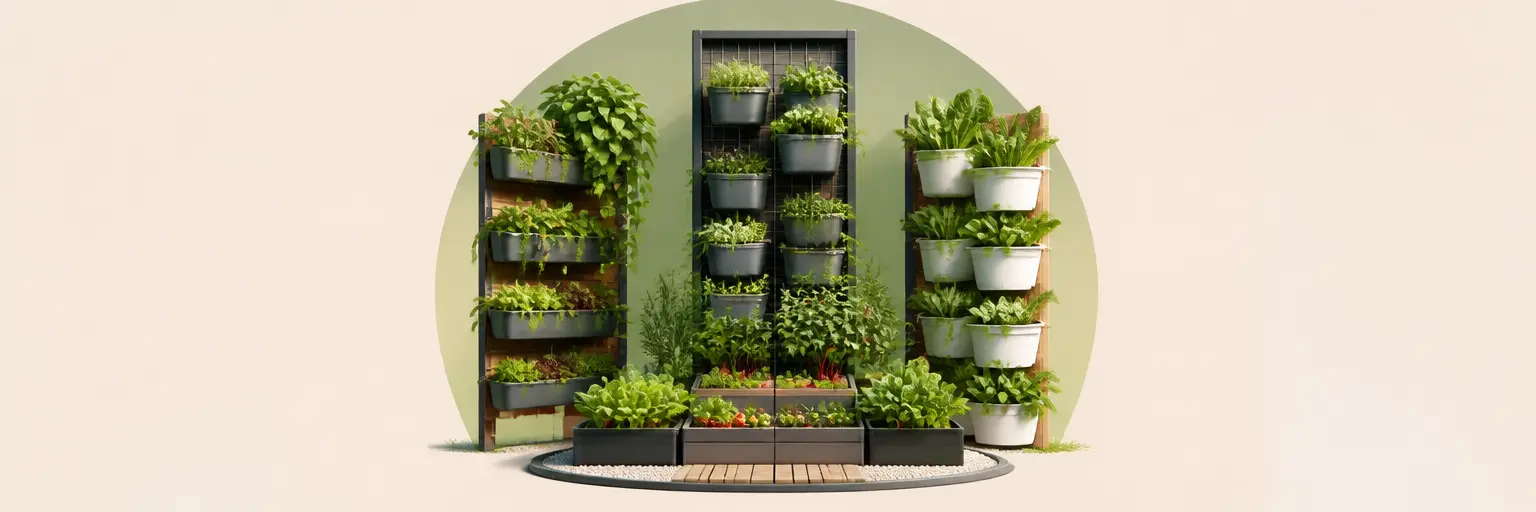
Balcony Bounty: Turn Your Limited Space into a Lush Edible Garden
Discover smart ways to maximize space in small gardens 🌱 with creative layouts, vertical gardening, container planting, companion planting, and space-saving crops. Learn how to grow fresh vegetables, fruits, and herbs in balconies, patios, windowsills, and compact yards using sustainable, organic methods. Transform every corner into a productive home garden and enjoy a healthier harvest—no matter how limited your space! 🥕🌿
5 articles
Urban Gardening Revolution: Small Space Solutions for City Dwellers
Harvesting Your Small Garden: Best Practices for Maximizing Yield
Advanced Techniques for Small Space Gardening: Taking Your Skills to the Next Level
Square Foot Gardening: A Precise System for Growing More in Less Space
🌱 Maximizing Space in Small Gardens
Discover practical ways to grow more food in less space with small garden design ideas, vertical gardening techniques, container planting advice, and sustainable growing strategies. This CultivateYourFood subcategory helps gardeners transform balconies, patios, courtyards, windowsills, and compact backyards into productive edible gardens. Learn how to plan efficient layouts, choose high-yield crops, improve soil health, and cultivate fruits, vegetables, and herbs organically—even when available space is limited.
🏡 Smart Small Garden Layouts
Explore space-saving garden layouts designed for productive and accessible growing. Learn how to divide compact areas into planting zones, walking paths, composting areas, and harvesting spaces while making the most of sunlight, drainage, and airflow. Efficient garden planning can help you avoid overcrowding and create a healthier growing environment.
These guides cover raised beds, narrow borders, square-foot gardening, keyhole gardens, and modular containers. You will discover how to measure your space, position crops according to their mature size, and create an organized garden that is easy to maintain throughout the growing season.
🌿 Vertical Gardening Ideas
Grow upward instead of outward with creative vertical gardening solutions for small spaces. Learn how to use trellises, wall planters, hanging baskets, arches, ladders, shelves, and recycled materials to support climbing vegetables, trailing herbs, strawberries, and compact fruiting plants.
Vertical growing can improve air circulation, simplify harvesting, and maximize sunlight in crowded gardens. Find guidance on selecting sturdy supports, training plants safely, watering elevated containers, and growing crops such as cucumbers, beans, peas, tomatoes, squash, and edible flowers.
🪴 Container Gardening for Edible Crops
Container gardening is an excellent way to cultivate fresh food on balconies, patios, porches, rooftops, and other limited-space locations. Learn how to choose suitable pots, fabric grow bags, window boxes, and self-watering containers for vegetables, herbs, berries, and dwarf fruit trees.
Discover how container size, potting mix, drainage, fertilizing, and watering affect plant health. Our sustainable gardening advice explains how to reuse containers responsibly, build organic soil blends, reduce water waste, and maintain productive plants in portable growing spaces.
🥕 High-Yield Crops for Small Gardens
Make every planting area count by growing high-yield vegetables and herbs that provide repeated harvests. Learn which crops are suitable for compact gardens, including lettuce, spinach, kale, radishes, carrots, bush beans, cherry tomatoes, peppers, basil, parsley, chives, and other fast-growing edibles.
You will also find advice on succession planting, cut-and-come-again harvesting, interplanting, and choosing compact or dwarf varieties. These techniques help extend productivity and ensure that a small garden can supply fresh ingredients over a longer period.
☀️ Light, Water, and Soil Optimization
Successful small-space gardening depends on using limited resources efficiently. Learn how to assess sunlight patterns, identify shaded and sunny areas, improve drainage, and place plants according to their light requirements. Proper garden placement can significantly improve growth and reduce common problems.
Explore organic soil improvement, homemade compost, mulch, rainwater collection, drip irrigation, and water-wise container care. These sustainable methods support strong root systems, conserve natural resources, and help plants thrive in compact growing environments.
♻️ Sustainable Gardening in Limited Spaces
Small gardens can produce abundant food while supporting environmentally responsible practices. Learn how to compost kitchen scraps, reuse household materials, attract beneficial insects, and reduce reliance on synthetic fertilizers and chemical pesticides.
Our guides encourage organic gardening methods that protect soil life and promote long-term garden health. Discover natural pest control, companion planting, crop rotation, seed saving, and low-waste solutions suitable for balconies, patios, raised beds, and urban gardens.
❓ Frequently Asked Questions About Maximizing Space in Small Gardens
What is the best way to maximize space in a small garden?
Use vertical supports, compact containers, raised beds, and intensive planting methods such as square-foot gardening. Select dwarf and compact varieties, plan crops according to their mature size, and use succession planting to keep growing areas productive.
Which vegetables grow well in small gardens?
Leafy greens, radishes, carrots, herbs, bush beans, compact peppers, cherry tomatoes, cucumbers, and strawberries are excellent choices. Look for varieties labeled dwarf, patio, compact, bush, or container-friendly for better results in limited spaces.
Can I grow food in a balcony or patio garden?
Yes. Containers, window boxes, hanging baskets, vertical planters, and railing planters can support many herbs, vegetables, and fruits. Check weight limits, sunlight exposure, drainage, and wind conditions before installing containers on a balcony.
How can I grow more plants without overcrowding them?
Measure the mature spacing requirements of every crop and use succession planting rather than placing too many plants together. Trellising climbing crops, harvesting leafy greens regularly, and combining compatible plants can increase productivity while preserving airflow and reducing disease.
What sustainable methods work best for small-space gardening?
Composting, mulching, rainwater collection, organic fertilizers, natural pest control, companion planting, and reusable containers are effective sustainable options. These practices improve soil health, conserve water, and help create a productive edible garden with less waste.