
Dehydrators for Jerky: Preserving Meats and PlantBased Proteins
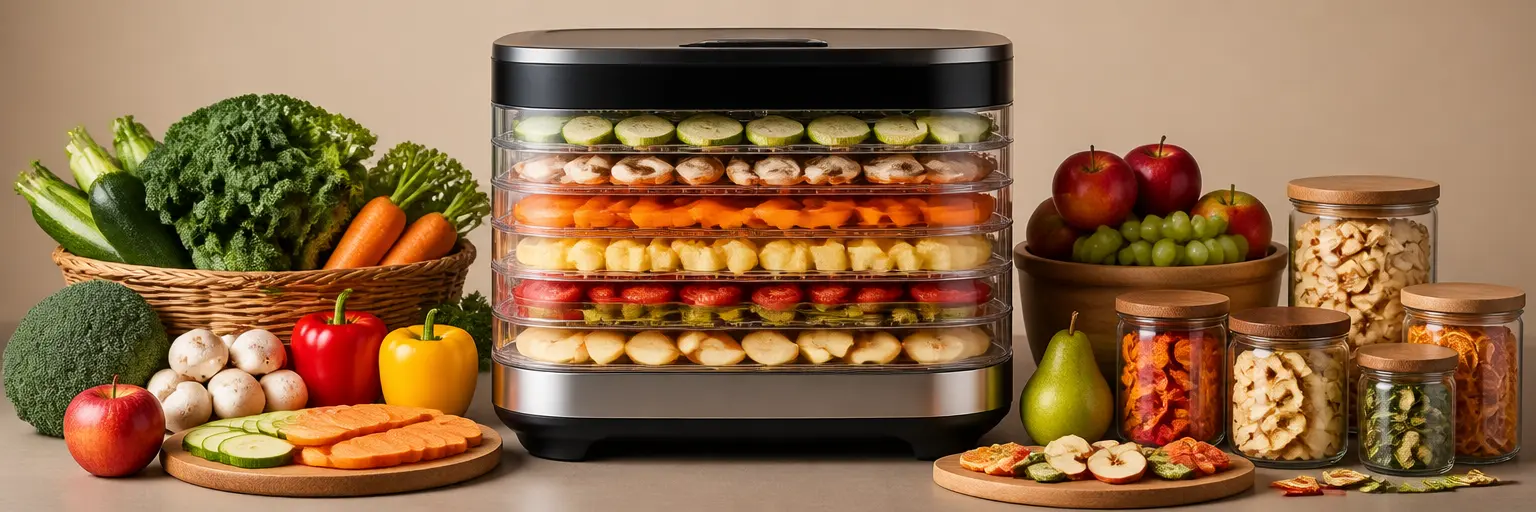
Discover the best dehydrators for preserving fruits and vegetables and extend your harvest with naturally delicious, long-lasting foods 🍎🥕. Compare energy-efficient features, adjustable temperature settings, tray capacity, and user-friendly designs to find the ideal food dehydrator for your kitchen. Perfect for creating healthy snacks, storing seasonal produce, and reducing food waste, these practical tools support sustainable living and help you enjoy your homegrown harvest all year. 🌱✨
4 articles
Dehydrators for Making Vegetable Chips: Healthy & Crunchy Alternatives
Dehydrators with Advanced Features: Explore the Latest Technology
Dehydrators with Digital Displays: Accurate Control & Easy Monitoring
🍎 Best Dehydrators for Preserving Fruits and Vegetables
Discover the best food dehydrators for preserving fruits and vegetables at home with CultivateYourFood. Dehydrating is an affordable, sustainable way to extend the life of your garden harvest while concentrating natural flavors and reducing food waste. This subcategory features helpful guidance on choosing, using, and maintaining dehydrators for apples, bananas, tomatoes, herbs, mushrooms, peppers, carrots, leafy greens, and other homegrown produce. Whether you are a beginner gardener or an experienced homesteader, learn how to create nutritious, shelf-stable foods without relying on artificial preservatives.
🌱 Choosing the Right Food Dehydrator
Learn how to compare food dehydrator features, including adjustable temperature controls, drying capacity, timer settings, airflow design, removable trays, noise levels, and energy efficiency. Our guidance helps you identify the best dehydrator for small kitchens, large gardens, family food storage, and seasonal harvest preservation.
Explore the differences between vertical-flow and horizontal-flow dehydrators, as well as stackable tray models and compact countertop units. You can expect practical advice on selecting a dehydrator that suits your budget, available space, preferred foods, and long-term preserving goals.
🍅 Dehydrating Garden Fruits and Vegetables
Find reliable techniques for dehydrating fresh fruits and vegetables from your garden. Learn how to prepare produce through washing, slicing, blanching, dipping, and seasoning to achieve consistent results. Popular topics include dehydrated apples, tomatoes, zucchini, strawberries, peppers, onions, carrots, and green beans.
Each guide explains recommended preparation methods, drying temperatures, approximate drying times, and signs of proper doneness. You will also discover ways to preserve flavor, color, texture, and nutrients while turning surplus harvests into convenient ingredients for snacks, soups, sauces, trail mixes, and everyday meals.
🌿 Drying Herbs and Garden Greens
Preserve homegrown basil, oregano, thyme, rosemary, mint, sage, parsley, kale, and other edible greens with simple dehydrating methods. Dehydrating herbs at a low temperature helps maintain their aroma and makes it easier to enjoy organic garden produce throughout the year.
Expect useful recommendations for preparing herb leaves, preventing excess moisture, checking dryness, and storing dried herbs in airtight containers. You can also learn how to create homemade seasoning blends, herbal teas, vegetable powders, and flavorful pantry staples.
⚙️ Dehydrator Settings, Timing, and Even Airflow
Successful food dehydration depends on proper temperature, preparation, spacing, and airflow. This subcategory explains how to arrange trays, avoid overcrowding, rotate trays when necessary, and select suitable settings for different types of produce. These techniques support consistent drying and safer long-term food storage.
Guides also cover how to recognize under-dried, properly dried, and over-dried food. Because moisture content varies by slice thickness, produce variety, humidity, and dehydrator model, readers will learn how to use visual, tactile, and practical tests rather than relying only on fixed drying times.
🥕 Healthy Snacks and Pantry Ingredients
Turn your harvest into wholesome snacks such as dried fruit, vegetable chips, tomato pieces, fruit leather, and seasoned herbs. Homemade dehydrated foods can be customized with natural ingredients and are ideal for lunchboxes, hiking, camping, emergency food storage, and quick family snacks.
Beyond snacking, discover how dried vegetables can be added to stews, rice dishes, pasta, casseroles, soups, and homemade spice mixes. Dehydrated produce is lightweight, compact, and convenient, making it a valuable addition to a sustainable household pantry.
🫙 Safe Storage and Long-Term Preservation
Learn how to cool, condition, package, and store dehydrated fruits and vegetables correctly. Effective storage depends on removing sufficient moisture and protecting dried foods from humidity, light, heat, insects, and oxygen. Recommended options may include airtight jars, vacuum-sealed bags, food-safe containers, and moisture absorbers.
Our preservation resources explain how to label batches, monitor stored food, identify signs of spoilage, and rotate your pantry supply. Following safe dehydration and storage practices helps maintain quality and reduces the risk of mold, unwanted moisture, or wasted harvests.
❓ Frequently Asked Questions About Food Dehydrators
What is the best dehydrator for fruits and vegetables?
The best dehydrator depends on your harvest size, available space, budget, and preferred features. Look for adjustable temperature settings, reliable airflow, sturdy trays, easy cleaning, and sufficient capacity. A horizontal-airflow model may provide especially even drying, while stackable dehydrators can be practical for beginners and smaller batches.
What temperature should I use to dehydrate fruits and vegetables?
Temperature recommendations vary by the type and thickness of food. Many fruits and vegetables dehydrate effectively at moderate, low-temperature settings, but it is important to follow the manufacturer’s instructions and use tested preservation guidance. Thinner slices generally dry faster, while dense or juicy produce requires more time.
How do I know when dehydrated food is completely dry?
Properly dehydrated food should have the expected texture for its type and should not release visible moisture when cut or pressed. Fruits are often pliable or leathery, while vegetables are typically crisp or brittle. Allow food to cool before testing, since warm pieces may seem softer than they are.
Can I dehydrate vegetables directly from my garden?
Yes, fresh garden vegetables can be dehydrated after washing and preparing them appropriately. Some vegetables benefit from blanching before drying because blanching helps preserve color, texture, and quality. Remove damaged areas, slice pieces evenly, and avoid overcrowding the dehydrator trays.
How should I store dehydrated fruits and vegetables?
Store fully cooled dried foods in clean, airtight, moisture-resistant containers kept in a cool, dark, dry location. Label each container with the food and drying date, and check it periodically for condensation, mold, odors, or texture changes. Proper packaging and low humidity are essential for extending shelf life.