
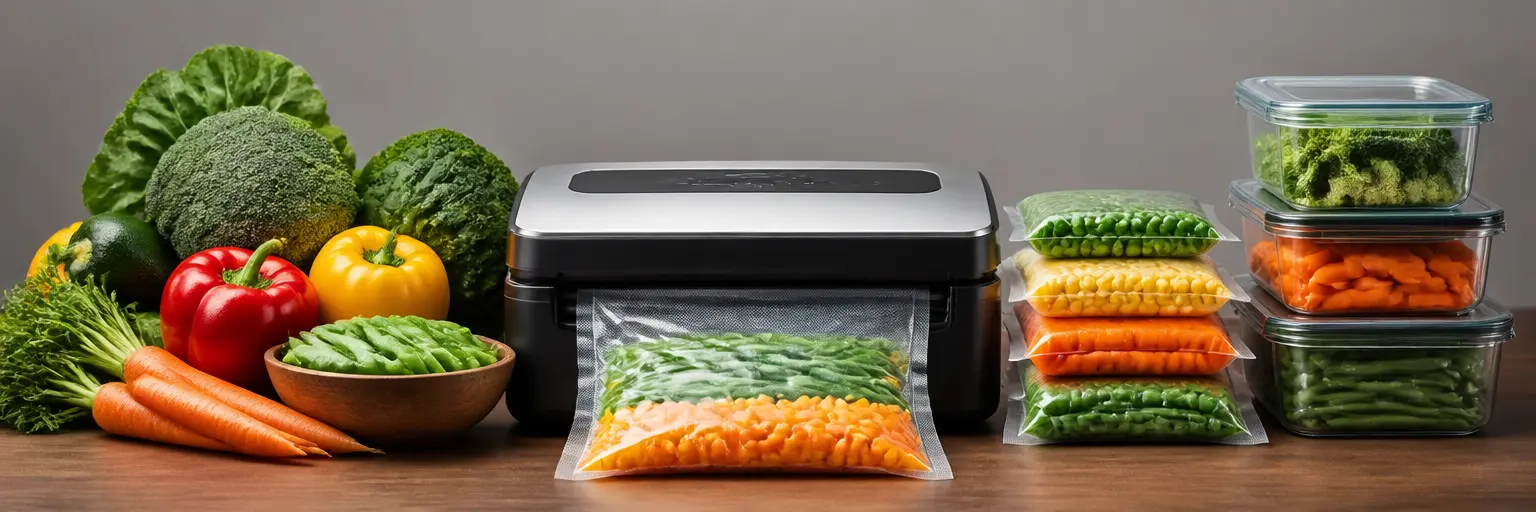
The Science Behind Freezing Garden Produce: Explained
Preserve your homegrown harvest with confidence! 🥕❄️ Discover the essential tools, supplies, and practical tips for freezing and vacuum sealing garden produce to lock in freshness, flavor, nutrients, and quality. From preparing vegetables and herbs to choosing the right freezer containers and vacuum sealer bags, learn sustainable food preservation methods that help reduce waste and enjoy your organic garden produce year-round.
4 articles
Troubleshooting Common Vacuum Sealing Problems with Garden Produce
How to Prevent Freezer Burn in Your Garden Vegetables
Maximizing Freezer Space for Your Garden Harvest
❄️ Freezing and Vacuum Sealing Your Garden Produce: What You Need
Welcome to CultivateYourFood’s guide to freezing and vacuum sealing garden produce. This subcategory helps home gardeners preserve fruits, vegetables, and herbs at peak freshness while reducing food waste and extending the life of a productive harvest. Discover practical advice on preparing, blanching, cooling, packaging, labeling, and storing homegrown food safely using a freezer and vacuum sealer. Whether you grow organically in a backyard garden, container garden, or small homestead, you will find helpful information for building an efficient, sustainable food preservation routine.
🥕 Essential Equipment for Freezing and Vacuum Sealing
Learn which tools are most useful for preserving fresh garden produce, including a reliable freezer, vacuum sealer, freezer-safe bags, reusable containers, labels, cutting boards, strainers, and large pots for blanching. We explain how to choose equipment that suits your harvest size, kitchen space, and budget. The right supplies make food preservation faster, cleaner, and more consistent.
Readers can also explore practical organization tips for creating a dedicated freezer-preservation station. From measuring portion sizes to selecting durable vacuum sealer bags, you will learn how to protect vegetables, fruits, herbs, and prepared garden meals from freezer burn and unnecessary packaging waste.
🌿 Preparing Fresh Garden Produce for the Freezer
Proper preparation helps preserve the color, flavor, texture, and nutritional value of homegrown food. This section covers washing, trimming, peeling, slicing, sorting, and drying produce before freezing. You will learn why harvesting at the right stage of ripeness is important and how to handle organic garden produce carefully after picking.
Guidance includes preparation methods for leafy greens, green beans, peas, carrots, corn, peppers, tomatoes, berries, apples, and fresh herbs. Removing excess moisture before packaging helps prevent ice crystals and freezer burn, while consistent cutting allows portions to freeze and thaw more evenly.
🔥 Blanching Vegetables Before Freezing
Many vegetables benefit from blanching, a brief process of boiling or steaming followed by rapid cooling in ice water. Blanching slows enzyme activity that can cause vegetables to lose their color, flavor, texture, and nutritional quality during frozen storage. Learn how to blanch common garden vegetables and how to adjust times for different sizes and varieties.
This subcategory explains how to cool and drain vegetables thoroughly before vacuum sealing or placing them in freezer containers. Correct blanching and cooling are essential steps for high-quality frozen vegetables, especially when preserving beans, broccoli, cauliflower, carrots, peas, and leafy greens from an organic garden.
🧊 Freezing Fruits, Vegetables, and Fresh Herbs
Discover reliable methods for freezing a wide range of garden produce. Individual quick freezing, tray freezing, syrup packing, dry packing, and puree freezing can each be useful depending on the food. You will learn how to freeze berries separately, store sliced fruit, preserve tomatoes for sauces, and package vegetables in convenient meal-sized portions.
Fresh herbs can also be preserved in several ways, including chopped herb cubes, herb butter, frozen pesto, and loose-packed leaves. Readers will find tips for preventing clumping, preserving aroma, and choosing the best method for cooking, smoothies, soups, sauces, and baking. Freezing seasonal produce allows you to enjoy homegrown flavor throughout the year.
🛍️ Vacuum Sealing Techniques for Garden Harvests
Vacuum sealing removes air from specially designed bags, helping reduce oxidation, moisture loss, and freezer burn. Learn how to portion produce, leave the correct sealing area, create strong seals, and select appropriate settings for delicate foods. These techniques are useful for vegetables, fruit, herbs, garden sauces, and prepared meals.
Because some foods contain moisture, readers will also learn how to prevent liquid from entering the vacuum sealer, use pre-freezing when appropriate, and avoid crushing soft produce. A properly sealed package protects freshness and makes freezer storage more space-efficient, helping gardeners manage large harvests with less waste.
🏷️ Labeling, Dating, and Organizing Frozen Food
Good freezer organization makes preserved food easier to find and use. This section covers labeling each package with the produce name, preparation method, quantity, and freezing date. Clear labels are especially important when storing similar vegetables, mixed garden produce, frozen herbs, and homemade sauces.
You will also find strategies for rotating stock, grouping foods by type, using older packages first, and maintaining an inventory list. First-in, first-out freezer organization helps prevent forgotten food and supports efficient meal planning throughout the growing season and winter months.
🛡️ Food Safety and Long-Term Freezer Storage
Safe preservation begins with clean equipment, fresh produce, proper temperatures, and careful handling. Learn how to cool cooked foods quickly, avoid cross-contamination, maintain a consistently cold freezer, and recognize signs of spoiled or poorly packaged food. This guidance supports safe home food preservation for families, gardeners, and small-scale growers.
Vacuum sealing extends storage quality but does not replace safe freezing practices. Readers will learn why frozen foods should remain fully frozen, how to respond to power interruptions, and how to thaw produce safely in the refrigerator, microwave, or during cooking. When in doubt about the safety or quality of preserved food, discard it.
🌎 Sustainable Harvest Preservation for Home Gardeners
Freezing and vacuum sealing can support a more sustainable lifestyle by helping gardeners preserve surplus produce instead of wasting it. Learn how to plan harvest quantities, reuse suitable containers, reduce single-use packaging, and preserve imperfect but wholesome fruits and vegetables. These methods complement organic gardening, composting, seasonal eating, and responsible food storage.
Preserving your own harvest can also reduce dependence on heavily packaged supermarket food and make locally grown produce available beyond the garden season. Smart preservation turns a short harvest window into months of nutritious, homegrown meals while helping households save money and make better use of garden resources.
❓ Frequently Asked Questions About Freezing and Vacuum Sealing Garden Produce
Can I vacuum seal fresh vegetables without blanching them?
Some vegetables can be vacuum sealed and frozen without blanching, but many vegetables maintain better color, flavor, and texture when blanched first. Blanching is commonly recommended for green beans, broccoli, peas, carrots, and leafy greens because it slows natural enzyme activity. Always cool and dry the vegetables thoroughly before sealing.
Should garden produce be frozen before vacuum sealing?
Pre-freezing is helpful for soft, fragile, or moisture-rich foods such as berries, sliced fruit, tomatoes, and blanched vegetables. Place the food in a single layer on a tray until firm, then vacuum seal it. This method helps prevent crushing and keeps liquids from being drawn into the vacuum sealer.
How long does vacuum-sealed garden produce last in the freezer?
Storage time depends on the type of produce, preparation method, packaging quality, and freezer temperature. Vacuum-sealed food generally maintains quality longer than conventionally packaged food because there is less air exposure. For best results, keep packages fully frozen, label them clearly, and use the oldest items first.
Can I vacuum seal fresh herbs from my garden?
Yes, fresh herbs can be vacuum sealed, but delicate leaves may be crushed or lose quality. Freezing herbs first, placing them in a rigid container before sealing, or preserving them in herb cubes, pesto, or herb butter can provide better results. Choose the method based on how you plan to use the herbs later.
What is the best way to thaw vacuum-sealed garden produce?
Thaw frozen produce in the refrigerator whenever possible, or add many vegetables directly to soups, stews, stir-fries, and other cooked dishes. Do not leave vacuum-sealed food at room temperature for extended periods. If using a microwave, open or vent the package first and follow safe heating practices.