
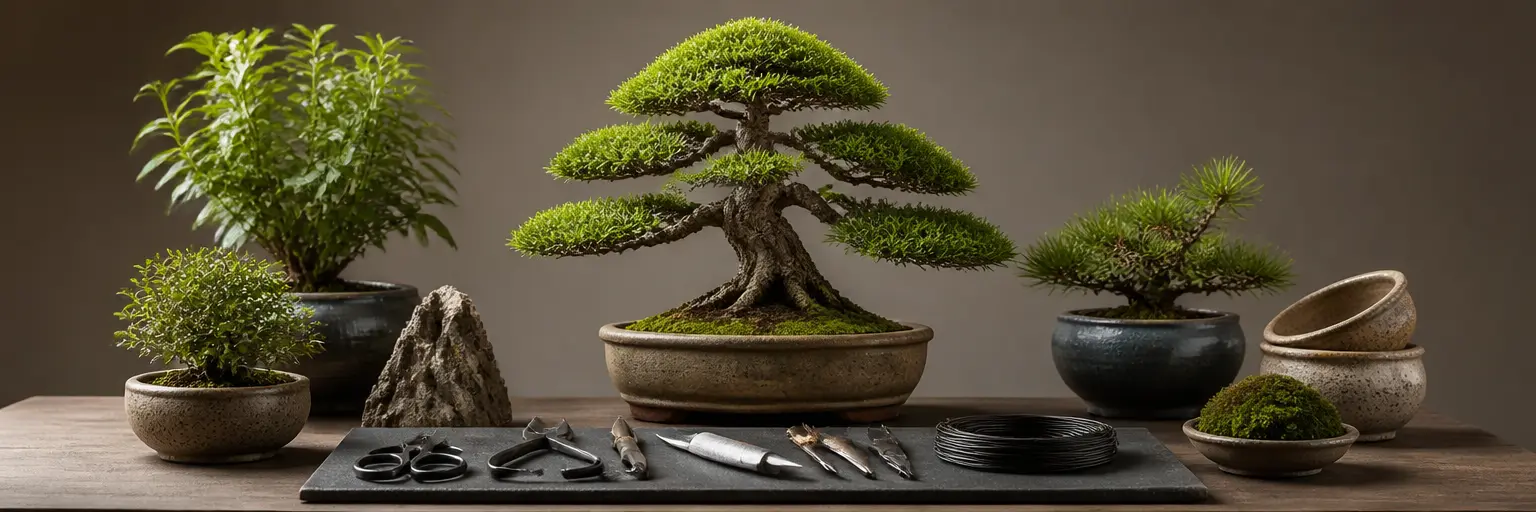
Bonsai Plant Selection: CultivateYourFood's Top Picks for Beginners
🌱 Create a thriving bonsai garden with the right tools and plant selection! Discover beginner-friendly guidance on choosing resilient bonsai trees, quality pruning shears, wire, soil, pots, and essential care supplies. Explore sustainable, organic techniques to shape miniature landscapes, encourage healthy growth, and cultivate beautiful bonsai at home. Start your bonsai journey today and transform your gardening space with patience, creativity, and nature-inspired style.
4 articles
CultivateYourFood's Guide: Choosing Bonsai Plants Based on Climate and Space
Cultivate Your Food: Pairing Bonsai Plants with the Right Potting Soil
Bonsai Plant Health: CultivateYourFood's Guide to Choosing DiseaseResistant Options
🌿 Creating a Bonsai Garden: Tools and Plant Selection
Welcome to Creating a Bonsai Garden: Tools and Plant Selection, a specialized resource from CultivateYourFood for gardeners who want to grow miniature trees with patience, creativity, and sustainable care. Discover how to choose beginner-friendly bonsai species, select healthy plants, prepare an indoor or outdoor bonsai garden, and use the right tools for pruning, wiring, repotting, watering, and shaping. Our practical guidance supports organic gardening methods, responsible plant care, and long-term bonsai health for containers, patios, balconies, windowsills, and dedicated garden spaces.
🌱 Choosing the Best Bonsai Plants for Your Garden
Successful bonsai gardening begins with selecting a species suited to your climate, available light, growing space, and experience level. Learn about popular bonsai trees such as ficus, juniper, jade, Chinese elm, maple, olive, and bougainvillea, along with their watering, humidity, temperature, pruning, and sunlight requirements. You will also find advice for choosing nursery stock, bonsai seedlings, cuttings, and established trees with healthy roots and strong trunks.
Plant selection is especially important when creating a sustainable bonsai garden. Explore how to identify vigorous growth, avoid pest-damaged plants, and choose native or climate-adapted species whenever possible. Our recommendations help you match each bonsai tree to the right container, soil mix, seasonal conditions, and maintenance routine, reducing stress and encouraging healthy miniature growth.
🛠️ Essential Bonsai Tools for Beginners and Experts
The right tools make bonsai care more precise and less stressful for both gardener and plant. Learn how to use bonsai pruning shears, branch cutters, root hooks, concave cutters, wire cutters, chopsticks, watering cans, and bonsai wire. Each tool has a specific purpose, from removing unwanted shoots to arranging roots and creating an attractive tree structure.
You will also discover how to choose durable, comfortable tools and maintain them for years of use. Clean, sharp equipment supports accurate pruning and helps reduce the risk of spreading disease between plants. CultivateYourFood emphasizes practical, reusable tools and responsible gardening habits that complement organic pest control, composting, and low-waste plant care.
🪴 Selecting Bonsai Pots, Soil, and Drainage Materials
A bonsai container is both a practical growing environment and an important part of the tree’s visual design. Find guidance on selecting pots with suitable depth, width, drainage holes, and style for different species and root systems. Learn why proper drainage is essential and how a well-chosen container can prevent waterlogged roots, nutrient problems, and poor plant growth.
Healthy bonsai depend on a balanced growing medium that provides airflow, moisture retention, and reliable drainage. Explore soil options such as akadama, pumice, lava rock, coconut coir, organic compost, and carefully screened garden materials. You will learn how to create or select a bonsai soil mix suited to your local climate while avoiding excessive organic matter that can compact around delicate roots.
✂️ Pruning, Wiring, and Shaping a Bonsai Tree
Bonsai shaping combines horticultural knowledge with artistic planning. Learn the difference between structural pruning, maintenance pruning, root pruning, pinching, and defoliation, as well as when each technique may be appropriate. Step-by-step guidance explains how to encourage branching, improve airflow, maintain scale, and develop a natural-looking bonsai form without removing too much growth.
Wiring is another important bonsai technique for positioning branches and creating balanced movement. Discover how to select the correct wire size, protect bark, anchor wire safely, and remove it before it cuts into expanding branches. These methods help beginners develop attractive bonsai trees while prioritizing plant recovery, seasonal timing, and long-term health.
💧 Organic Bonsai Care, Watering, and Pest Prevention
Consistent care is essential for keeping a bonsai tree healthy in a small container. Learn how to check soil moisture, water thoroughly, provide suitable light, manage humidity, and adjust care during summer, winter, dormancy, and active growth. Bonsai watering should be based on the tree’s needs rather than a rigid schedule, because temperature, wind, container size, and soil composition all affect moisture levels.
Preventative care can reduce the need for harsh chemical treatments. Explore organic pest management strategies such as improving air circulation, inspecting leaves and roots, removing affected growth, encouraging beneficial insects, and using appropriate natural solutions when necessary. You will also find guidance on fertilizing bonsai with balanced organic nutrients, compost-based amendments, and seasonal feeding practices.
🌳 Designing an Indoor or Outdoor Bonsai Garden
Creating a bonsai garden involves more than placing trees in attractive pots. Learn how to arrange bonsai on benches, shelves, patios, balconies, windowsills, and protected outdoor areas according to sunlight, airflow, accessibility, and seasonal protection. A thoughtful layout makes watering, pruning, inspection, and repotting easier while showcasing the unique character of every tree.
Indoor and outdoor bonsai gardens have different requirements. Tropical species may thrive indoors with bright light and stable temperatures, while temperate trees often need outdoor exposure and seasonal dormancy. Our guides help you plan a resilient bonsai display using sustainable materials, efficient watering practices, organic soil care, and safe protection from frost, heat, wind, and pests.
❓ Frequently Asked Questions About Creating a Bonsai Garden
🌱 What is the best bonsai tree for beginners?
Ficus, jade, Chinese elm, and juniper are commonly recommended for beginners because they are resilient and respond well to regular pruning. Choose a species that matches your climate and whether the tree will grow indoors or outdoors. A healthy plant with strong roots is often more important than the specific species.
🛠️ What tools are needed to start a bonsai garden?
A basic bonsai tool kit can include sharp pruning shears, bonsai wire, wire cutters, a root hook, chopsticks, a small watering can, and a container with drainage holes. Beginners can start with essential tools and add specialized cutters as their trees develop. Always clean tools before and after use.
💧 How often should a bonsai tree be watered?
Water when the surface of the bonsai soil begins to dry, rather than following a fixed calendar. Water thoroughly until moisture flows from the drainage holes, then allow excess water to drain away. Light, temperature, species, pot size, and soil composition all influence watering frequency.
🌿 Can bonsai trees be grown using organic gardening methods?
Yes. Organic bonsai care can include compost-based nutrients, natural soil amendments, clean water, beneficial insects, regular plant inspections, and nonchemical pest prevention. Use well-aged compost in moderation and choose a well-draining soil mix to avoid compacted roots and excessive moisture.
🌳 Should bonsai trees be kept indoors or outdoors?
The correct location depends on the species. Tropical bonsai, such as ficus and jade, can often grow indoors in bright light, while temperate species such as juniper and maple usually need to live outdoors and experience seasonal changes. Research each tree’s light, temperature, humidity, and dormancy requirements before choosing its permanent location.