
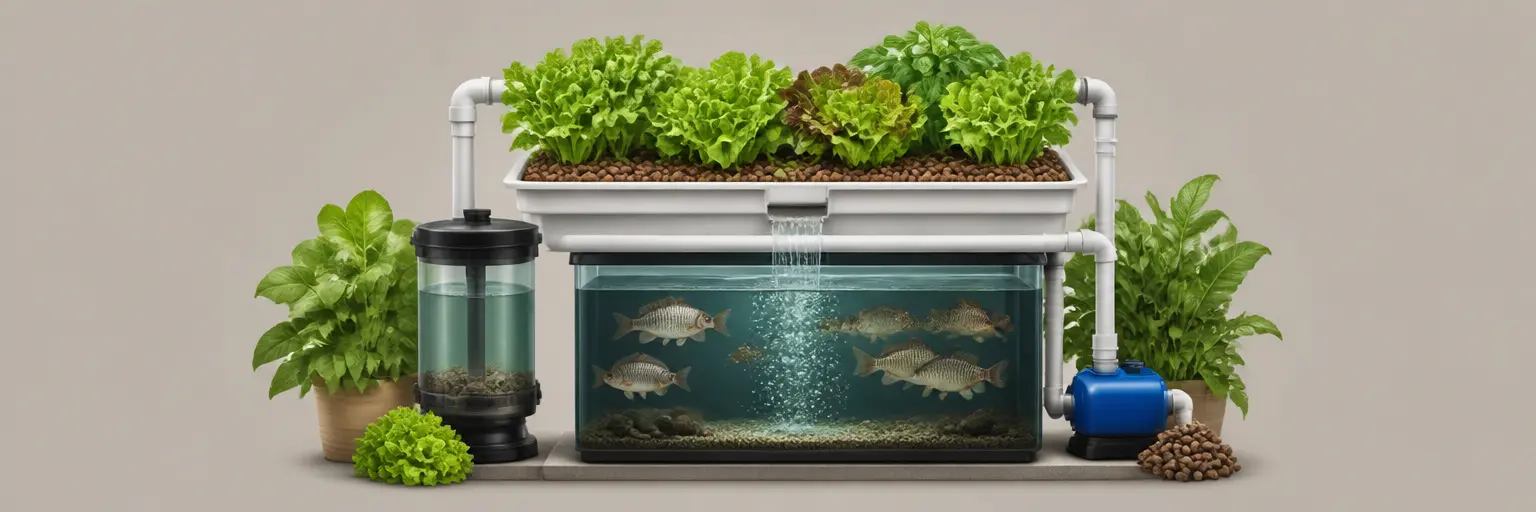
Harvesting in Aquaponics: When and How to Pick
Build a thriving home food garden with backyard aquaponics 🌱🐟—a sustainable system that combines fish farming and soilless plant cultivation in one efficient ecosystem. Discover essential aquaponics equipment, beginner-friendly setup guides, water management tips, organic growing practices, and practical advice for raising healthy fish and fresh herbs and vegetables at home. Embrace resource-efficient gardening and cultivate your own nutritious harvest with confidence!
5 articles
Deep Water Culture Aquaponics: A Simple Method
Troubleshooting Common Aquaponics Problems: A Practical Guide
Air Pumps and Oxygenation: Crucial for Healthy Aquaponic Growth
Warm Climate Aquaponics: Adapting Your Setup for Heat
🌱 Setting Up a Backyard Aquaponics System: Equipment and Guides
Discover how to create a productive backyard aquaponics system with practical equipment recommendations, setup guides, and sustainable growing advice from CultivateYourFood. This specialty gardening subcategory explains how fish, water, beneficial bacteria, and plants work together in a natural growing cycle, helping you cultivate vegetables, fruits, and herbs with efficient water use and fewer synthetic inputs. Whether you are planning a small aquaponics garden, a DIY fish tank system, or a larger home food production setup, you will find clear information to build, maintain, and improve your system.
🐟 Aquaponics Basics for Home Gardeners
Learn how aquaponics combines aquaculture and hydroponics to create a recirculating ecosystem. Fish produce nutrient-rich waste, beneficial bacteria convert that waste into plant-available nutrients, and plants help filter the water before it returns to the fish tank. This guide is ideal for beginners who want to understand the nitrogen cycle, water movement, fish health, and plant growth before purchasing equipment.
Readers can expect practical explanations of cycling a new aquaponics system, balancing fish and plant populations, and maintaining healthy water conditions. You will also discover how backyard aquaponics supports sustainable gardening by reducing water consumption, reusing nutrients, and producing fresh food in compact spaces.
🛠️ Essential Aquaponics Equipment and Supplies
Choose the right aquaponics equipment for your available space, budget, climate, and growing goals. Key supplies may include a fish tank, grow beds, a water pump, air pump, air stones, plumbing, grow media, filtration components, water testing kits, heaters, shade cloth, and protective covers. Understanding the purpose of each item helps prevent costly mistakes and makes your system easier to manage.
Our equipment guides explain how to compare tank sizes, pump capacity, pipe fittings, media beds, and lighting options. You will find advice for selecting durable, food-safe materials and energy-efficient components that support reliable water circulation, adequate oxygenation, and long-term backyard food production.
🔧 DIY Backyard Aquaponics System Plans
Explore practical DIY aquaponics system ideas for patios, balconies, greenhouses, garages, and small backyards. Step-by-step planning resources can help you design a media bed system, nutrient film technique setup, deep water culture system, or combination system using accessible materials and straightforward construction methods.
Each guide focuses on safe assembly, stable placement, proper drainage, and easy maintenance. You can learn how to calculate system volume, position grow beds, install plumbing, prevent leaks, and create access points for feeding fish, harvesting crops, and cleaning essential components.
🌿 Best Plants for Aquaponics Gardening
Find out which aquaponics plants thrive in different systems and growing conditions. Leafy greens such as lettuce, kale, spinach, Swiss chard, and herbs often perform well in beginner setups, while tomatoes, cucumbers, peppers, beans, and strawberries may require stronger support, higher nutrient levels, or additional lighting.
These resources cover seed starting, transplanting, spacing, root management, nutrient requirements, and harvesting. You will also learn how to choose crops that match your fish population and climate, helping maintain a productive balance between plant demand and available nutrients.
💧 Water Quality, Fish Health, and System Maintenance
Successful aquaponics depends on stable water quality and healthy aquatic life. Learn how to monitor pH, ammonia, nitrite, nitrate, temperature, dissolved oxygen, and water hardness using reliable testing methods. Regular observation helps identify problems early and protects both fish and plants from stress.
Maintenance guides explain feeding schedules, filter cleaning, pump inspections, algae control, water top-ups, and safe troubleshooting. You will also find sustainable practices for reducing evaporation, conserving electricity, managing organic waste, and keeping your backyard aquaponics system clean without harming beneficial bacteria.
🌎 Organic and Sustainable Aquaponics Practices
CultivateYourFood promotes responsible food growing through sustainable and organic-minded methods. Learn how to select healthy fish feed, avoid unnecessary chemicals, use natural pest control, and support beneficial insects around your growing area. Although aquaponics has unique rules regarding treatments, careful planning can help produce clean, fresh food at home.
You can also explore ways to reuse materials, harvest rainwater where appropriate, improve insulation, use solar-powered equipment, and compost suitable garden waste separately. These approaches make aquaponics a valuable part of a broader eco-friendly home gardening system.
❓ Frequently Asked Questions About Backyard Aquaponics
What is the best aquaponics system for beginners?
A media bed aquaponics system is often a good starting point because it is simple to build, easy to plant, and relatively straightforward to maintain. A small fish tank, grow bed, water pump, air pump, and suitable grow media can provide a manageable introduction to aquaponics gardening.
How much space is needed for a backyard aquaponics system?
A small system can fit on a patio, balcony, or compact garden area, while larger systems may require a greenhouse or dedicated backyard zone. Always leave enough room to access the tank, inspect plumbing, test water, feed fish, and harvest plants safely.
Which fish are suitable for home aquaponics?
Common choices include tilapia, trout, catfish, koi, goldfish, and other locally permitted species. The best fish depends on climate, water temperature, system size, local regulations, and whether the fish are intended for food or ornamental purposes. Always check regional rules before stocking a tank.
How long does it take to cycle an aquaponics system?
A new system commonly takes several weeks to establish its beneficial bacterial colony, although timing varies with temperature, filtration, water chemistry, and cycling method. Test ammonia, nitrite, and nitrate regularly, and avoid adding a full fish population until the system is biologically stable.
Can vegetables be grown in aquaponics without synthetic fertilizer?
Yes, aquaponics can grow many vegetables and herbs using nutrients generated through the fish and bacterial cycle. However, plants may occasionally require approved supplements such as iron, calcium, or potassium when deficiencies appear. Test water and follow careful, fish-safe guidance before adding any supplement.