
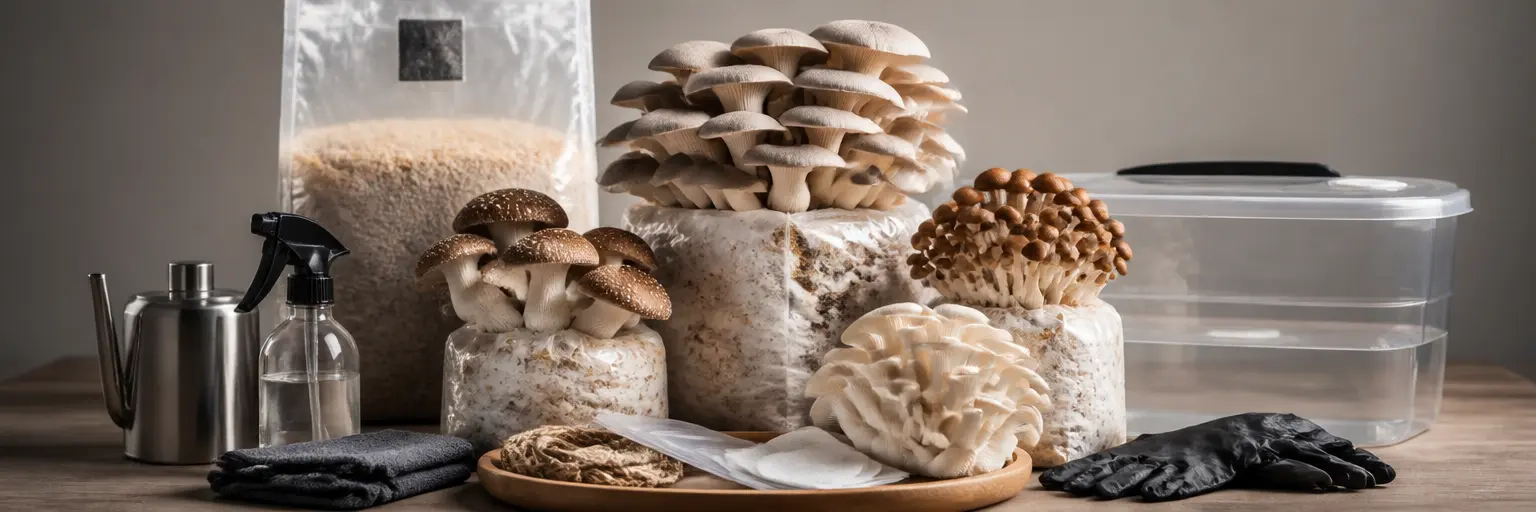
Mushroom Fruiting Chambers: Creating the Ideal Environment
🍄 Grow gourmet mushrooms at home with beginner-friendly kits and essential supplies from CultivateYourFood! Discover sustainable ways to cultivate oyster, shiitake, lion’s mane, and other flavorful varieties indoors or outdoors. Explore organic mushroom-growing tools, substrate options, humidity solutions, and expert tips for a fresh, rewarding harvest right from your own space.
5 articles
Mushroom Grow Tents: Creating a Controlled Environment
Reishi Mushroom Cultivation: A Deep Dive into the Medicinal Fungi
Mushroom Grow Kits: The Easiest Way to Cultivate Gourmet Fungi Indoors
Harvesting Gourmet Mushrooms: Knowing When and How to Pick
🍄 Growing Gourmet Mushrooms at Home: Kits and Supplies
Welcome to CultivateYourFood, your practical resource for growing gourmet mushrooms at home using sustainable, beginner-friendly methods. This specialty gardening subcategory explores mushroom growing kits, spawn, substrates, humidity tools, containers, harvesting supplies, and essential techniques for cultivating delicious varieties such as oyster, shiitake, lion’s mane, wine cap, and chestnut mushrooms. Whether you are starting an indoor mushroom garden, expanding a homestead food system, or looking for a unique organic gardening project, you will find guidance to help you grow fresh fungi with confidence.
🌱 Choosing the Best Mushroom Growing Kit
Discover how to select the right mushroom growing kit for your space, experience level, and preferred gourmet variety. Our guides explain the differences between ready-to-fruit blocks, spray-and-grow kits, bucket systems, and complete mushroom cultivation kits so you can make an informed purchase.
Learn what to look for in a high-quality kit, including healthy mycelium, suitable substrate, clear instructions, reliable packaging, and multiple harvest potential. We also cover beginner-friendly options for growing oyster mushrooms, lion’s mane mushrooms, and shiitake mushrooms indoors.
🧰 Essential Mushroom Growing Supplies
Successful home mushroom cultivation often requires more than a kit. Explore essential supplies such as mushroom spawn, sterilized grain, hardwood sawdust, coco coir, grow bags, humidity tents, spray bottles, thermometers, hygrometers, and clean cutting tools.
Our content helps you understand which mushroom supplies are necessary and which are optional. You will learn how to create an affordable setup for indoor mushroom gardening, maintain clean growing conditions, and choose reusable or low-waste equipment that supports sustainable food production.
💧 Managing Humidity, Fresh Air, and Light
Mushrooms require a carefully balanced environment to produce healthy fruiting bodies. Find practical advice for maintaining humidity, providing fresh air exchange, managing temperature, and using indirect light without drying out your mushroom grow kit.
These resources explain how to identify common environmental problems, including dry pins, slow growth, long stems, poor cap development, and contamination risks. With the right humidity control and ventilation routine, even small apartments can support productive gourmet mushroom cultivation.
🍽️ Growing Popular Gourmet Mushroom Varieties
Explore detailed information about cultivating popular edible mushrooms at home. Oyster mushrooms are known for their fast growth and beginner-friendly nature, while lion’s mane mushrooms are valued for their unusual appearance and delicate texture. Shiitake mushrooms offer a rich flavor and can be grown on hardwood-based substrates.
You can also learn about less common varieties, including wine cap, chestnut, enoki, pioppino, and turkey tail mushrooms. Each guide covers preferred temperatures, substrates, moisture requirements, fruiting conditions, harvesting methods, and tips for achieving reliable results.
🧼 Clean Cultivation and Contamination Prevention
Clean handling is one of the most important parts of growing mushrooms indoors. Learn how to sanitize surfaces, prepare equipment, handle spawn, protect colonized blocks, and recognize signs of mold or bacterial contamination before problems spread.
Our sustainable cultivation advice focuses on simple habits rather than unnecessary chemicals. You will discover how to improve airflow, avoid overwatering, separate affected materials, and safely dispose of contaminated substrate while protecting future mushroom grows.
♻️ Sustainable Mushroom Gardening at Home
Mushroom cultivation can be an efficient addition to an organic home food system because many species grow on agricultural byproducts such as hardwood sawdust, straw, coffee grounds, and other plant-based materials. Learn how mushroom growing can support low-waste gardening and productive use of organic materials.
We also share ideas for reusing spent mushroom substrate in compost, garden beds, and soil improvement projects when appropriate. These methods connect mushroom growing with composting, regenerative gardening, and sustainable food production practices featured throughout CultivateYourFood.
🔪 Harvesting, Storing, and Cooking Fresh Mushrooms
Find out when gourmet mushrooms are ready to harvest and how to remove them without damaging the growing block. Proper timing can improve flavor, texture, shelf life, and the possibility of additional flushes from the same kit.
After harvesting, learn how to store fresh mushrooms, reduce excess moisture, and prepare them for cooking. Our resources include practical tips for sautéing, roasting, drying, preserving, and adding homegrown mushrooms to nutritious meals.
❓ Frequently Asked Questions About Growing Gourmet Mushrooms
🍄 Are gourmet mushrooms easy to grow at home?
Yes. Many gourmet mushrooms, especially oyster mushrooms, are suitable for beginners. A ready-to-fruit mushroom kit provides colonized substrate and reduces the need for advanced sterilization or laboratory equipment. Consistent humidity, fresh air, cleanliness, and indirect light are usually the most important requirements.
🏠 Can I grow mushrooms indoors without a garden?
Absolutely. Mushrooms do not require traditional garden soil or direct sunlight, making them ideal for kitchens, closets, basements, balconies, and small homes. Choose a clean location with stable temperatures and enough space for air circulation around the growing kit.
💧 How often should I water a mushroom growing kit?
Watering depends on the mushroom variety and the type of kit. Many kits benefit from misting several times per day to maintain surface moisture, but they should not be soaked or left in standing water. Always follow the supplier’s instructions and monitor humidity with a hygrometer when possible.
🦠 What should I do if mold appears on my mushroom kit?
Separate the affected kit from other growing materials and examine the color, texture, and spread of the growth. Some harmless mycelium may look white and threadlike, while green, black, orange, or foul-smelling growth can indicate contamination. When contamination is confirmed, avoid consuming the mushrooms and dispose of the material safely.
♻️ Can spent mushroom substrate be added to compost?
In many cases, spent mushroom substrate can be added to a compost pile or used as an organic soil amendment after it has finished producing. Mix it with carbon-rich materials such as dry leaves, cardboard, or straw, and allow it to decompose fully. Do not compost substrate affected by serious contamination unless you are certain it can be managed safely.