
Choosing the Perfect Location for Your Fairy Garden: Light and Soil
Create a charming miniature world with terrarium and fairy garden supplies designed for creative, low-maintenance gardening. Discover inspiring ideas for choosing plants, containers, soil, moss, stones, figurines, and sustainable decorations to build enchanting indoor or outdoor displays. 🌿✨ Whether you’re crafting a woodland scene, succulent terrarium, or whimsical fairy garden, find practical guidance for healthy plant growth, organic care, and beautiful results that bring nature indoors.
4 articles
Attracting Fairies to Your Garden: Myth and Reality
Troubleshooting Common Issues in Terrariums and Fairy Gardens
DIY Fairy Garden Furniture: Easy Projects for a Magical Touch
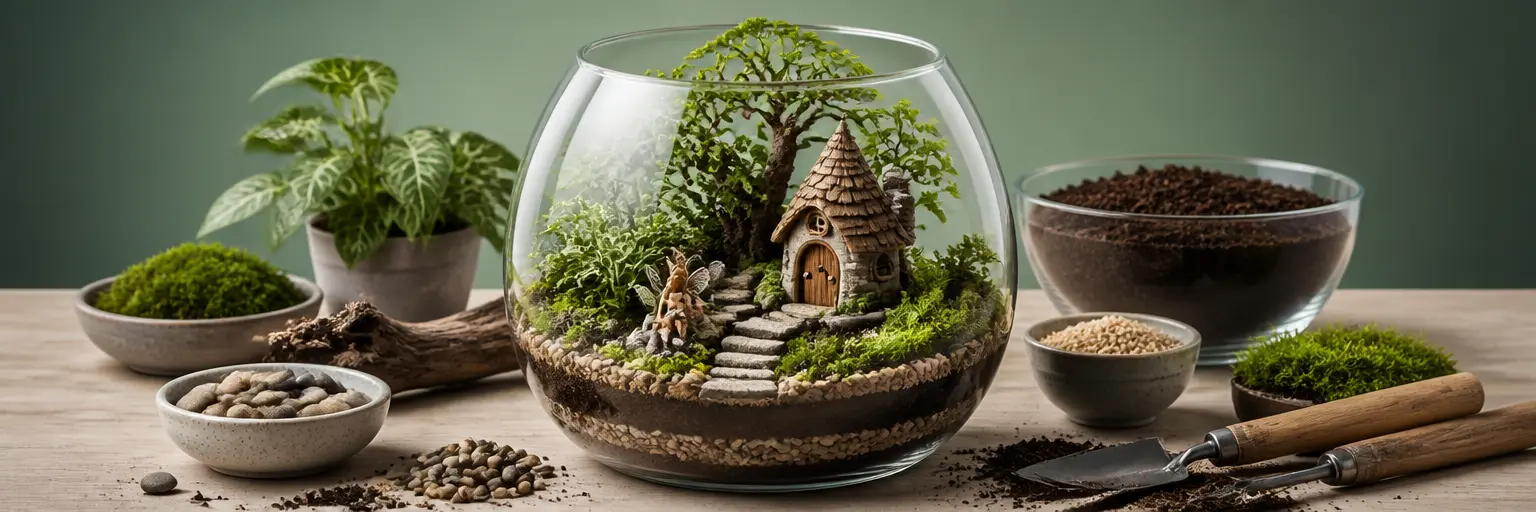
🌿 Building a Terrarium or Fairy Garden: Supplies and Ideas
Discover creative, beginner-friendly ways to build a beautiful terrarium or fairy garden at home with practical supplies, sustainable gardening ideas, and step-by-step inspiration from CultivateYourFood. This specialty gardening subcategory covers everything from miniature indoor ecosystems and succulent terrariums to enchanting outdoor fairy gardens filled with tiny plants, natural materials, and imaginative décor. Learn how to choose the right container, soil, drainage materials, plants, ornaments, and maintenance routines while using organic gardening practices whenever possible.
🪴 Terrarium Supplies for Healthy Miniature Gardens
Find essential terrarium supplies for creating a thriving miniature garden, including glass containers, pebbles, activated charcoal, potting mix, moss, drainage layers, and suitable plants. Learn why drainage is important in enclosed environments and how the right materials help prevent excess moisture, root problems, mold, and unpleasant odors.
Readers can also discover sustainable alternatives, such as reclaimed glass jars, natural stones, homemade compost blends, and responsibly sourced decorative materials. Whether you are making a closed terrarium, open succulent terrarium, or beginner plant display, these resources help you select supplies that support healthy growth and attractive design.
✨ Fairy Garden Ideas for Creative Outdoor Spaces
Explore imaginative fairy garden ideas for patios, balconies, raised beds, window boxes, and shaded corners of the yard. Create a miniature landscape with moss, ground covers, herbs, small flowers, pathways, natural stones, driftwood, and tiny structures that transform an ordinary container or garden bed into a magical retreat.
Learn how to design a fairy garden that feels natural rather than overcrowded by combining varied textures, heights, and colors. You can use eco-friendly fairy garden décor, recycled materials, and weather-resistant features to build a charming display that complements your existing sustainable garden without introducing harmful chemicals or invasive plants.
🌱 Best Plants for Terrariums and Fairy Gardens
Choosing appropriate plants is one of the most important steps in building a successful miniature garden. Discover options such as mosses, ferns, fittonia, nerve plants, miniature peperomia, baby tears, air plants, succulents, thyme, sedum, and other compact species suited to specific light and moisture conditions.
These guides explain the difference between plants for closed terrariums, open terrariums, indoor fairy gardens, and outdoor miniature landscapes. You will learn how to match plants with humidity, sunlight, soil type, container size, and watering needs so your arrangement remains healthy, attractive, and easy to maintain.
♻️ Sustainable and Organic Miniature Gardening
CultivateYourFood encourages environmentally responsible gardening, even in small decorative projects. Learn how to reuse containers, reduce plastic waste, create organic soil mixes, collect rainwater, and choose untreated natural materials when building a terrarium or fairy garden.
Readers can also explore ways to incorporate miniature edible plants and herbs into decorative displays where conditions allow. With thoughtful plant selection and gentle pest control methods, your project can reflect sustainable gardening principles while adding beauty to your home, balcony, porch, or outdoor growing space.
💧 Terrarium Care, Watering, and Pest Prevention
Get practical advice for maintaining humidity, light, airflow, and moisture in a terrarium. Learn how to recognize signs of overwatering, underwatering, poor drainage, fungal growth, yellow leaves, and plant stress. Simple care routines can help your miniature ecosystem remain vibrant for months or even years.
Discover organic ways to manage common pests such as fungus gnats, aphids, and spider mites without relying on harsh pesticides. Regular inspection, proper ventilation, clean tools, healthy soil, and careful watering are key parts of natural terrarium maintenance and long-term plant health.
🧚 DIY Projects and Step-by-Step Design Inspiration
Find approachable DIY terrarium projects and fairy garden tutorials for different skill levels, budgets, and spaces. Ideas may include recycled jar terrariums, tabletop gardens, succulent bowls, miniature herb gardens, woodland fairy scenes, and seasonal displays using materials you may already have at home.
Each project can help you plan the layout, prepare the container, install the drainage layer, arrange plants, add decorative elements, and establish a simple care schedule. Whether you are gardening with children, creating a handmade gift, or adding personality to your home, these ideas make miniature gardening enjoyable and rewarding.
❓ Frequently Asked Questions About Terrariums and Fairy Gardens
🌿 What supplies do I need to build a basic terrarium?
A basic terrarium usually requires a clear container, small stones or gravel for drainage, activated charcoal, suitable potting soil, and compatible plants. Optional supplies include moss, natural decorations, a spoon or funnel for arranging layers, and a spray bottle for gentle watering.
💧 How often should a terrarium be watered?
Watering depends on the type of terrarium and the plants inside it. Closed terrariums often need very little water because moisture recirculates, while open terrariums with succulents may require occasional watering when the soil is completely dry. Avoid overwatering, as trapped moisture can cause root rot and mold.
🌱 Which plants are best for a closed terrarium?
Humidity-loving plants such as moss, ferns, fittonia, nerve plants, and baby tears are often well suited to closed terrariums. Choose compact plants with similar light and moisture requirements, and avoid combining desert plants with tropical plants in the same enclosed container.
🧚 Can I make a fairy garden in a small space?
Yes. Fairy gardens work well in pots, window boxes, shallow trays, balcony containers, and even small recycled vessels. Use miniature plants, compact ornaments, and a simple focal point to create an attractive design without needing a large yard.
♻️ How can I make a terrarium or fairy garden more sustainable?
Reuse glass containers, choose organic soil ingredients, collect natural decorations responsibly, avoid invasive plants, and use non-toxic pest control methods. Selecting durable materials and low-maintenance plants also reduces waste and helps create a more environmentally friendly miniature garden.