
Organic Gardening
Discover the joys of Organic Gardening with CultivateYourFood 🌱 Learn how to grow delicious fruits, vegetables, and herbs at home using sustainable methods that nurture your plants, protect beneficial wildlife, and improve long-term garden health. Explore practical guidance on enriching soil naturally, conserving water, managing pests and weeds without harsh chemicals, and creating a thriving, productive garden through eco-friendly practices. Whether you’re a beginner or an experienced grower, cultivate healthier harvests while caring for the planet!
 Principles of Organic Gardening
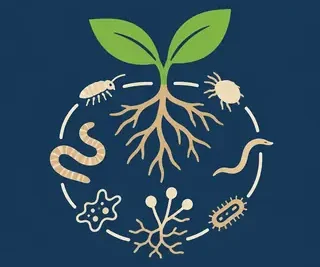 Building Healthy Soil Food Web
 Using Cover Crops in the Home Garden
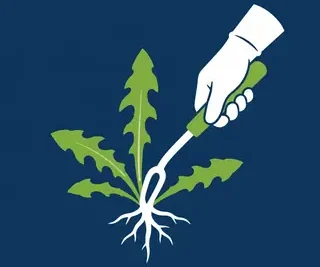 Weed Control in Organic Gardens
 Natural Pest Control Methods
 Watering Techniques for Organic Gardens
 Organic Fertilizers and Soil Amendments
🌿 Organic Gardening: Grow Healthy Food Naturally
Welcome to the Organic Gardening section of CultivateYourFood, your practical resource for growing nutritious fruits, vegetables, and herbs without relying on synthetic chemicals. Discover proven organic gardening methods that improve soil health, conserve water, support beneficial insects, and help create a productive home garden.
Whether you are starting a vegetable garden, improving raised beds, or transitioning to sustainable gardening, you will find guidance on composting, natural fertilizers, organic pest control, weed management, crop rotation, and seasonal garden care. Our goal is to help you cultivate healthy plants through environmentally responsible techniques that protect your family, soil, and local ecosystem.
🌱 Organic Fertilizers and Soil Amendments
Learn how to nourish garden soil with compost, aged manure, worm castings, compost tea, bone meal, kelp, and other natural soil amendments. This subcategory explains how organic fertilizers release nutrients gradually while supporting long-term soil fertility and strong plant growth.
Readers can expect practical advice on choosing amendments, understanding basic soil needs, and applying nutrients safely to vegetables, herbs, and fruit plants. You will also learn why soil testing and balanced fertilization are essential for avoiding nutrient deficiencies, overfeeding, and environmental damage.
💧 Watering Techniques for Organic Gardens
Explore efficient watering methods for organic vegetable gardens, raised beds, containers, and edible landscapes. Topics include deep watering, drip irrigation, soaker hoses, rainwater collection, mulching, and watering schedules based on soil type and weather.
These guides will help you reduce evaporation, prevent plant stress, and conserve water while maintaining consistent soil moisture. Discover how watering at the right time and at the root zone can encourage stronger roots and reduce the risk of fungal diseases.
🐞 Natural Pest Control Methods
Find effective ways to manage garden pests without synthetic pesticides. Learn about companion planting, beneficial insects, physical barriers, hand-picking, insecticidal soap, neem-based products, and other responsible approaches to organic pest control.
This subcategory focuses on prevention and natural balance rather than eliminating every insect. You will discover how to identify common garden pests, recognize beneficial organisms, and use integrated pest management techniques that protect pollinators and preserve garden biodiversity.
🌾 Weed Control in Organic Gardens
Learn how to control weeds naturally with mulch, hand weeding, hoeing, sheet mulching, dense planting, cover crops, and other chemical-free techniques. These methods help reduce competition for sunlight, water, and nutrients while keeping edible crops productive.
Readers will also learn how to identify weeds early, prevent new seeds from spreading, and choose the right strategy for paths, raised beds, and larger garden areas. Consistent organic weed management makes garden maintenance easier and protects soil structure.
🌿 Using Cover Crops in the Home Garden
Discover how cover crops such as clover, vetch, oats, rye, peas, and buckwheat can improve the health of a home garden. Cover crops help prevent erosion, suppress weeds, capture nutrients, add organic matter, and support beneficial soil organisms during periods when beds are not planted.
This section explains how to select cover crops for different seasons, climates, and garden goals. You will learn when to sow, mow, cut, or incorporate them, along with best practices for using green manure and living mulch without competing with future food crops.
🦠 Building a Healthy Soil Food Web
Learn how bacteria, fungi, earthworms, nematodes, arthropods, and other organisms work together beneath the soil surface. A healthy soil food web improves nutrient cycling, root development, water retention, and natural disease resistance.
These resources explain how compost, organic matter, reduced tillage, mulch, and living roots support beneficial soil life. By building biologically active soil, gardeners can create more resilient plants and productive beds with fewer external inputs.
🌍 Principles of Organic Gardening
Understand the core principles behind sustainable and organic gardening, including soil stewardship, biodiversity, responsible resource use, natural nutrient cycling, and ecological pest management. This foundation helps beginners and experienced gardeners make informed choices throughout the growing season.
Expect practical guidance on crop rotation, companion planting, composting, seed selection, seasonal planning, and avoiding harmful synthetic chemicals. Applying these principles creates a garden that is healthy, productive, sustainable, and better connected to nature.
❓ Frequently Asked Questions About Organic Gardening
What is organic gardening?
Organic gardening is the practice of growing plants without synthetic pesticides, herbicides, or fertilizers. It relies on compost, natural soil amendments, biodiversity, crop rotation, beneficial insects, and other methods that support healthy soil and ecosystems.
How can I improve soil naturally?
Add mature compost, leaf mold, aged manure, or worm castings, and keep the soil covered with mulch or living plants. Soil testing can help identify nutrient needs, while minimizing unnecessary digging protects soil structure and beneficial organisms.
What is the best natural fertilizer for a vegetable garden?
Compost is one of the most versatile natural fertilizers because it adds organic matter and a broad range of nutrients. Depending on soil test results and crop needs, gardeners may also use worm castings, kelp meal, rock minerals, or other approved organic amendments.
How do I control pests in an organic garden?
Begin by identifying the pest and checking whether natural predators are already controlling it. Use healthy soil, crop rotation, insect netting, companion planting, hand-picking, and targeted organic treatments such as insecticidal soap when necessary.
How often should an organic garden be watered?
Watering frequency depends on climate, soil, rainfall, plant type, and container size. Water deeply when the top layer of soil begins to dry, preferably in the morning, and use mulch or drip irrigation to conserve moisture and keep roots consistently hydrated.