
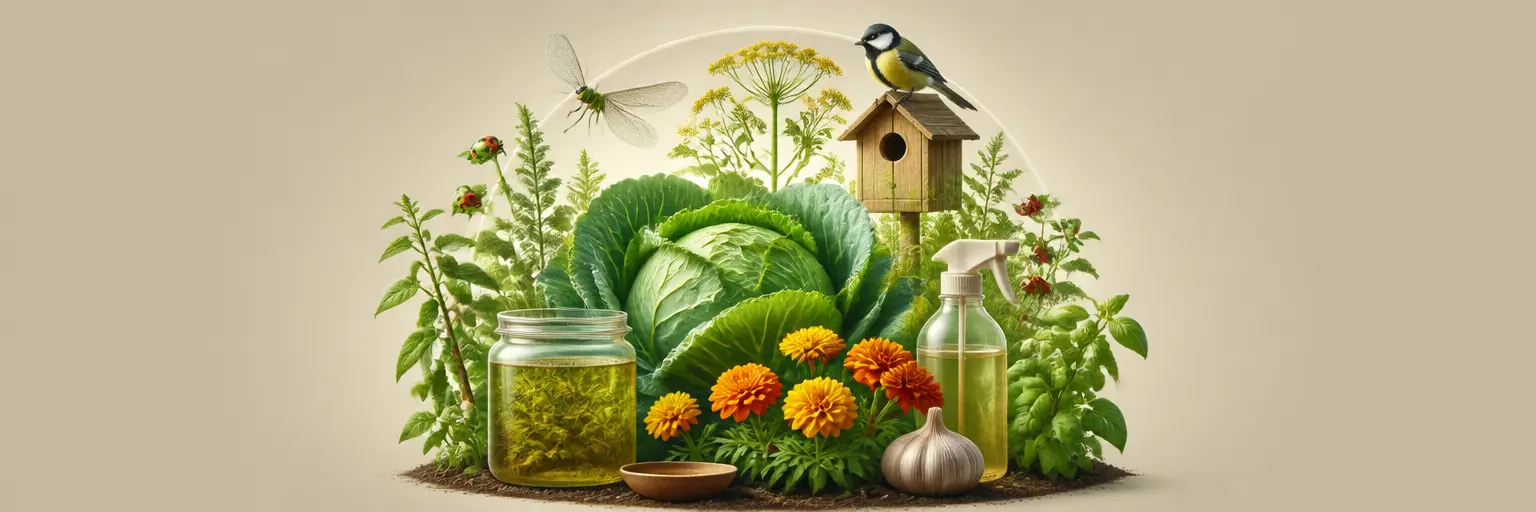
Natural Pest Control: Tips and Tricks for a Thriving Garden
Discover natural pest control methods for a healthier, more productive organic garden 🌿🐞 Learn how to protect fruits, vegetables, and herbs with eco-friendly solutions such as beneficial insects, companion planting, organic sprays, and homemade remedies—without relying on harsh chemicals. CultivateYourFood helps you manage garden pests sustainably while supporting soil health, biodiversity, and thriving harvests.
8 articles
Natural Pest Control: The Importance of Soil Health in Pest Management
Natural Pest Control for Fruit Trees: Ensuring a Bountiful Crop
Natural Pest Control: Protecting Your Plants Without Harming the Environment
Natural Pest Control vs. Chemical Pesticides: Making the Right Choice
Natural Pest Control: Transforming Your Garden into a Thriving Ecosystem
Natural Pest Control: The Benefits of a ChemicalFree Garden
Homemade Pest Sprays: Simple Recipes for Effective Garden Protection
🌿 Natural Pest Control Methods for Organic Gardening
Welcome to CultivateYourFood, your trusted resource for natural pest control methods that protect homegrown fruits, vegetables, and herbs without relying on harsh synthetic pesticides. This subcategory focuses on sustainable, organic gardening solutions for identifying common garden pests, preventing infestations, and protecting healthy plants while supporting pollinators, beneficial insects, soil life, and the wider garden ecosystem.
🐞 Identify Garden Pests Before Taking Action
Effective organic pest control begins with accurate identification. Learn how to recognize aphids, caterpillars, whiteflies, spider mites, fungus gnats, beetles, slugs, snails, and other common vegetable garden pests by examining plant leaves, stems, roots, flowers, and fruit. Understanding the difference between pest damage, plant disease, nutrient deficiencies, and environmental stress helps you choose a targeted solution instead of treating the entire garden unnecessarily.
Our guidance emphasizes integrated pest management, a practical approach that combines observation, prevention, natural remedies, and limited intervention. Readers can expect helpful information about pest life cycles, feeding patterns, visible symptoms, and the best time to act, making it easier to protect tomato plants, leafy greens, herbs, fruit trees, and container gardens naturally.
🌱 Organic Prevention for a Healthier Garden
The best natural pest control strategy is prevention. Discover how healthy soil, proper watering, crop rotation, spacing, pruning, sanitation, and strong plant selection can reduce pest pressure before an infestation begins. Well-maintained plants are often more resilient, while overcrowded beds, excess moisture, weeds, and decaying plant material can create ideal conditions for unwanted insects and garden pests.
You will also find sustainable gardening ideas such as using floating row covers, insect netting, mulch, physical barriers, companion planting, and garden cleanup. These methods provide chemical-free pest protection while preserving soil health and helping you grow productive organic vegetables, fruits, and herbs at home.
🦋 Attract Beneficial Insects and Pollinators
Not every insect in the garden is harmful. Ladybugs, lacewings, ground beetles, hoverflies, praying mantises, parasitic wasps, bees, and other beneficial insects can naturally reduce pest populations and improve pollination. Learn how to create a welcoming habitat with native flowers, flowering herbs, shelter plants, shallow water sources, and pesticide-free garden practices.
These articles explain how to support biodiversity without accidentally attracting more pests. By encouraging natural predators, you can develop a balanced garden ecosystem that offers long-term biological pest control and supports healthy harvests of cucumbers, squash, peppers, berries, fruit trees, and other crops.
🧄 DIY Natural Pest Sprays and Remedies
Explore practical homemade pest control recipes made with commonly available ingredients such as insecticidal soap, neem oil, garlic, hot pepper, horticultural oil, and mild plant-based solutions. Each method should be used carefully, with attention to dilution, application timing, plant sensitivity, and weather conditions. Always test a remedy on a small area before treating an entire crop.
Readers can expect guidance on which natural sprays may help with soft-bodied insects, fungal problems, and surface-feeding pests, as well as advice for protecting flowers and beneficial insects. Natural does not automatically mean harmless, so responsible application, correct identification, and label instructions remain essential for safe organic gardening.
🪱 Protect Soil, Roots, and Compost Naturally
Healthy soil is the foundation of successful organic pest management. Learn how composting, adding aged organic matter, using mulch, improving drainage, and encouraging earthworms and microorganisms can create stronger growing conditions. Balanced soil supports vigorous roots and plants that are better able to withstand insect damage, disease, drought, and temperature changes.
This subcategory also covers natural ways to manage soil-dwelling pests, fungus gnats, root-feeding larvae, and unwanted organisms around compost bins and garden beds. Discover how to use sustainable soil care and responsible composting practices to recycle garden waste while reducing pest-friendly conditions.
🥕 Natural Pest Control for Fruits, Vegetables, and Herbs
Different crops attract different pests, so natural pest control should be adapted to each plant. Find crop-specific recommendations for tomatoes, peppers, lettuce, kale, carrots, beans, cucumbers, squash, strawberries, fruit trees, basil, mint, rosemary, and other popular home garden plants. Learn how to protect seedlings, flowering plants, developing fruit, and harvest-ready produce.
Whether you garden in raised beds, containers, a greenhouse, or a small backyard plot, these resources provide practical ways to prevent crop damage while maintaining an edible garden free from unnecessary chemical residues. The goal is to help you harvest more nutritious, homegrown food using safe, sustainable, and organic gardening methods.
❓ Frequently Asked Questions About Natural Pest Control
🌿 What is the safest natural pest control method for a home vegetable garden?
The safest starting point is prevention through regular inspection, healthy soil, proper plant spacing, handpicking, water sprays, physical barriers, and removing severely infested plant material. These methods minimize harm to beneficial insects and are suitable for many edible crops.
🐜 Does neem oil kill beneficial insects?
Neem oil can affect beneficial insects if it is sprayed directly on them or applied when pollinators are active. Use it carefully, follow product directions, apply it during the evening, and avoid spraying open flowers whenever possible.
🦋 How can I control pests without harming bees and butterflies?
Use targeted methods such as handpicking, row covers, insect netting, companion planting, and encouraging natural predators. Avoid broad-spectrum pesticides, spray only when necessary, and apply any approved treatment when bees and butterflies are least active.
🧄 Are homemade garlic or soap sprays effective against garden pests?
Garlic sprays may deter some insects, while properly diluted insecticidal soap can help control soft-bodied pests such as aphids, whiteflies, and spider mites. Test all homemade remedies on a small section first, because strong concentrations can burn leaves or damage sensitive plants.
🔍 How often should I inspect plants for pests?
Inspect plants at least once or twice a week, and check more frequently during warm, humid weather or periods of rapid growth. Examine the undersides of leaves, new shoots, stems, flowers, and soil surfaces so you can address small pest populations before they become serious infestations.