
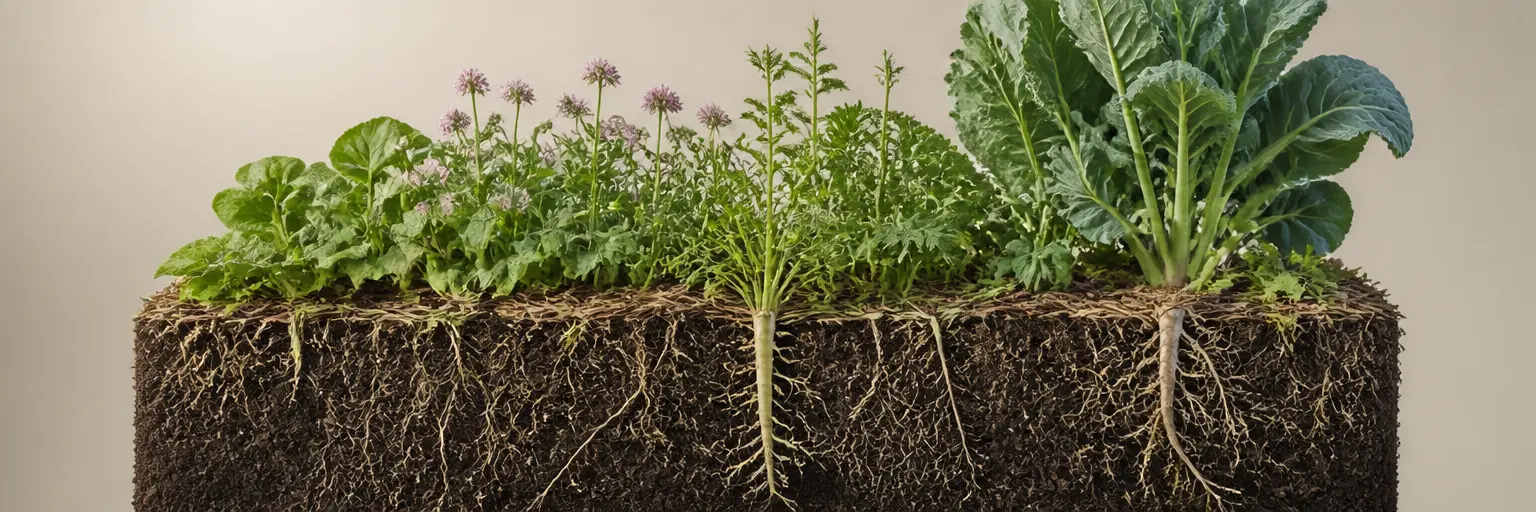
The CostEffective Benefits of Using Cover Crops in Your Garden
🌱 Discover how cover crops can transform your home garden by enriching soil, reducing erosion, suppressing weeds, and supporting beneficial insects—naturally. Learn practical organic gardening techniques for choosing, planting, and managing cover crops such as clover, vetch, and rye to improve soil health and prepare beds for healthier fruits, vegetables, and herbs. 🌿 Embrace sustainable gardening with easy, eco-friendly strategies from CultivateYourFood.
5 articles
NoTill Gardening: How Cover Crops Can Help You Reduce Soil Disturbance
Cover Crops for Beginners: A Simple Guide to Getting Started
How Cover Crops Can Revolutionize Your Home Garden's Soil Health
Improve Water Infiltration and Retention Using Cover Crops
🌱 Using Cover Crops in the Home Garden
Discover how cover crops can improve your home garden naturally while protecting soil, reducing weeds, supporting beneficial insects, and increasing long-term garden productivity. This subcategory from CultivateYourFood explains how organic gardeners can choose, plant, manage, and terminate cover crops in vegetable beds, raised beds, backyard plots, and small urban gardens. Learn practical methods for using legumes, grasses, and fast-growing green manures to build healthier soil without relying on synthetic fertilizers or chemical weed control.
🌿 Benefits of Cover Crops for Organic Garden Soil
Cover crops are plants grown primarily to protect and improve the soil rather than to produce a harvest. They can reduce erosion, limit nutrient loss, improve soil structure, and increase organic matter when incorporated or left as mulch. Readers will learn how cover crops such as crimson clover, hairy vetch, winter rye, oats, buckwheat, and field peas support healthy soil in an organic home garden.
This section also explains how cover crops improve soil fertility and encourage active soil biology. Leguminous plants can help add nitrogen, while grasses and deep-rooted species may improve drainage, aeration, and water retention. These techniques are especially useful for vegetable gardeners seeking sustainable alternatives to synthetic soil amendments.
🌾 Choosing the Best Cover Crop for Your Garden
Selecting the right cover crop depends on your climate, planting season, garden size, soil type, and the vegetables you plan to grow next. Readers can compare cool-season cover crops, warm-season cover crops, winter-hardy varieties, and quick-growing options for vacant garden beds. Guidance will help you decide between clover, rye, oats, buckwheat, mustard, peas, vetch, and mixed cover crop seed blends.
You will also learn how to match plants to specific goals, including nitrogen fixation, weed suppression, erosion prevention, pollinator support, and soil improvement. Information about frost tolerance, growth habits, seed rates, and termination timing can help home gardeners avoid common mistakes and select a practical cover crop for raised beds or in-ground growing areas.
📅 When and How to Plant Cover Crops
Successful cover cropping begins with proper timing and preparation. This section covers how to clear spent vegetable plants, prepare the soil, distribute seed evenly, and provide enough moisture for reliable germination. Readers will find seasonal guidance for planting cover crops after summer harvests, during fallow periods, between vegetable rows, or before the next spring planting.
Learn how to use broadcast seeding, light raking, shallow covering, and gentle watering to establish a dense, healthy stand. The advice is designed for organic gardeners working with limited space, including backyard vegetable gardens, container areas, community plots, and raised beds. Correct planting timing helps cover crops grow vigorously before cold weather or summer heat arrives.
🐝 Cover Crops for Pollinators and Beneficial Insects
Many cover crops provide flowers, nectar, pollen, and shelter for bees, butterflies, hoverflies, predatory insects, and other beneficial wildlife. Flowering clover, buckwheat, phacelia, and vetch can add biodiversity to an organic garden while supporting natural pest management. Readers will learn how flowering cover crops can fit into a pollinator-friendly garden plan.
This section explains how to balance pollinator benefits with vegetable production and seed management. You will discover when to mow, cut, or terminate flowering plants before they become invasive or set unwanted seed. By combining cover crops with organic pest control, gardeners can create a more resilient ecosystem that reduces dependence on pesticides.
✂️ Managing and Terminating Cover Crops
Cover crops must be managed carefully so they improve the garden instead of competing with future vegetables. Readers will learn several organic termination methods, including mowing, cutting, rolling, winter-killing, pulling, and shallow incorporation. The best approach depends on the crop species, plant maturity, available tools, and time before planting the next crop.
Special attention is given to avoiding unwanted reseeding, excessive decomposition, and temporary nitrogen competition. You will learn how long to wait after cutting or incorporating a cover crop before planting vegetables, herbs, or fruit plants. Proper termination turns living plants into valuable green manure and protective garden mulch.
🍅 Using Cover Crops Before Vegetables, Fruits, and Herbs
Cover crops can be part of a productive crop rotation for tomatoes, peppers, cucumbers, squash, leafy greens, root vegetables, strawberries, and culinary herbs. This section explains how cover crops fit between growing seasons and how they can prepare garden beds for heavy-feeding crops. Readers will learn how to plan transitions from cover crop to food crop without disrupting planting schedules.
Practical strategies include selecting low-residue species before small-seeded vegetables, using winter-killed crops before early spring planting, and choosing nitrogen-building legumes before crops that require fertile soil. These methods help create healthier planting beds, improved moisture management, and more consistent vegetable growth through sustainable organic gardening.
❓ Frequently Asked Questions About Home Garden Cover Crops
What is a cover crop in home gardening?
A cover crop is a plant grown to protect and improve soil rather than to harvest as food. Common examples include clover, rye, oats, buckwheat, peas, vetch, and mustard. Cover crops help reduce erosion, suppress weeds, increase organic matter, support beneficial insects, and improve soil fertility in an organic garden.
When should I plant cover crops in my vegetable garden?
Planting time depends on the crop and local climate. Cool-season cover crops are commonly planted in late summer or fall after vegetables are harvested, while warm-season choices such as buckwheat can be planted in spring or summer. Always allow enough time for germination and growth before extreme heat or freezing temperatures.
Do cover crops add nitrogen to the soil?
Legume cover crops, including clover, field peas, vetch, and some beans, can work with soil bacteria to fix atmospheric nitrogen. They may increase available nitrogen after their plant material decomposes, especially when incorporated as green manure. Non-legume crops mainly capture nutrients, add carbon, protect soil, and improve structure.
How do I remove or terminate a cover crop?
Home gardeners can terminate cover crops by mowing, cutting, pulling, rolling, or allowing frost to kill tender varieties. Some crops can be lightly incorporated into the soil, while others work well as surface mulch. Terminate plants before they produce mature seed, and allow decomposition time before planting sensitive vegetable crops.
Can I plant vegetables directly after a cover crop?
Yes, but the timing depends on the cover crop and termination method. Fresh plant material can temporarily compete for nitrogen as it decomposes, so waiting several weeks may be helpful, particularly after using mature grasses. For direct seeding, use a finely prepared bed with minimal residue, or choose a cover crop that winter-kills and leaves manageable plant material.