
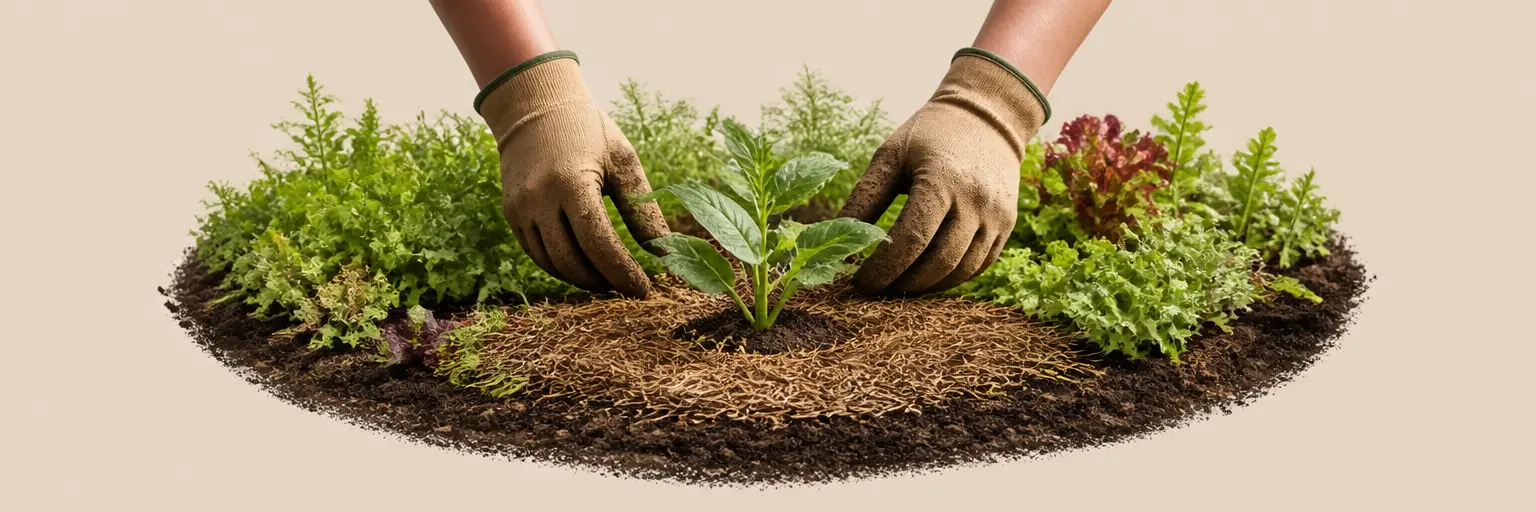
Weed Control in Different Garden Layouts: Adapting Your Methods
Discover effective weed control for organic gardens with safe, sustainable strategies that protect your soil, plants, and beneficial insects 🌱 Learn how to use mulch, hand weeding, cover crops, companion planting, and natural techniques to suppress unwanted growth without synthetic herbicides. Cultivate a healthier, more productive garden while supporting eco-friendly home growing practices with expert tips from CultivateYourFood.
6 articles
Boiling Water for Weeds: A Simple and Effective Organic Method
Understanding Weed Biology: The Key to Successful Organic Control
Weed Control in Herb Gardens: Protecting Your Aromatic Plants
Weed Control in Raised Beds: Specific Strategies for Container Gardens
Weed Control and Garden Pests: Understanding the Connection
🌿 Weed Control in Organic Gardens
Discover effective, organic weed control methods for healthier home gardens with CultivateYourFood. This subcategory explains how to manage weeds without synthetic herbicides while protecting soil health, beneficial insects, vegetables, herbs, fruits, and the wider garden ecosystem. Learn practical techniques such as hand weeding, mulching, cover cropping, crop spacing, soil improvement, and natural weed prevention for a productive and sustainable organic garden.
🌱 Natural Weed Prevention for Organic Gardens
Successful weed management begins before unwanted plants become established. You will learn how healthy soil, proper garden planning, dense planting, crop rotation, and timely cultivation can reduce opportunities for weeds to germinate. These strategies are ideal for vegetable gardens, raised beds, herb gardens, containers, and backyard food-growing spaces.
Our guidance focuses on long-term organic weed prevention rather than quick chemical solutions. Expect practical advice about choosing weed-resistant garden layouts, using clean compost, preventing weed seeds from spreading, and maintaining consistent garden care throughout the growing season.
🍂 Organic Mulching and Weed Suppression
Mulch is one of the most useful tools for controlling weeds naturally. Explore how materials such as straw, shredded leaves, grass clippings, compost, wood chips, and cardboard can block sunlight, conserve moisture, moderate soil temperature, and limit weed seed germination. You will also learn which mulches are best for vegetables, fruit plants, herbs, pathways, and perennial beds.
Learn how to apply mulch correctly by choosing the right depth and keeping organic materials away from plant stems and trunks. Proper mulching can reduce hand weeding, protect soil structure, and support earthworms and beneficial microorganisms while improving the overall appearance of an organic garden.
🧤 Hand Weeding and Mechanical Weed Control
Hand weeding remains a reliable and chemical-free way to remove unwanted plants from small gardens and raised beds. This section covers the best times to pull weeds, how to loosen deep roots, and how to identify weeds before they produce flowers and seeds. Readers can expect helpful tips for using hoes, cultivators, weeders, and other garden tools safely and efficiently.
Discover how regular, gentle maintenance is often more effective than waiting until weeds become large and difficult to remove. Removing young weeds after rain or irrigation makes the task easier and helps prevent competition for water, nutrients, light, and growing space.
🌾 Cover Crops and Living Ground Covers
Cover crops and living ground covers offer an environmentally friendly way to suppress weeds while improving garden soil. Learn how plants such as clover, buckwheat, rye, oats, and other suitable cover crops can occupy open soil, reduce erosion, add organic matter, and compete with unwanted vegetation.
This section also explains how to select ground covers for pathways, orchard areas, slopes, and spaces between perennial plants. You will find guidance on timing, mowing, cutting, and incorporating cover crops so they support soil fertility and sustainable weed management without interfering with food production.
🌻 Weed Identification and Safe Organic Management
Correct weed identification is essential because different weeds spread through seeds, runners, bulbs, or deep roots. Learn how to distinguish common garden weeds from edible wild plants, volunteer crops, and beneficial flowers. Understanding a weed’s growth cycle helps you select the most effective organic control method.
Readers can expect practical information about annual and perennial weeds, invasive plants, poisonous species, and weeds that attract or shelter pests. You will also learn why avoiding unnecessary disturbance is important, since frequent digging can bring dormant weed seeds to the soil surface.
💧 Watering, Soil Health, and Weed Reduction
Watering methods can have a major effect on weed growth. Discover why drip irrigation and targeted watering deliver moisture directly to crop roots while keeping surrounding soil drier. This approach can reduce weed germination and help conserve water in vegetable gardens, containers, and raised beds.
Healthy soil management is equally important. Explore how compost, mature organic matter, balanced fertility, and minimal soil disturbance encourage strong crops that compete more effectively with weeds. The goal is not to create a completely weed-free garden, but to maintain a productive and manageable growing environment.
❓ Frequently Asked Questions About Organic Weed Control
What is the best organic way to control weeds?
The best approach combines prevention and regular maintenance. Use organic mulch, remove young weeds by hand, plant crops closely enough to shade the soil, improve soil health, and avoid allowing weeds to produce seeds. A consistent routine is usually more effective than relying on a single treatment.
Can vinegar be used as a natural weed killer?
Vinegar may damage the leaves of young weeds, especially on warm, sunny days, but it is not a reliable solution for deep-rooted or perennial weeds. It can also harm desirable plants, soil organisms, and surrounding vegetation. Apply any household or horticultural product cautiously and follow applicable label instructions.
Does organic mulch completely prevent weeds?
Organic mulch can greatly reduce weed growth, but it rarely eliminates weeds completely. Apply a suitable layer of straw, leaves, compost, or wood chips and inspect the garden regularly. Remove weeds that emerge before they flower or produce seeds.
Should weeds be removed from the compost pile?
Weeds without mature seeds can often be composted safely in a well-managed hot compost pile. Avoid adding weeds carrying seeds, aggressive roots, or disease unless the compost reaches temperatures capable of destroying them. When uncertain, place invasive or seed-filled weeds in the appropriate organic waste system.
When is the best time to weed an organic garden?
The easiest time to weed is when plants are small and the soil is slightly moist, such as after light rain or watering. Early removal prevents weeds from competing with crops and producing new seeds. Short, frequent weeding sessions are generally easier and more effective than occasional heavy clearing.