
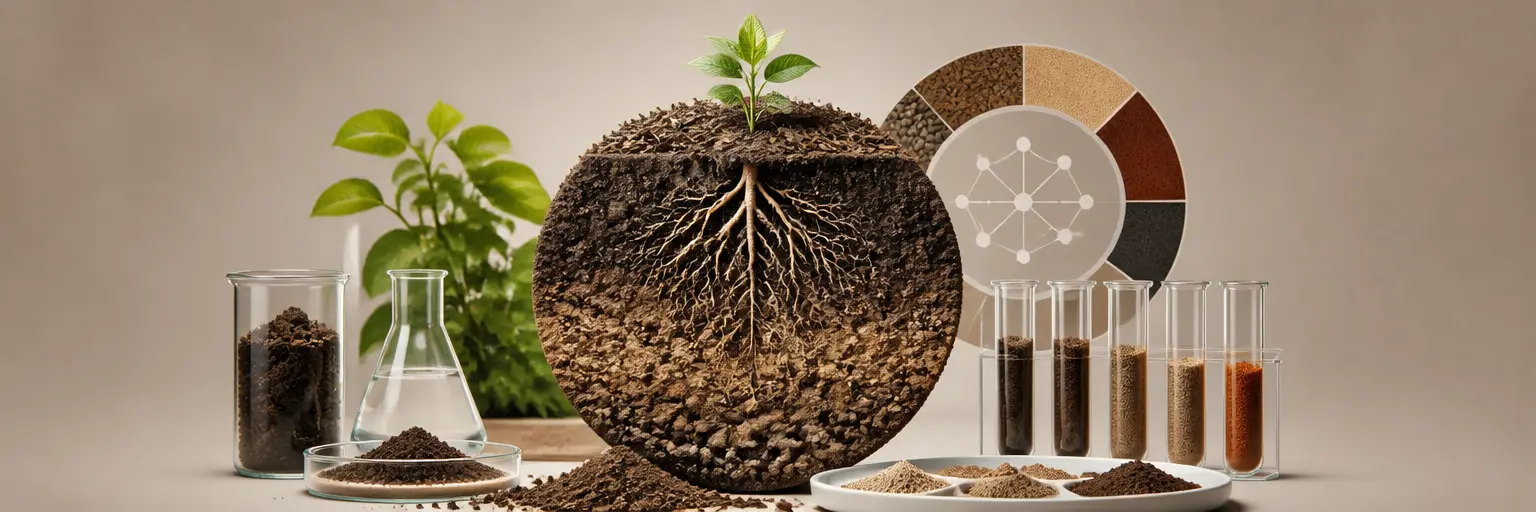
Soil Testing: The Foundation for Sustainable Gardening Practices
Discover how soil testing and interpretation can transform your garden! 🌱 Learn to assess pH, nutrients, texture, and organic matter so you can make informed, sustainable decisions for healthier fruits, vegetables, and herbs. Turn test results into practical soil amendments, improve plant growth, and cultivate thriving harvests with confidence. 🔬🥕
5 articles
Soil Testing and Biodiversity: Maintaining a Thriving Ecosystem
Unlock Your Garden's Potential: The Ultimate Guide to Soil Testing
Soil Testing and Crop Rotation: A Strategy for LongTerm Soil Health
The Secret Language of Soil: How to Interpret Your Soil Test Results
🌱 Soil Testing and Interpretation for Productive, Sustainable Home Gardens
Welcome to the Soil Testing and Interpretation subcategory at CultivateYourFood, your practical resource for understanding the science behind healthy garden soil. Accurate soil testing helps home gardeners evaluate soil pH, nutrient levels, organic matter, texture, salinity, and drainage before planting fruits, vegetables, and herbs. By learning how to interpret soil test results, you can make informed decisions about compost, organic fertilizers, lime, sulfur, and other soil amendments while avoiding unnecessary applications that may harm plants or the environment.
🔬 Understanding Soil Tests and Garden Soil Health
Discover how professional laboratory tests, home soil test kits, and simple garden observations can reveal important information about your growing medium. Articles in this section explain how to collect representative soil samples, prepare them correctly, and understand common measurements such as pH, nitrogen, phosphorus, potassium, calcium, magnesium, and organic matter.
You will also learn why soil testing is essential for vegetable garden planning, raised beds, container gardening, orchard care, and herb production. Clear explanations help you connect test results with plant growth, root development, nutrient availability, and long-term soil fertility.
⚖️ Soil pH, Nutrient Availability, and Plant Growth
Soil pH affects how easily plants can access essential nutrients. Explore practical guidance on interpreting acidic, neutral, and alkaline soil conditions, along with recommendations for adjusting pH naturally using materials such as agricultural lime, elemental sulfur, compost, and well-chosen organic amendments.
Our resources explain the preferred pH ranges for common garden crops, including tomatoes, peppers, carrots, leafy greens, blueberries, fruit trees, culinary herbs, and legumes. You can use this information to prevent nutrient deficiencies, improve plant vigor, and choose crops that are well suited to your existing soil.
🌿 Interpreting Macronutrients and Micronutrients
Learn how to read soil test reports for major nutrients, including nitrogen, phosphorus, and potassium, as well as secondary nutrients and trace elements. Understanding nutrient levels can help you identify potential deficiencies or excesses that may cause pale leaves, weak stems, poor flowering, low yields, or abnormal fruit development.
This subcategory also covers responsible organic fertilization strategies. You will find advice on matching amendments to actual soil needs, interpreting nutrient ratios, and avoiding overfertilization that can damage roots, pollute waterways, or reduce the sustainability of your home garden.
🪱 Organic Matter, Compost, and Soil Structure
Healthy soil is more than a list of chemical values. Explore how soil organic matter, compost, humus, earthworms, microorganisms, and aggregate structure influence water retention, aeration, drainage, and nutrient cycling. These resources show how testing can support better composting and soil-building decisions.
Readers can learn how to improve depleted or compacted soil with finished compost, cover crops, leaf mold, mulch, and reduced tillage. Practical explanations help you build fertile, biologically active soil while supporting sustainable gardening practices and reducing reliance on synthetic inputs.
💧 Soil Texture, Drainage, Salinity, and Contamination
Explore methods for evaluating whether your soil is sandy, silty, clay-rich, or loamy, and learn how texture affects irrigation, root growth, nutrient storage, and drainage. Guidance on infiltration tests and compaction checks can help gardeners improve raised beds, vegetable plots, lawns, and container mixes.
You will also find information about soil salinity, excess soluble salts, heavy metals, and other potential contamination concerns. Understanding when advanced laboratory analysis is appropriate can help protect edible crops and ensure that your garden soil is safe for growing food at home.
📊 Turning Soil Test Results into an Action Plan
A soil report is useful only when you know how to apply it. Learn how to translate laboratory recommendations into practical steps, including selecting suitable organic amendments, calculating application rates, timing treatments, and retesting soil after improvements have had time to work.
Our guides emphasize balanced, evidence-based soil management rather than guesswork. Whether you are preparing a new garden bed, restoring tired soil, managing a home orchard, or growing vegetables in containers, you can create a clear plan for healthier plants and more reliable harvests.
❓ Frequently Asked Questions About Soil Testing and Interpretation
🌱 How often should I test my garden soil?
Most home gardeners benefit from testing soil every two to three years. Test more frequently when correcting a serious nutrient imbalance, establishing a new garden, growing in contaminated areas, or making substantial changes to soil management. Annual testing may be useful for intensively cultivated vegetable beds.
🧪 What is the best way to collect a soil sample?
Collect several small samples from the same growing area at a consistent depth, usually the upper 15 to 20 centimeters of soil. Mix them in a clean container, remove roots and debris, and submit a representative portion according to the laboratory’s instructions. Avoid sampling immediately after applying compost or fertilizer.
⚖️ What soil pH is best for vegetables and herbs?
Many vegetables and herbs grow well in slightly acidic to neutral soil, generally around pH 6.0 to 7.0. However, individual crops differ. Blueberries prefer more acidic conditions, while some plants tolerate slightly alkaline soil. Always compare your soil test with the preferred pH range for each crop.
🍂 Can compost replace fertilizer after a soil test?
Compost improves organic matter, structure, moisture retention, and biological activity, but it may not supply every nutrient in the amount a crop requires. Use compost as a foundation and apply additional organic fertilizer only when soil test results and crop needs indicate it is necessary.
📈 How do I know whether my soil improvement plan is working?
Monitor plant growth, leaf color, flowering, harvest quality, drainage, and soil structure throughout the season. Repeat a soil test after an appropriate interval and compare the new results with the original report. Avoid making multiple major amendments at once, so you can identify which changes are producing positive results.