
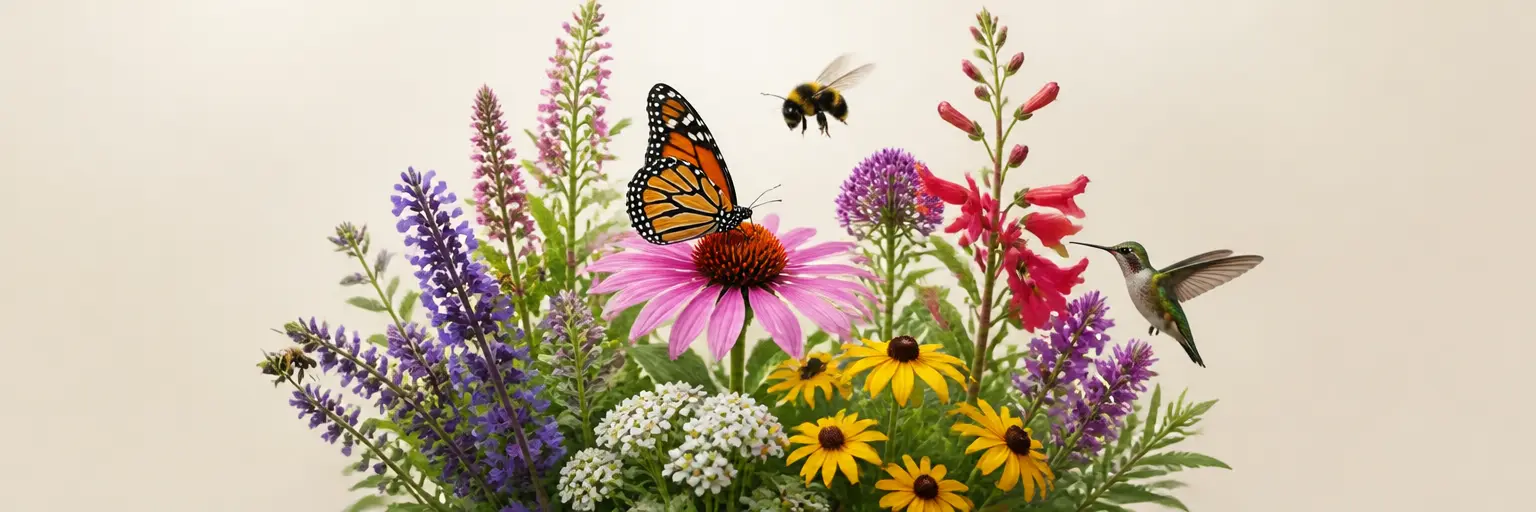
Companion Planting for Pollinators: Maximize Your Garden's Potential
Discover pollinator-friendly plants to transform your garden into a vibrant, thriving habitat 🌼🐝 This buyer’s guide highlights the best flowers, herbs, and edible plants for attracting bees, butterflies, and other beneficial pollinators while supporting sustainable, organic gardening. Find beautiful, garden-ready choices that boost biodiversity, enhance garden design, and help improve fruit and vegetable yields naturally.
6 articles
Top 10 MustHave Plants for a Buzzing Pollinator Garden
The Best Trees for Pollinators: Add Height and Structure to Your Garden
LongBlooming Beauties: Plants That Keep Pollinators Happy All Season
The Secret Language of Pollinators: Plant Colors and Shapes That Attract
Wildflower Wonders: Bring Native Pollinators to Your Garden
🐝 The Best Plants for Attracting Pollinators: A Buyer’s Guide
Discover how to choose the best pollinator plants for a beautiful, productive, and sustainable garden with this practical buyer’s guide from CultivateYourFood. Whether you are growing vegetables, fruits, herbs, flowers, or container plants, selecting the right bee-friendly flowers and nectar-rich plants can attract bees, butterflies, hummingbirds, and other beneficial pollinators. Explore plant characteristics, seasonal blooming, organic gardening considerations, and garden design ideas for creating a vibrant habitat that supports both biodiversity and home food production.
🌼 Why Choose Pollinator-Friendly Plants?
Pollinators play an essential role in the production of many fruits, vegetables, herbs, and seeds. Adding pollinator-friendly plants to your garden can improve the pollination of crops such as tomatoes, cucumbers, squash, berries, apples, and peppers while creating a more colorful and lively outdoor space. The best plants for pollinators provide accessible nectar and pollen, attractive scents, and flowers that bloom at different times of the year.
A well-planned pollinator garden also supports sustainable gardening and organic pest control. Beneficial insects, including hoverflies, lacewings, and predatory wasps, may help manage common garden pests naturally. By avoiding unnecessary pesticides and choosing diverse flowering plants, you can build a healthier garden ecosystem that benefits soil life, wildlife, and homegrown food production.
🐝 Best Flowers for Bees, Butterflies, and Beneficial Insects
When shopping for pollinator plants, look for species with open, accessible flowers that make it easy for bees and other insects to reach nectar and pollen. Popular choices include lavender, coneflower, bee balm, borage, yarrow, cosmos, sunflowers, asters, marigolds, and zinnias. Native flowering plants are especially valuable because they are adapted to local conditions and often provide reliable food for regional pollinators.
For the best results, choose a mixture of flower shapes, colors, and bloom periods. Single-flowered varieties are often more useful to insects than highly bred double flowers, whose dense petals can make nectar and pollen difficult to access. Include early-, mid-, and late-season bloomers so pollinators can find food from spring through autumn.
🌿 Pollinator-Friendly Herbs and Edible Plants
Many culinary herbs are excellent additions to a pollinator garden. Basil, thyme, oregano, sage, rosemary, mint, chives, fennel, and dill produce flowers that attract bees and other beneficial insects when allowed to bloom. These plants offer a practical combination of edible harvests, fragrant foliage, and pollinator habitat, making them ideal for kitchen gardens, raised beds, borders, and containers.
To support pollinators while continuing to harvest, allow some herbs to flower instead of cutting every stem. Flowering dill and fennel can attract beneficial insects, while chive and oregano blooms provide valuable nectar. Grow mint in containers to prevent spreading, and select organic or untreated seeds and plants whenever possible for a safer, more sustainable garden.
🌱 Native Plants and Sustainable Garden Design
Native plants are a strong choice for gardeners who want a low-maintenance and environmentally responsible landscape. Because native species are suited to local soil, weather, and wildlife, they often require less water and may provide specialized food sources for native bees, butterflies, and other insects. Combining native plants with productive crops can create an attractive edible landscape and pollinator garden.
Use layered planting to provide habitat at different heights. Ground covers, herbaceous flowers, shrubs, and small trees can work together to offer nectar, pollen, shelter, and nesting opportunities. Choose plants with similar sunlight and moisture requirements, and group several plants of the same variety together to make flowers easier for pollinators to locate.
☀️ Choosing Plants for Your Garden Conditions
The healthiest pollinator plants are those matched to your garden’s growing conditions. Before buying, evaluate sunlight exposure, soil type, drainage, available space, climate zone, and water access. Full-sun areas are suitable for many flowering plants, while shade-tolerant options such as some native woodland flowers and herbs may be better for sheltered locations.
Consider mature plant height, spread, bloom time, and maintenance requirements before planting. Choose drought-tolerant species for water-wise gardens, moisture-loving plants for rain gardens, and compact varieties for balconies or patios. Buying the right plant for the right place improves survival, reduces maintenance, and creates a more dependable food source for pollinators.
🛒 What to Look for When Buying Pollinator Plants
Inspect plants carefully at nurseries, garden centers, and online stores. Choose healthy plants with strong stems, vibrant leaves, and no obvious signs of disease, root damage, or heavy pest activity. Check plant labels for mature size, hardiness, sunlight needs, bloom color, and flowering season. Whenever possible, purchase organic, pesticide-free, and locally grown plants.
Be cautious with plants treated with systemic insecticides, as residues may harm bees and other beneficial insects. Ask suppliers about pesticide use and select reputable sources that identify native species accurately. Buying seeds can also be an economical option, especially for annual flowers, herbs, and vegetables that can be started indoors or sown directly in the garden.
💧 Caring for a Pollinator Garden Organically
Pollinator plants need consistent care while becoming established. Water new plants deeply according to their requirements, apply organic mulch to conserve moisture, and improve poor soil with finished compost. Avoid excessive fertilizer, which can encourage leafy growth at the expense of flowers. Deadheading can extend bloom time for some species, but leave selected seed heads standing to provide food and shelter for birds and overwintering insects.
Use integrated pest management rather than routine chemical spraying. Inspect plants regularly, remove heavily damaged leaves, encourage natural predators, and use physical barriers when appropriate. A small source of clean water, such as a shallow dish with stones, can also help pollinators drink safely. These practices support organic gardening, healthy soil, natural pest control, and long-term pollinator conservation.
📅 Planning Blooms Throughout the Seasons
A successful pollinator garden offers continuous flowers from early spring through late autumn. Spring bulbs, flowering trees, and early herbs can provide an important food source after winter. Summer flowers such as lavender, bee balm, coneflower, sunflowers, basil, and borage support high pollinator activity during the growing season.
Late-blooming asters, goldenrod, sedum, and autumn herbs help bees and butterflies prepare for colder weather. Create a simple bloom calendar before buying plants and select several species for each season. Continuous flowering makes your garden more useful to pollinators and adds changing color, texture, and visual interest to your landscape.
❓ Frequently Asked Questions About Pollinator Plants
What are the best plants for attracting bees?
Some of the best bee-friendly plants include lavender, bee balm, borage, coneflower, sunflowers, thyme, oregano, sage, asters, and native wildflowers. Choose plants with accessible, single flowers and provide blooms across multiple seasons. Avoid pesticide-treated plants and grow several plants together for a stronger nectar and pollen resource.
Do pollinator plants help vegetable gardens?
Yes. Pollinator plants can attract bees, butterflies, and other insects that improve the pollination of many crops, including squash, cucumbers, melons, berries, apples, and peppers. Plant flowering herbs and flowers near edible crops, but maintain suitable spacing, sunlight, and airflow to keep the vegetable garden productive and healthy.
Should I buy native plants for a pollinator garden?
Native plants are often an excellent choice because they are adapted to local growing conditions and may support native insects particularly well. However, a diverse garden can include both native and well-behaved non-native plants, provided they are non-invasive, pesticide-free, and suited to your climate. Consult local extension services or native plant organizations for reliable recommendations.
Are organic plants safer for bees and butterflies?
Organic or pesticide-free plants can reduce the risk of exposing pollinators to harmful chemical residues. Always ask whether plants have been treated with systemic insecticides and read nursery labels carefully. Organic care should also include compost, mulch, biological pest control, hand removal of pests, and minimal use of chemical sprays.
How many pollinator plants do I need?
Even a few containers or flowering plants can benefit pollinators, but larger groups of the same species are easier for insects to find. Aim to plant several varieties with overlapping bloom periods and different flower shapes. Combine flowers, herbs, native plants, and edible crops to create a continuous, diverse habitat in beds, borders, containers, or small urban gardens.