
Vertical Gardening: Innovative Layouts for Limited Space
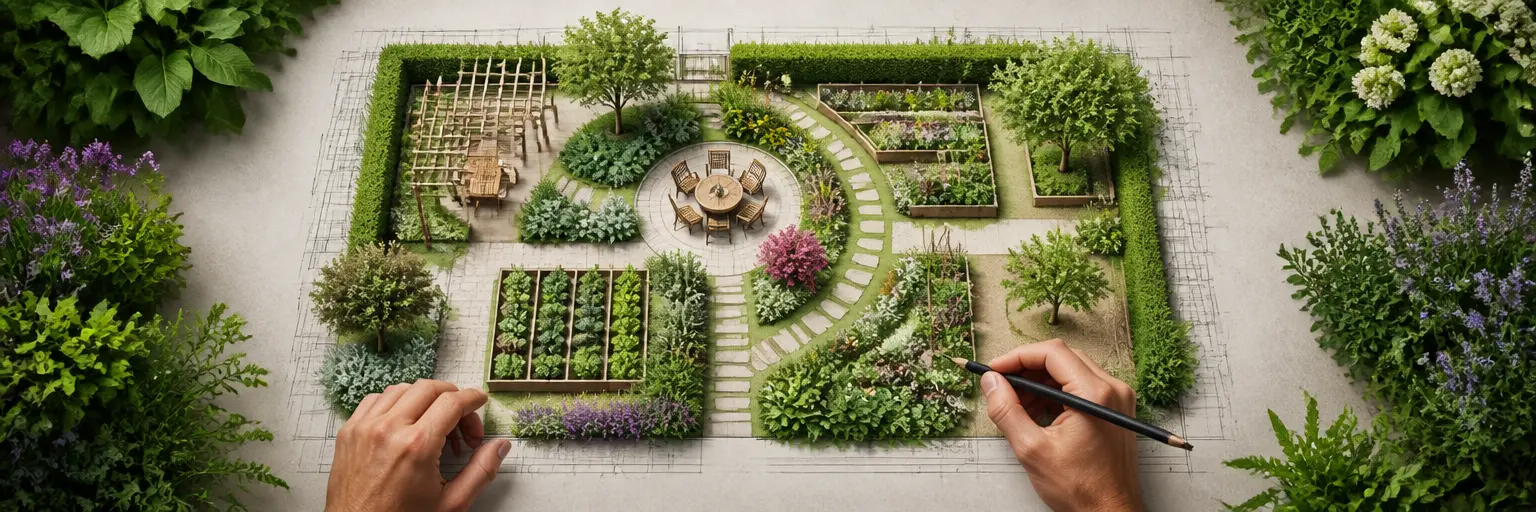
Design a garden that’s as productive as it is beautiful 🌿 Discover creative ideas for planning functional garden layouts that make the most of your space while supporting healthy fruits, vegetables, and herbs. Explore practical guidance on garden bed placement, companion planting, pathways, sunlight, drainage, composting areas, and sustainable organic gardening techniques—helping you create an attractive, efficient, and thriving home garden.
6 articles
Asymmetrical Garden Designs: Embrace the Beauty of the Unexpected
Using Color in Garden Layout: Creating Visual Harmony
The Principles of Garden Design: Balance, Rhythm, and Unity
The Cottage Garden Layout: A Charming and Relaxed Approach
Raised Beds vs. InGround: Choosing the Right Layout for Your Needs
🌿 Creating Beautiful and Functional Garden Layouts
Designing a garden is about more than arranging plants in attractive patterns. A successful garden layout combines beauty, productivity, accessibility, and sustainability to create an outdoor space that is enjoyable to use and easy to maintain. On CultivateYourFood, discover practical guidance for planning vegetable gardens, herb gardens, fruit-growing spaces, raised beds, container gardens, and pollinator-friendly landscapes using organic gardening principles.
🌱 Plan a Productive Garden Layout
Learn how to create a garden plan that makes the best use of available sunlight, soil, water, and space. Helpful information covers garden bed placement, crop spacing, plant height, companion planting, succession planting, and seasonal rotation so your fruits, vegetables, and herbs can grow successfully.
Whether you are designing a small backyard garden or a larger edible landscape, you can expect practical ideas for organizing planting areas and improving harvests. Discover how to position tall crops without shading smaller plants and how to group plants according to their watering and sunlight needs.
🪴 Design Small-Space and Container Gardens
Small gardens can still be highly productive when every area is planned carefully. Explore creative layouts for balcony gardens, patio gardens, vertical gardens, window boxes, and container vegetable gardens that allow home growers to cultivate fresh produce in limited spaces.
Readers can find advice on choosing suitable containers, arranging pots for easy access, and combining herbs, leafy greens, tomatoes, peppers, and edible flowers. These space-saving garden design ideas are ideal for beginners, renters, and anyone growing food in an urban environment.
🧱 Create Organized Raised-Bed Gardens
Raised beds provide an attractive and efficient structure for growing vegetables, herbs, and flowers. Learn how to plan raised garden bed dimensions, pathways, irrigation access, crop groupings, and soil areas for a garden that is productive and simple to maintain.
Well-designed raised-bed layouts can improve drainage, reduce soil compaction, and make planting and harvesting more comfortable. Discover sustainable materials, organic soil preparation, and practical arrangements that support crop rotation and long-term garden health.
🌼 Combine Beauty with Edible Gardening
An edible garden can be both decorative and useful. Explore ways to combine ornamental plants, edible flowers, herbs, vegetables, fruit plants, and pollinator-friendly species to create a visually appealing garden that provides food throughout the growing season.
Expect ideas for using color, texture, height, repetition, and seasonal interest in a garden plan. Mixing edible and ornamental plants can make productive spaces feel more inviting while supporting beneficial insects and increasing biodiversity.
🚶 Improve Garden Access and Functionality
A functional garden layout should make everyday tasks convenient. Learn how to design clear pathways, comfortable working areas, tool storage zones, composting spaces, and harvesting routes that support planting, watering, pruning, pest inspection, and harvesting.
Thoughtful access also helps prevent accidental damage to plants and protects healthy soil from unnecessary foot traffic. Find guidance for selecting pathway materials, planning ergonomic bed widths, and organizing garden features for efficient organic garden maintenance.
💧 Include Sustainable Watering and Composting Areas
Water management is an essential part of sustainable garden design. Discover how to place rain barrels, drip irrigation, water collection points, mulch areas, and drainage features within your garden layout to reduce waste and support healthy plant growth.
You can also learn how to integrate compost bins, wormeries, leaf-mold areas, and organic soil improvement stations without compromising the appearance of your garden. These ideas help turn kitchen scraps and garden waste into valuable compost while creating a more self-sufficient growing space.
🐝 Support Pollinators and Beneficial Wildlife
Garden layouts can be designed to support bees, butterflies, birds, and other helpful wildlife. Learn how to include native flowers, flowering herbs, shelter plants, shallow water sources, and pesticide-free habitat areas within an edible garden.
A wildlife-friendly layout may improve pollination for fruit trees, squash, cucumbers, berries, and other crops. Readers can discover how to create attractive planting combinations while using organic pest control and biodiversity to build a healthier garden ecosystem.
❓ Frequently Asked Questions About Garden Layouts
🌞 How should I choose the best location for my garden?
Choose a location that receives the amount of sunlight required by your crops, usually at least six hours of direct sun for most vegetables. Also consider drainage, wind protection, water access, soil quality, and convenient access from your home.
📏 What is the best width for a raised garden bed?
A raised bed is commonly designed so you can reach the center from either side without stepping on the soil. Beds up to approximately four feet wide are often practical, while narrower beds may work better in small spaces or against walls.
🌿 How can I make a small garden more productive?
Use vertical supports, succession planting, compact varieties, container gardening, and intensive spacing suited to each crop. Combining fast-growing herbs and greens with taller crops can help maximize sunlight and available growing space.
💧 Where should compost and water features be placed?
Place compost bins and water sources somewhere accessible but not directly beside areas used for food preparation or pathways that must remain clear. Position them close enough to reduce carrying distances while allowing good airflow, drainage, and convenient maintenance.
🐞 Can a beautiful garden layout also reduce pests?
Yes. Diverse planting, crop rotation, companion planting, healthy soil, mulch, and flowering plants can discourage pest outbreaks and attract beneficial insects. Avoiding synthetic pesticides also helps protect pollinators and natural pest predators.