
Why a Garden Kneeler or Seat is Essential for Comfortable Gardening
Discover the essential gardening tools every home grower needs to plant, nurture, and harvest with confidence 🌱 From durable hand trowels and pruning shears to watering solutions and soil-friendly equipment, choose practical tools that support sustainable, organic gardening and make growing fruits, vegetables, and herbs easier. Whether you’re starting a balcony garden or cultivating a backyard plot, the right equipment helps you work efficiently and enjoy a healthier, more productive garden. 🥕✨
5 articles
The Best Garden Hose for Efficient Watering: A Buyer's Guide
The Versatile Wheelbarrow: Choosing the Perfect One for Your Garden Tasks
The Most Ergonomic Gardening Tools for PainFree Gardening
The Benefits of Investing in HighQuality Gardening Tools
🛠️ Essential Gardening Tools for Getting Started
Starting a home garden is easier with the right essential gardening tools. At CultivateYourFood, this guide helps beginners choose practical, durable, and sustainable tools for growing fruits, vegetables, and herbs using organic gardening methods. Discover the best hand tools, watering equipment, soil preparation tools, pruning supplies, and harvesting essentials for container gardens, raised beds, balconies, and backyard plots.
🌱 Must-Have Hand Tools for Beginner Gardeners
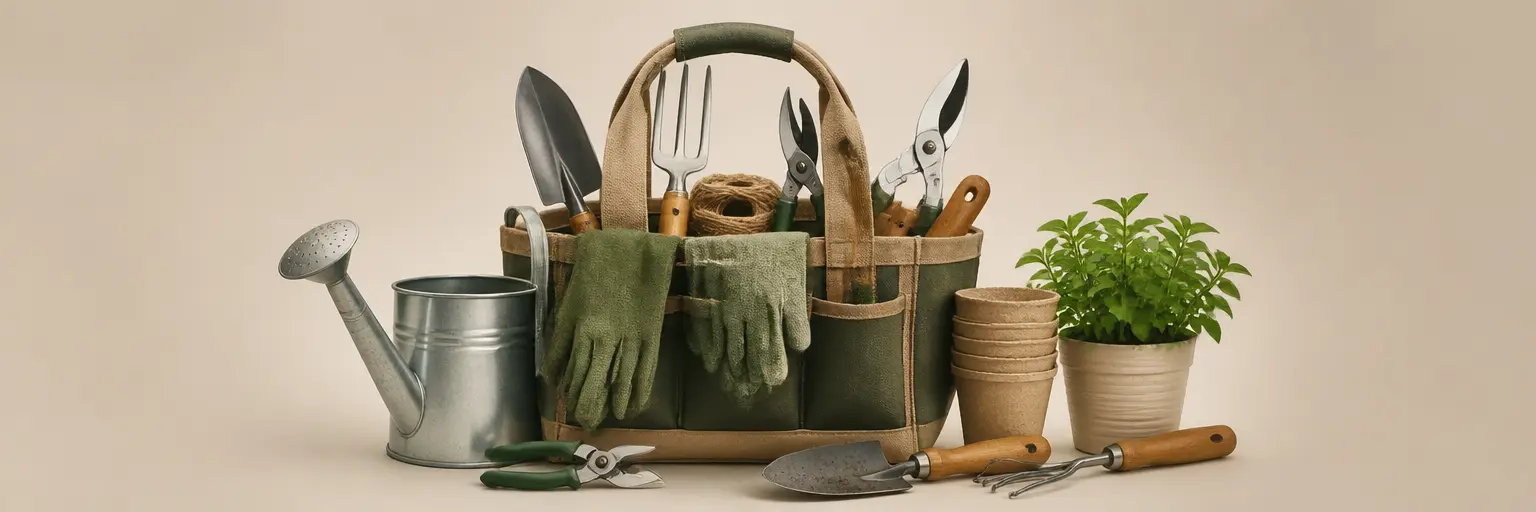
A reliable set of hand tools makes everyday gardening tasks more efficient. A hand trowel is useful for planting seedlings, bulbs, and herbs, while a cultivator helps loosen compacted soil and remove shallow weeds. A sturdy garden fork, hori hori knife, and hand weeder can also support planting, transplanting, and soil maintenance.
Look for tools with comfortable, ergonomic handles and strong, rust-resistant materials. Choosing long-lasting equipment reduces waste and supports sustainable gardening. Beginners do not need a large collection immediately; a few versatile tools can handle most tasks in a small vegetable garden or container garden.
💧 Watering Tools for Healthy Plants
Consistent watering is essential when growing vegetables, fruits, and herbs at home. A watering can with a fine rose delivers gentle moisture to seeds and young seedlings without disturbing the soil. For larger gardens, a garden hose with an adjustable nozzle or a drip irrigation system can provide efficient, targeted watering.
Watering tools should help conserve resources and prevent overwatering. Drip irrigation, soaker hoses, rain barrels, and moisture meters are valuable options for organic and eco-friendly gardens. Water early in the morning or later in the afternoon, and check soil moisture before adding more water.
🌿 Soil Preparation and Composting Equipment
Healthy soil is the foundation of a productive home garden. A garden fork, spade, shovel, and rake help prepare planting beds, mix organic matter, spread compost, and remove stones or debris. A soil test kit can provide useful information about pH and nutrient levels before planting vegetables and herbs.
Composting tools are especially valuable for sustainable gardeners. A compost thermometer, compost aerator, bucket, or pitchfork can help manage kitchen scraps, dry leaves, and garden waste. By producing and adding finished compost, gardeners can improve soil structure, support beneficial organisms, and reduce reliance on synthetic fertilizers.
✂️ Pruning and Plant Maintenance Tools
Pruning tools help gardeners maintain healthy plants and encourage productive growth. Bypass pruners are ideal for cutting small stems, removing damaged growth, harvesting herbs, and shaping fruit bushes. Loppers may be useful for thicker branches, while garden scissors are convenient for delicate herbs, leafy greens, and seedlings.
Clean and sharp blades create accurate cuts and reduce the risk of spreading plant diseases. Disinfect pruning tools between plants when necessary, especially after handling diseased foliage. Proper maintenance, including sharpening and drying tools after use, extends their lifespan and supports effective organic garden care.
🧺 Harvesting Tools for Fruits, Vegetables, and Herbs
The right harvesting supplies help protect plants and preserve fresh produce. A harvesting basket, garden knife, scissors, and breathable produce bags are useful for collecting tomatoes, peppers, beans, leafy greens, berries, and culinary herbs. A gentle harvesting technique prevents unnecessary damage to stems, roots, and developing fruit.
Harvest vegetables and herbs at the right stage for the best flavor and continued production. Keep harvested produce shaded and cool whenever possible. Reusable baskets and washable containers are environmentally friendly alternatives to disposable packaging and fit well with the sustainable gardening values of CultivateYourFood.
🧤 Protective Gear and Comfortable Gardening Accessories
Gardening gloves protect hands from thorns, rough soil, insects, and blisters. Choose breathable gloves for warm weather and waterproof or insulated options for cooler conditions. A wide-brimmed hat, kneeling pad, washable apron, and sun protection can make longer gardening sessions more comfortable.
Comfort and safety are important for gardeners of every experience level. Use tools that match your strength and garden size, and store sharp equipment securely. Ergonomic gardening accessories can reduce strain while digging, weeding, pruning, and planting, helping you enjoy consistent garden care throughout the growing season.
♻️ Choosing Sustainable and Durable Gardening Tools
Sustainable gardening tools should be selected for durability, repairability, and responsible materials. Metal tools with replaceable handles, recycled-material accessories, wooden tool grips, and reusable watering equipment can reduce environmental impact. Avoid buying unnecessary gadgets and focus on tools that serve multiple purposes.
Clean tools after use, remove soil, dry metal surfaces, and store equipment in a sheltered location. These simple habits prevent rust and extend tool life. Investing in quality garden tools can save money over time while supporting a low-waste, organic approach to growing food at home.
❓ Frequently Asked Questions About Essential Gardening Tools
What gardening tools should a beginner buy first?
Start with a hand trowel, hand cultivator, garden gloves, watering can, pruning scissors, and a small garden fork or shovel. These tools cover planting, weeding, watering, harvesting, and basic soil preparation for most beginner gardens.
Are expensive gardening tools better?
Not always. The best tools are durable, comfortable, easy to maintain, and appropriate for your garden size. Choose strong materials and ergonomic designs rather than purchasing the most expensive set. A small collection of versatile tools is often more useful than many low-quality items.
What tools are needed for a vegetable garden?
A vegetable garden commonly requires a shovel or spade, garden fork, rake, hand trowel, cultivator, hoe, watering tool, gloves, pruning shears, and harvesting basket. A soil test kit and composting equipment can also improve soil health and crop performance.
How should gardening tools be cleaned and stored?
Remove soil after each use, rinse tools when necessary, dry metal parts thoroughly, and apply a light protective oil to prevent rust. Sharpen pruning blades regularly and store tools in a dry, sheltered area away from excessive moisture.
Which gardening tools support sustainable gardening?
Reusable watering cans, drip irrigation systems, rain barrels, compost aerators, durable hand tools, and repairable equipment all support sustainable gardening. Choosing long-lasting tools and maintaining them properly reduces waste and helps create a more environmentally responsible home garden.