
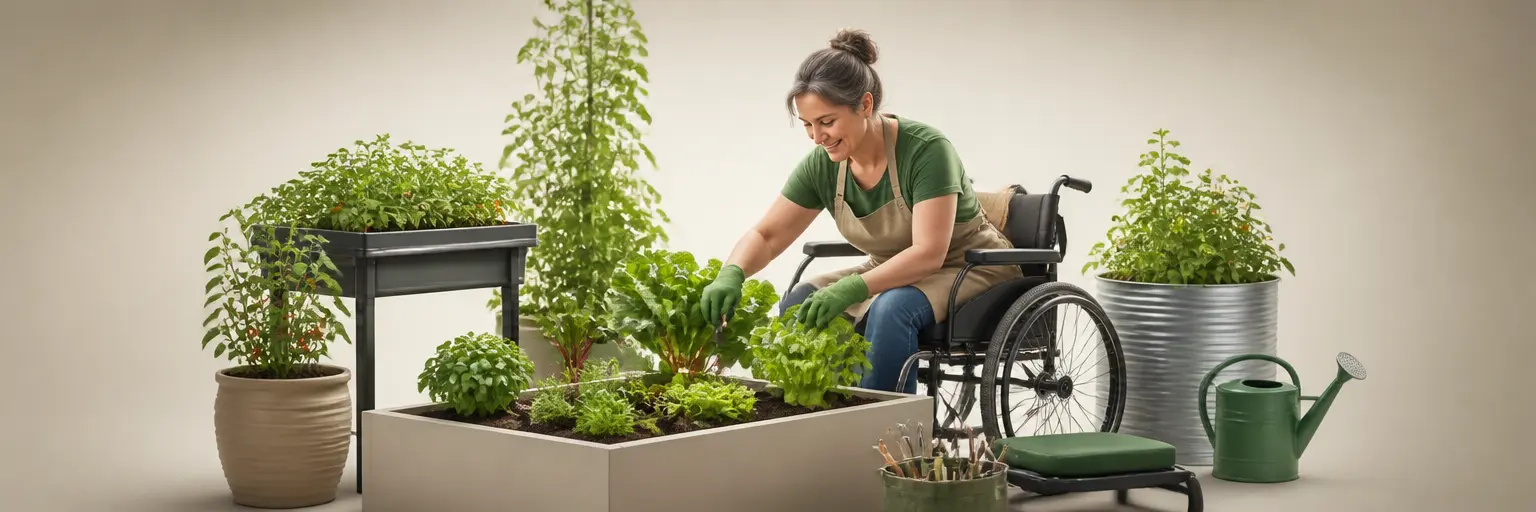
Accessible Gardening: Creating a Thriving Garden Regardless of Physical Limitations
Discover accessible gardening ideas that make growing fruits, vegetables, and herbs easier for everyone 🌱 From adaptive tools and raised beds to ergonomic techniques, container gardening, and low-maintenance organic practices, find practical ways to cultivate fresh food confidently—regardless of mobility, strength, vision, or other limitations. ♿ Embrace sustainable home gardening with solutions designed for comfort, independence, and success.
5 articles
Gardening for Those with Respiratory Issues: Choosing Plants and Practices
The Power of Gardening: Enhancing Quality of Life with Limited Abilities
Creating a Sensory Garden: Engaging All Senses for a More Immersive Experience
Smart Watering Solutions for Limited Mobility and Reach
🌱 Gardening with Disabilities or Limitations: Accessible Ways to Grow Food at Home
Welcome to Gardening with Disabilities or Limitations, a supportive resource within the Getting Started section of CultivateYourFood. This subcategory helps gardeners adapt vegetable gardening, herb growing, fruit cultivation, composting, watering, and pest control to different physical, sensory, cognitive, and energy-related needs. Discover accessible gardening ideas, adaptive tools, ergonomic techniques, raised garden beds, container gardening methods, and sustainable organic practices that make growing fresh food more comfortable, practical, and rewarding.
♿ Accessible Garden Design for Every Gardener
Learn how to create a garden layout that supports mobility, balance, reach, vision, and stamina. Articles in this section explore wide garden pathways, stable surfaces, accessible raised beds, vertical gardens, container arrangements, and planting zones positioned at comfortable heights. These solutions can help wheelchair users, older adults, gardeners with chronic conditions, and anyone with limited bending or standing capacity.
You can expect practical guidance for planning an accessible home garden before planting begins. Discover ways to organize vegetables, fruits, and herbs for easy access, reduce unnecessary movement, improve garden safety, and make daily plant care more manageable while maintaining sustainable and organic growing practices.
🛠️ Adaptive Gardening Tools and Equipment
Find helpful recommendations for adaptive gardening tools designed to reduce strain and improve control. This includes lightweight hand tools, extended-reach cultivators, ergonomic pruners, padded handles, kneeling supports, garden carts, automatic watering systems, and tools suitable for gardeners with reduced grip strength or limited dexterity.
This subcategory explains how to choose gardening equipment based on your individual needs, garden size, and growing goals. Learn how assistive tools can make planting seeds, transplanting seedlings, weeding, pruning, harvesting, and maintaining compost easier, safer, and more enjoyable.
🌿 Container Gardening and Raised Beds
Container gardening and raised bed gardening can provide flexible solutions for people who find traditional in-ground gardening difficult. Explore how to grow tomatoes, peppers, lettuce, strawberries, herbs, and other productive crops in pots, grow bags, elevated planters, and accessible raised beds placed at comfortable working heights.
Expect guidance on selecting lightweight containers, choosing organic potting mixes, improving drainage, and arranging plants for easy watering and harvesting. These methods are ideal for patios, balconies, small yards, assisted-living spaces, and gardeners who need to minimize kneeling, bending, or long periods of standing.
💧 Low-Maintenance Watering and Garden Care
Discover ways to simplify daily garden maintenance with efficient watering and planting strategies. Helpful topics may include drip irrigation, soaker hoses, self-watering containers, mulch, moisture-retaining soil, timers, and drought-tolerant edible plants. These approaches can reduce physical effort while supporting healthy plant growth and responsible water use.
You will also learn how to create a manageable garden routine that matches your energy level and schedule. Low-maintenance gardening techniques, succession planning, simple crop choices, and accessible composting systems can help you care for plants consistently without overwhelming effort.
🧑🦽 Gardening with Mobility, Strength, or Balance Limitations
Get practical ideas for gardening while using a wheelchair, walker, cane, or other mobility aid, or while managing limited strength and balance. Learn how to position raised beds, select stable seating, create safe transfer areas, and keep essential tools within easy reach. These methods support independence and help reduce the risk of falls or overexertion.
Content also covers pacing, rest breaks, task rotation, and garden organization. By choosing accessible crops and adapting common gardening tasks, you can continue growing organic vegetables, herbs, and fruit in a way that respects your body and promotes comfort.
👁️ Gardening for Visual, Sensory, and Cognitive Needs
Accessible gardening can be adapted for gardeners with low vision, blindness, hearing loss, sensory sensitivities, or cognitive limitations. Explore tactile plant labels, contrasting colors, scented herbs, textured pathways, simplified planting plans, large-print garden notes, and consistent garden layouts that make plants easier to identify and care for.
These strategies can make gardening more engaging and intuitive for individuals, families, caregivers, and community garden groups. Expect ideas for creating a calm, organized growing space that supports confidence, learning, sensory enjoyment, and successful food production.
🌾 Organic and Sustainable Gardening for Different Abilities
Learn how to use sustainable gardening practices without creating unnecessary physical demands. Topics may include sheet mulching, composting alternatives, natural pest control, companion planting, reusable containers, organic fertilizers, and soil-building techniques that reduce digging and frequent maintenance.
CultivateYourFood focuses on practical ways to grow healthy food while caring for the environment. You can discover accessible solutions for producing fruits, vegetables, and herbs with fewer chemicals, less waste, and a garden routine tailored to your abilities, resources, and available space.
❓ Frequently Asked Questions About Gardening with Disabilities or Limitations
What is accessible gardening?
Accessible gardening means adapting the garden, tools, layout, and routines to suit a person’s physical, sensory, cognitive, or energy-related needs. Examples include raised beds, wide pathways, container gardens, ergonomic tools, automatic watering, and easy-to-reach plants.
What are the best garden options for wheelchair users?
Elevated raised beds, accessible containers, vertical gardens, and tables designed for gardening are often effective choices. Leave enough space underneath or around beds for wheelchair access, use firm pathways, and place frequently harvested crops within a comfortable reach range.
Which vegetables and herbs are easiest to grow with limited mobility?
Leaf lettuce, spinach, radishes, bush beans, cherry tomatoes, peppers, strawberries, basil, parsley, mint, and chives are popular choices. Select productive plants that can grow in containers or raised beds and do not require frequent bending, staking, or heavy maintenance.
How can I reduce the physical effort required for gardening?
Use mulch to limit weeds, drip irrigation to simplify watering, lightweight tools to reduce strain, raised beds to minimize bending, and containers with suitable drainage. Planning short gardening sessions with regular rest breaks can also help conserve energy.
Can people with disabilities compost and control garden pests organically?
Yes. Compact compost bins, countertop compost systems, leaf mold, and purchased organic compost can reduce heavy lifting. For pest control, use row covers, companion planting, hand removal with adaptive tools, barriers, and other low-effort organic methods suited to your garden.