
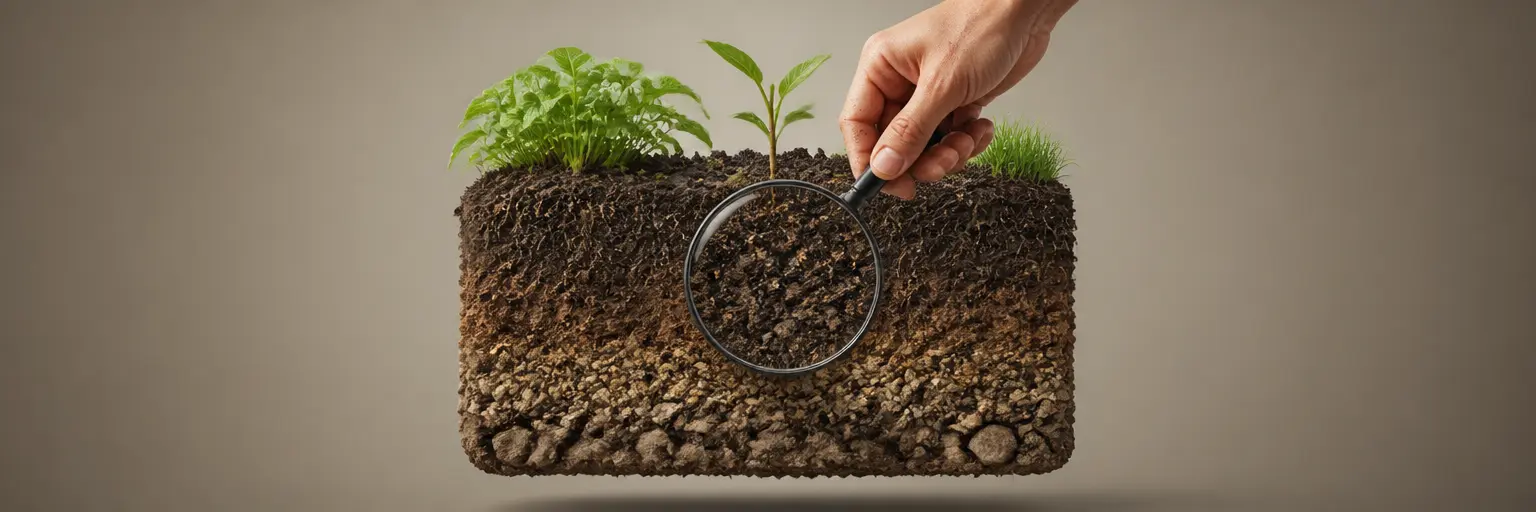
Troubleshooting Soil Problems: Identifying and Resolving Issues
Understand your soil 🌱 and unlock healthier, more productive home gardens with CultivateYourFood. Learn how to assess soil texture, drainage, pH, nutrients, and organic matter, then discover simple ways to improve garden soil naturally through composting and sustainable practices. Whether you’re growing vegetables, fruits, or herbs, these practical soil preparation tips help create the ideal foundation for thriving, organic plants.
7 articles
The Impact of Pesticides on Soil Health: A Cautionary Tale
How Soil Affects Plant Growth: A Comprehensive Guide
Micronutrients Matter: Trace Elements Your Plants Need to Thrive
LongTerm Soil Health: Building Resilience in Your Garden
Soil Amendments for Different Soil Types: A Detailed Guide
Soil Conservation Techniques: Protecting Our Precious Resource
🌱 Understanding Your Soil: The Foundation of a Thriving Organic Garden
Welcome to Understanding Your Soil, an essential subcategory within Getting Started at CultivateYourFood. Healthy soil is the foundation of successful home gardening, whether you are growing vegetables, fruits, herbs, flowers, or container plants. Explore practical, beginner-friendly guidance on soil health, soil testing, pH levels, nutrients, drainage, compost, organic matter, and sustainable soil improvement so you can create the ideal growing environment for strong roots and productive plants.
🌍 Learn the Basics of Garden Soil
Discover how soil structure, texture, moisture, and biological activity affect plant growth. This section explains the differences between sandy, clay, silty, loamy, and rocky soils, helping you identify the soil in your garden and understand how it may influence root development, water retention, and nutrient availability.
Readers can expect clear advice for evaluating soil before planting, including simple observation techniques and beginner-friendly methods for improving poor soil. Learn why healthy garden soil contains minerals, organic matter, air, water, microorganisms, and beneficial organisms that work together to support sustainable food cultivation.
🧪 Soil Testing, pH, and Nutrient Levels
Find out how to test your garden soil and interpret important results such as pH, nitrogen, phosphorus, potassium, and organic matter. Understanding these measurements can help you choose suitable crops and avoid adding unnecessary amendments that may harm soil health or pollute waterways.
This section provides practical guidance on soil test kits, laboratory testing, and natural ways to balance soil conditions. Learn how soil pH affects nutrient uptake and how to make informed adjustments using compost, lime, sulfur, or other organic gardening amendments when appropriate.
♻️ Improve Soil with Compost and Organic Matter
Compost is one of the most valuable tools for building fertile, living soil. Learn how homemade compost, leaf mold, aged manure, grass clippings, and other organic materials can improve soil structure, increase moisture retention, support beneficial microbes, and release nutrients gradually.
Explore sustainable composting practices for home gardens, including what to compost, how to balance green and brown materials, and how to recognize finished compost. Adding well-decomposed organic matter can help loosen compacted clay soil, improve sandy soil, and create better growing conditions for fruits, vegetables, and herbs.
💧 Drainage, Moisture, and Soil Structure
Good drainage is essential for preventing waterlogged roots, fungal problems, and plant stress. Learn how to recognize excessive moisture, poor drainage, compaction, and soil crusting, as well as how these issues can affect seed germination and crop performance.
Readers will find sustainable solutions such as adding organic matter, using raised beds, applying mulch, avoiding unnecessary digging, and selecting plants suited to local conditions. Discover how to maintain a healthy balance between water retention and drainage for productive garden beds and containers.
🌿 Sustainable Soil Care for Long-Term Gardening
Healthy soil requires ongoing care rather than occasional correction. Learn how crop rotation, cover crops, mulching, reduced tillage, companion planting, and living roots help protect soil from erosion, nutrient depletion, weeds, and extreme temperature changes.
This section focuses on organic and environmentally responsible methods that support soil biodiversity and reduce dependence on synthetic fertilizers. By caring for the soil year after year, you can build a resilient garden that produces nutritious food while protecting beneficial insects, earthworms, microorganisms, and the wider ecosystem.
❓ Frequently Asked Questions About Understanding Your Soil
What type of soil is best for growing vegetables?
Most vegetables grow well in fertile, well-drained loamy soil containing plenty of organic matter. However, many soil types can be improved with compost, mulch, and appropriate amendments. The best soil should hold moisture without becoming waterlogged and should allow roots to access air and nutrients.
How can I test my garden soil at home?
You can begin with a home soil test kit to measure pH and major nutrients. For more detailed information, send a representative soil sample to a professional laboratory. Before testing, collect small samples from several areas of the garden and mix them according to the test instructions.
What soil pH do most vegetables prefer?
Most vegetables prefer slightly acidic to neutral soil, generally between pH 6.0 and 7.0. Some crops have different requirements, so check the needs of each plant. Adjust soil pH gradually and only after testing, because excessive amendments can create nutrient imbalances.
How often should I add compost to my garden?
Many gardens benefit from adding a thin layer of finished compost once or twice a year, often before planting or after harvest. The ideal amount depends on your soil condition, crop requirements, and compost quality. Avoid using fresh manure or unfinished compost around edible crops because it may damage plants or introduce pathogens.
How can I improve compacted or clay soil organically?
Add finished compost, use organic mulch, grow deep-rooted cover crops, and avoid walking on planting beds. Raised beds can also improve drainage and reduce compaction. Avoid adding sand to clay soil in small quantities, as it may create a dense, concrete-like texture rather than improving structure.