
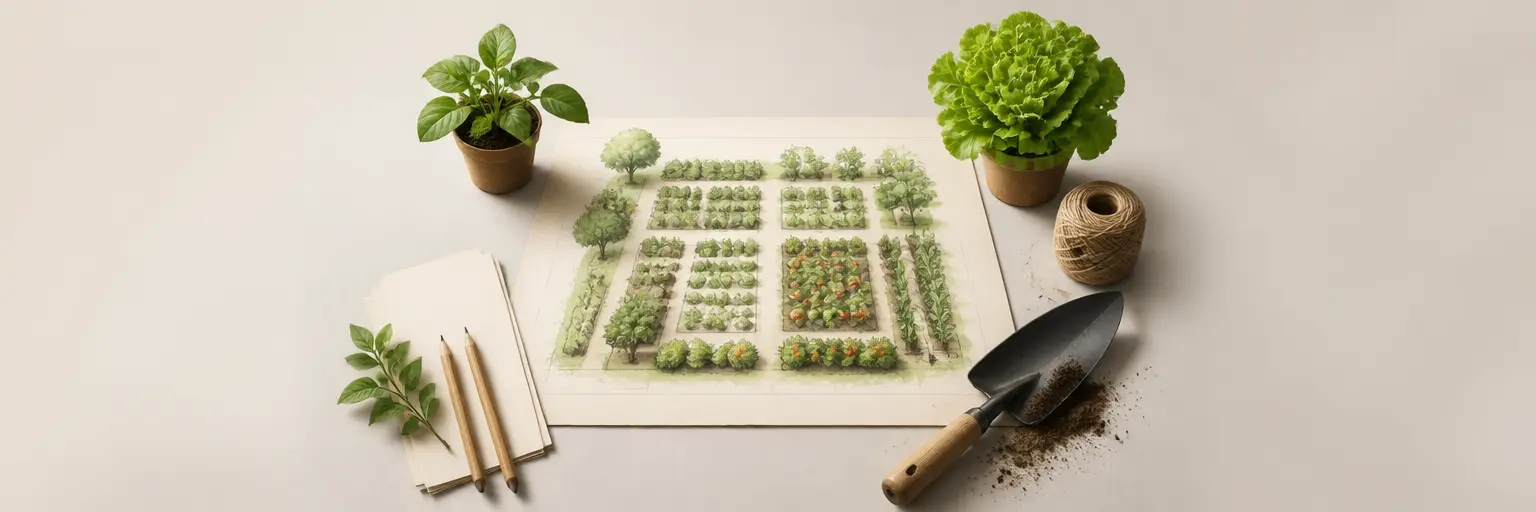
Planning a Theme Garden: Create a Unique and Beautiful Space
Start your garden with confidence 🌱 Discover practical tips for planning your garden, from choosing the right location and layout to selecting seasonal fruits, vegetables, and herbs. Learn how to prepare healthy soil, organize companion plants, plan succession planting, and create a productive space using sustainable, organic gardening practices. Whether you’re growing in containers, raised beds, or a backyard plot, CultivateYourFood helps you turn your ideas into a thriving home garden.
7 articles
Planning Your First Garden: A StepbyStep Guide for Beginners
Planning a DroughtTolerant Garden: Conserving Water Wisely
How to Plan a Garden for a Busy Lifestyle
Planning a Seasonal Garden: Planting for Spring, Summer, Fall, and Winter
Planning for Composting: The Key to Sustainable Gardening
Choosing the Right Seeds: Heirloom vs. Hybrid vs. Organic
🌱 Planning Your Garden: Build a Productive and Sustainable Growing Space
Planning your garden is the essential first step toward successfully growing fresh fruits, vegetables, and herbs at home. In this subcategory from CultivateYourFood, you will find practical guidance for designing a productive garden, choosing suitable plants, understanding your growing conditions, and creating an organized plan based on space, sunlight, soil, climate, and available time. Whether you are starting a small balcony garden, raised beds, a backyard vegetable garden, or a larger organic growing space, thoughtful preparation can help you harvest more food while reducing waste and unnecessary effort.
🗺️ Designing a Productive Garden Layout
Discover how to create an efficient garden layout that makes the best use of your available space. Learn about raised bed planning, row spacing, container gardening, vertical growing, companion planting, and pathways that provide easy access for planting, watering, weeding, and harvesting. A well-designed garden layout improves productivity and simplifies maintenance throughout the growing season.
This section also explains how to group plants according to their height, sunlight needs, root depth, and watering requirements. You can expect practical ideas for small gardens, urban spaces, kitchen gardens, and family plots, helping you organize vegetables, herbs, and fruits in a way that supports healthy growth and convenient care.
☀️ Choosing the Right Location and Sunlight
Learn how to evaluate your garden site before planting. Understanding direct sunlight, partial shade, wind exposure, drainage, and nearby trees or structures is crucial when planning a vegetable garden. Most edible plants need several hours of sunlight each day, while leafy greens and some herbs can tolerate less light.
You will find helpful advice for observing seasonal sun patterns and matching plants to the conditions in your yard, patio, greenhouse, or balcony. Choosing the right location from the beginning can prevent poor growth, disease problems, and disappointing harvests, making it one of the most important steps in garden planning.
🌿 Selecting Fruits, Vegetables, and Herbs
Explore how to choose crops that match your climate, garden size, soil type, skill level, and personal food preferences. This section covers beginner-friendly vegetables, productive herbs, compact fruit varieties, succession crops, and plants suited to containers or raised beds. You will also learn why selecting locally adapted and disease-resistant varieties can improve garden performance.
Effective crop selection helps you avoid overcrowding and ensures that your garden produces food across a longer season. Expect guidance on balancing fast-growing crops with long-season plants, growing perennial herbs, and choosing organic seeds or healthy transplants that fit your home gardening goals.
🗓️ Creating a Seasonal Garden Plan
Learn how to create a planting calendar based on your local frost dates, growing zone, weather patterns, and crop maturity times. A seasonal garden plan can help you determine when to start seeds indoors, transplant seedlings, direct sow crops, and prepare for autumn or winter harvests.
This section also introduces succession planting, succession sowing, and seasonal crop rotation so you can keep your garden productive for as long as possible. A clear planting schedule reduces missed opportunities and helps you plan harvests more consistently, especially when growing multiple crops in a limited space.
🪴 Planning Small-Space and Container Gardens
Find practical strategies for growing food in balconies, patios, windowsills, courtyards, and other compact areas. Learn how to select suitable containers, planters, trellises, and vertical gardening systems for herbs, salad greens, tomatoes, peppers, beans, strawberries, and other space-saving crops.
You will also discover how to calculate container depth, drainage needs, plant spacing, and sunlight requirements. With the right design, even a small garden can provide a meaningful supply of fresh, homegrown food while fitting naturally into an urban or limited-space lifestyle.
🌍 Building an Organic and Sustainable Garden Plan
Planning an organic garden means considering soil health, water conservation, biodiversity, natural pest control, and long-term sustainability. Learn how to include composting, mulch, rainwater collection, native flowers, pollinator plants, and beneficial insect habitats in your garden design.
This section emphasizes methods that support healthy soil and reduce reliance on synthetic fertilizers and chemical pesticides. You can expect eco-friendly ideas for creating a resilient food garden that benefits your household and the wider environment through organic gardening and responsible resource management.
🔄 Using Crop Rotation and Companion Planting
Discover how crop rotation can help reduce soil nutrient depletion, recurring plant diseases, and pest pressure. You will learn how to group crops by plant family and move them between garden areas from season to season, supporting balanced soil fertility and healthier harvests.
Companion planting is another useful planning tool covered in this subcategory. Explore plant combinations that may attract pollinators, provide shade, improve garden diversity, or help deter certain pests. While companion planting is not a replacement for proper care, it can contribute to a more balanced and productive organic garden ecosystem.
❓ Frequently Asked Questions About Planning Your Garden
🌱 What should I consider before planning a garden?
Consider your available space, sunlight, soil quality, drainage, climate, water access, budget, and the amount of time you can dedicate to maintenance. It is also helpful to decide which fruits, vegetables, and herbs your household enjoys eating. Starting with realistic goals makes garden planning more manageable and rewarding.
☀️ How much sunlight does a vegetable garden need?
Many fruiting crops, including tomatoes, peppers, cucumbers, and squash, grow best with around six to eight hours of direct sunlight daily. Leafy greens and some herbs can perform well with fewer hours or partial shade. Observe your garden throughout the day before choosing where to plant each crop.
🧱 Is a raised bed better than an in-ground garden?
Raised beds can provide improved drainage, better control over soil quality, easier access, and a clearly defined growing area. In-ground gardens can be more affordable and may support larger root systems. The best choice depends on your soil, mobility needs, budget, available space, and gardening preferences.
🗓️ When should I start planning my garden?
You can begin planning several weeks or months before your local growing season. Start by checking frost dates, choosing crops, ordering seeds, preparing soil, and creating a planting calendar. Planning early gives you time to start seeds indoors and organize materials without rushing.
🌿 How can I plan an organic garden with fewer pests?
Use healthy soil, crop rotation, physical barriers, mulch, proper spacing, resistant plant varieties, and flowers that attract beneficial insects. Regularly inspect plants and remove pests early when possible. Combining these methods with careful watering and good garden hygiene supports natural pest control without depending heavily on chemical pesticides.