
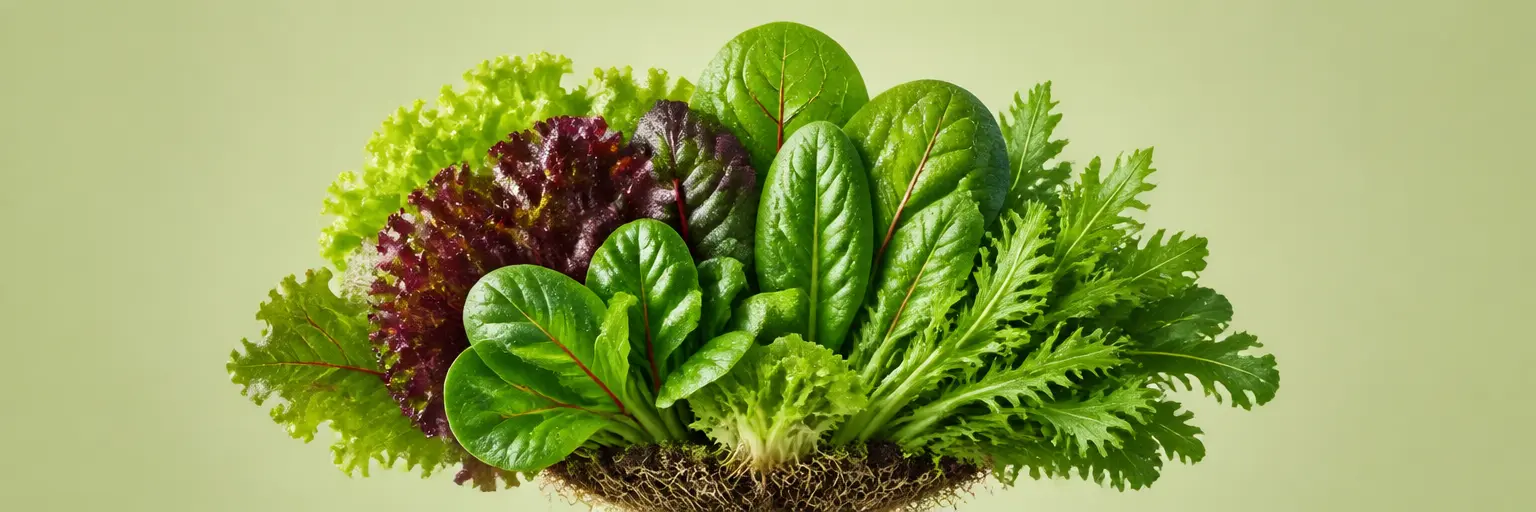
The Complete Guide to Growing Frisee Lettuce
Grow a vibrant, nutrient-rich salad garden at home with practical tips for cultivating a variety of salad greens 🥬🌱. Discover sustainable, organic methods for growing lettuce, spinach, arugula, kale, and more—from choosing the best seeds and preparing healthy soil to succession planting, natural pest control, and harvesting for maximum freshness. Create a productive supply of crisp, flavorful greens while making the most of your garden space.
6 articles
Discover the World of Exotic Salad Greens
How to Grow Radicchio for a Bitter but Beautiful Salad
The Best Soil Mix for Thriving Salad Greens
HeatTolerant Salad Greens for Summer Gardens
Maximize Flavor: Growing Salad Greens for Culinary Use
🥬 Cultivating a Variety of Salad Greens at Home
Welcome to the Cultivating a Variety of Salad Greens subcategory on CultivateYourFood, your practical resource for growing fresh, nutritious leafy greens using sustainable and organic gardening methods. Discover how to grow lettuce, spinach, arugula, kale, mustard greens, Swiss chard, mizuna, endive, and other salad crops in garden beds, containers, raised beds, and small urban spaces. Learn about seed starting, soil preparation, succession planting, watering, harvesting, composting, natural pest control, and season extension so you can enjoy crisp, flavorful greens from your own garden.
🌱 Choosing the Best Salad Greens for Your Garden
Explore the unique growing requirements, flavors, textures, and nutritional benefits of popular salad greens. Articles will help you compare leaf lettuce, romaine, butterhead, loose-leaf lettuce, spinach, arugula, kale, chard, and Asian greens so you can select varieties suited to your climate, available space, and preferred harvest style.
You will also learn how to choose organic and open-pollinated seeds, heat-tolerant varieties for summer, cold-hardy greens for fall and winter, and fast-growing crops for small gardens. Whether you want mild greens for family salads or peppery leaves for gourmet dishes, this section offers practical variety recommendations.
🪴 Growing Salad Greens in Containers and Raised Beds
Find step-by-step advice for growing leafy greens in containers, window boxes, grow bags, vertical planters, and raised garden beds. Learn about container depth, drainage, spacing, sunlight exposure, and lightweight organic potting mixes that encourage healthy root development and rapid leaf growth.
Container gardening makes it possible to cultivate salad greens on balconies, patios, porches, and rooftops. Discover how to combine compatible greens, rotate crops, protect plants from temperature extremes, and maintain consistent moisture without waterlogging the roots.
🌿 Organic Soil Preparation and Fertilizing
Healthy soil is the foundation of productive salad gardens. Learn how to improve garden soil with finished compost, aged manure, leaf mold, worm castings, and organic amendments while maintaining good drainage and moisture retention. Helpful guides explain soil testing, pH preferences, nutrient balance, and preparation for both containers and in-ground beds.
Because salad greens are harvested primarily for their leaves, they benefit from sufficient nitrogen and steady nutrition. Discover gentle organic fertilizing methods, compost tea considerations, mulch options, and ways to avoid excessive fertilizer that can produce weak growth or unwanted nutrient buildup.
💧 Watering, Sunlight, and Healthy Leaf Growth
Learn how much sunlight different salad greens need and how to manage watering throughout the growing season. Lettuce and spinach often appreciate cooler conditions and consistent moisture, while kale, chard, and some mustard greens can tolerate a wider range of temperatures when properly established.
Our guides cover drip irrigation, hand watering, moisture monitoring, mulching, and methods for preventing common problems such as wilting, bitter leaves, cracked stems, and shallow roots. Consistent care encourages tender, crisp, flavorful, and fast-growing salad greens.
🌾 Succession Planting for a Continuous Salad Harvest
Discover how succession planting can provide a steady supply of fresh greens instead of one large harvest. By sowing small amounts of seed every one to three weeks, you can create overlapping crops of lettuce, arugula, radishes, spinach, and other quick-growing salad plants.
You will learn how to plan sowing dates, use short-season varieties, replant harvested areas, and coordinate crops for spring, summer, fall, and mild winter conditions. Succession gardening is an efficient strategy for maximizing harvests in limited space and reducing food waste.
✂️ Harvesting and Storing Fresh Salad Greens
Learn when and how to harvest baby greens, mature leaves, cut-and-come-again lettuce, and whole heads. Proper harvesting techniques help plants continue producing while preserving the best flavor, texture, and nutritional quality. Guides explain how to use clean scissors, harvest during cool hours, and avoid damaging growing points.
Explore washing, drying, refrigerating, and storing leafy greens so they remain crisp for as long as possible. You will also find tips for harvesting only what you need, preserving excess greens, and creating fresh salads, wraps, smoothies, sautés, and homemade herb-and-green mixes.
🐞 Natural Pest and Disease Control for Salad Crops
Salad greens can attract aphids, flea beetles, caterpillars, slugs, snails, and leaf miners. Learn how to identify common pests and use organic pest control methods such as insect netting, hand-picking, companion planting, beneficial insects, physical barriers, and garden sanitation.
Our sustainable gardening advice also covers powdery mildew, damping-off, downy mildew, bolting, leaf discoloration, and other common problems. Discover how proper spacing, airflow, crop rotation, clean tools, and balanced watering can prevent many issues before chemical treatments become necessary.
❓ Frequently Asked Questions About Growing Salad Greens
🥗 What are the easiest salad greens to grow at home?
Lettuce, arugula, baby kale, mustard greens, spinach, and Swiss chard are excellent choices for beginners. They grow relatively quickly, can be harvested young, and are suitable for gardens, containers, and raised beds.
☀️ How much sunlight do salad greens need?
Most salad greens grow best with approximately four to six hours of sunlight daily. In cool seasons, full sun encourages strong growth, while partial shade can help protect lettuce, spinach, and arugula from heat and premature bolting during warmer weather.
🌱 Can salad greens be grown in containers?
Yes. Use containers with drainage holes, fertile organic potting mix, and enough depth for the chosen crop. Keep the soil evenly moist and place containers where plants receive suitable sunlight and protection from extreme heat.
💧 How often should I water leafy greens?
Water whenever the top layer of soil begins to dry, aiming for consistently moist but not waterlogged soil. Container-grown greens may need more frequent watering, especially during hot or windy weather. Mulch can help reduce evaporation and temperature stress.
✂️ Can lettuce and other greens regrow after harvesting?
Many loose-leaf lettuces, kale, chard, and some Asian greens can provide repeated harvests when outer leaves are picked first. Leave the central growing point intact, use clean tools, and harvest regularly to encourage continued production.