
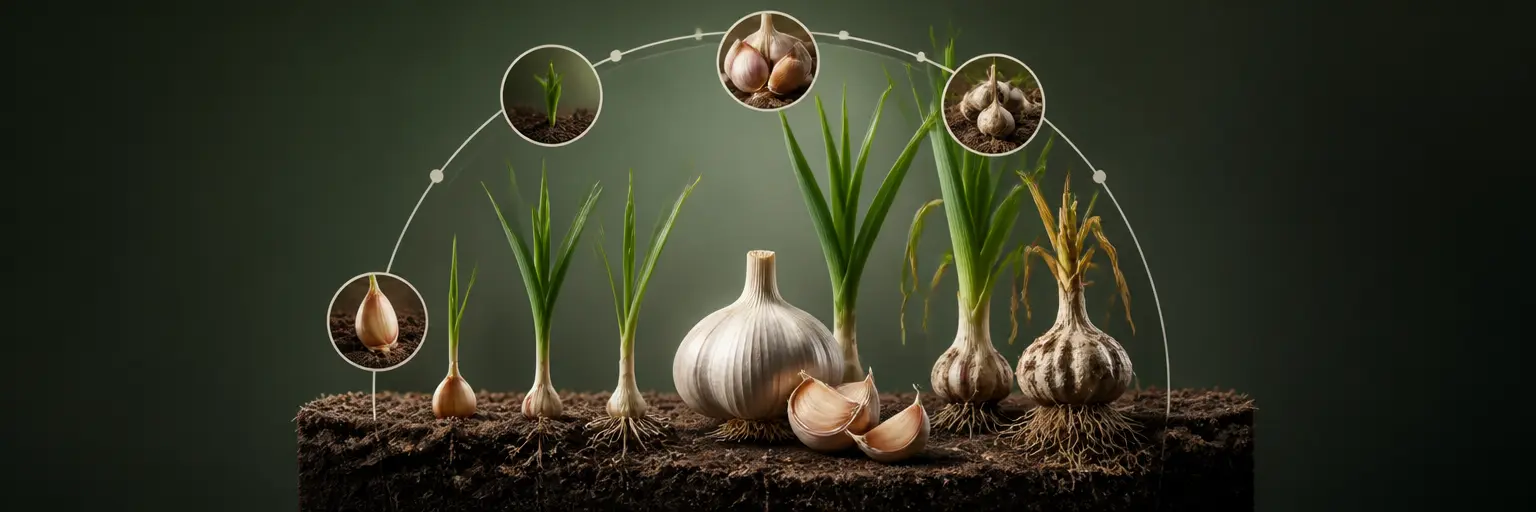
Harvesting Garlic: Knowing When and How to Dig Up Your Bulbs
Discover how to grow perfect garlic at home with practical, sustainable guidance from CultivateYourFood 🧄🌱 Learn the best garlic varieties, planting times, soil preparation, watering, organic pest control, harvesting, curing, and storage techniques for flavorful, healthy bulbs. Whether you’re gardening in containers, raised beds, or backyard plots, these expert tips make growing garlic simple, rewarding, and naturally productive.
6 articles
The History of Garlic Cultivation: From Ancient Times to Today
Garlic Growing Myths: Debunking Common Misconceptions
Growing Garlic in Sandy Soil: Techniques for Optimal Growth
The Science of Growing Garlic: Understanding Its Growth Cycle
Companion Planting with Garlic: Enhancing Growth and Repelling Pests
🧄 The Art of Growing Perfect Garlic
Discover how to grow perfect garlic at home with practical, sustainable, and organic gardening guidance from CultivateYourFood. This specific plant focus subcategory covers every stage of garlic cultivation, from choosing the best garlic varieties and preparing nutrient-rich soil to planting garlic cloves, watering, mulching, managing pests, and harvesting bulbs at the ideal time. Whether you are growing garlic in a backyard garden, raised bed, container, or small homestead plot, you will find reliable techniques for producing healthy, flavorful, and well-formed garlic without relying on unnecessary chemicals.
🌱 Choosing the Best Garlic Varieties
Learn how to select garlic varieties suited to your growing region, climate, soil type, and available garden space. Articles explore the differences between hardneck garlic and softneck garlic, including flavor, bulb size, storage life, cold tolerance, clove formation, and scape production. You can also discover which varieties are best for beginner gardeners, container growing, long-term storage, and culinary use.
Choosing high-quality planting stock is one of the most important steps in successful garlic growing. Expect guidance on sourcing healthy, disease-free garlic bulbs from reputable growers, preparing cloves for planting, and selecting large cloves that have the potential to produce vigorous plants and well-developed bulbs.
🪴 Preparing Soil for Healthy Garlic Growth
Successful garlic cultivation begins with fertile, loose, and well-drained soil. This section explains how to improve garden soil with mature compost, aged manure, organic matter, and natural soil amendments while maintaining the balanced conditions garlic needs for strong root development. You will learn how to test soil pH, improve drainage, and avoid compacted soil that can restrict bulb formation.
Readers can also expect practical advice for preparing raised beds, vegetable gardens, and containers. Discover how organic soil preparation, proper bed spacing, crop rotation, and composting can create a productive growing environment while supporting beneficial soil life and long-term garden health.
🍂 Planting Garlic at the Right Time
Timing is essential when planting garlic. Learn when to plant garlic in fall or spring based on your local climate, winter temperatures, and garlic variety. Detailed guidance explains how to separate bulbs into individual cloves, identify the correct planting direction, set the proper depth, and space cloves for maximum bulb development.
Garlic planting techniques also include mulching with straw or other organic materials to protect cloves from temperature fluctuations, weeds, and moisture loss. You will find helpful recommendations for planting garlic in containers, raised beds, and traditional garden rows, making it easier to adapt the process to your available growing space.
💧 Watering, Feeding, and Mulching Garlic
Healthy garlic plants need consistent moisture, especially during early growth and bulb development. This subcategory explains how often to water garlic, how to recognize overwatering and drought stress, and how to maintain evenly moist soil without creating waterlogged conditions. Organic gardeners will also learn how compost, balanced natural fertilizers, and gentle feeding schedules can support strong leaf and bulb growth.
Mulching is another key part of garlic care. Explore the benefits of straw, shredded leaves, and other organic mulch materials for conserving moisture, suppressing weeds, protecting roots, and moderating soil temperature. Clear recommendations help you adjust watering and feeding as garlic matures and approaches harvest.
🐛 Organic Garlic Pest and Disease Control
Protect your crop with natural garlic pest control and preventive disease-management strategies. You will learn how to identify common problems such as onion thrips, bulb mites, fungal diseases, root rot, and soil-borne pathogens. Articles emphasize organic gardening methods, including garden sanitation, crop rotation, healthy planting material, proper spacing, and effective moisture management.
Instead of relying on harsh chemical pesticides, readers can explore integrated pest management techniques that protect garlic while supporting pollinators and beneficial insects. Expect practical advice for spotting early symptoms, removing affected plants, improving airflow, and preventing recurring garlic diseases in future seasons.
🌿 Caring for Garlic Throughout the Growing Season
Garlic care involves more than planting and watering. This section covers weed management, monitoring plant growth, protecting garlic through winter, and understanding the role of garlic leaves in bulb development. You will learn when to remove mulch, how to avoid damaging shallow roots, and why healthy green foliage is essential for producing large, flavorful bulbs.
Hardneck garlic growers can also learn about garlic scapes, the curly flower stalks that appear before harvest. Discover when to cut scapes, how to use them in the kitchen, and how scape removal can help redirect energy toward bulb growth while providing an additional edible harvest.
🌾 Harvesting Garlic for Maximum Flavor and Storage
Harvest garlic at the right stage to achieve firm bulbs, rich flavor, and good storage quality. Learn how to recognize harvest-ready garlic by observing leaf color, plant condition, and bulb development. Step-by-step guidance explains how to loosen soil, lift bulbs carefully, avoid bruising, and handle fresh garlic without damaging its protective outer layers.
Whether you grow garlic for immediate cooking or long-term storage, you will find advice on curing garlic properly. Explore how to dry bulbs, trim roots and stems, clean garlic without removing essential skins, and prepare cured bulbs for pantry storage. These methods help extend shelf life while preserving the distinctive taste of homegrown garlic.
🥗 Using and Saving Homegrown Garlic
Homegrown garlic offers exceptional freshness and versatility in the kitchen. Discover ideas for using garlic cloves, garlic scapes, and young garlic in sauces, soups, roasted dishes, vegetables, marinades, and homemade preserves. Articles can also help you compare the flavor and storage qualities of different garlic varieties.
Learn how to save the best bulbs for next year’s crop and create a sustainable garlic-growing cycle. Selecting large, healthy bulbs for replanting supports stronger future harvests and reduces dependence on purchased planting material. With careful storage and seasonal planning, one successful harvest can provide garlic for both cooking and future planting.
❓ Frequently Asked Questions About Growing Garlic
🧄 When is the best time to plant garlic?
In many climates, the best time to plant garlic is in the fall, several weeks before the ground freezes. This allows cloves to establish roots before winter and develop strong bulbs in spring and summer. In mild climates or areas with short winters, garlic can also be planted in early spring, although bulbs may be smaller.
🌱 How deep should garlic cloves be planted?
Plant garlic cloves approximately 2 to 3 inches deep, with the pointed end facing upward. In colder regions, a deeper planting depth and protective organic mulch can help shield cloves from freezing temperatures. Space cloves about 4 to 6 inches apart to provide enough room for bulb development and airflow.
💧 How often should garlic be watered?
Water garlic when the soil begins to dry, keeping it consistently moist but never waterlogged. Garlic usually needs more water during active leaf growth and bulb formation, but watering should be reduced as harvest approaches. Stop watering roughly one to two weeks before harvesting to help bulbs cure and prevent rot.
🌾 How do I know when garlic is ready to harvest?
Garlic is generally ready when the lower leaves turn brown while several upper leaves remain green. Carefully inspect a test bulb before harvesting the entire crop. Mature bulbs should have well-formed cloves and firm outer wrappers. Harvesting too early may produce small bulbs, while harvesting too late can cause bulbs to split and store poorly.
🍂 How should harvested garlic be stored?
Cure freshly harvested garlic in a dry, shaded, well-ventilated location for several weeks. Once the outer skins are dry and the necks are firm, trim the roots and stems if desired and store bulbs in a cool, dark, dry place with good airflow. Avoid sealed plastic bags, as trapped moisture can encourage mold and rot.