
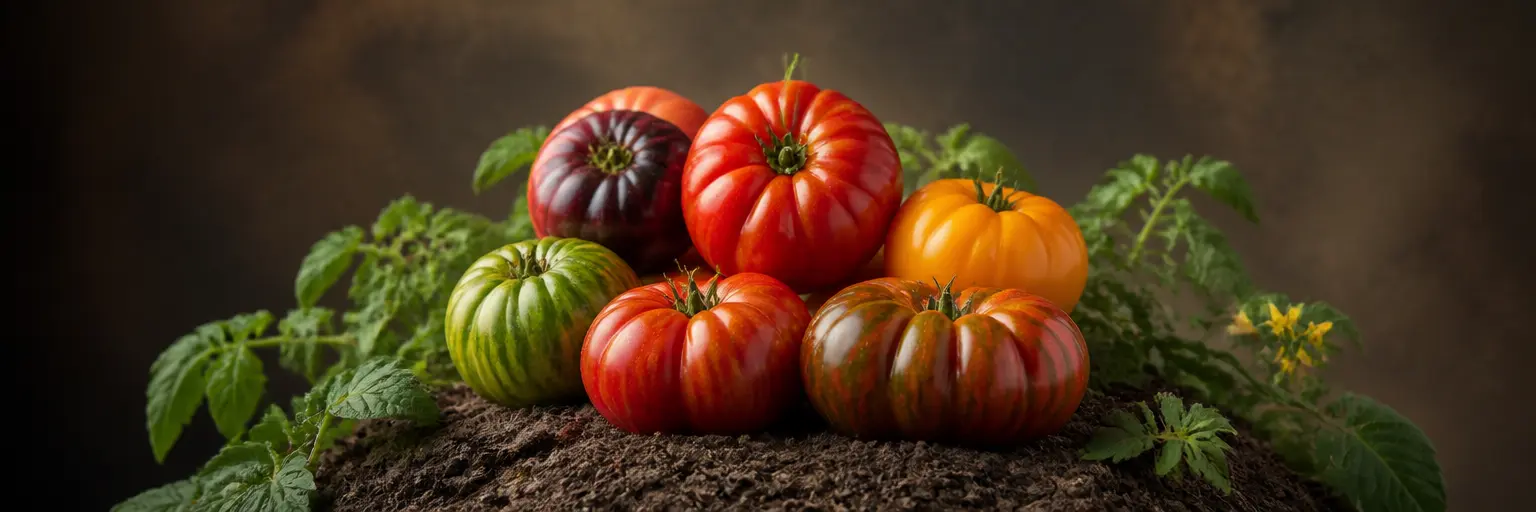
Diagnosing and Treating Common Heirloom Tomato Pests
🍅 Grow delicious heirloom tomatoes at home with sustainable, organic techniques that bring vibrant colors, rich flavors, and remarkable variety to your garden. Discover expert guidance on selecting the best heirloom tomato varieties, preparing healthy soil, planting, watering, pruning, supporting vines, preventing pests, and harvesting ripe fruit. 🌱 Transform your backyard or container garden into a productive, eco-friendly source of garden-fresh tomatoes with CultivateYourFood.
7 articles
Saving Heirloom Tomato Seeds for Next Year's Garden
How to Identify and Control Tomato Hornworms on Heirloom Plants
Heirloom Tomatoes for Small Spaces: Balconies and Patios
Natural Fertilizers for Bountiful Heirloom Tomato Harvests
The Easiest Heirloom Tomatoes to Grow
LateSeason Care for Extending Your Heirloom Tomato Harvest
🍅 Growing Delicious Heirloom Tomatoes at Home
Welcome to CultivateYourFood’s guide to growing delicious heirloom tomatoes. This subcategory is dedicated to helping home gardeners raise flavorful, colorful, and naturally grown tomato varieties using sustainable and organic gardening practices. Discover practical advice on selecting heirloom tomato seeds, preparing healthy soil, starting seedlings, transplanting, watering, fertilizing, pruning, supporting tomato plants, and harvesting ripe fruit at the perfect time.
🌱 Choosing the Best Heirloom Tomato Varieties
Heirloom tomatoes are prized for their exceptional flavor, unusual colors, distinctive shapes, and rich gardening history. Explore popular varieties such as Brandywine, Cherokee Purple, Green Zebra, Mortgage Lifter, Black Krim, and Yellow Pear. Learn how to choose heirloom tomato varieties suited to your climate, garden space, growing season, and culinary preferences.
Readers can also compare determinate and indeterminate tomato plants, compact varieties for containers, and large-vining types for raised beds or traditional gardens. Our guidance helps you understand days to maturity, disease resistance, fruit size, sunlight requirements, and the best tomato varieties for beginners.
🌿 Starting Heirloom Tomatoes from Seed
Growing heirloom tomatoes from seed offers access to rare and flavorful varieties while giving gardeners greater control over plant health. Learn when to start tomato seeds indoors, how deep to sow them, which seed-starting mix to use, and how to provide warmth, moisture, and strong light for healthy germination.
Detailed growing advice covers seedling care, preventing leggy tomato plants, hardening off young plants, and avoiding common problems such as damping off. Discover how to grow vigorous organic tomato seedlings ready for transplanting into the garden or containers.
☀️ Preparing Soil and Planting Heirloom Tomatoes
Healthy soil is essential for productive heirloom tomato plants. Learn how to improve garden soil with finished compost, aged organic matter, mulch, and natural soil amendments while maintaining good drainage and fertility. These sustainable methods support strong roots, healthy foliage, and abundant tomato production.
Find practical instructions for planting tomatoes deeply, spacing plants correctly, selecting a sunny location, and protecting young transplants from cool temperatures. Whether you grow tomatoes in raised beds, containers, grow bags, or an in-ground vegetable garden, proper planting techniques can improve plant stability and fruit development.
💧 Watering, Feeding, and Caring for Tomato Plants
Consistent care helps heirloom tomatoes produce juicy, flavorful fruit. Learn how to water tomato plants deeply, maintain even soil moisture, use organic tomato fertilizer, and apply mulch to reduce evaporation and suppress weeds. Proper watering practices can also help prevent blossom end rot and cracked tomatoes.
This section explains how to monitor plant growth and recognize signs of nutrient deficiencies, overwatering, underwatering, and environmental stress. Readers will find sustainable ways to nourish tomato plants without relying on harsh synthetic chemicals or excessive fertilizer.
🪴 Pruning, Staking, and Supporting Heirloom Tomatoes
Many heirloom tomatoes are indeterminate varieties that continue growing and producing fruit throughout the season. Learn how to use tomato cages, trellises, stakes, and string supports to keep plants upright, improve airflow, and protect fruit from soil contact.
Explore practical pruning methods, including how to remove unnecessary suckers without over-pruning the plant. Proper support and airflow can reduce disease pressure, make harvesting easier, and help sunlight reach developing tomatoes while keeping the garden organized.
🐞 Organic Pest and Disease Control
Heirloom tomatoes can face challenges from aphids, tomato hornworms, whiteflies, cutworms, fungal diseases, and bacterial infections. Learn how to identify common tomato pests and diseases early through careful observation of leaves, stems, flowers, and fruit.
Discover organic and environmentally responsible solutions, including crop rotation, beneficial insects, hand-picking pests, proper watering, sanitation, companion planting, and physical barriers. Our approach emphasizes integrated pest management to protect tomato plants while supporting pollinators and beneficial garden wildlife.
🧺 Harvesting and Enjoying Flavorful Heirloom Tomatoes
Knowing when to harvest tomatoes is essential for achieving the best texture and flavor. Learn how to recognize color changes, softness, aroma, and other signs of ripeness for different heirloom tomato varieties. Helpful harvesting tips can prevent bruising and encourage continued fruit production.
Find ideas for using fresh heirloom tomatoes in salads, sandwiches, sauces, salsas, soups, roasted dishes, and homemade preserves. You can also learn how to store ripe tomatoes, save seeds from healthy fruit, and preserve favorite varieties for future growing seasons.
❓ Frequently Asked Questions About Growing Heirloom Tomatoes
🍅 What are heirloom tomatoes?
Heirloom tomatoes are open-pollinated varieties that have been preserved and passed down through generations. They are valued for their unique appearance, history, and often exceptional flavor. Unlike many commercial hybrids, gardeners can usually save seeds from mature heirloom tomatoes and grow similar plants the following season.
☀️ How much sunlight do heirloom tomato plants need?
Most heirloom tomato plants need at least six to eight hours of direct sunlight each day. Choose a warm location with good airflow and avoid areas shaded by buildings, fences, or tall crops. Adequate sunlight supports strong growth, flowering, fruit development, and flavorful tomatoes.
💧 How often should heirloom tomatoes be watered?
Water heirloom tomatoes deeply whenever the top layer of soil begins to dry, adjusting the schedule for temperature, rainfall, soil type, and container size. Consistent moisture is more important than frequent shallow watering. Apply water at the soil level and use organic mulch to reduce evaporation and help prevent cracked fruit.
🐛 What is the best organic way to control tomato pests?
Begin by inspecting plants regularly and identifying the pest before treating it. Hand-pick large pests such as tomato hornworms, spray aphids with a gentle stream of water, encourage beneficial insects, remove damaged leaves, and use row covers or barriers when appropriate. Healthy soil, crop rotation, and good airflow also support natural pest and disease management.
🌿 Can I save seeds from heirloom tomatoes?
Yes, you can save seeds from fully ripe, healthy heirloom tomatoes. Scoop out the seeds, allow them to ferment briefly in water to remove the surrounding gel, rinse and dry them thoroughly, then store them in a cool, dry, labeled container. Saving seeds helps preserve favorite varieties and supports a more self-sufficient home garden.