
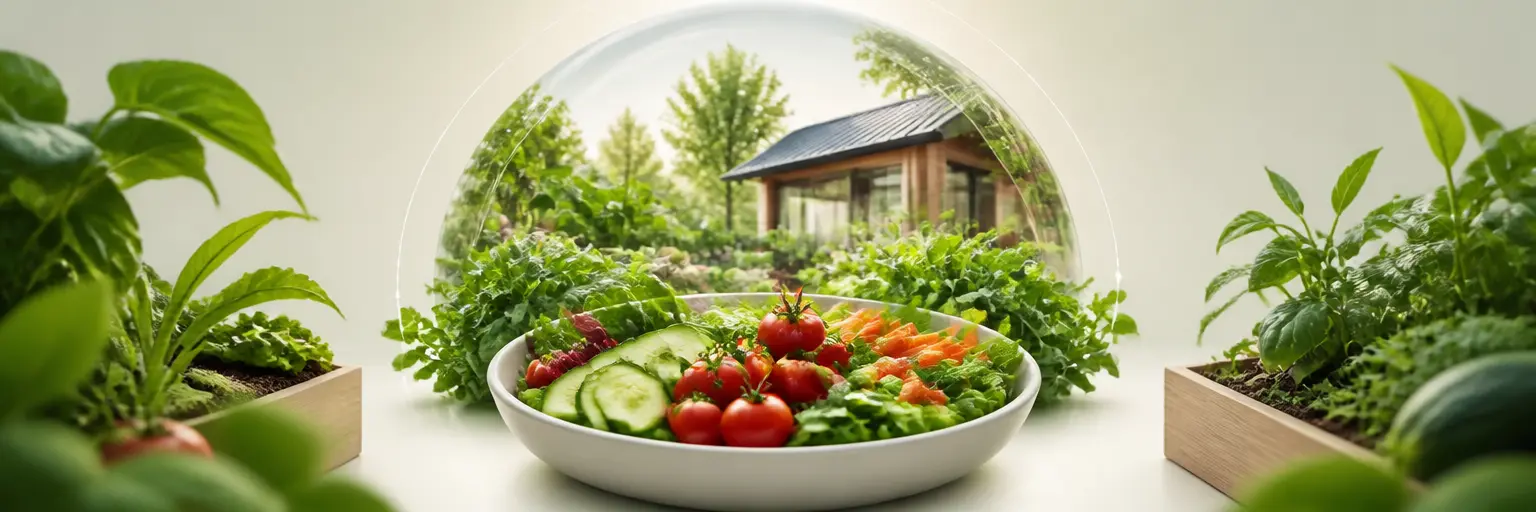
Nourish Your Body: The Nutritional Advantage of Homegrown Food
Discover how homegrown fruits, vegetables, and herbs can transform your diet with fresher, more nutritious, and flavorful food 🌱. Learn sustainable gardening techniques, organic growing tips, and practical ways to cultivate seasonal produce at home while reducing reliance on processed foods. From planting and harvesting to composting and natural pest control, start building a healthier lifestyle with food you grow yourself 🥕🍅.
7 articles
Fresh From the Garden: The Key to a Flavorful and Healthy Diet
The Garden Pharmacy: Healing and Nourishing Your Body with Homegrown Herbs
The Ultimate Diet Upgrade: Adding Homegrown Foods to Your Plate
From Seed to Supper: How Homegrown Herbs Elevate Your Cooking
The Secret to a Vibrant Diet: Growing Your Own Fruits and Vegetables
The Ultimate Guide to Eating Seasonally with Your Own Garden
🌱 Improving Your Diet with Homegrown Food
Discover how growing your own fruits, vegetables, and herbs can transform everyday meals and support a healthier lifestyle. This subcategory from CultivateYourFood explains how homegrown food can improve nutrition, freshness, food quality, and meal variety while reducing reliance on processed ingredients. Explore practical guidance for creating an organic kitchen garden, choosing productive crops, harvesting at peak ripeness, and using sustainable gardening methods to make nutritious food more accessible at home.
🥕 Eat Fresher, More Nutritious Produce
Homegrown vegetables, fruits, and herbs can be harvested when they are fully mature, helping you enjoy exceptional flavor and freshness. Garden produce travels less distance and can move directly from the soil to your kitchen, making it easier to include nutrient-rich ingredients in salads, soups, stir-fries, smoothies, and family meals. Learn how freshly harvested food can encourage healthier eating habits and greater appreciation for natural ingredients.
This section explores nutrient-dense crops suitable for home gardens, including leafy greens, tomatoes, peppers, carrots, berries, beans, and culinary herbs. You will find ideas for planning a productive garden that supplies essential vitamins, minerals, antioxidants, and dietary fiber throughout the growing season.
🌿 Grow Organic Food for a Healthier Lifestyle
Organic home gardening gives you greater control over how your food is grown. By using compost, natural soil amendments, crop rotation, companion planting, and non-toxic pest control, you can cultivate produce while limiting unnecessary synthetic chemicals. Sustainable gardening practices support both personal well-being and a healthier garden ecosystem.
Readers can learn how to build fertile soil, select organic seeds, manage weeds naturally, and protect plants with environmentally responsible methods. These techniques make it possible to grow wholesome food in backyards, raised beds, containers, balconies, and other small spaces.
🍅 Add Variety and Flavor to Everyday Meals
A home garden can introduce a wider range of fresh ingredients than a typical grocery trip. Growing unusual herbs, colorful vegetables, seasonal fruits, and heritage varieties makes it easier to experiment with nutritious recipes and enjoy diverse flavors. Garden-to-table eating can turn simple meals into satisfying, fresh, and creative dishes.
Explore ways to use homegrown produce in balanced breakfasts, lunches, dinners, snacks, sauces, and preserved foods. Harvesting only what you need can also reduce food waste while encouraging thoughtful meal planning based on seasonal availability.
🌎 Support Sustainable Food Choices
Growing food at home can reduce packaging, transportation demands, and dependence on long supply chains. Composting kitchen scraps, collecting rainwater, saving seeds, and reusing garden materials can further improve the sustainability of your food-growing routine. These choices help create a more resilient and environmentally friendly household.
CultivateYourFood provides practical information for combining healthy eating with responsible gardening. Learn how to grow food with fewer resources, improve soil health, support pollinators, and make homegrown produce a dependable part of a sustainable lifestyle.
🧺 Harvest, Store, and Preserve Homegrown Food
Knowing when and how to harvest is essential for protecting flavor and nutritional quality. This subcategory explains how to identify harvest readiness, handle delicate produce, and gather crops without damaging plants. Proper harvesting techniques can also encourage continued growth and extend the productive season.
You can also discover methods for storing, drying, freezing, fermenting, and preserving garden produce. These approaches help extend the benefits of homegrown food beyond the harvest period and make nutritious ingredients available throughout the year.
❓ Frequently Asked Questions About Improving Your Diet with Homegrown Food
What are the healthiest foods to grow at home?
Leafy greens, tomatoes, peppers, beans, carrots, berries, and fresh herbs are excellent choices. They provide important vitamins, minerals, antioxidants, and fiber while growing well in gardens and containers. Choose crops that suit your climate, available space, and cooking preferences.
Is homegrown food more nutritious than store-bought produce?
Homegrown produce can be highly nutritious because it may be harvested at peak ripeness and eaten soon afterward. Nutritional value also depends on the crop, soil, growing conditions, storage, and preparation. Growing food at home gives you greater control over freshness and cultivation practices.
How can I grow organic food without using chemical pesticides?
Use healthy soil, crop rotation, companion planting, physical barriers, hand removal, beneficial insects, and natural pest-control products when necessary. Regularly inspect plants and address problems early. These methods help protect crops while supporting pollinators and garden biodiversity.
Can I improve my diet with a small garden or balcony garden?
Yes. Containers, vertical planters, window boxes, and raised beds can produce herbs, salad greens, tomatoes, peppers, radishes, and strawberries in limited spaces. Start with a few high-use crops and expand as you become more comfortable with watering, feeding, and harvesting.
How can I preserve homegrown food for later?
Depending on the crop, you can freeze, dry, ferment, can, or store produce in a cool, dark location. Harvest crops at the proper stage, clean them carefully, and follow reliable food-safety guidelines when preserving. Proper storage helps reduce waste and provides healthy homegrown ingredients year-round.