
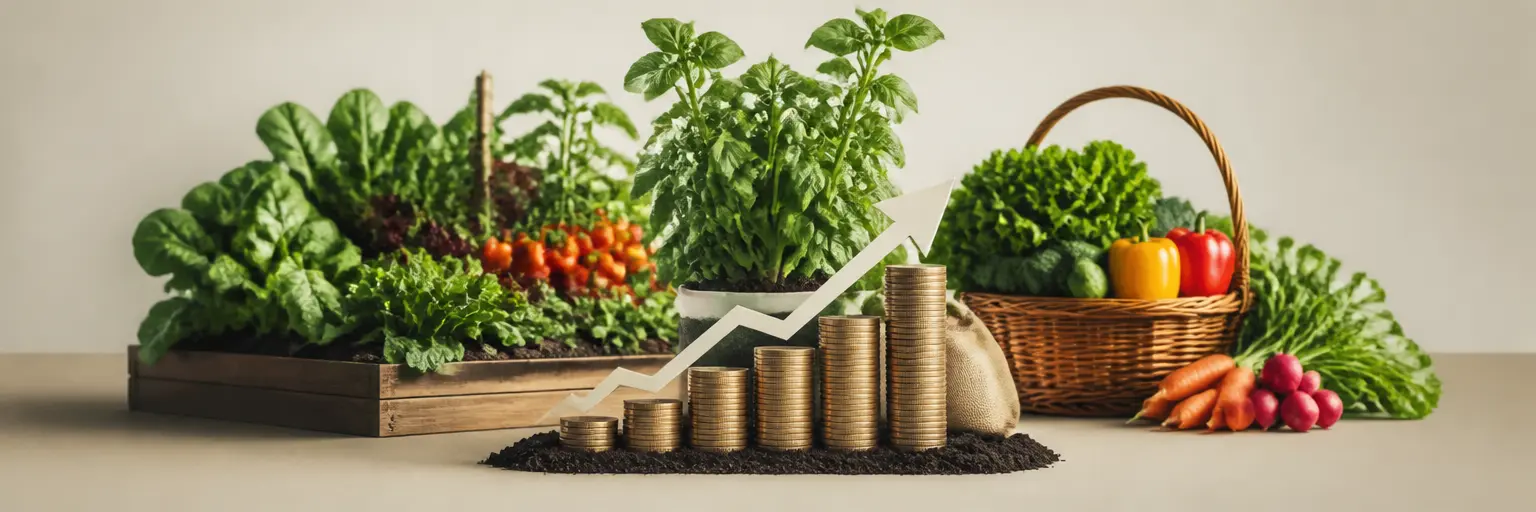
The Financial Advantages of a Sustainable Home Garden
Discover how growing your own food can deliver meaningful economic benefits while supporting a healthier, more sustainable lifestyle. 🌱 Learn how home gardening can reduce grocery bills, provide affordable access to fresh fruits, vegetables, and herbs, and turn kitchen scraps into nutrient-rich compost. Whether you have a backyard, balcony, or small container garden, practical organic gardening strategies can help you save money, reduce food waste, and enjoy nutritious harvests straight from home. 🥕 Start cultivating your food and make every harvest work harder for your budget!
5 articles
How to Grow Your Own Groceries on a Budget
The Smart Shopper's Secret: Growing Your Own Fruits, Vegetables, and Herbs
Beyond the Seeds: Uncovering the Financial Rewards of Backyard Gardening
The Ultimate Guide to Economical Gardening Practices
💰 The Economic Advantages of Growing Your Own Food
Discover how growing fruits, vegetables, and herbs at home can reduce grocery expenses, improve household budgeting, and create long-term value. This subcategory from CultivateYourFood explains the financial benefits of home gardening, from producing affordable seasonal crops to reducing food waste through harvesting exactly what you need. Whether you have a backyard, balcony, greenhouse, or small container garden, home food production can make healthy eating more affordable while supporting sustainable and organic gardening practices.
🌱 Reduce Grocery Bills with a Productive Home Garden
Growing your own food can lower the amount you spend on fresh produce, especially for high-value crops such as tomatoes, salad greens, peppers, herbs, berries, and specialty vegetables. A productive vegetable garden provides a convenient supply of fresh ingredients while helping households reduce repeated trips to the supermarket and avoid paying premium prices for organic produce.
Readers can learn how to select economical crops, plan planting schedules, and maximize harvests in limited spaces. By combining raised beds, containers, vertical gardening, and succession planting, even a small home garden can contribute meaningful grocery savings throughout the growing season.
📊 Save Money Through Smart Garden Planning
Effective garden planning is one of the most important ways to improve the financial return of growing food at home. Choosing crops suited to your local climate, soil, sunlight, and household preferences helps prevent wasted seeds, unused plants, and disappointing harvests. A seasonal planting calendar can also ensure that space remains productive for as long as possible.
This section explores practical techniques such as crop rotation, companion planting, succession sowing, and efficient garden layouts. You will discover how careful planning reduces input costs and supports consistent production of fruits, vegetables, and herbs from spring through autumn.
🌿 Lower Gardening Costs with Organic and Sustainable Methods
Sustainable gardening can reduce the need to purchase expensive fertilizers, soil amendments, and chemical pest control products. Composting kitchen scraps, collecting rainwater, saving seeds, producing natural mulch, and using homemade organic fertilizers can all help lower the ongoing cost of maintaining a food garden.
Readers can explore how to build healthy soil with compost, leaf mold, cover crops, and natural organic matter. These methods improve soil fertility over time and support strong plant growth, allowing gardeners to replace recurring commercial inputs with low-cost or homemade alternatives.
♻️ Reduce Food Waste and Get More Value from Every Harvest
Growing food at home encourages more responsible use of fresh produce because you can harvest only what is ready and needed. Unlike store-bought vegetables that may spoil before they are eaten, garden crops can be picked at peak freshness. Surplus produce can also be frozen, dried, canned, pickled, or shared with friends and neighbors.
This subcategory provides ideas for storing and preserving homegrown food to extend its usefulness beyond the harvest season. Learning how to use stems, leaves, imperfect produce, and excess herbs helps households increase the value of each seed, plant, and harvest while minimizing household food waste.
🏡 Maximize the Financial Return from Small Spaces
You do not need a large property to benefit financially from growing food. Containers, balcony planters, window boxes, hanging baskets, and vertical supports can produce valuable crops in apartments and urban homes. Herbs, microgreens, lettuce, radishes, strawberries, and compact tomato varieties are especially suitable for small-space food gardening.
Readers will find guidance on choosing productive crops with a high grocery-store price or frequent household use. By focusing on crops that are expensive to buy, difficult to store, or frequently consumed, small gardens can deliver excellent value per square foot.
💡 Understand the Long-Term Value of Home Food Production
The economic benefits of gardening extend beyond immediate grocery savings. Gardening tools, raised beds, compost systems, seed-starting equipment, and irrigation methods can provide value over multiple growing seasons. As your skills improve, you may also spend less on failed crops, unnecessary products, and professional gardening services.
Home gardening can additionally support healthier eating habits, reduce transportation-related food costs, and provide a rewarding activity for the whole household. CultivateYourFood helps readers evaluate start-up expenses, track harvests, and make informed decisions so that the garden becomes a practical long-term investment in food security and self-reliance.
❓ Frequently Asked Questions About the Economic Benefits of Growing Your Own Food
1. Does growing your own food really save money?
Yes, home gardening can save money when you grow crops that your household regularly eats and manage costs carefully. Herbs, salad greens, tomatoes, peppers, berries, and specialty produce often provide strong savings compared with store-bought alternatives. The greatest value comes from reusing materials, composting, saving seeds, and preventing wasted harvests.
2. Which vegetables are the most cost-effective to grow at home?
High-value and frequently purchased crops are usually the most cost-effective. These may include herbs, leafy greens, tomatoes, peppers, cucumbers, green beans, berries, and microgreens. The best choices depend on your climate, available space, and local grocery prices, so tracking what your household buys most often can help identify the most profitable crops.
3. How can I reduce the start-up cost of a vegetable garden?
You can reduce start-up expenses by using recycled containers, making compost, saving seeds, collecting rainwater, propagating plants from cuttings, and building simple raised beds from reclaimed materials. Begin with a small garden and expand gradually rather than purchasing every tool and supply at once.
4. Is organic gardening more expensive than conventional gardening?
Organic gardening may involve some initial investment in compost, organic seeds, or natural soil amendments, but sustainable practices can reduce costs over time. Composting, mulching, crop rotation, beneficial insects, and homemade pest-control solutions often reduce dependence on commercial fertilizers and pesticides.
5. How can I calculate whether my garden is saving money?
Keep a simple record of seeds, plants, tools, soil, water, and other expenses, then compare these costs with the retail value of your harvested produce. Record the weight or quantity of each crop and note how much you would normally pay for the same items. This calculation helps you identify the most productive crops and improve the financial performance of your garden each season.