
Plant Dormancy: Surviving Harsh Conditions
🌱 Explore plant biology basics and discover how roots, stems, leaves, flowers, and seeds work together to support healthy growth. Learn essential concepts like photosynthesis, nutrient absorption, pollination, and plant life cycles so you can make smarter decisions when cultivating fruits, vegetables, and herbs at home. With practical, science-based insights, you’ll be better equipped to improve soil health, choose sustainable growing methods, and nurture a thriving organic garden.
5 articles
The Fascinating World of Pollination: Plant Reproduction Explained
Carbon's Dance: How Plants Capture and Store Carbon
Water's Role in Plant Life: Hydration and Turgor Pressure
The Importance of Soil pH: Optimizing Your Garden's Chemistry
🌱 Understanding Plant Biology Basics
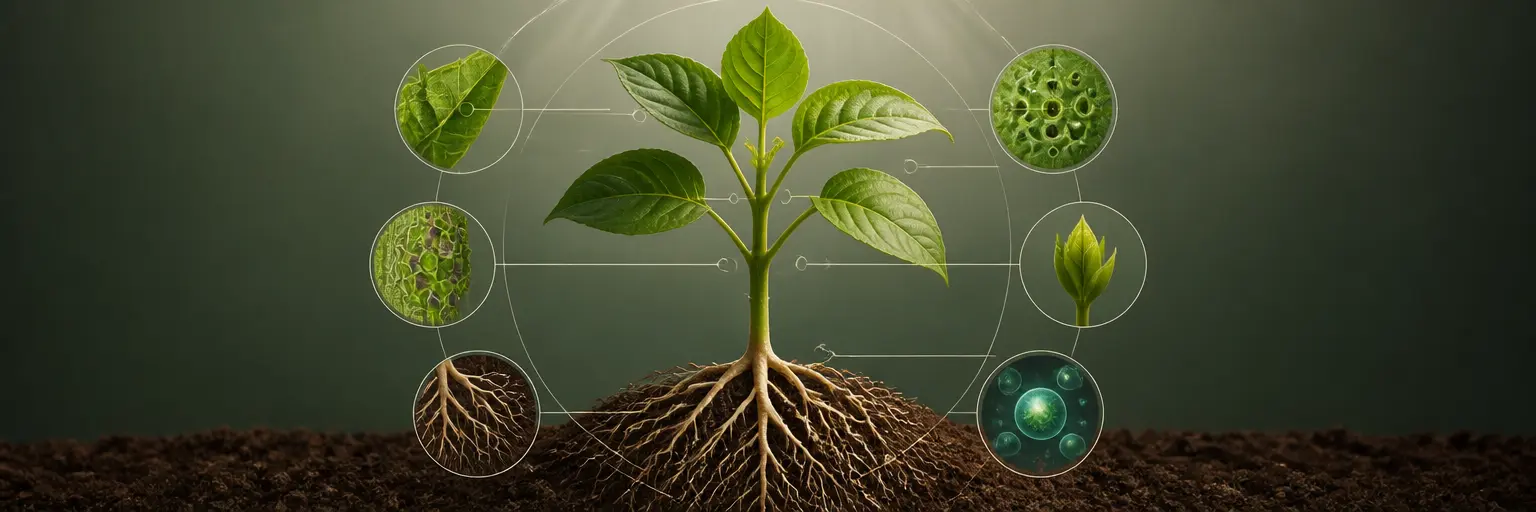
Welcome to Understanding Plant Biology Basics at CultivateYourFood, your practical guide to the science behind healthy plants, productive gardens, and sustainable home food growing. This subcategory explains how plants grow, absorb nutrients, produce energy, reproduce, and respond to their environment. Whether you are growing vegetables, fruits, herbs, or edible flowers, learning essential plant biology can help you make better decisions about soil preparation, watering, sunlight, composting, fertilizing, pruning, pest control, and harvesting. Explore clear, beginner-friendly information designed to connect plant science with organic gardening success.
🌿 Plant Structure and Essential Functions
Discover how roots, stems, leaves, flowers, fruits, and seeds work together to keep a plant alive and productive. This section explains the role of plant organs, including how roots anchor plants and absorb water, how stems transport nutrients, and how leaves capture light for growth. Understanding plant anatomy makes it easier to identify problems such as weak stems, damaged roots, yellowing leaves, and poor development.
Readers can also learn how different plant structures influence gardening practices. You will find helpful guidance for choosing planting locations, supporting climbing crops, protecting roots, and recognizing healthy growth. These foundational lessons are valuable for anyone interested in vegetable gardening, herb cultivation, fruit growing, and organic home gardening.
☀️ Photosynthesis, Sunlight, and Plant Energy
Photosynthesis is the process that allows plants to convert sunlight, water, and carbon dioxide into energy. This section explains why adequate light is essential for strong leaves, vigorous stems, flowering, and fruit production. Learn how photosynthesis affects plant growth and how to select the right garden location for sun-loving crops, partial-shade plants, and shade-tolerant herbs.
You will also discover how light intensity, day length, leaf health, and air circulation influence plant performance. Practical information can help you prevent leggy seedlings, weak growth, slow development, and poor harvests while improving the productivity of an organic vegetable garden.
💧 Water Movement and Nutrient Absorption
Plants require water and mineral nutrients to build tissues, transport sugars, and maintain healthy growth. Learn how roots absorb moisture and nutrients from the soil and how the vascular system moves these resources throughout the plant. This section covers plant water uptake, nutrient absorption, xylem, phloem, and soil moisture management in an accessible way.
Understanding these biological processes can improve your watering and feeding habits. Readers will learn why overwatering can damage roots, how compacted soil limits absorption, and why compost-rich soil supports beneficial microbial activity. These principles are especially useful for growing tomatoes, peppers, leafy greens, root crops, culinary herbs, and container plants.
🌱 Seeds, Germination, and Seedling Development
Explore what happens when a seed begins to grow. This section explains seed dormancy, germination, moisture, temperature, oxygen, root emergence, and the development of the first leaves. Learn how to create favorable conditions for seed starting, seed germination, transplanting, and healthy seedling growth using sustainable gardening methods.
Helpful guidance will show you how to avoid common problems such as damping off, stretched seedlings, poor germination, and transplant shock. You can also learn why seed depth, soil texture, light exposure, and consistent moisture are important when cultivating vegetables, herbs, and fruit plants from seed.
🌼 Plant Reproduction, Flowers, and Pollination
Flowers are central to plant reproduction and the formation of fruits and seeds. Learn how pollen, pollinators, ovaries, and fertilization contribute to successful plant reproduction. This section explains pollination in vegetable gardens, including the roles of bees, butterflies, wind, and other beneficial insects.
Readers can discover ways to support natural pollination by planting diverse flowers, avoiding unnecessary pesticides, and providing shelter and food for pollinators. These practices can improve fruit set in crops such as squash, cucumbers, melons, tomatoes, berries, and fruit trees while strengthening a healthy, biodiverse garden ecosystem.
🍅 Plant Growth Stages and Harvest Timing
Plants pass through recognizable stages, including germination, vegetative growth, flowering, fruit development, seed production, and dormancy. Understanding these stages helps gardeners adjust watering, feeding, pruning, support, and pest monitoring. Learn how plant life cycles influence seasonal garden planning and crop management.
This section also connects plant biology with harvesting. You will learn how to recognize signs of maturity, monitor fruit and vegetable development, and harvest crops at the right stage for flavor, texture, and storage quality. Applying this knowledge can lead to more abundant and nutritious homegrown food.
🐞 Plant Defense, Stress, and Natural Pest Resistance
Plants respond to environmental challenges through physical and chemical defenses. Explore how plants react to insect feeding, disease, drought, heat, cold, nutrient shortages, and mechanical damage. This information supports a more thoughtful approach to organic pest control and plant health, helping gardeners identify stress before it becomes severe.
Readers will learn why healthy soil, proper spacing, crop diversity, compost, beneficial insects, and consistent care can improve plant resilience. Rather than relying only on chemical treatments, CultivateYourFood encourages prevention-based strategies that protect plants, people, pollinators, and the wider garden environment.
❓ Frequently Asked Questions About Plant Biology Basics
🌱 Why is understanding plant biology important for home gardeners?
Plant biology explains how plants use light, water, air, nutrients, and soil to grow. Knowing these fundamentals helps gardeners make better decisions about planting, watering, fertilizing, pruning, pest control, and harvesting, resulting in healthier plants and more productive gardens.
☀️ How much sunlight do plants need to grow well?
Sunlight needs vary by species. Many fruiting vegetables require full sun, while leafy greens and some herbs tolerate partial shade. Check each crop’s requirements and observe your garden throughout the day to provide the most suitable light conditions.
💧 How do plant roots absorb water and nutrients?
Fine roots and root hairs absorb water and dissolved minerals from the soil. Healthy, well-aerated soil supports this process, while waterlogged or compacted soil can restrict oxygen and damage roots. Compost and organic matter can improve soil structure and nutrient availability.
🐝 What is the role of pollinators in a food garden?
Pollinators transfer pollen between flowers, allowing many plants to produce fruits and seeds. Bees, butterflies, moths, and other beneficial insects support crops such as squash, cucumbers, melons, berries, and fruit trees. Planting flowers and avoiding broad-spectrum pesticides can encourage pollinator activity.
🍃 What are common signs that a plant is stressed?
Common signs include wilting, yellow leaves, stunted growth, leaf spots, curling, premature flowering, and poor fruit development. Stress may result from inadequate light, inconsistent watering, nutrient deficiencies, pests, diseases, temperature extremes, or damaged roots. Observing symptoms alongside growing conditions can help identify the cause.